
Liberal arts pay homage to Johann Wilhelm, Palatine of the Rhine, and his wife — History & Facts
A cascade of allegory greets the viewer, as the liberal arts themselves—personified as elegant, idealized women—gather in reverence before a monumental medallion bearing the profiles of Johann Wilhelm, Palatine of the Rhine, and his wife. The artist, Adriaen van der Werff, orchestrates the scene with theatrical grandeur: a cherub crowns the couple with a laurel, signaling their virtues and achievements, while a lion, symbol of strength and vigilance, anchors the composition. The eye is drawn upward by the sweep of drapery and the outstretched arms, but always returns to the central medallion, where the couple’s likenesses gaze serenely outward, elevated above the lively assembly.
The palette glows with warm golds and cool marble, setting a stately, almost ceremonial mood. This painting belongs to a tradition of Baroque allegory, where rulers and patrons were celebrated not only for their lineage but for their patronage of learning and the arts. Such works were often commissioned by or for courts eager to display their sophistication and cultural leadership—here, the liberal arts themselves become courtiers, each holding attributes of their discipline: a lute for music, a globe for astronomy, a scroll for literature. Adriaen van der Werff was renowned for his polished technique and smooth, idealized figures, often serving the tastes of princely patrons.
Now held in the National Museum in Warsaw, the painting stands as a testament to an age when art, power, and knowledge were tightly interwoven—inviting us to look closer, and to read the language of allegory written in every gesture and glance.
More Artworks by Adriaen van der Werff

Descent from the Cross
Adriaen van der Werff
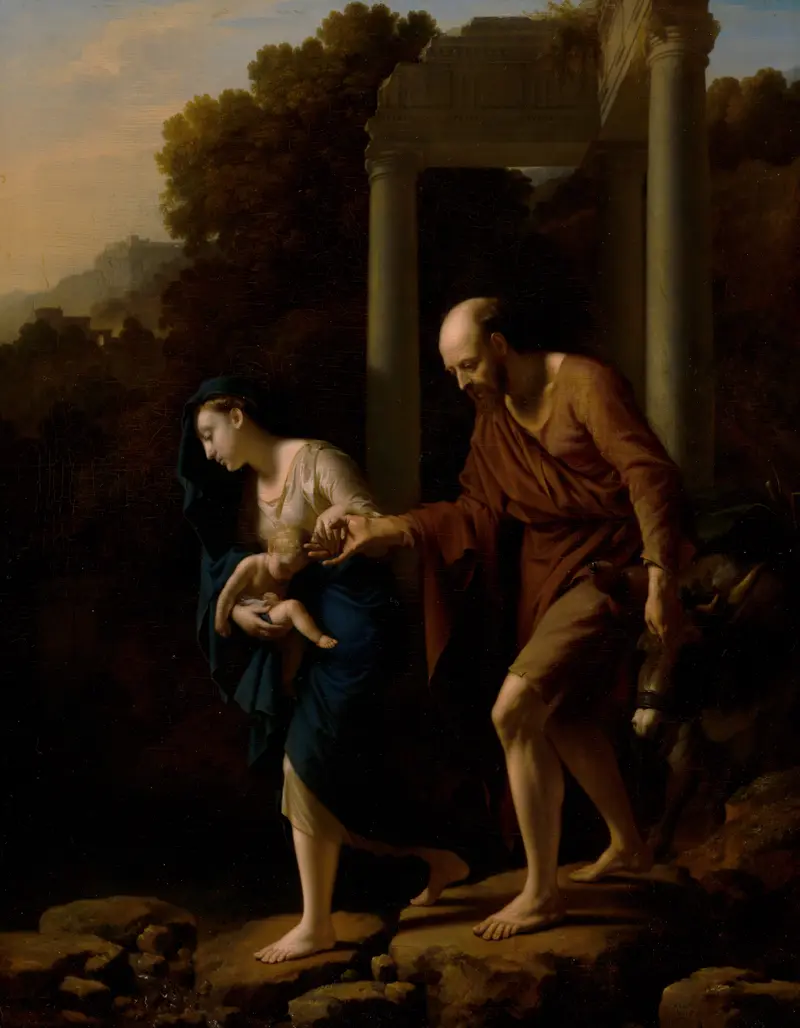
The Flight into Egypt
Adriaen van der Werff
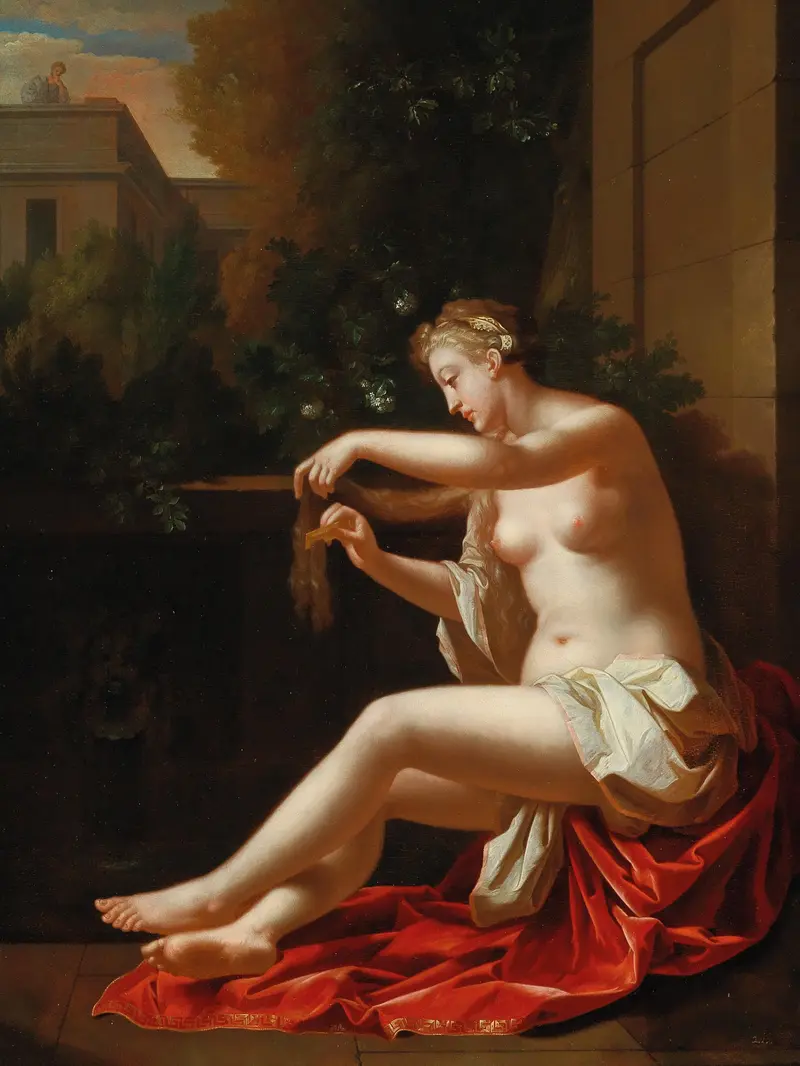
Bathsheba
Adriaen van der Werff
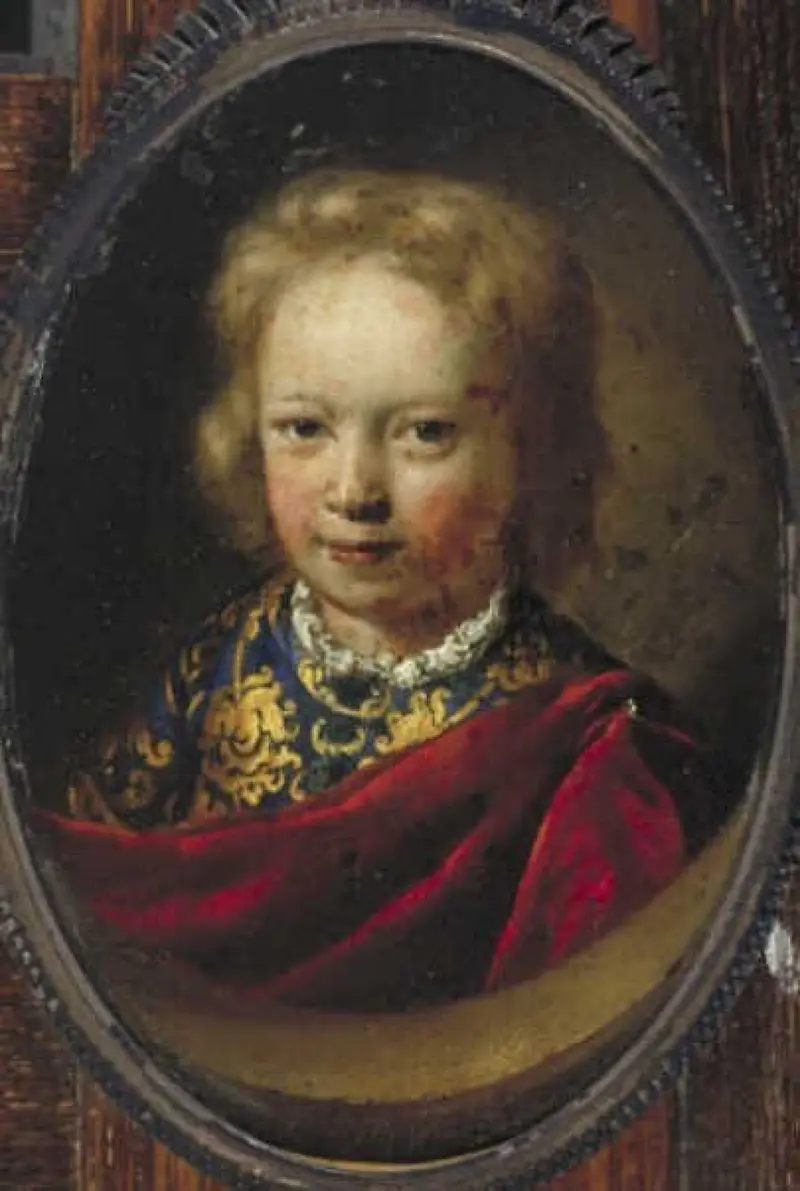
Portrait of Johan Versijden de Jonge
Adriaen van der Werff
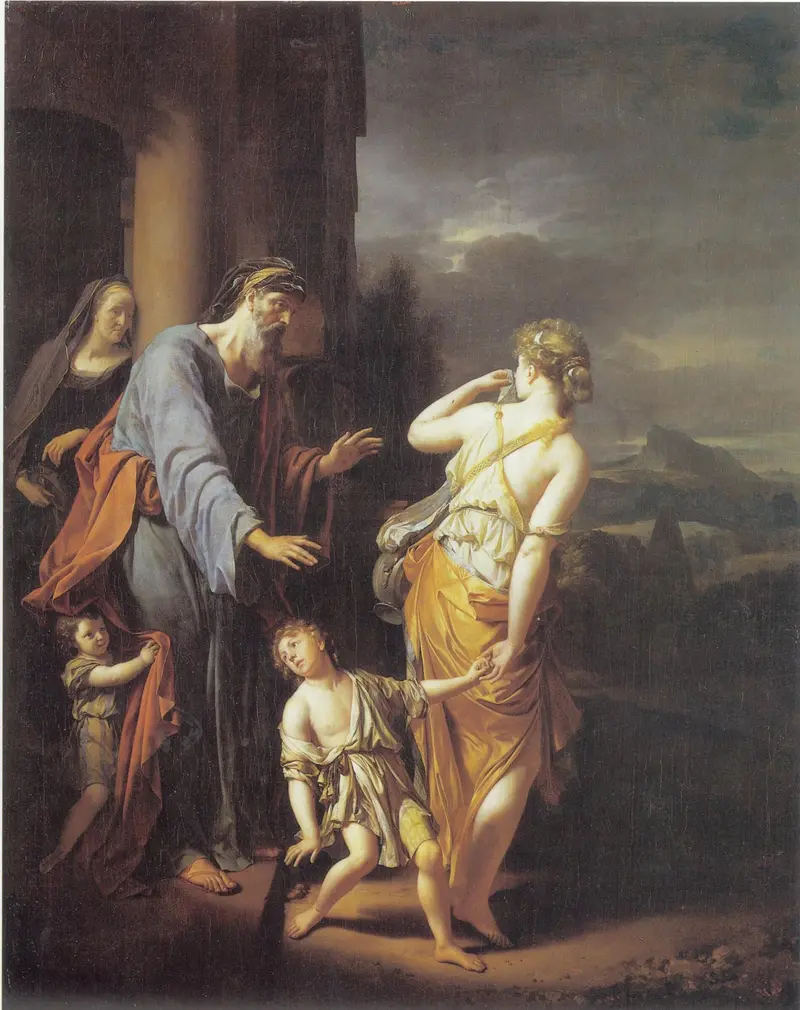
The Banishment of Hagar
Adriaen van der Werff
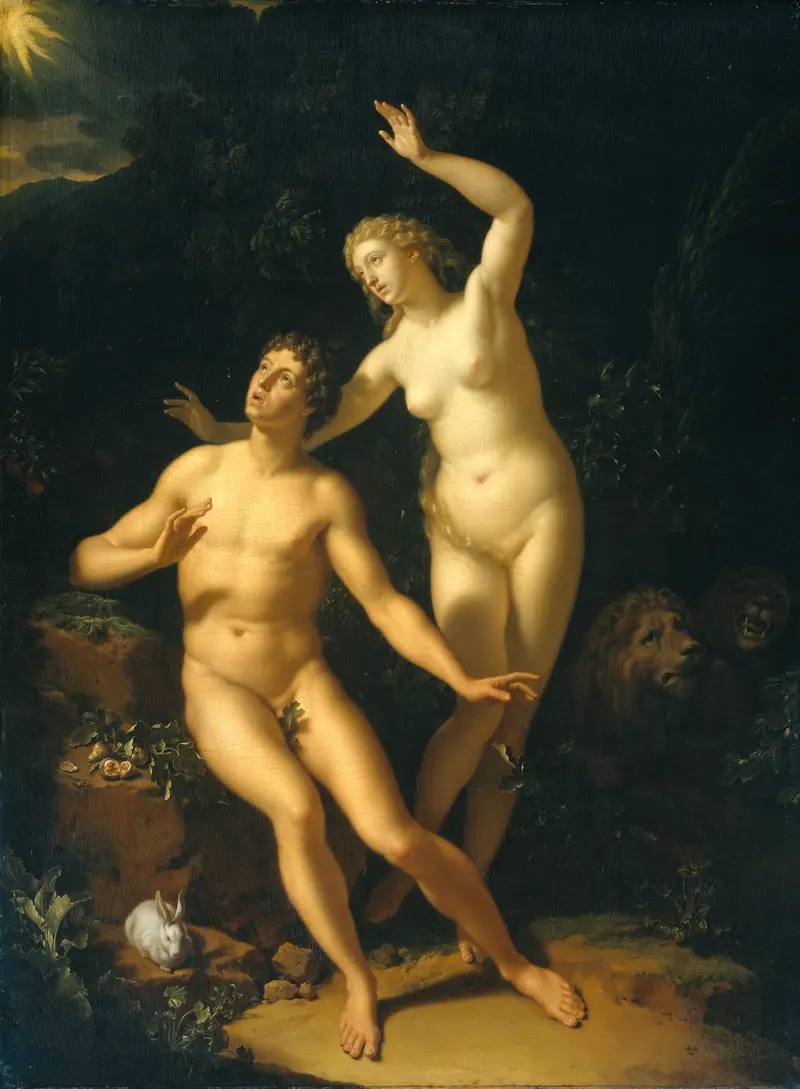
God Holds Adam and Eve Responsible
Adriaen van der Werff
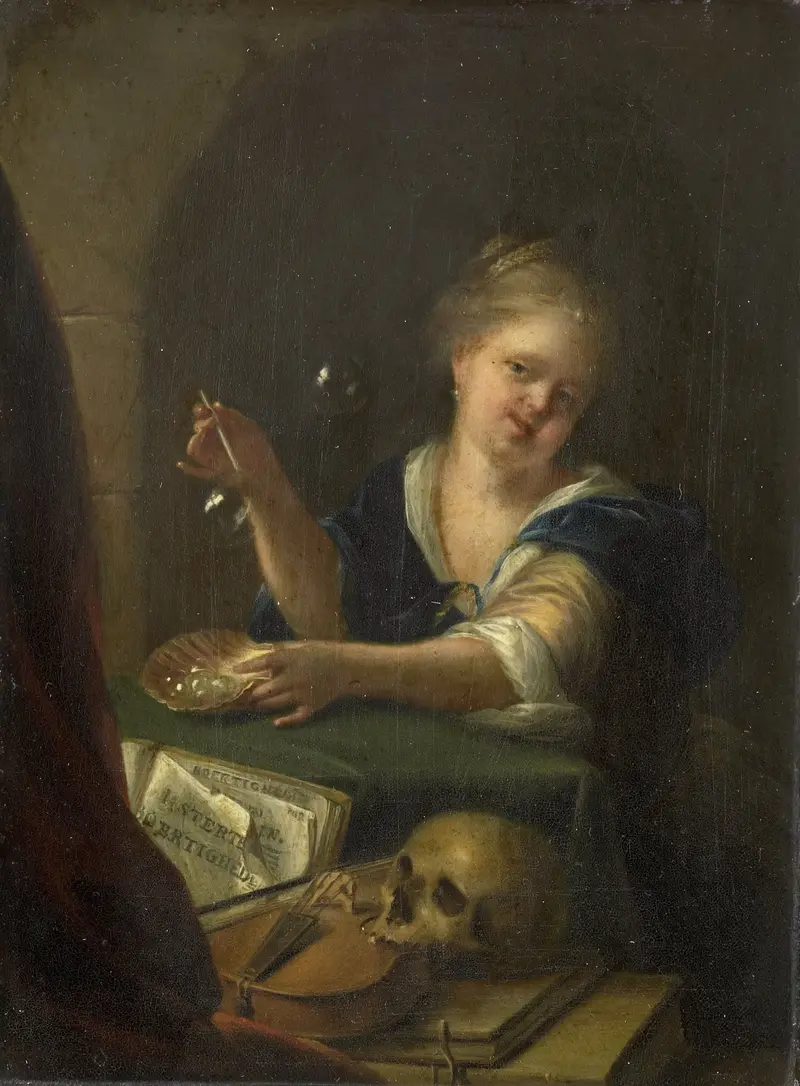
Bubble-blowing Girl with a Vanitas Still Life
Adriaen van der Werff
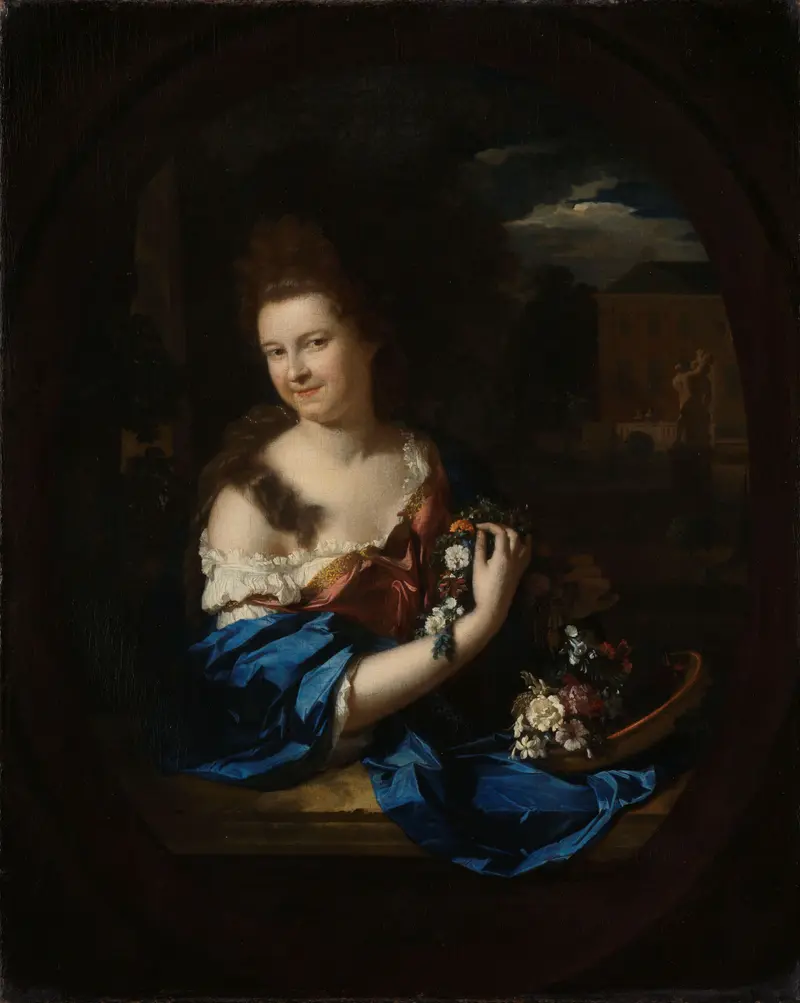
Portrait of Margaretha Rendorp (1673-1730), wife of Jan van de Poll
Adriaen van der Werff
Portrait of Jacob Hendricksz. Vingerhoed
Adriaen van der Werff
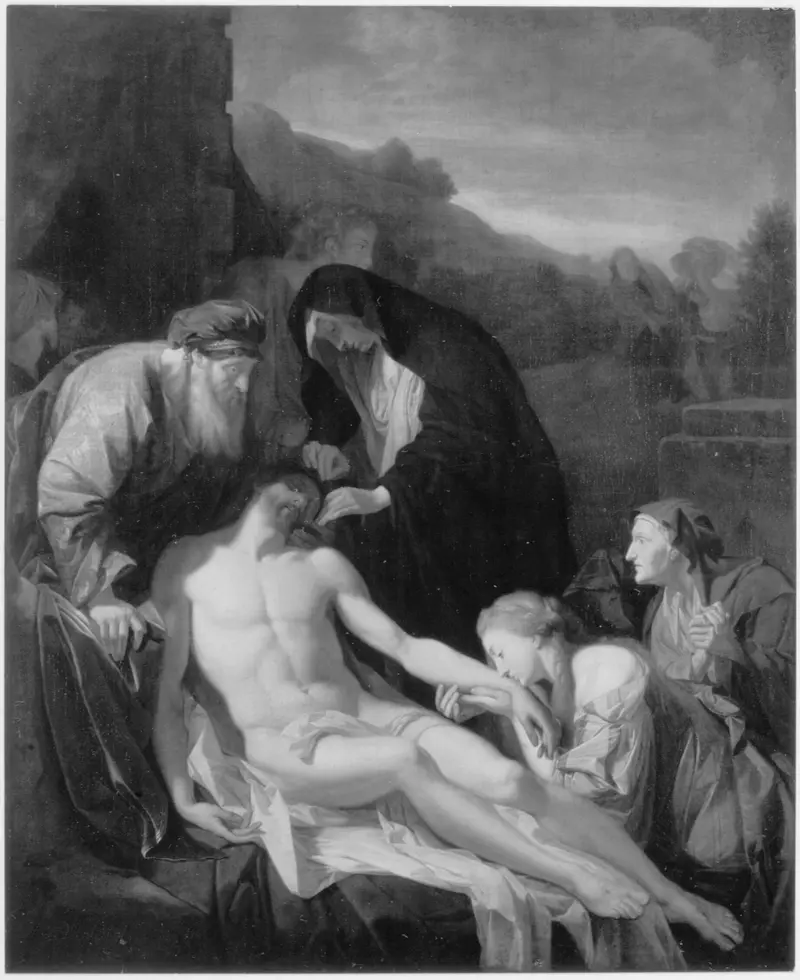
The burial of Christ
Adriaen van der Werff





