Liggende geiten — History & Facts
In the gentle embrace of nature, the vibrant hues of a pastoral scene invite contemplation, revealing both the beauty and tranquility of rural life. Here, a quiet symphony of color orchestrates a dialogue between the viewer and the serene world depicted. To appreciate the artwork, first look to the left, where the sun-drenched earth contrasts with the soft, shadowed shapes of the goats reclining lazily. Notice how the varying shades of green in the foreground create a seamless transition to the soft browns and whites of the animals.
The delicate brushwork captures the texture of their fur, while the luminous highlights whisper of sunlight filtering through the trees, transforming ordinary moments into an enchanting tableau. Yet, there’s more at play within this pastoral peace. The juxtaposition of the goats’ stillness against the vibrant background hints at a deeper narrative of life’s simplicity amidst the chaos of existence. Each color choice resonates with emotion — the lush greens symbolize growth and fertility, while the muted earth tones ground the viewer, evoking a sense of stability and harmony.
This balance suggests an underlying tension, where nature's beauty coexists with the ephemeral nature of time. Adriaen van de Velde painted Liggende geiten between 1657 and 1659 during a period of profound artistic evolution in the Dutch Golden Age. Working in Amsterdam, he focused on landscapes and pastoral scenes, reflecting contemporary interests in tranquility and the allure of the natural world. Despite the challenges of his time, including economic fluctuations and shifting artistic tastes, he carved a niche for himself, capturing the essence of rural serenity through his vibrant palettes and meticulous detail.
More Artworks by Adriaen van de Velde
Browse all →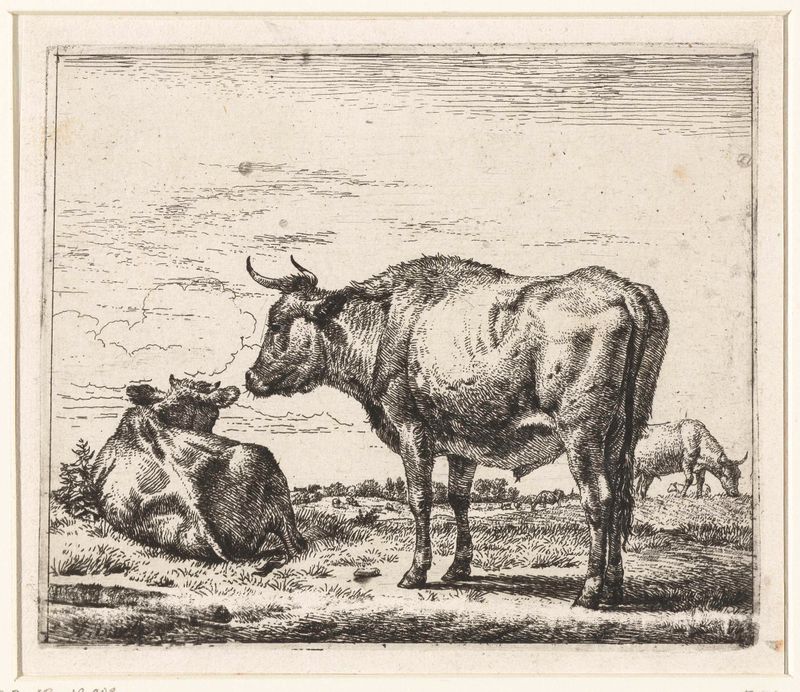
Staande stier
Adriaen van de Velde
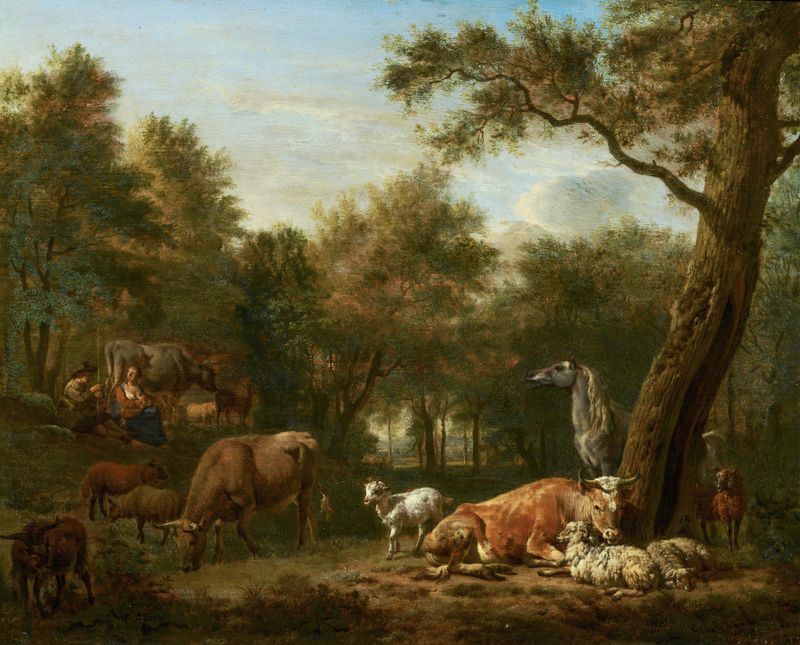
Wooded Landscape with Cattle
Adriaen van de Velde

Pastoral Landscape with Ruins
Adriaen van de Velde

Pastoral Landscape with Ruins
Adriaen van de Velde
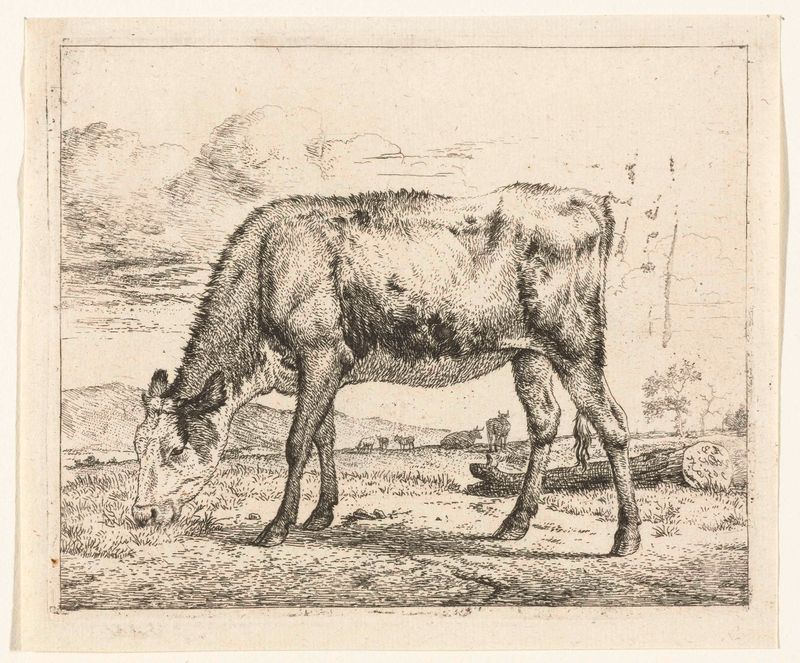
Grazend kalf
Adriaen van de Velde
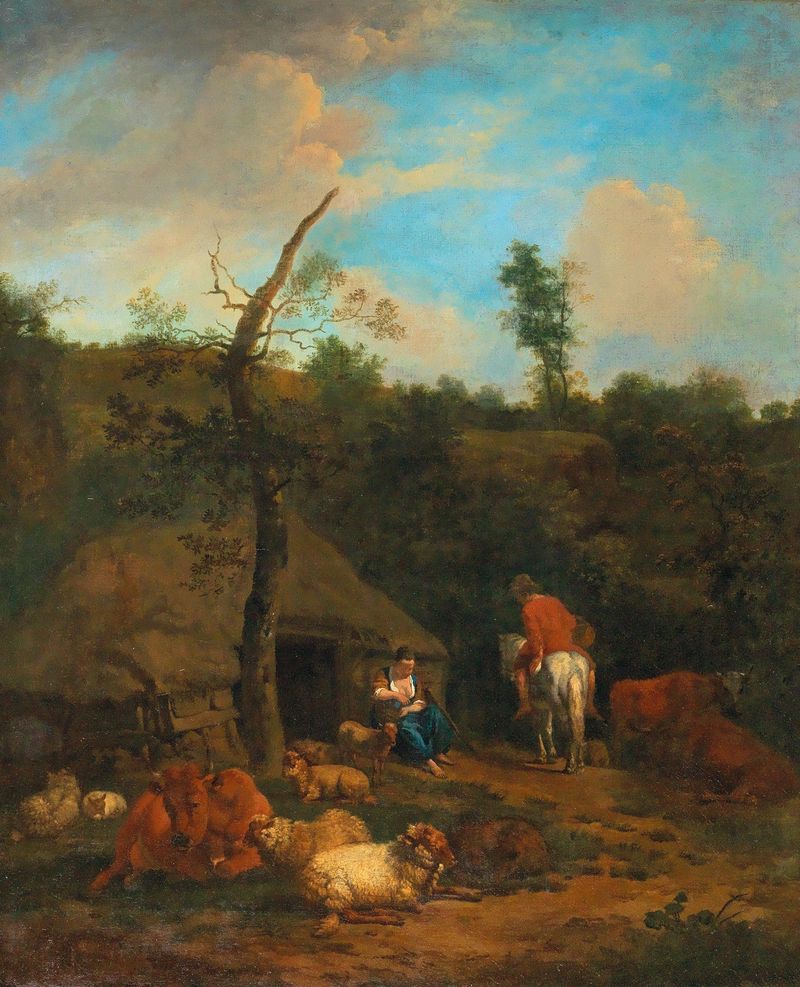
A herdsman and a shepherdess in front of a wooden farmhouse
Adriaen van de Velde
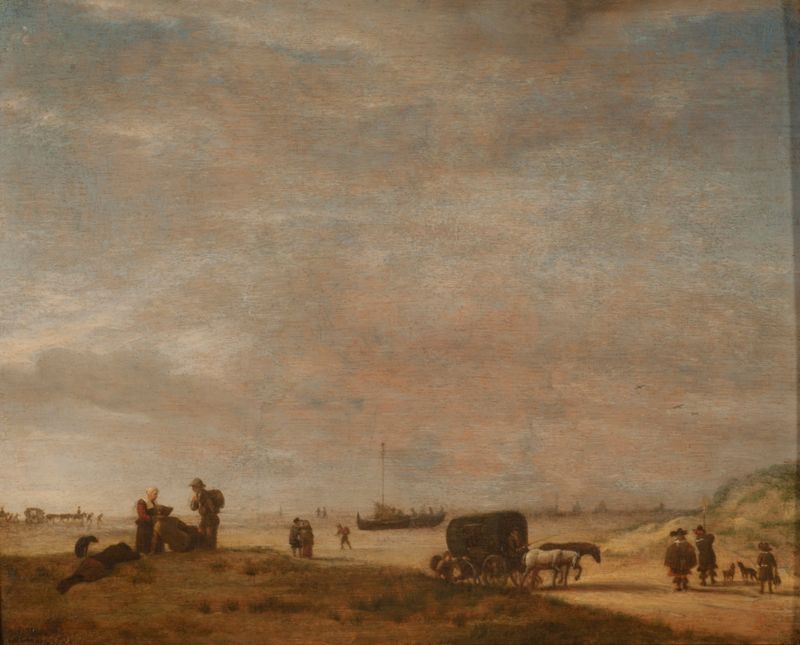
Scheveningen Beach
Adriaen van de Velde
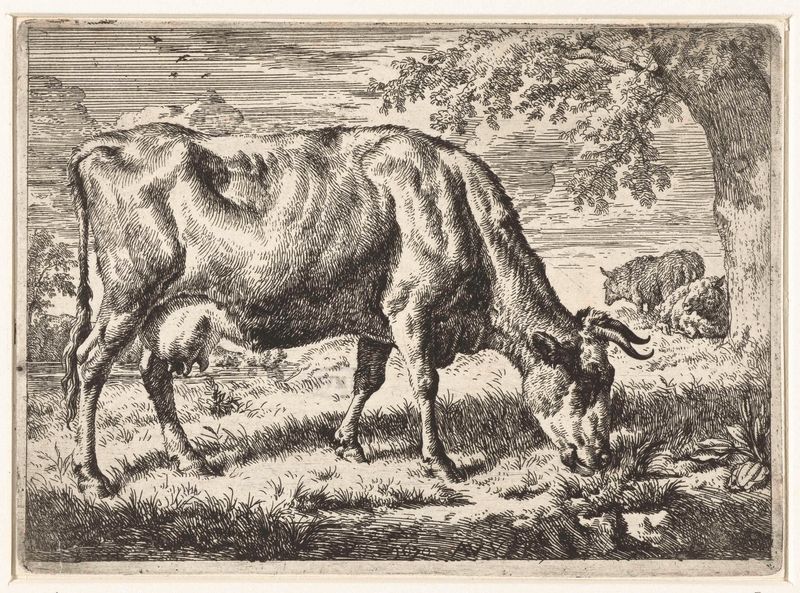
Grazende koe en twee schapen
Adriaen van de Velde

Forest Clearing with Grazing Deer
Adriaen van de Velde

Landscape with Sheep and a Sleeping Shepherd
Adriaen van de Velde