
Lighthouse Pines No. 2 — History & Facts
What if beauty was never meant to be finished? In Lighthouse Pines No. 2, the artist captures a moment of stillness that lingers in the air, inviting the viewer to ponder the essence of fleeting beauty and the melancholy of impermanence. Focus on the muted greens and browns in the foreground, where pines rise majestically against a backdrop of a muted sky. The delicate brushstrokes suggest a gentle breeze, while the play of light and shadow adds depth, drawing your eye upward toward the distant lighthouse, a steadfast sentinel against the changing world.
The composition balances both nature and man-made elements, creating a harmony that feels both serene and slightly dissonant. In the work, the lighthouse stands as a symbol of guidance amidst the solitude of nature. The trees, with their gnarled branches, whisper stories of resilience and time. This tension between the enduring structure and the ephemeral landscape evokes a profound sense of melancholy, as if the lighthouse is a reminder of beauty's transitory nature — a beacon illuminating the inevitable passage of time. Ernest Haskell created *Lighthouse Pines No.
2* in 1915 while living in a transformative period for American art, where the movement toward modernism began to take root. As artists sought new expressions, Haskell emerged as a vital figure in the Ashcan School, capturing the subtleties of light and atmosphere that reflected both the realities of life and the poetic nuances of nature.
More Artworks by Ernest Haskell
Browse all →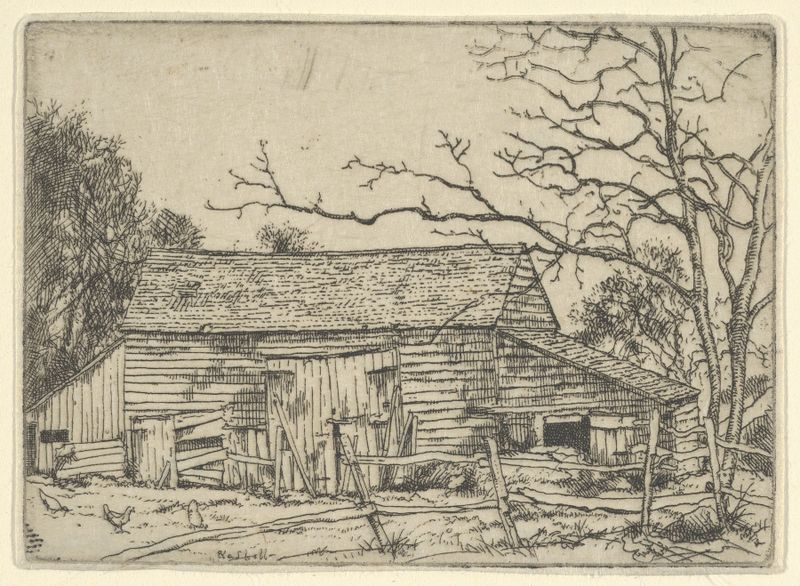
The Barn–Staten Island, N.Y.
Ernest Haskell

Four Live Oaks
Ernest Haskell
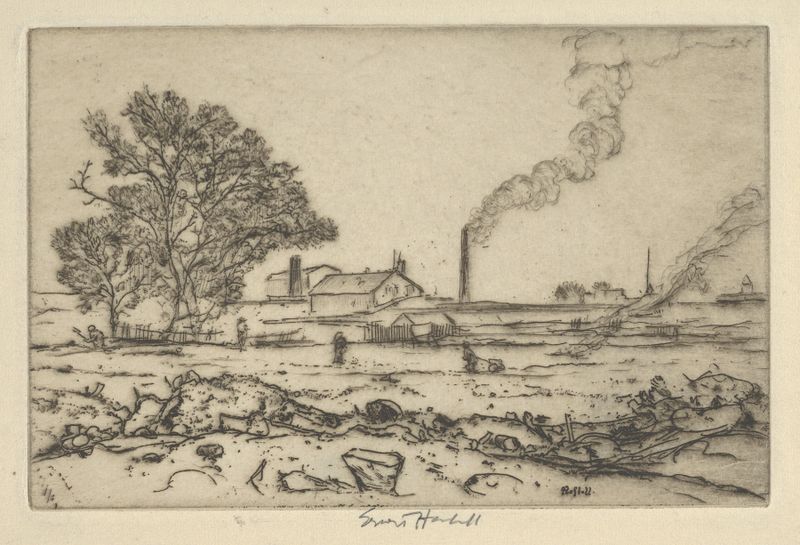
Outskirts of Boston
Ernest Haskell
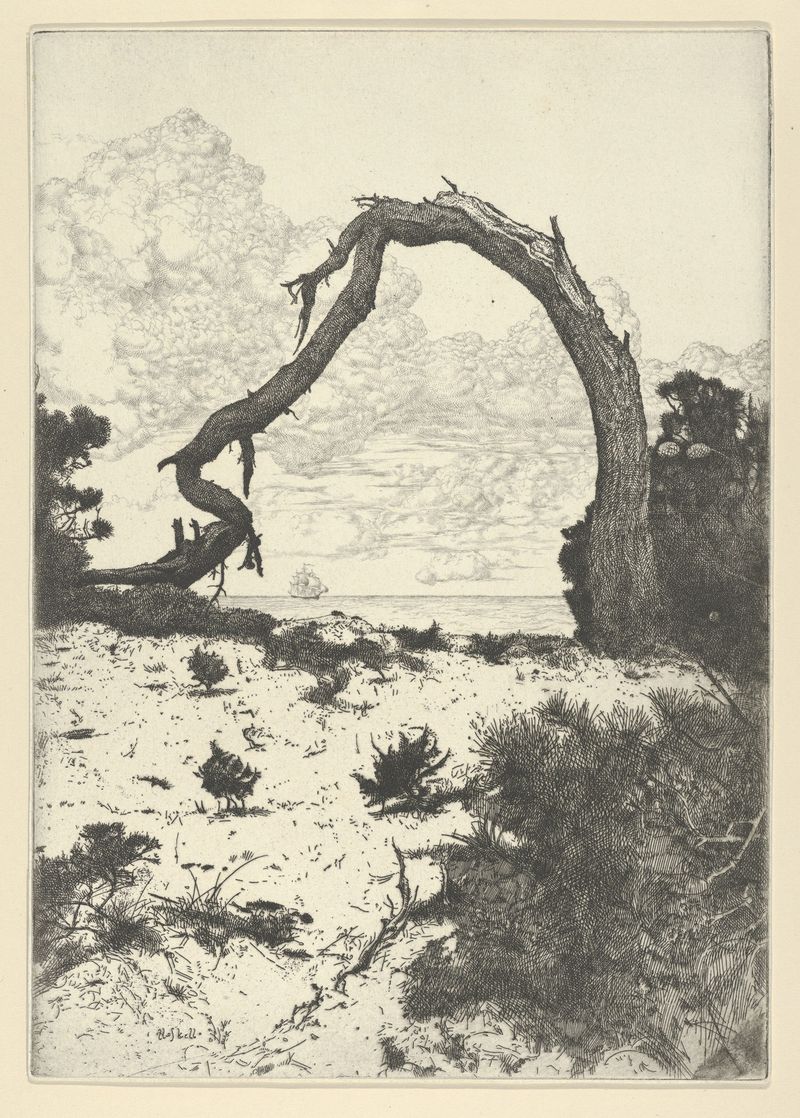
Pine Arch
Ernest Haskell

General Sherman
Ernest Haskell
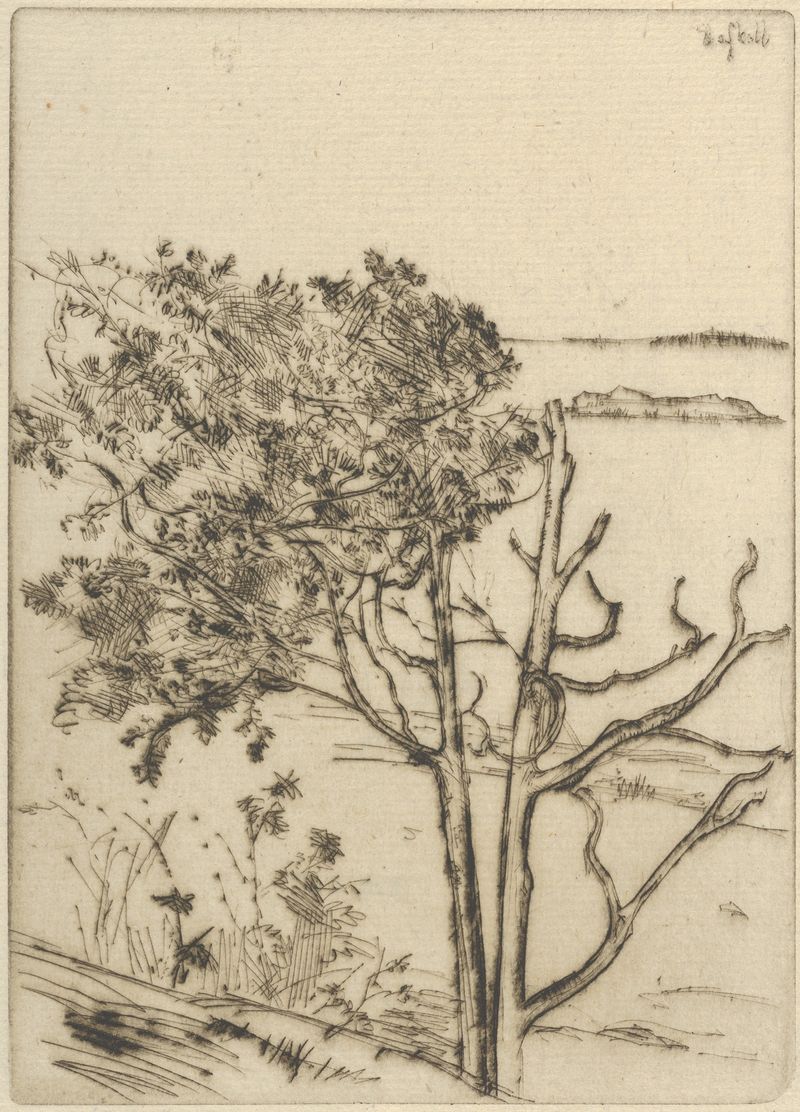
Ragged Tree – Maine
Ernest Haskell

Tide Mill
Ernest Haskell

Ship Building
Ernest Haskell
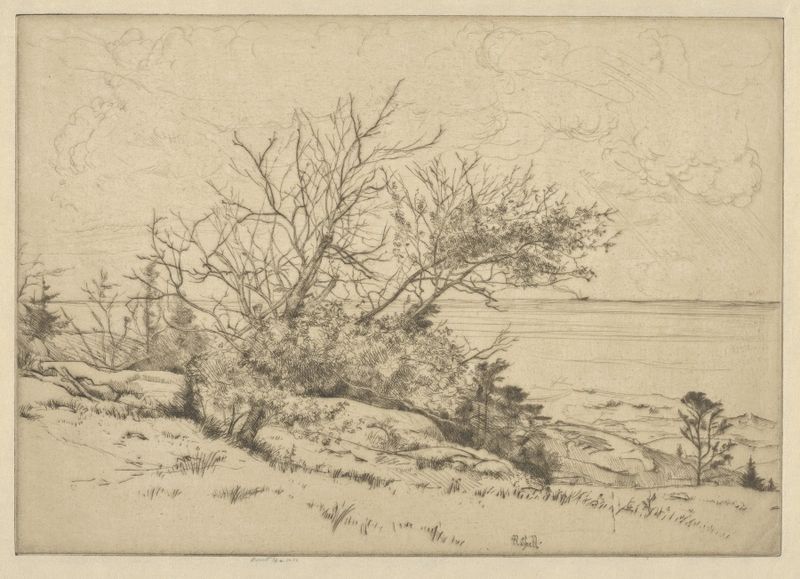
To the Southward – Ragged Island, Me.
Ernest Haskell
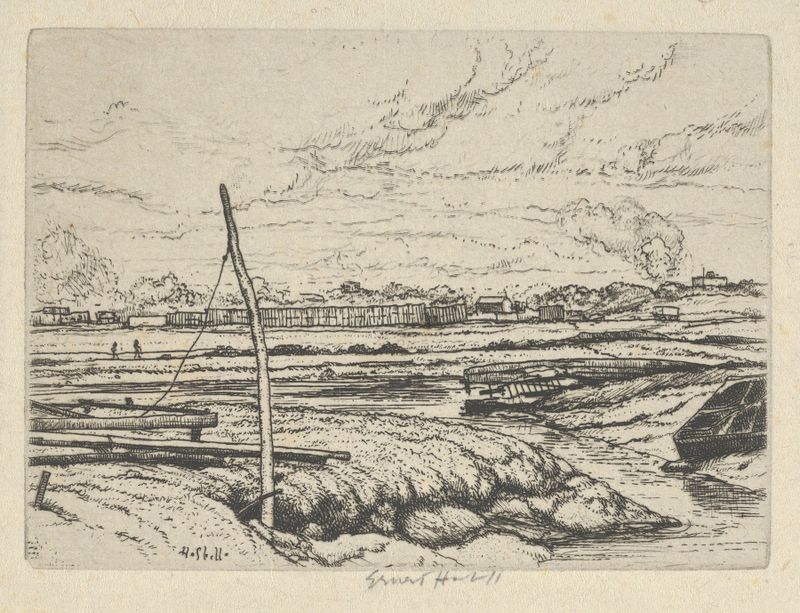
Long Island Marshes
Ernest Haskell





