
L’impasse Girardon — History & Facts
Could beauty survive in a century of chaos? In L’impasse Girardon, the artist captures a fleeting moment where silence envelops a fragmented world, offering a glimpse into the void that intertwines with the allure of forgotten places. Look to the center of the canvas, where a narrow alley beckons, framed by crumbling facades. Notice how the muted palette of ochres and greys accentuates the play of light, casting gentle shadows that seem to cradle the architecture. The composition draws the eye inward, inviting the viewer into this intimate yet desolate space, where the interplay of geometric lines and organic forms creates a sense of unease and nostalgia. Hidden within the layers of decay, a tension emerges between the beauty of the structures and the encroaching void surrounding them.
The contrast between the delicate architectural details and the stark absence of life speaks to a deeper longing for connection. This artwork serves as a poignant reflection on the fragility of existence amidst the relentless march of time, suggesting that beauty, though threatened, can still reside in the remnants left behind. Created in 1925, during a period marked by societal upheaval following World War I, Boberg’s work reflects the disillusionment of the era while embracing the remnants of elegance. As the art world grappled with new movements and ideas, Boberg navigated a personal journey marked by introspection, seeking to capture the delicate balance between despair and beauty in a rapidly changing landscape.
More Artworks by Ferdinand Boberg
Browse all →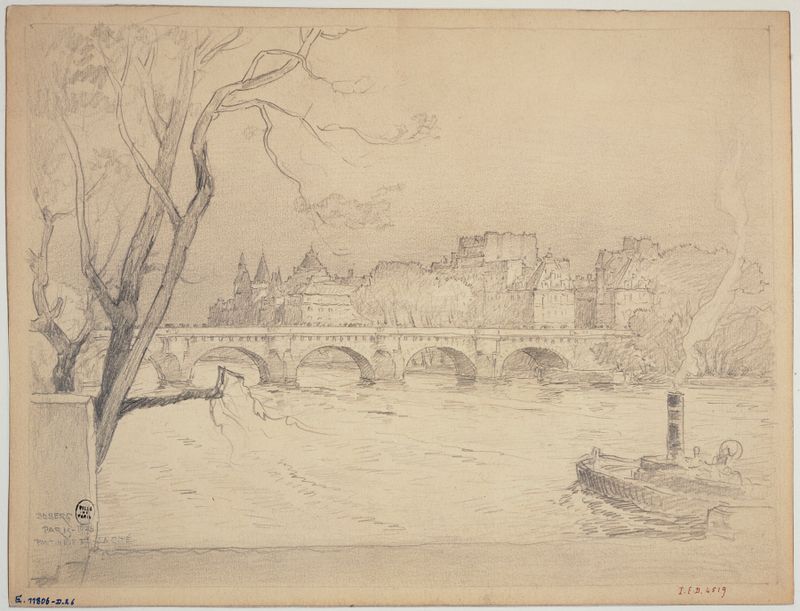
Le Pont-Neuf et la Cité
Ferdinand Boberg
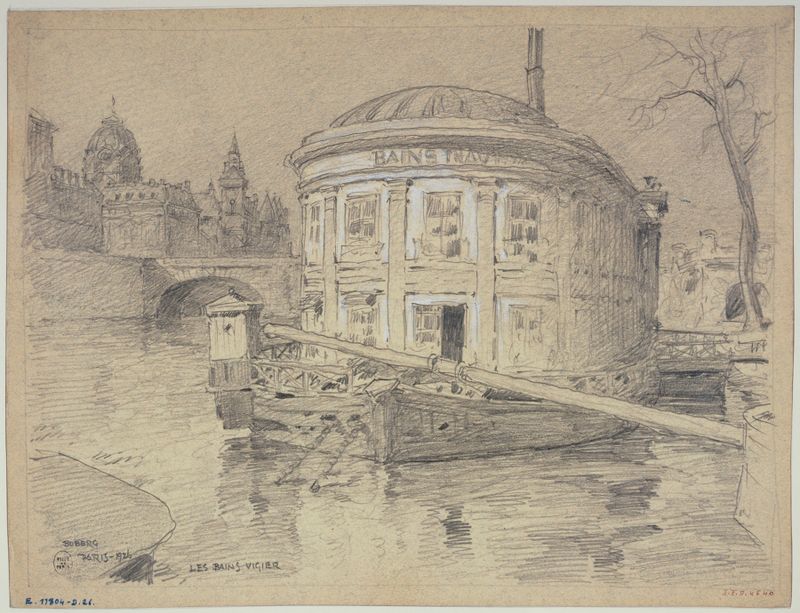
Les bains Vigier au Pont-Neuf
Ferdinand Boberg
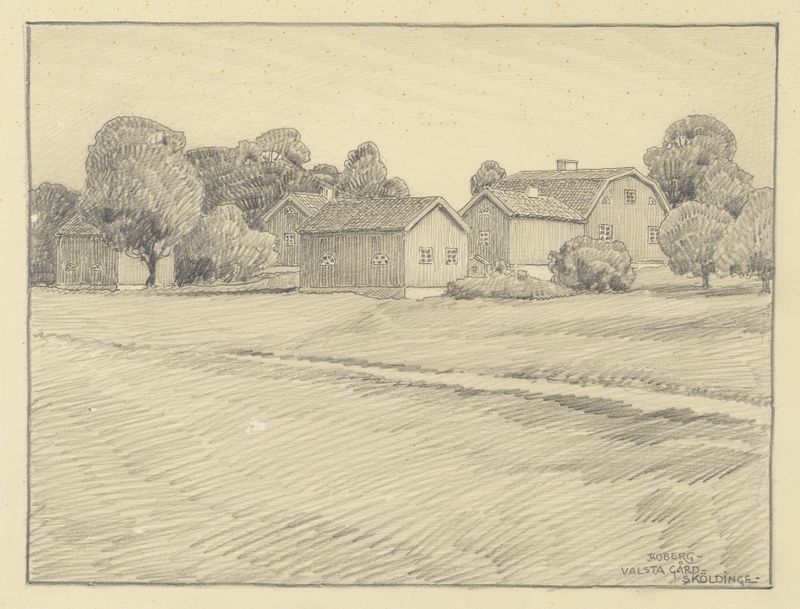
Valsta Gård
Ferdinand Boberg
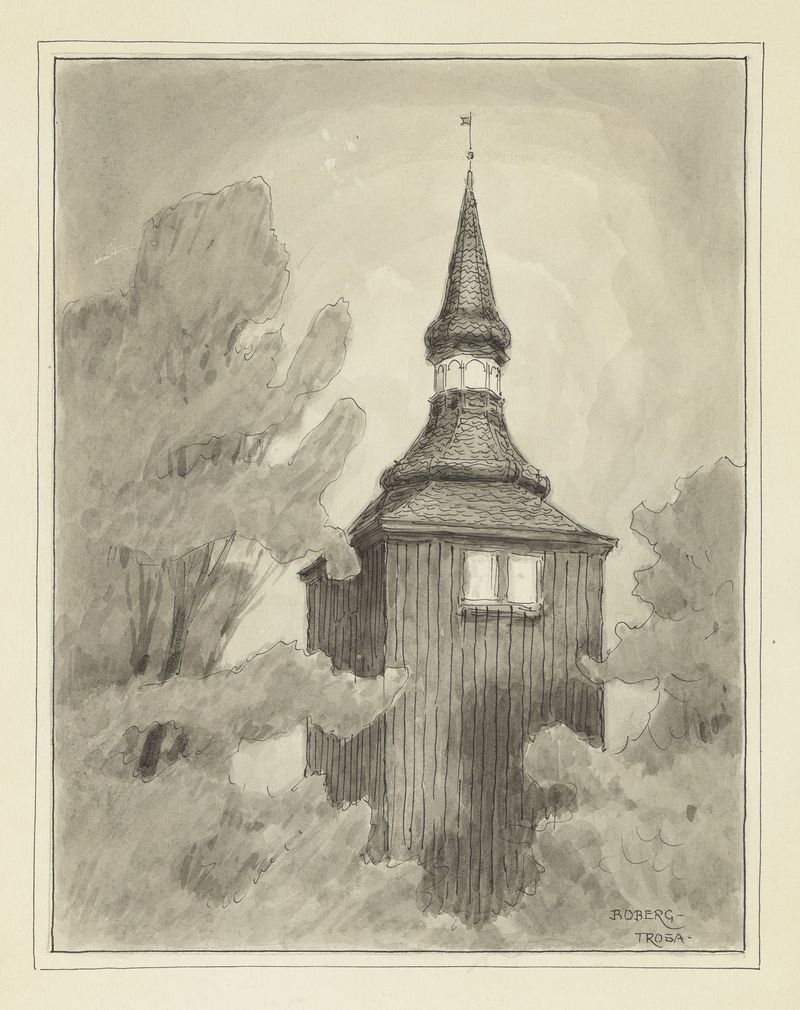
Trosa
Ferdinand Boberg
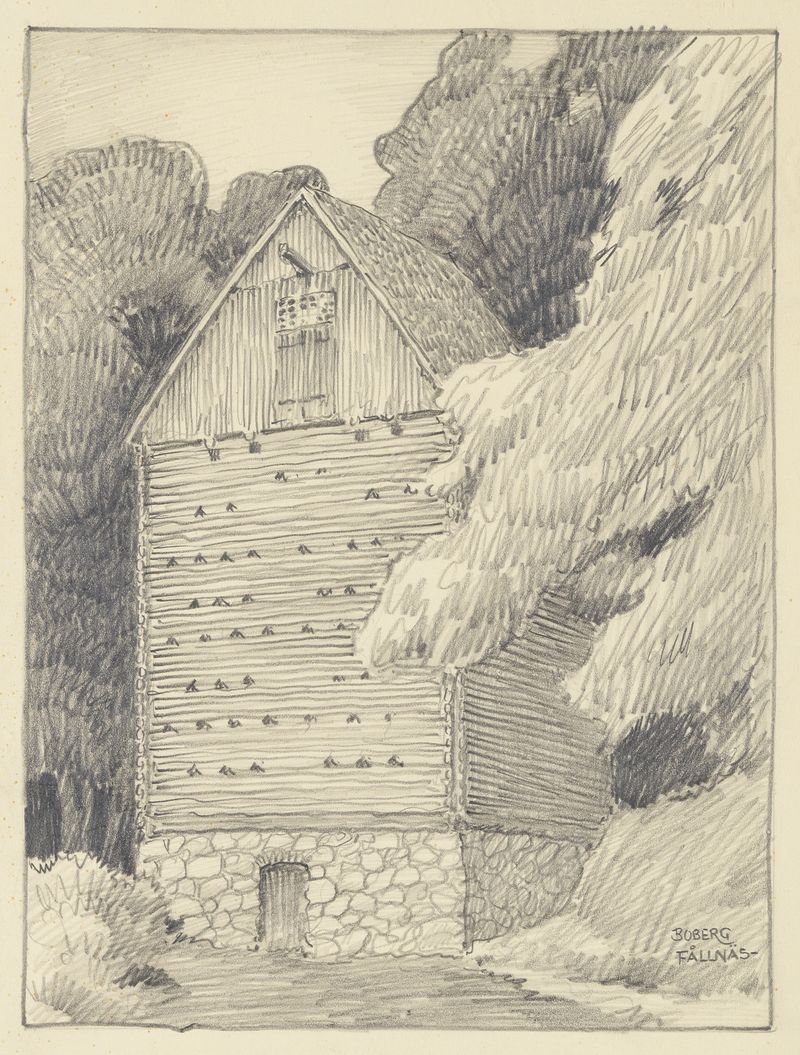
Fållnäs
Ferdinand Boberg
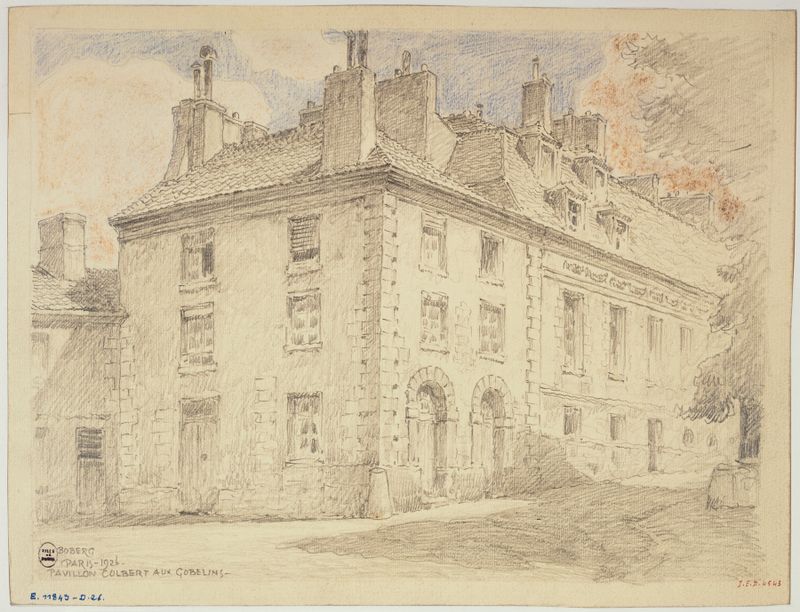
Le pavillon Colbert aux Gobelins
Ferdinand Boberg
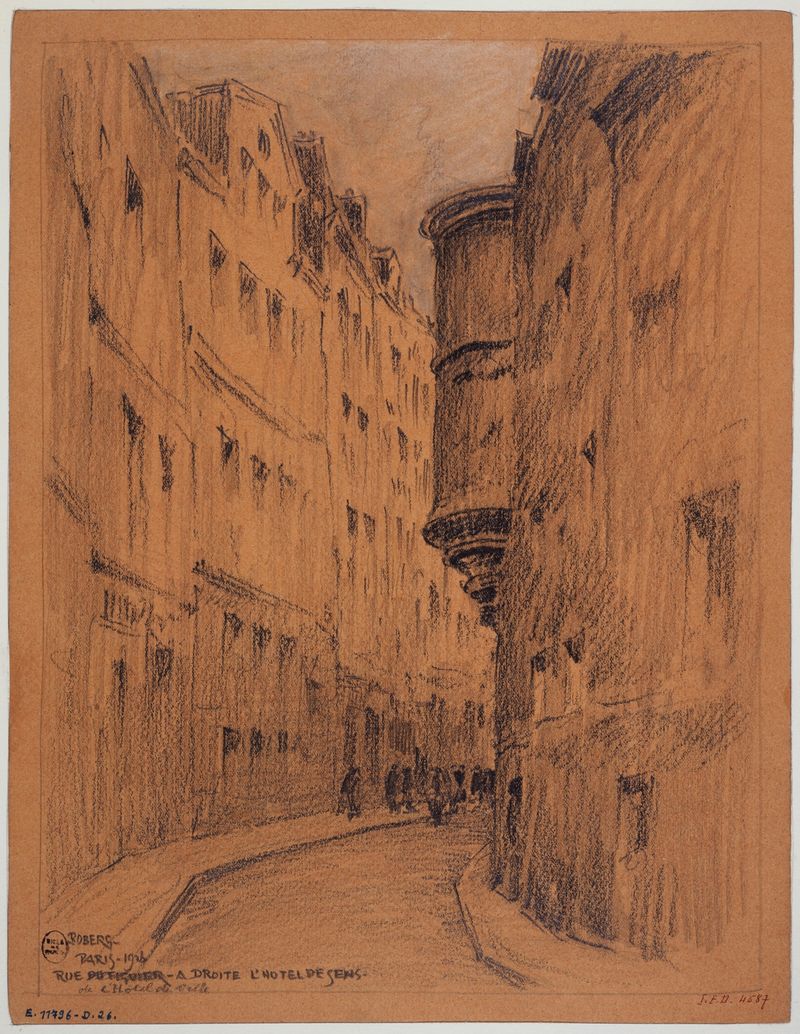
Rue de l’Hôtel de Ville; l’hôtel de Sens
Ferdinand Boberg
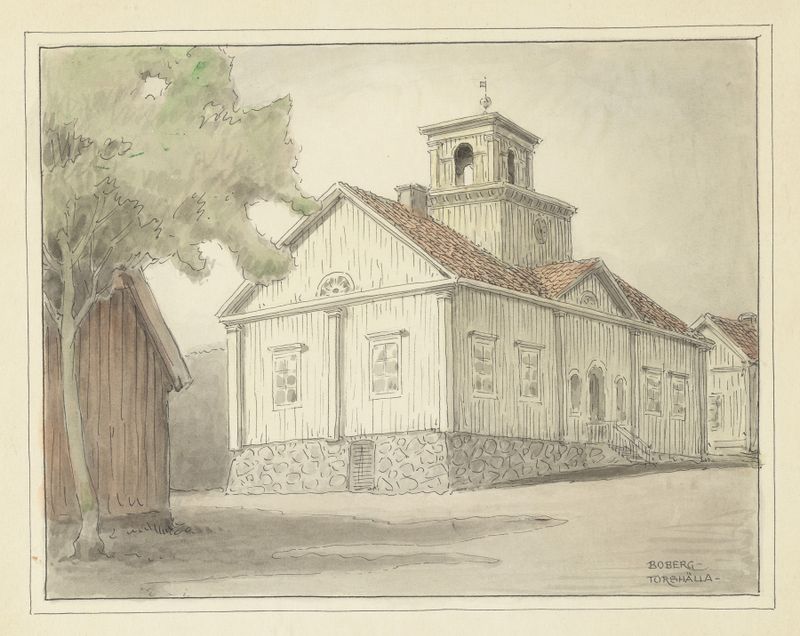
Torshälla
Ferdinand Boberg
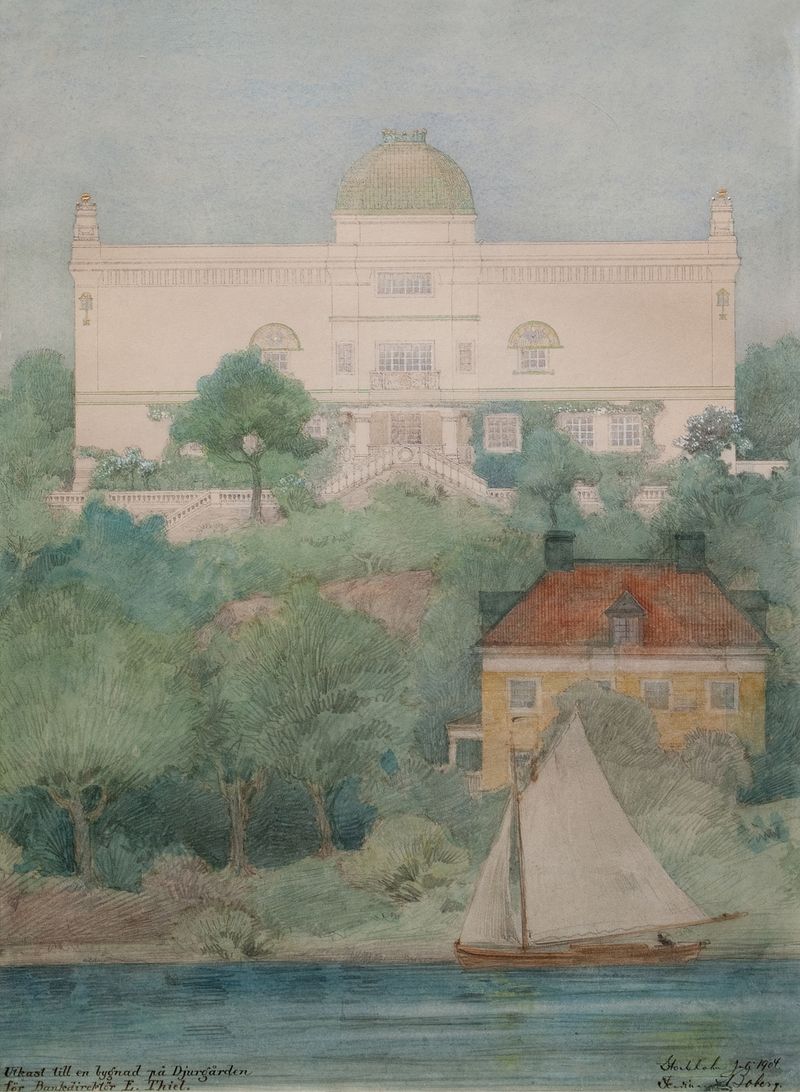
Sketch for a building for Thiel’s Gallery
Ferdinand Boberg
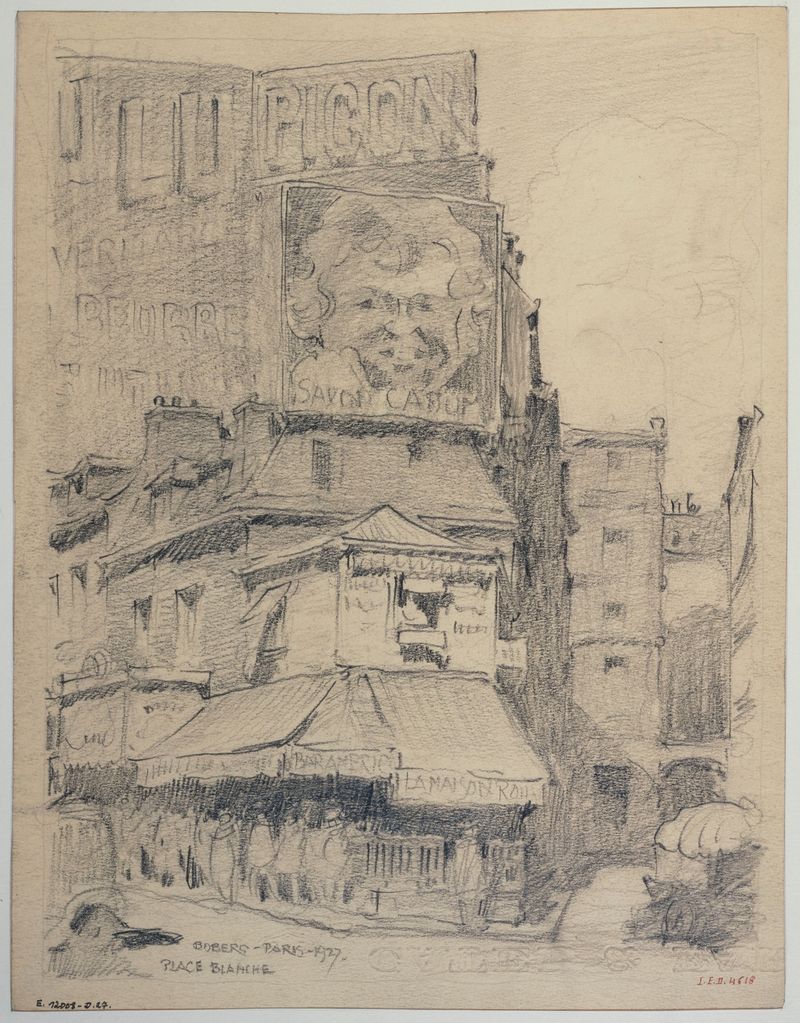
La place Blanche
Ferdinand Boberg





