Line of Beauty — History & Facts
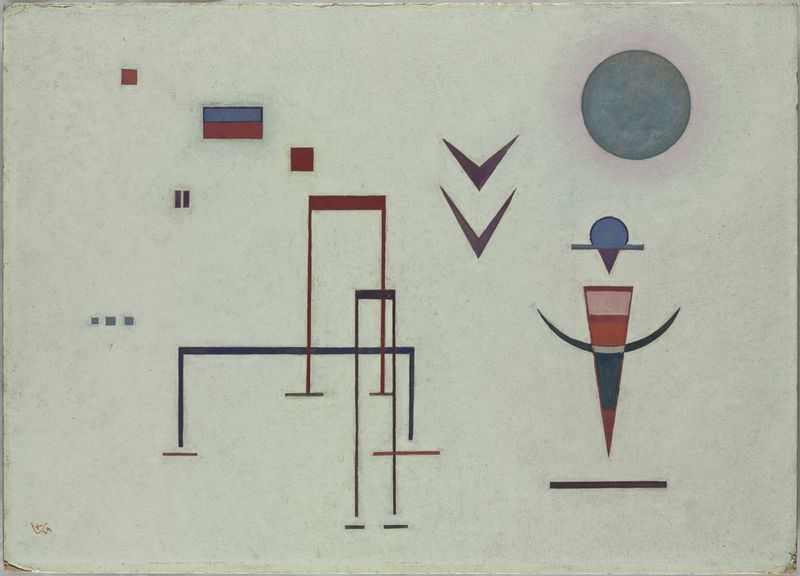
What if beauty was never meant to be finished? This thought lingers in the air, echoing through the delicate lines and soft forms that invite us to reflect and resonate with an unending journey of creation. Look to the center of the canvas, where fluid contours intertwine in a dance of elegance and grace. The gentle curves, rendered in shades of muted pastels, weave together harmoniously, suggesting an organic rhythm that draws the eye inward. The subtle use of light and shadow adds depth, creating an ethereal quality that blurs the boundary between the tangible and the intangible.
Each line seems alive, vibrating with a pulse that speaks to the nuances of beauty itself. Beneath this surface, we can sense the tension between completeness and imperfection. The lines, while seemingly fluid, hint at an underlying chaos—a reminder that beauty often resides in the unrefined and the unfinished. There’s a whisper of hope here, suggesting that the pursuit of beauty is as meaningful as the beauty itself, fostering a dialogue between creation and the creator.
This interplay invites viewers to embrace their own imperfections, recognizing that each mark and stroke holds significance in the greater narrative of art. Created in 1920, this piece emerges from a time when Ernest Haskell was exploring new artistic boundaries, influenced by movements that prioritized expression over realism. Working within the vibrant art scene of early 20th-century America, he was part of a shift that embraced abstraction and emotional depth, reflecting the complexities and uncertainties of a world post-World War I. In this moment, he sought to capture not just beauty, but the very essence of hope within the lines that define it.
More Artworks by Ernest Haskell
Browse all →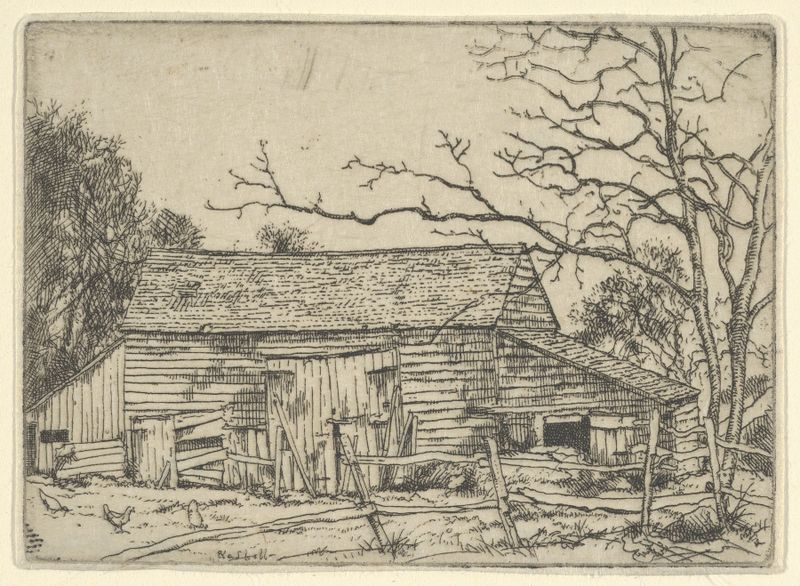
The Barn–Staten Island, N.Y.
Ernest Haskell

Four Live Oaks
Ernest Haskell
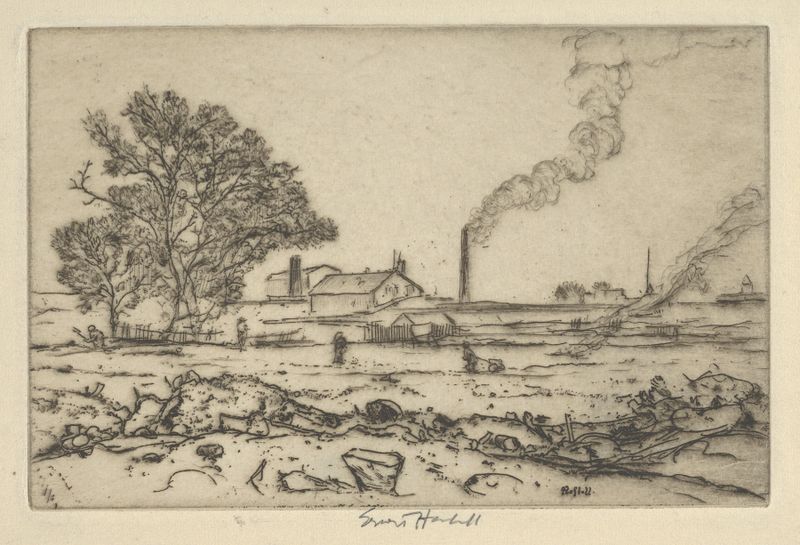
Outskirts of Boston
Ernest Haskell
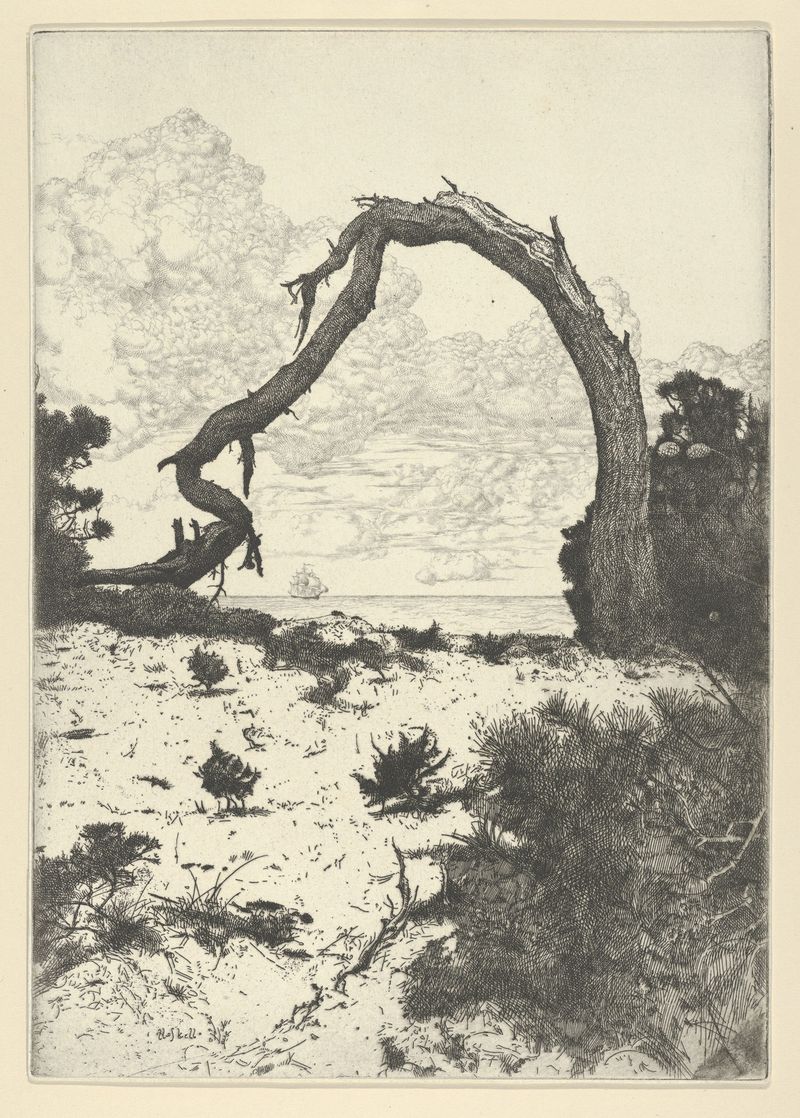
Pine Arch
Ernest Haskell

General Sherman
Ernest Haskell
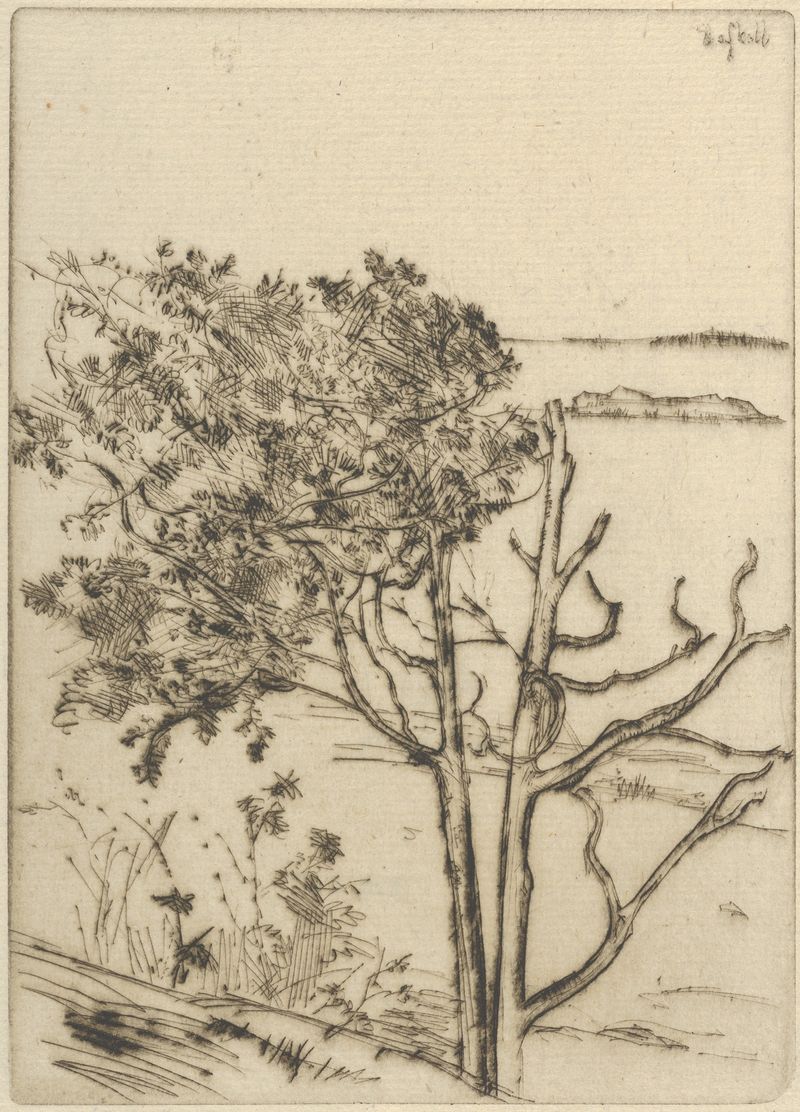
Ragged Tree – Maine
Ernest Haskell

Tide Mill
Ernest Haskell

Ship Building
Ernest Haskell
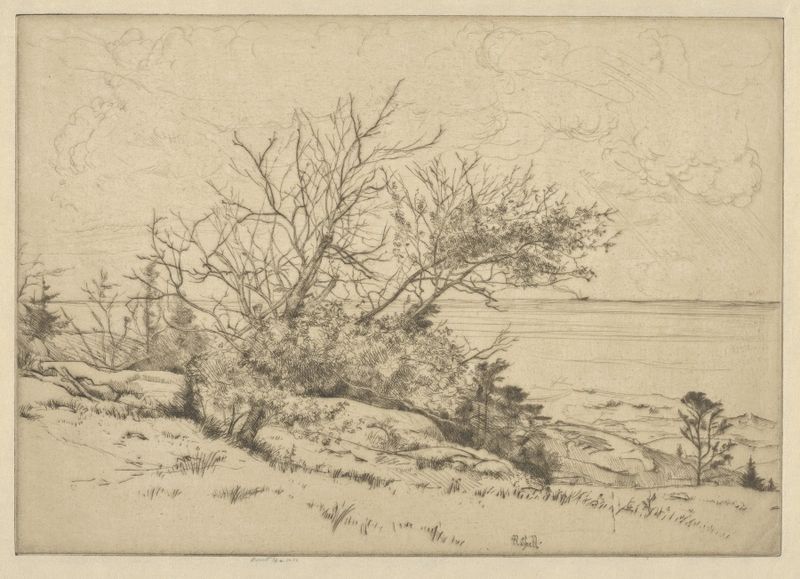
To the Southward – Ragged Island, Me.
Ernest Haskell
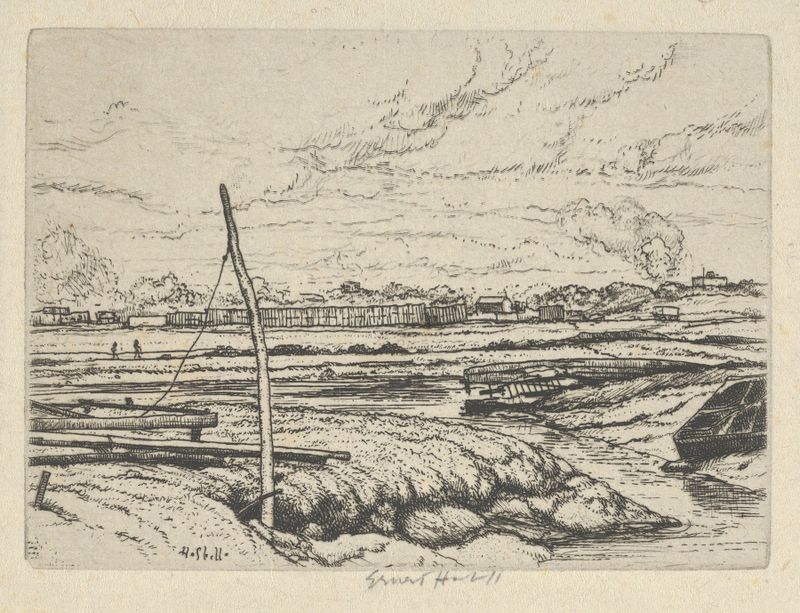
Long Island Marshes
Ernest Haskell