
Little Arroyo — History & Facts
In a world on the brink of revolution, colors collide and memories intertwine, revealing the fragility of both nature and humanity. Look to the foreground, where the delicate contours of the arroyo draw your eye into a lush tapestry of greens and browns. The interplay of light dances across the surface of the water, its shimmering reflection offering a momentary illusion of peace amidst the turbulence of change. Notice how the earthy palette evokes a sense of nostalgia, while the brushstrokes suggest a hurried yet intimate connection to the landscape, as if capturing a fleeting glimpse of tranquility before the storm. Beneath the surface, tension simmers between the natural beauty and the undercurrents of societal upheaval.
The gentle curves of the land contrast starkly with the looming shadows, hinting at the chaos that lurks just beyond the canvas. Each stroke carries a weight, weaving together memory and reality, celebrating the serenity of untouched nature while silently questioning its precarious future. In 1920, the artist found himself amidst a post-war society grappling with profound changes. Haskell painted Little Arroyo during a period when modernism was challenging traditional artistic conventions, and the world was in turmoil, recovering from the First World War.
His work reflects a search for solace in nature, an act of remembrance during a time when the human experience was in flux.
More Artworks by Ernest Haskell
Browse all →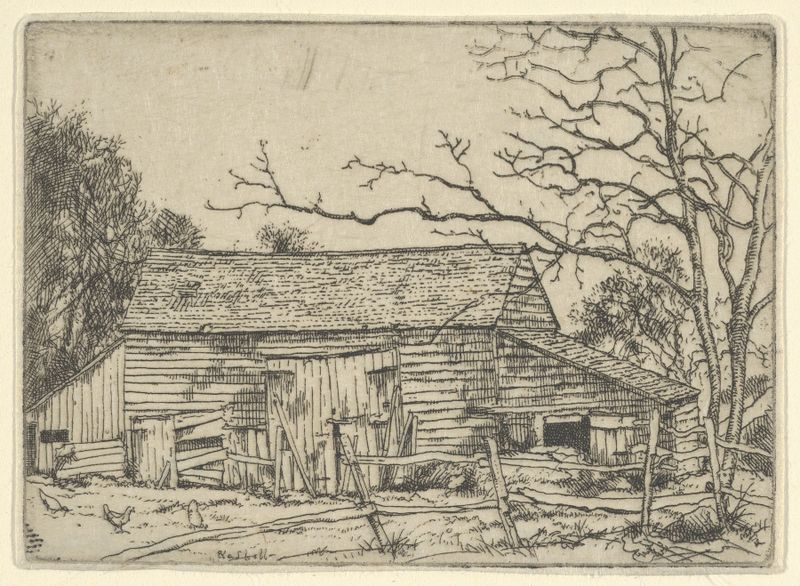
The Barn–Staten Island, N.Y.
Ernest Haskell

Four Live Oaks
Ernest Haskell
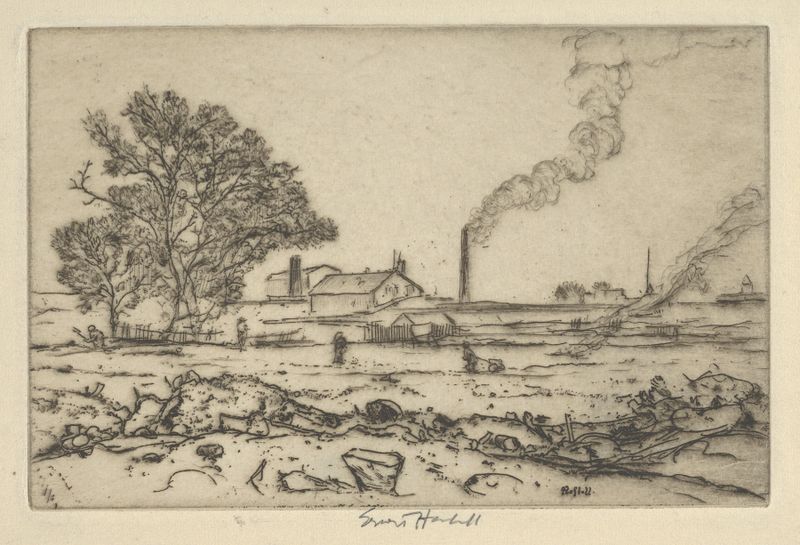
Outskirts of Boston
Ernest Haskell
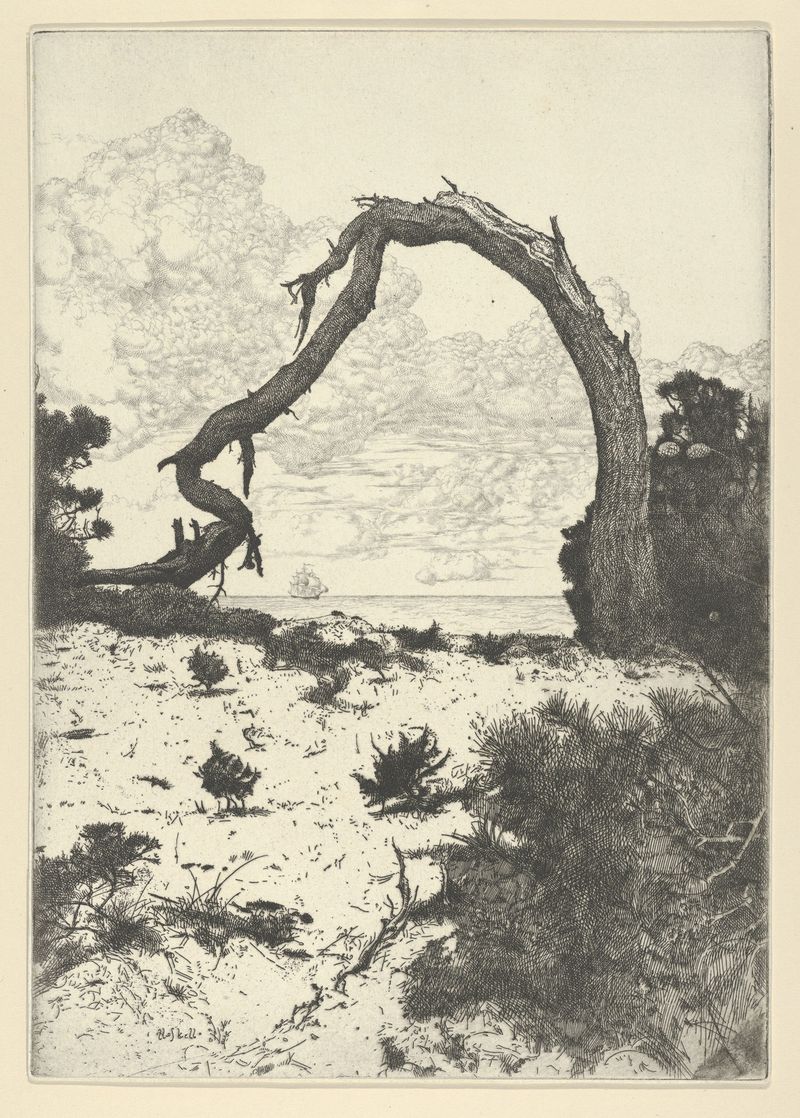
Pine Arch
Ernest Haskell

General Sherman
Ernest Haskell
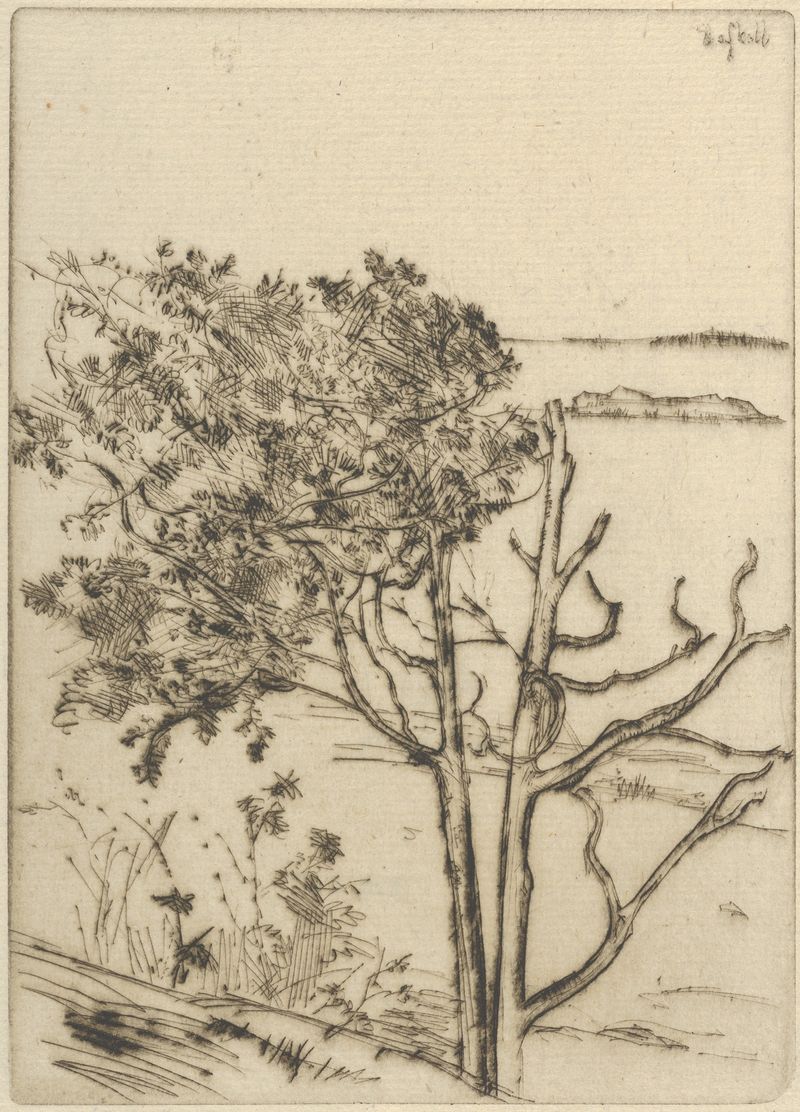
Ragged Tree – Maine
Ernest Haskell

Tide Mill
Ernest Haskell

Ship Building
Ernest Haskell
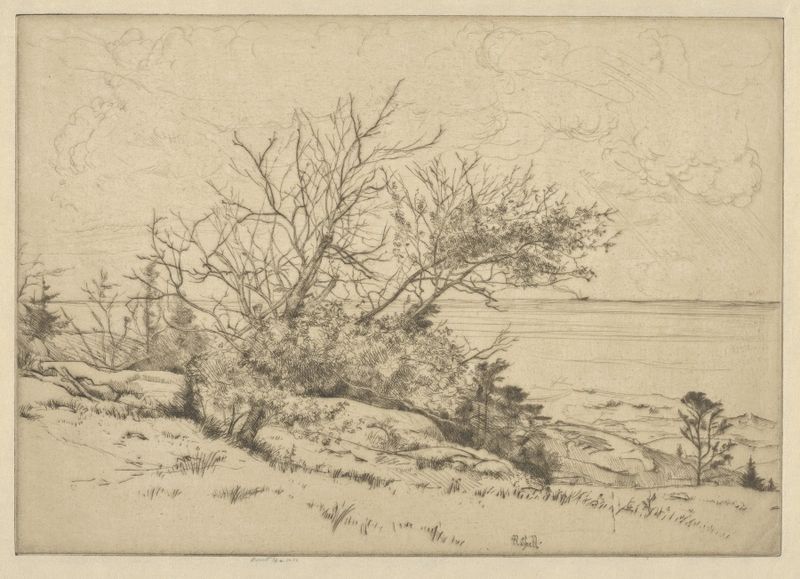
To the Southward – Ragged Island, Me.
Ernest Haskell
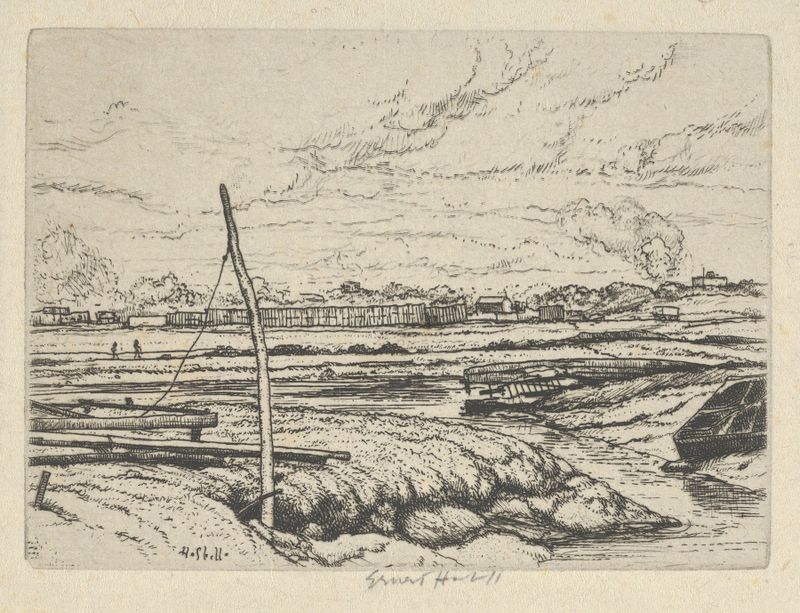
Long Island Marshes
Ernest Haskell





