
Little Pastoral — History & Facts
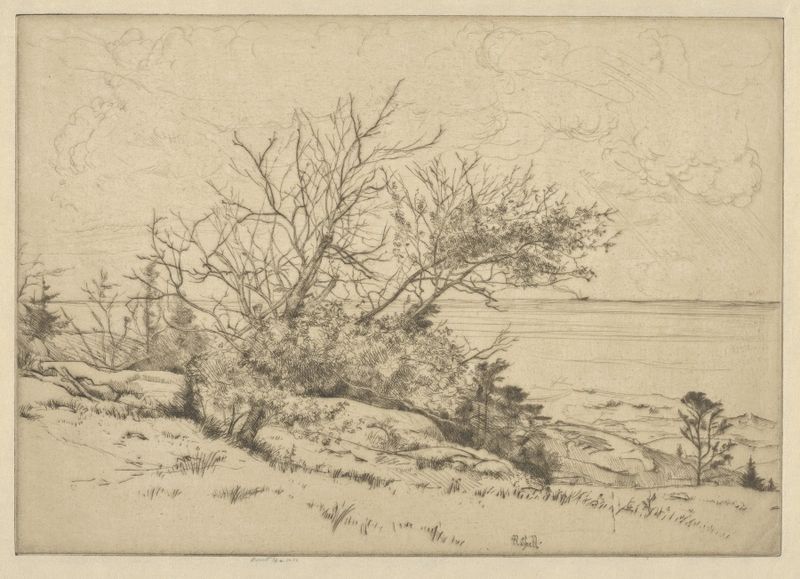
Could beauty survive in a century of chaos? In Little Pastoral, a hushed serenity envelops the viewer, inviting contemplation in a world that often feels fractured. The emptiness captured in this delicate scene serves as both a refuge and a reminder of the fragility of tranquility. Look to the center of the canvas, where a gentle curve of a landscape unfolds, framed by softly rendered trees. The palette, a blend of muted greens and warm earth tones, evokes a sense of warmth and stillness, while the light dances subtly across the surface, casting soft shadows that breathe life into the scene.
Notice how the horizon line whispers of distance, drawing your eye toward the tranquil expanse that feels both inviting and elusive. Amidst this serene tableau, one can sense an underlying tension—the quietude is shadowed by a feeling of isolation. The sparse elements hint at a deeper narrative, suggesting both a pastoral ideal and the growing emptiness of modern existence. Each brushstroke contributes to a harmonious yet haunting atmosphere, as if the landscape itself is mourning a lost connection to a simpler time. During the years between 1900 and 1925, the artist created Little Pastoral amid a rapidly changing world, marked by technological advancements and the aftermath of World War I.
Haskell’s work resonates with a desire to capture the beauty of nature even as society grappled with unrest and uncertainty, reflecting a personal quest for solace amidst the chaos of the era.
More Artworks by Ernest Haskell
Browse all →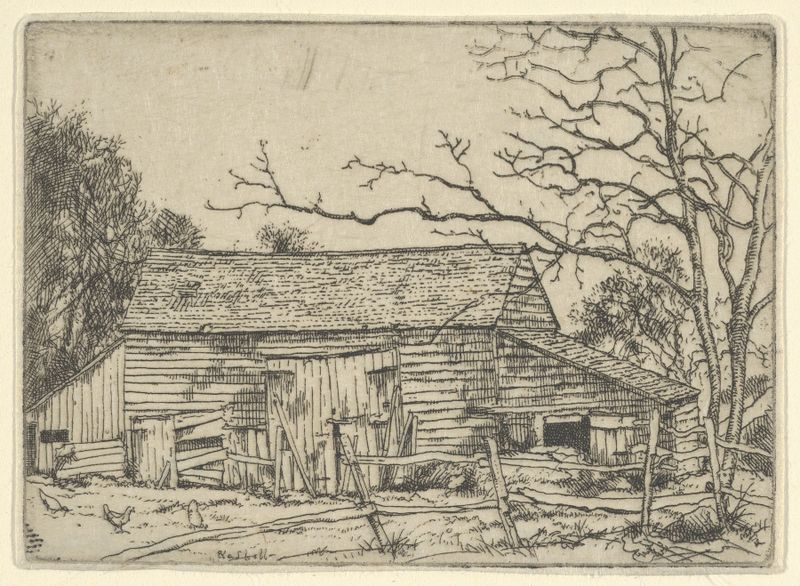
The Barn–Staten Island, N.Y.
Ernest Haskell

Four Live Oaks
Ernest Haskell
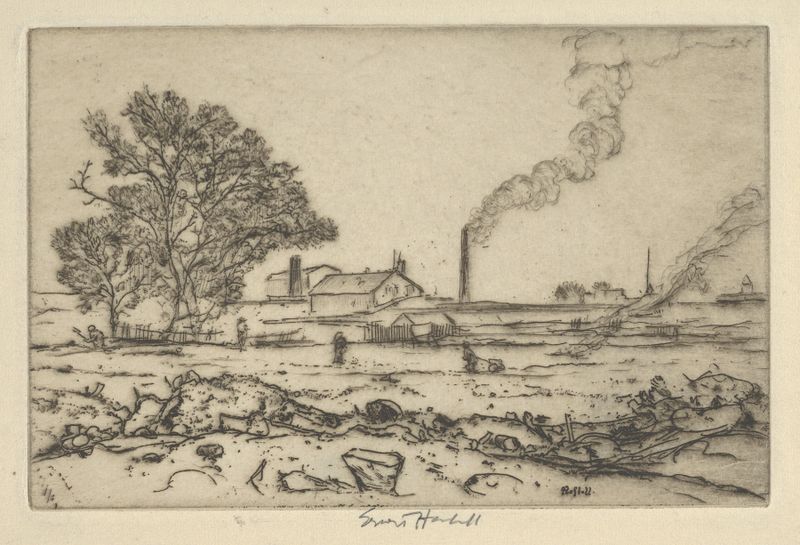
Outskirts of Boston
Ernest Haskell
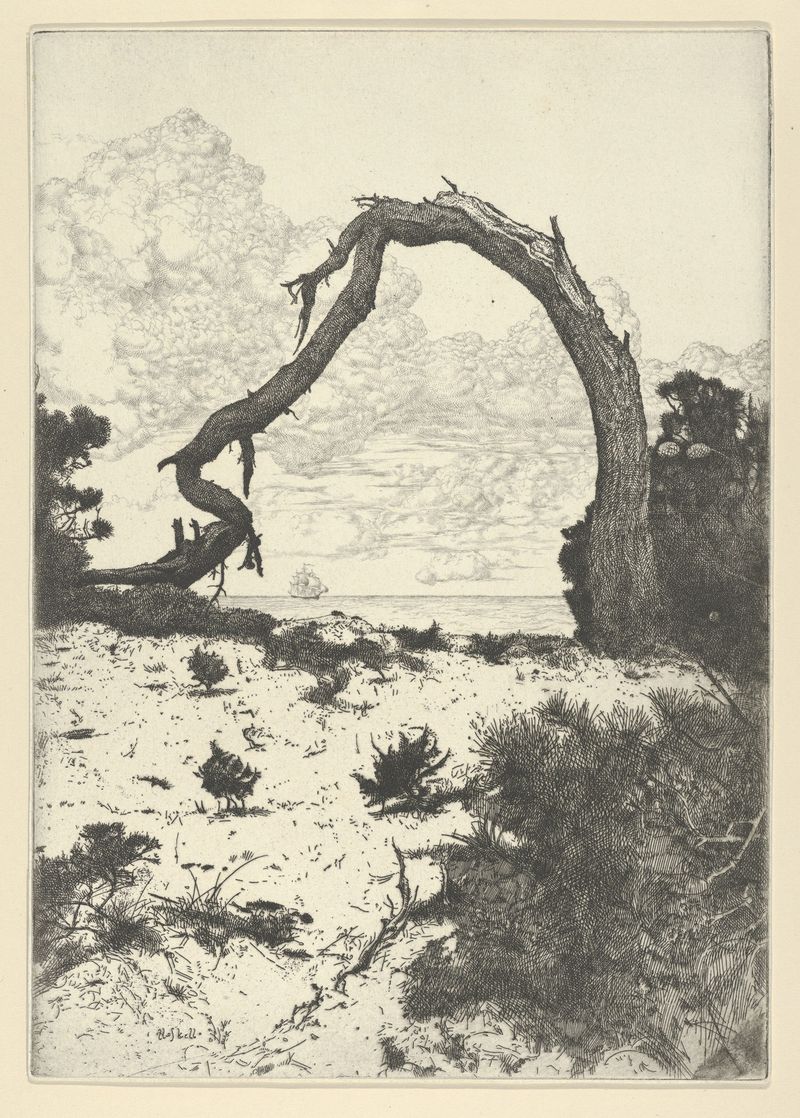
Pine Arch
Ernest Haskell

General Sherman
Ernest Haskell
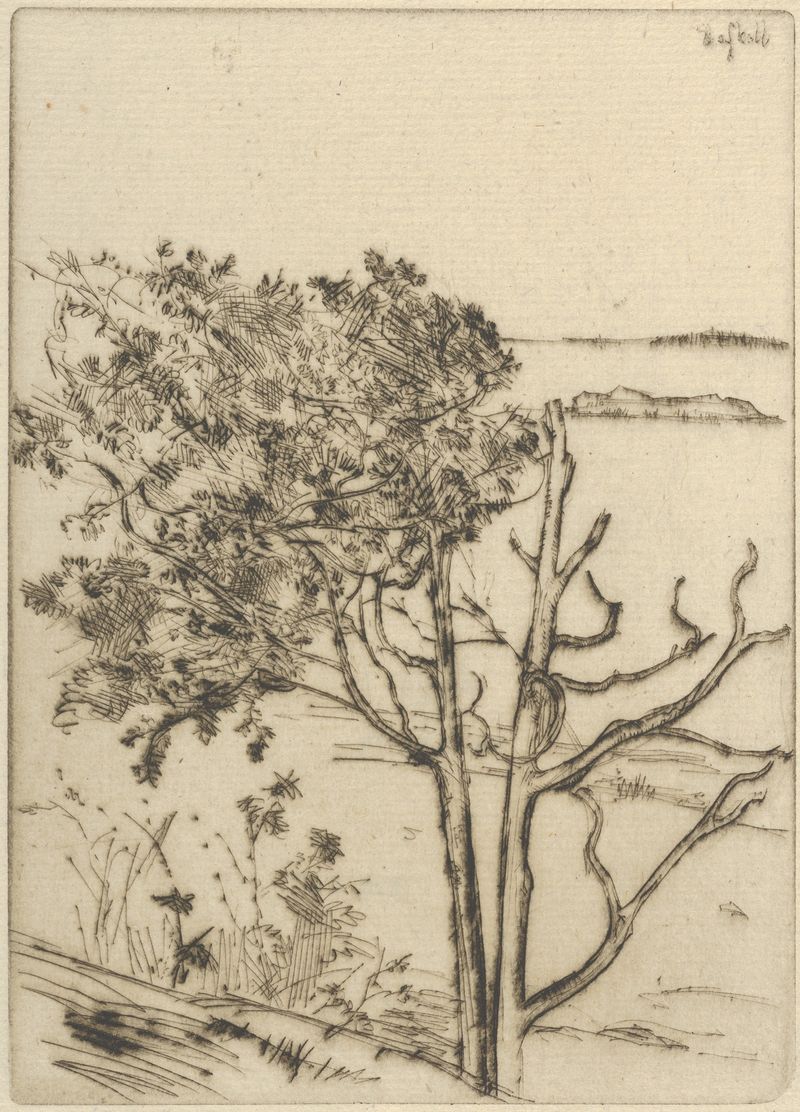
Ragged Tree – Maine
Ernest Haskell

Tide Mill
Ernest Haskell

Ship Building
Ernest Haskell
To the Southward – Ragged Island, Me.
Ernest Haskell
Long Island Marshes
Ernest Haskell





