
Little Salute — History & Facts
Can paint confess what words never could? In Little Salute, desire unfurls quietly, whispering through brushstrokes and color, evoking emotions that linger beyond spoken language. Look to the left at the subtle interplay of shadows and light. The painter’s deft hand brings the figure to life, capturing a moment of grace frozen in time. Rich hues of blue and amber create a warm yet enigmatic atmosphere, while the delicate positioning of the hands suggests an unspoken connection.
The elegant curve of the subject’s posture draws the viewer in, inviting contemplation of their thoughts and feelings, as if the canvas breathes with their silent hopes. Beneath the surface, the painting throbs with emotional undertones. The contrast between the figure’s tranquil demeanor and the vibrant background hints at an internal struggle, a yearning that is both tender and profound. This tension is accentuated by the almost ghostly quality of the figure—set against a backdrop that seems to shimmer with possibility, it speaks to the fragility of desire and the transient nature of human connection. During the years 1879–80, Whistler was deeply engaged in his work in London, pushing the limits of color and form.
This period marked a time of artistic exploration, as he sought to convey emotion through innovative techniques, moving away from narrative-driven painting. Whistler's focus on aesthetic beauty and the essence of moments would be a defining trait in his oeuvre, reflecting both personal longing and the broader currents of modern art.
More Artworks by James Abbott McNeill Whistler
Browse all →
Nocturne in Blue and Silver
James Abbott McNeill Whistler
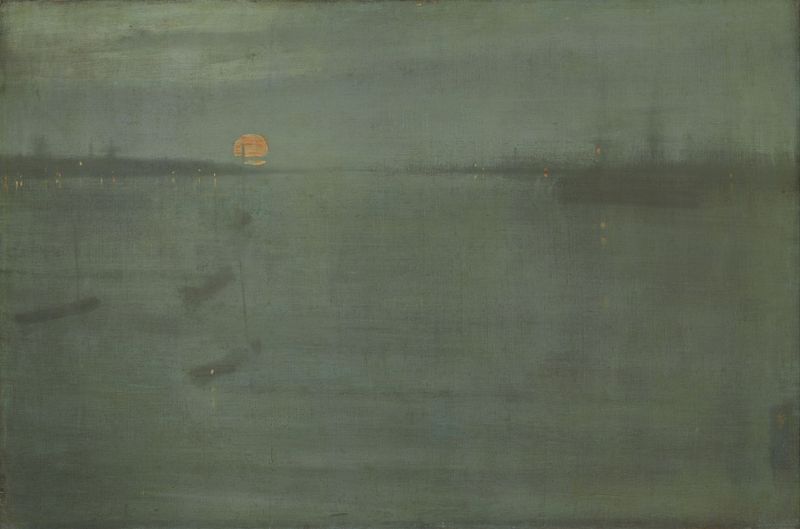
Nocturne: Blue and Gold–Southampton Water
James Abbott McNeill Whistler
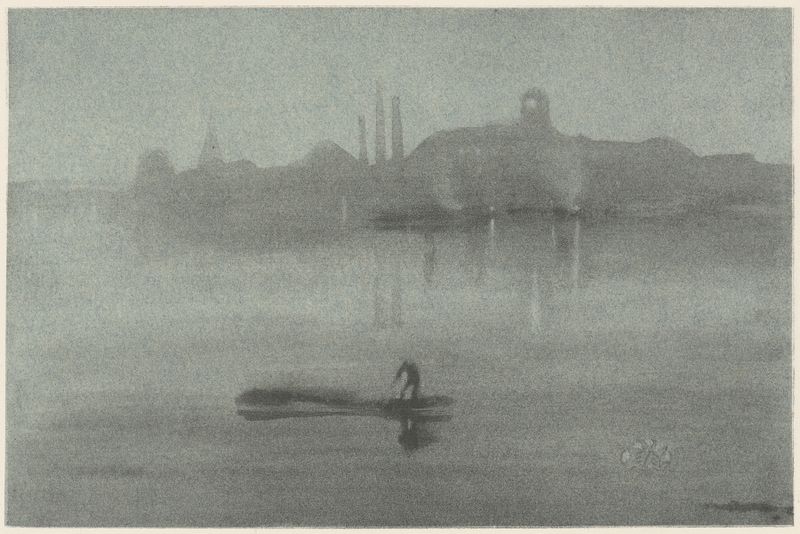
Nocturne
James Abbott McNeill Whistler
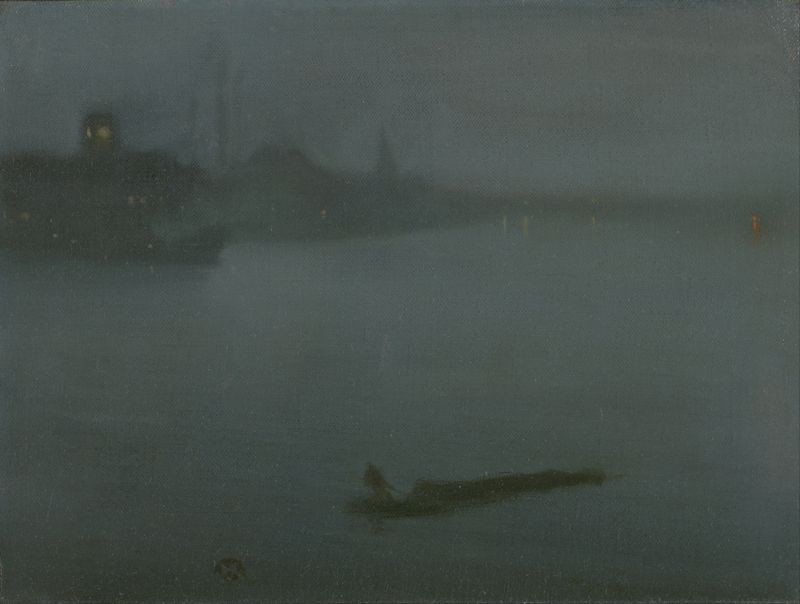
Nocturne in Blue and Silver
James Abbott McNeill Whistler
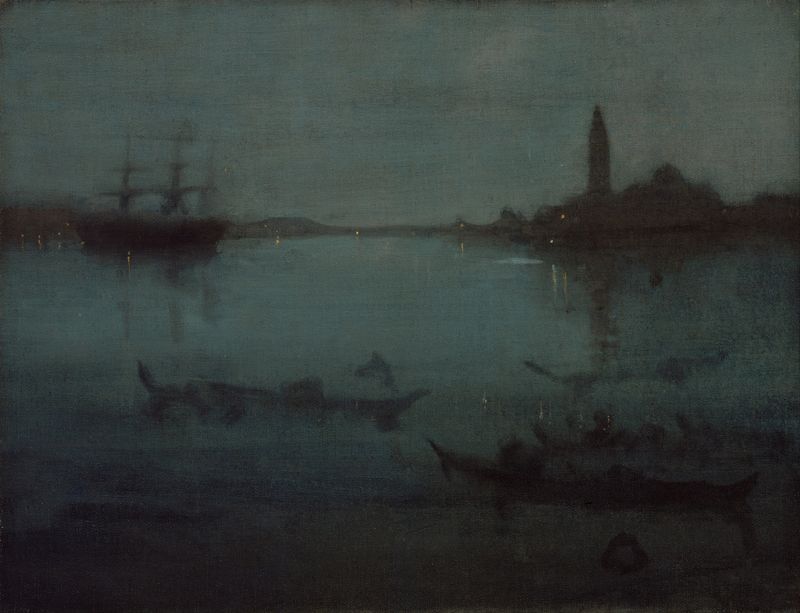
Nocturne in Blue and Silver- The Lagoon, Venice
James Abbott McNeill Whistler
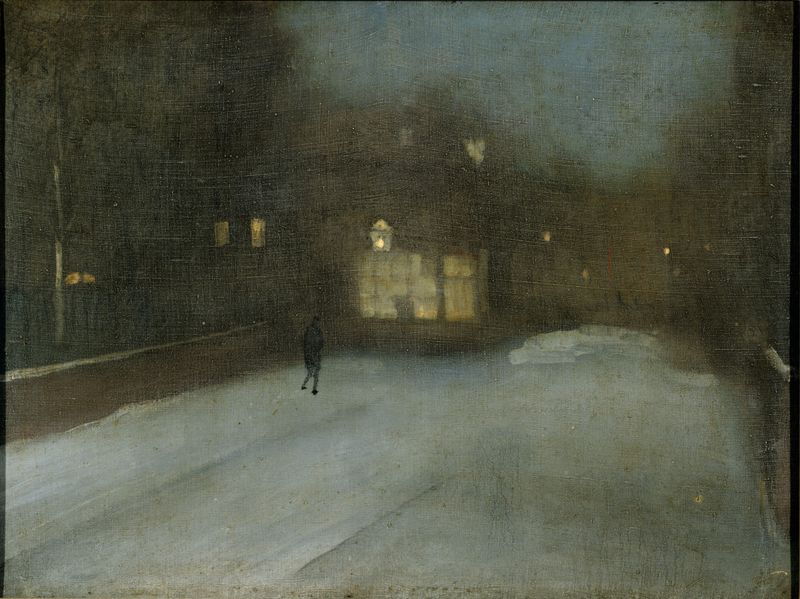
Nocturne in Grey and Gold: Chelsea Snow
James Abbott McNeill Whistler
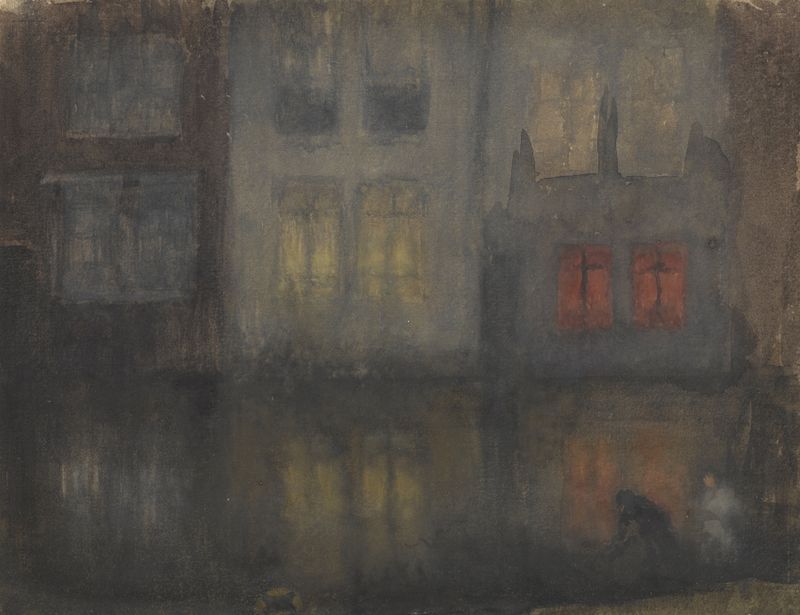
Nocturne: Black and Red—Back Canal, Holland
James Abbott McNeill Whistler
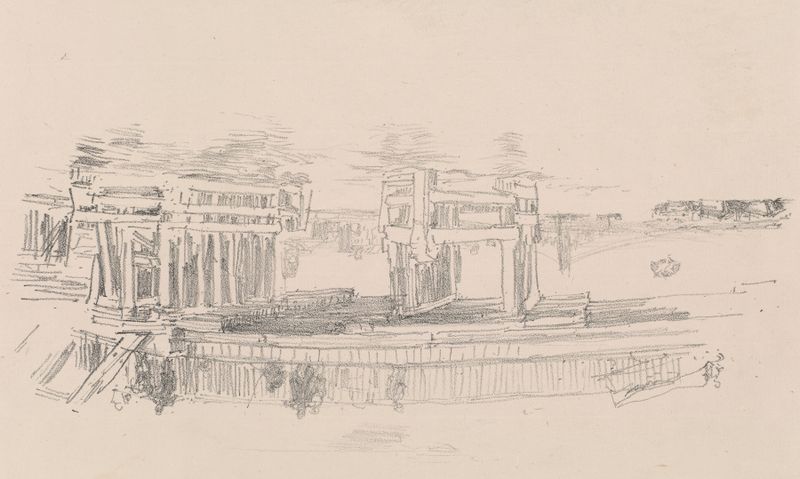
Old Battersea Bridge
James Abbott McNeill Whistler

Nocturne: Blue and Silver–Battersea Reach
James Abbott McNeill Whistler
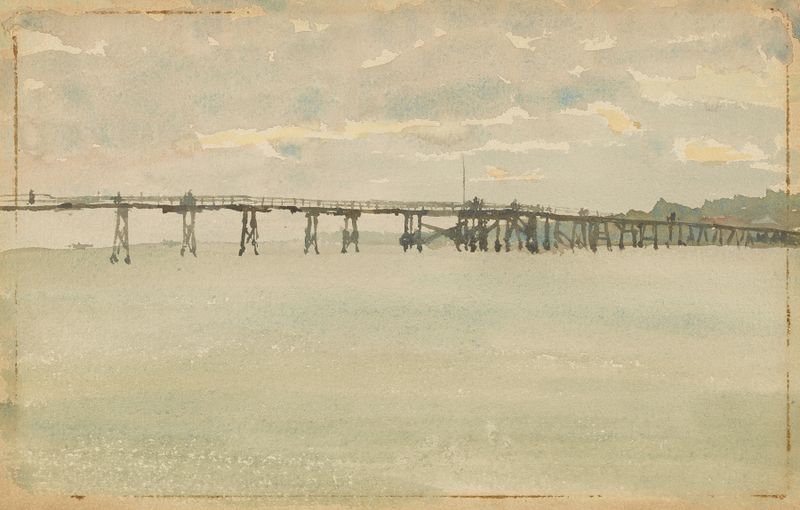
Grey and Silver–Pier, Southend
James Abbott McNeill Whistler
More Portrait Art
Browse all →
Las meninas
Diego Velázquez

Self-portrait with a Bandaged Ear and Pipe
Unidentified artist

Girl with a Pearl Earring
Johannes Vermeer

The Sampling Officials of the Amsterdam Drapers’ Guild, Known as ‘The Syndics’
Rembrandt van Rijn

The Hundred Guilder Print: the man seen on the back in the lower left corner
Rembrandt van Rijn

Portrait of Dr Gachet
Vincent van Gogh