
Live Oak Shadows — History & Facts
What if silence could speak through light? In Live Oak Shadows, the interplay of shade and illumination whispers tales of faith, solitude, and the deep connection between nature and the human spirit. Look to the left at the towering oak, its gnarled limbs stretching outward, inviting you to explore its protective embrace. Notice how the intricate patterns of light and shadow create a mosaic on the ground, each patch telling a story of movement and stillness. The muted greens and browns breathe life into the scene, while the soft highlights evoke a tranquil atmosphere, drawing you deeper into this serene moment. Beneath the expansive canopy, the contrast between light and shade suggests a journey—an exploration of faith amid uncertainty.
The delicate dappled light filtering through the leaves mirrors the search for clarity in the spiritual realm, while the shadows evoke a sense of introspection and contemplation. Here lies a quiet tension, a reminder that both light and darkness coexist, shaping our experiences and beliefs. Ernest Haskell painted Live Oak Shadows between 1900 and 1925, during a time when American artists were beginning to embrace the beauty of the natural world. Living in Massachusetts, Haskell was influenced by the burgeoning Arts and Crafts movement, which emphasized craftsmanship and a deep connection to nature.
This period of his life was marked by a commitment to capturing the essence of the American landscape, reflecting both the serenity and complexity found within.
More Artworks by Ernest Haskell
Browse all →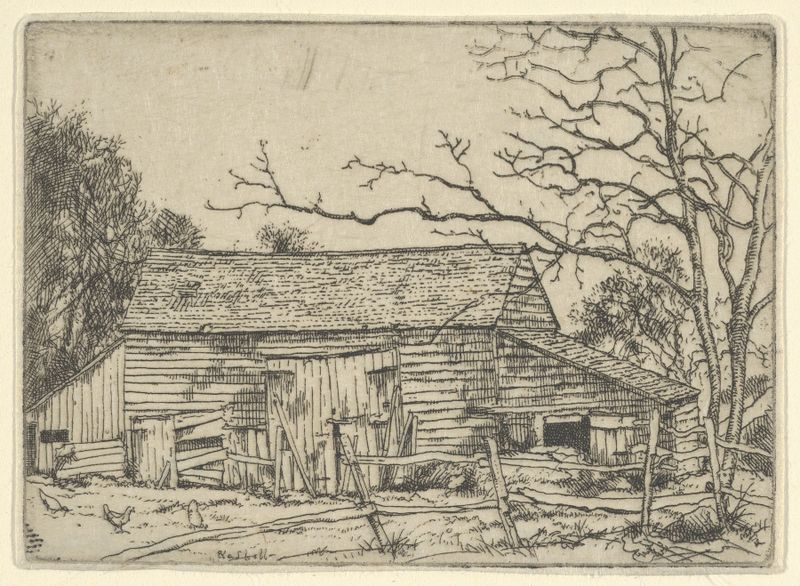
The Barn–Staten Island, N.Y.
Ernest Haskell

Four Live Oaks
Ernest Haskell
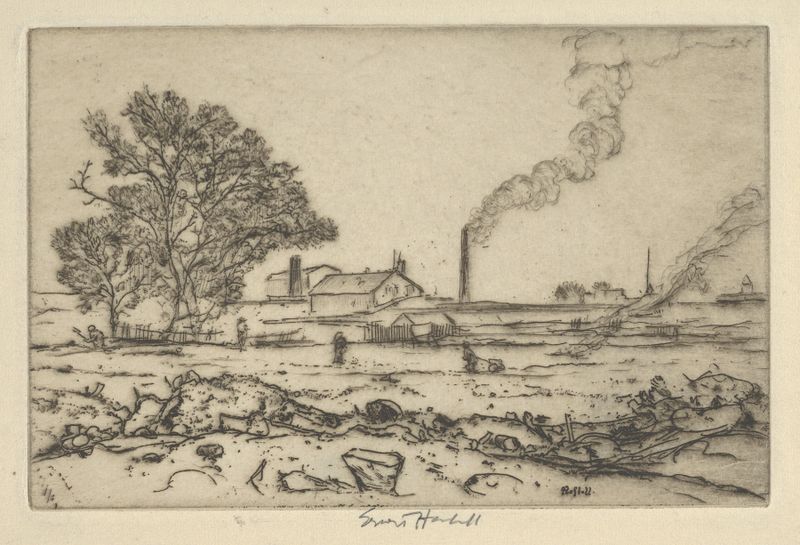
Outskirts of Boston
Ernest Haskell
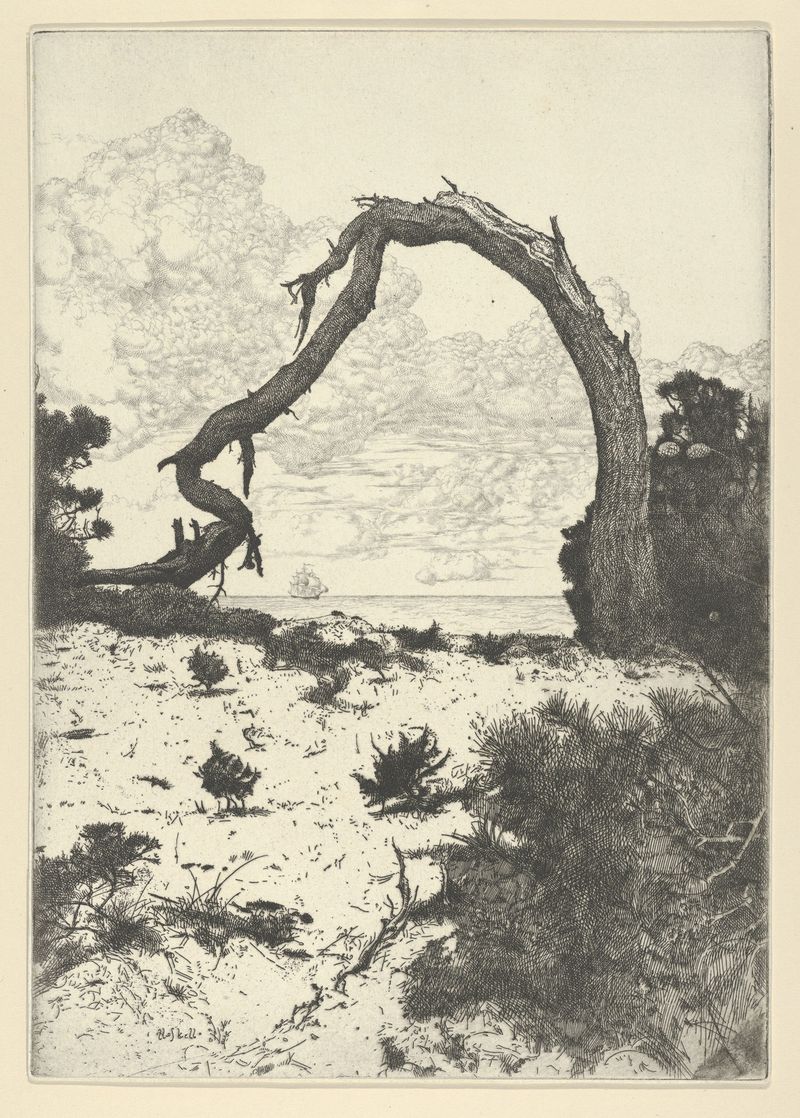
Pine Arch
Ernest Haskell

General Sherman
Ernest Haskell
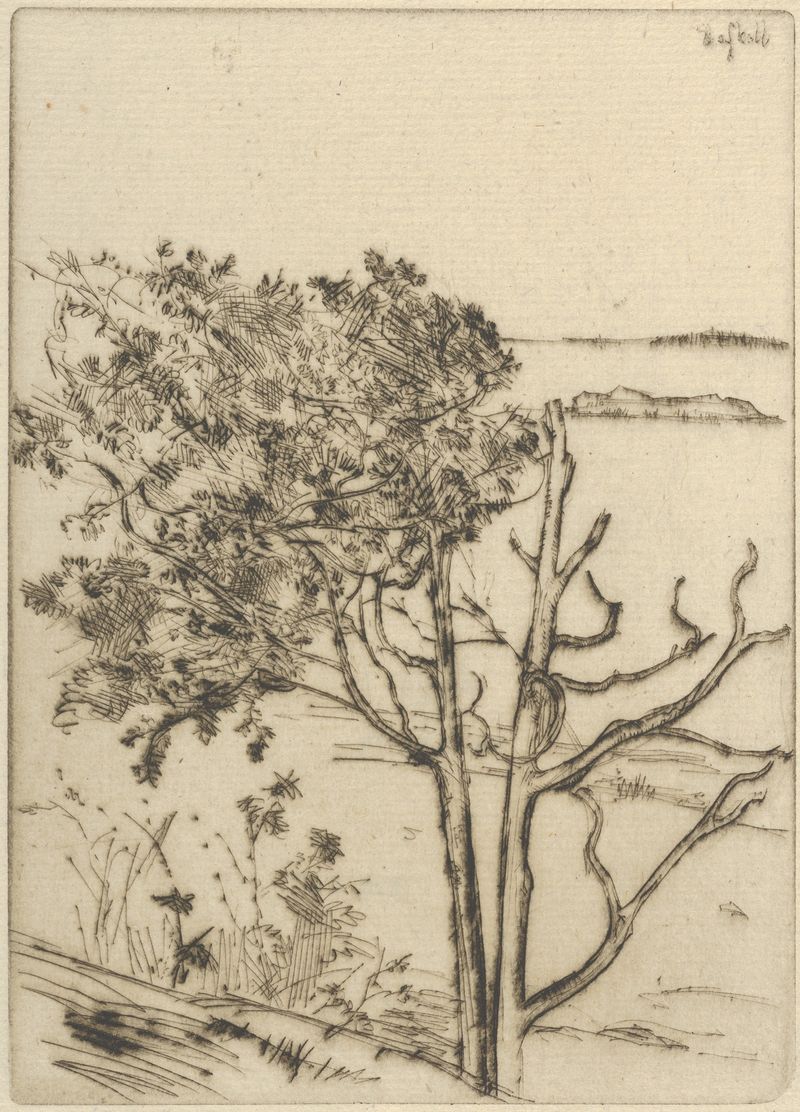
Ragged Tree – Maine
Ernest Haskell

Tide Mill
Ernest Haskell

Ship Building
Ernest Haskell
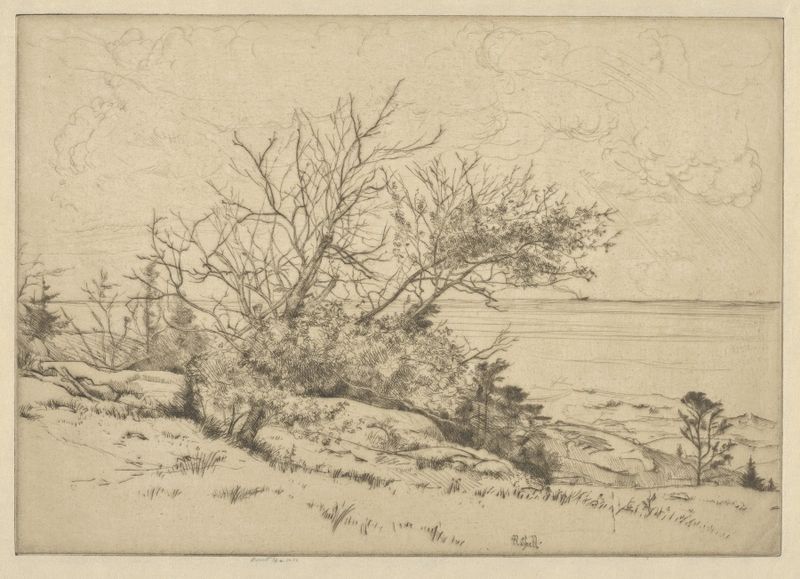
To the Southward – Ragged Island, Me.
Ernest Haskell
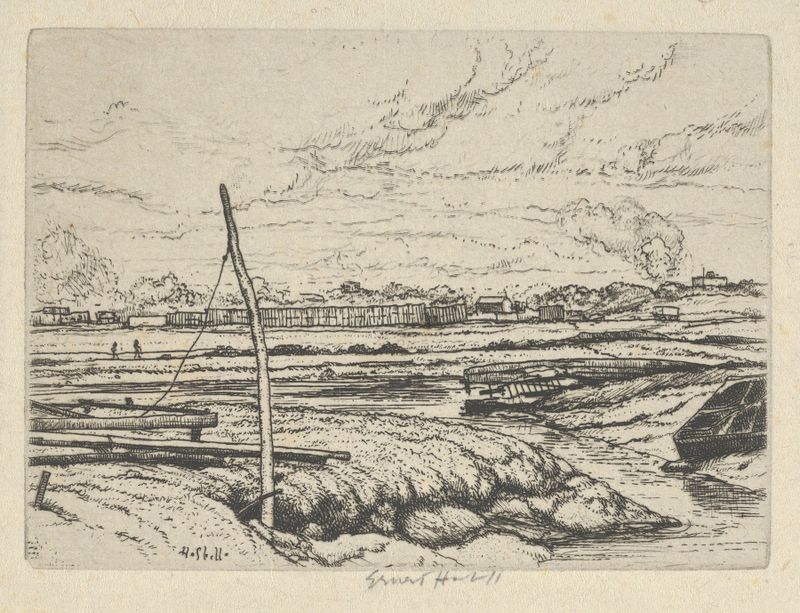
Long Island Marshes
Ernest Haskell





