
Lüneburger Heide — History & Facts
Can paint confess what words never could? In Lüneburger Heide, the essence of rebirth unfolds across a tapestry of muted greens and soft lilacs, evoking the silent yet profound vitality of nature’s cycle. Look to the center of the canvas where delicate heather blooms stretch forward, their subtle hues inviting the viewer's gaze. Notice how the gentle brushstrokes create a textured landscape that ebbs and flows, guiding the eye through the soft undulations of the heath. The light, cascading down from an unseen sun, infuses the scene with a tranquil glow that highlights the delicate balance between life and dormancy. As you explore the edges of the painting, discover the contrast between the vibrant flora and the somber, earthy tones surrounding them.
This juxtaposition suggests a fleeting moment of awakening amidst the remnants of winter's grasp, embodying the promise of spring. Each flower, with its fragile beauty, serves as a poignant reminder of resilience and renewal, whispering stories of survival in the quietude of the heath. In 1937, while residing in Germany, Otto Modersohn captured this evocative landscape during a time of personal reflection and societal change. As a pivotal figure in the expressionist movement, he sought to communicate the deep emotional resonance of nature, reflecting a period of introspection following the tumultuous aftermath of World War I.
This work encapsulates both his artistic evolution and the enduring spirit of the natural world.
More Artworks by Otto Modersohn
Browse all →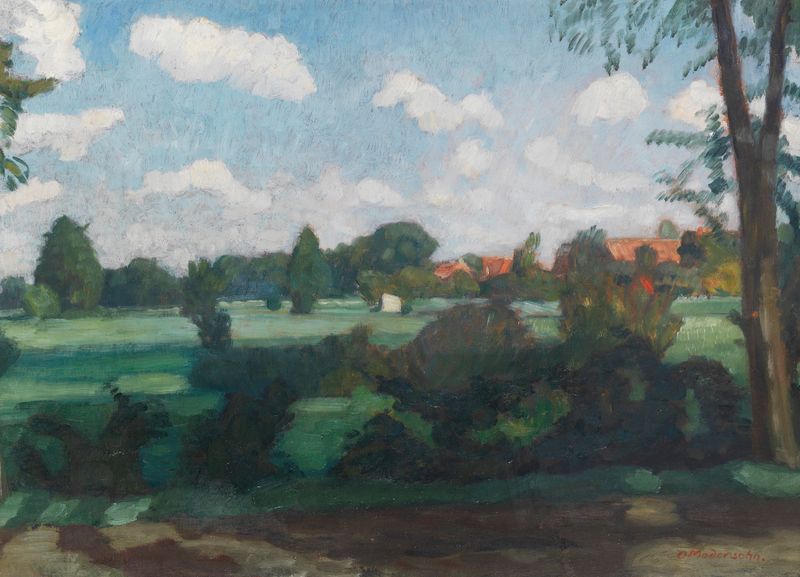
Sommerliche Wiesen bei Fischerhude
Otto Modersohn
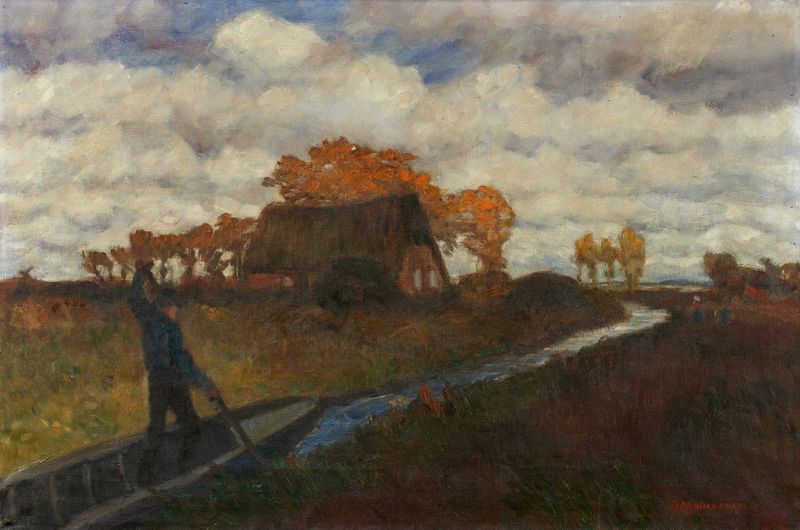
Herbstwetter
Otto Modersohn
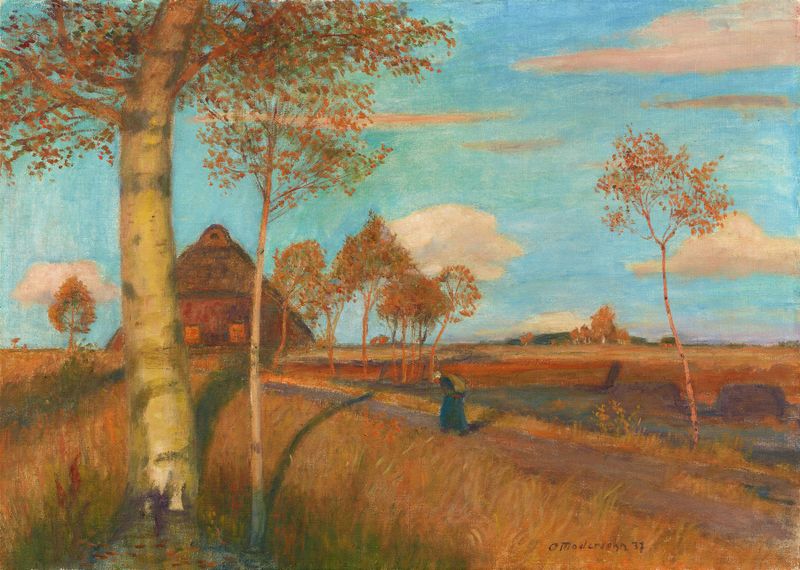
Abendsonne im Moor
Otto Modersohn
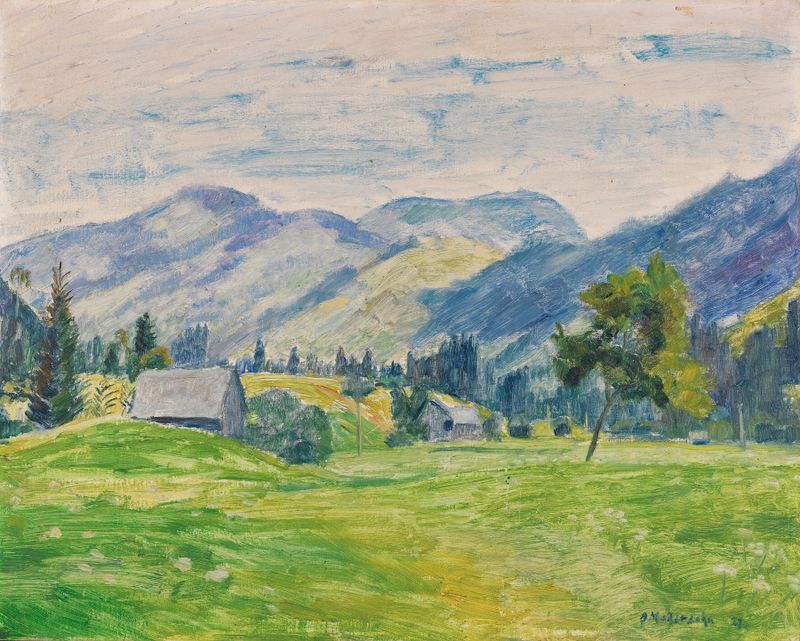
Lichter Sommertag im Allgäu (Unterjoch bei Hindelang)
Otto Modersohn
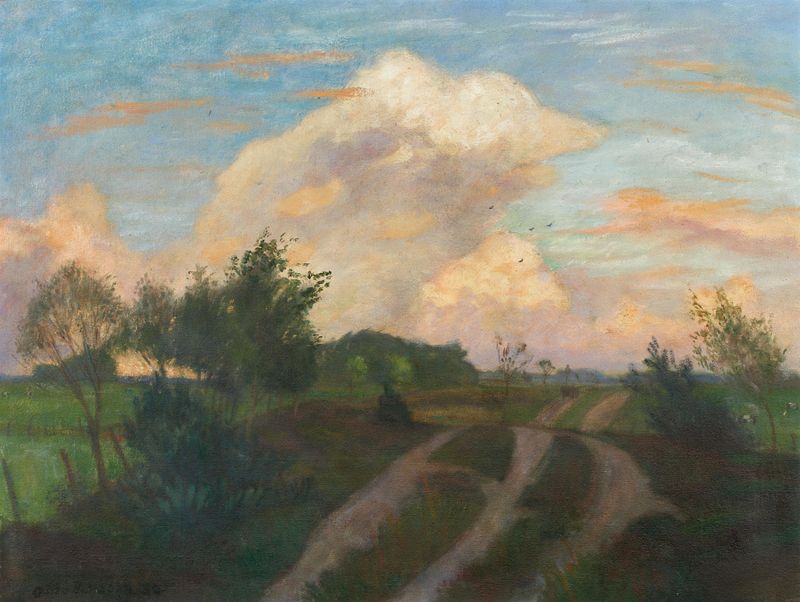
Sommerabend in der Surheide
Otto Modersohn
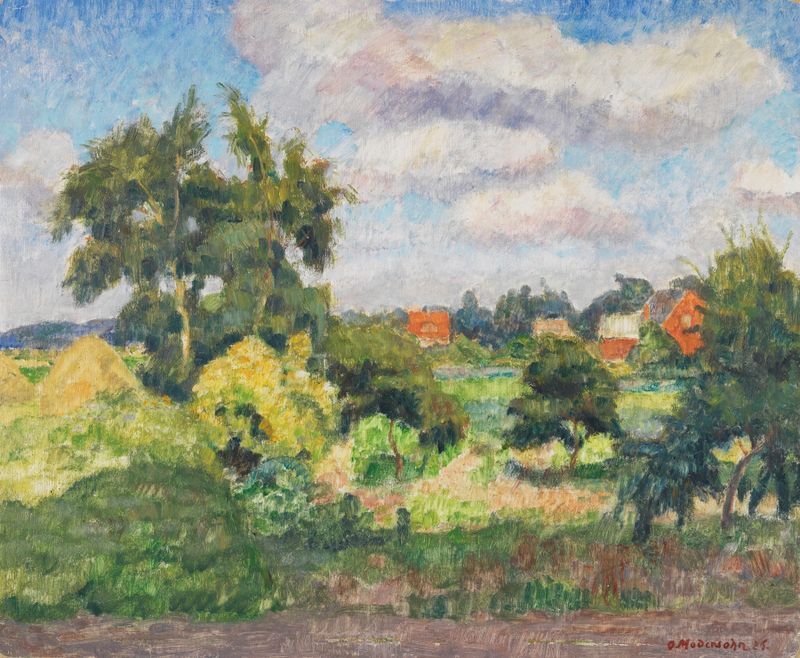
Sommertag in den Feldern bei Fischerhude
Otto Modersohn
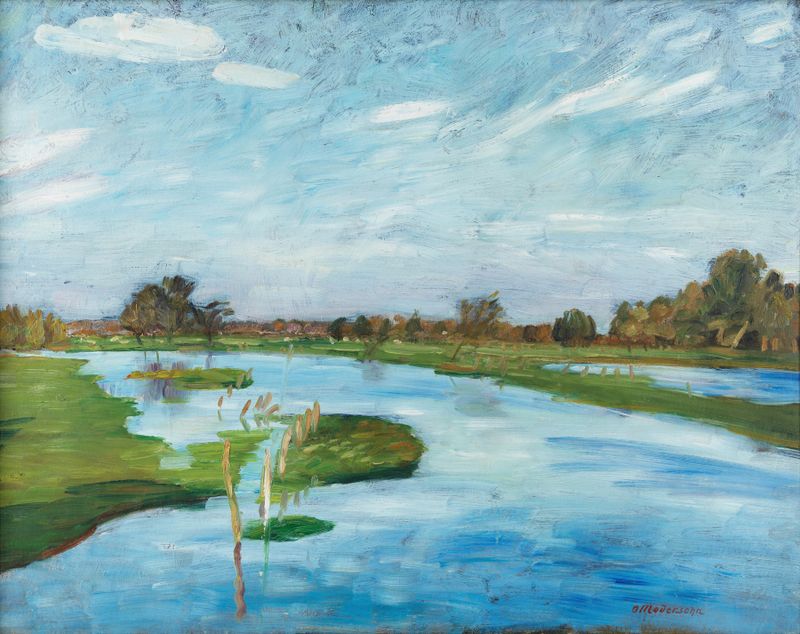
Überschwemmte Wümmewiesen
Otto Modersohn
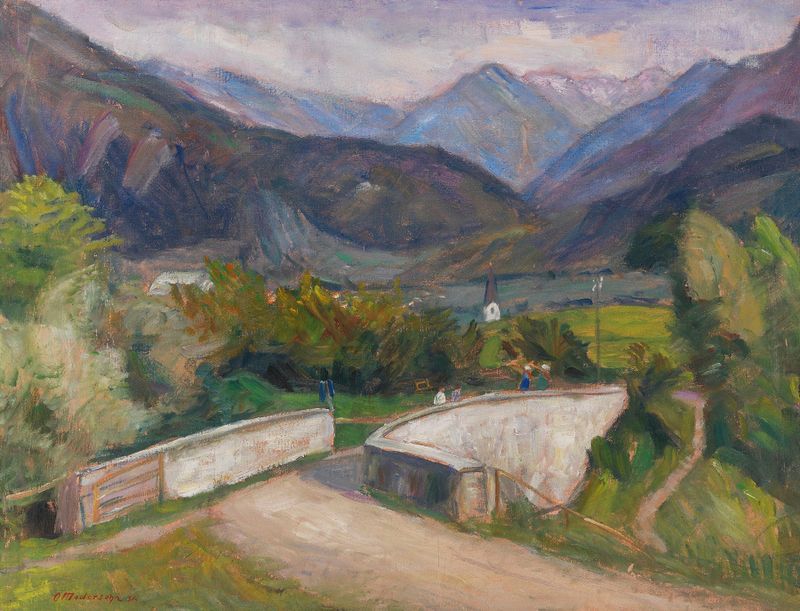
Zillenbachbrücke (Weg nach Gailenberg oberhalb von Hindelang im Allgäu)
Otto Modersohn
Winterabend, Fischerhuder Kirche mit Heimathaus
Otto Modersohn

Frühling
Otto Modersohn





