Loguivy — History & Facts
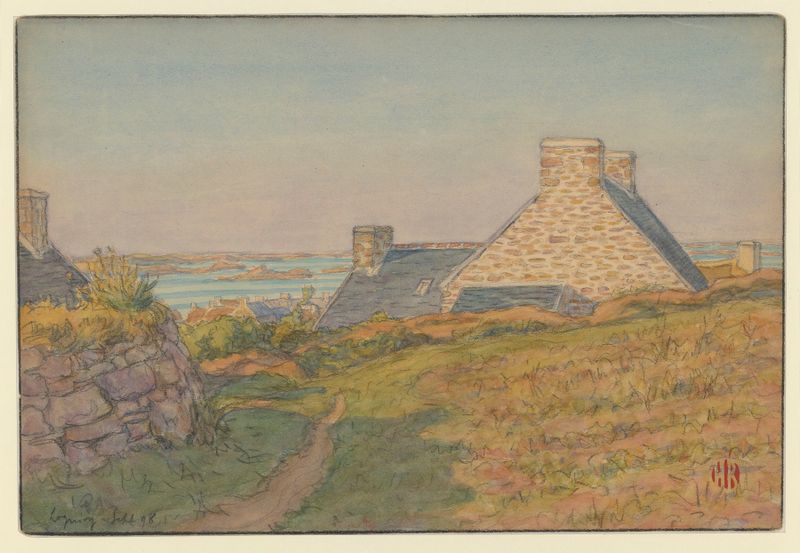
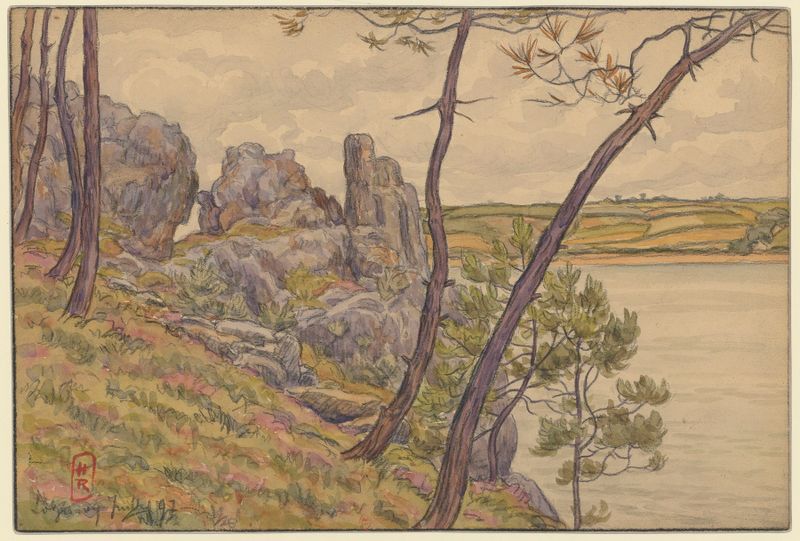
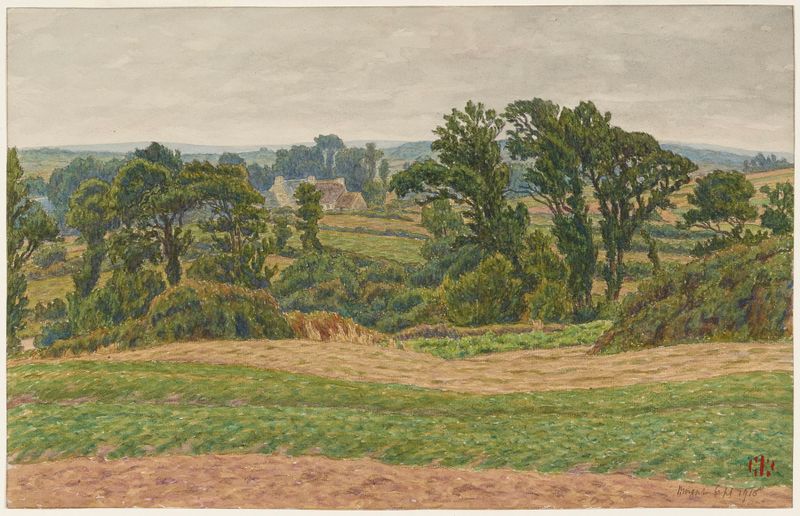
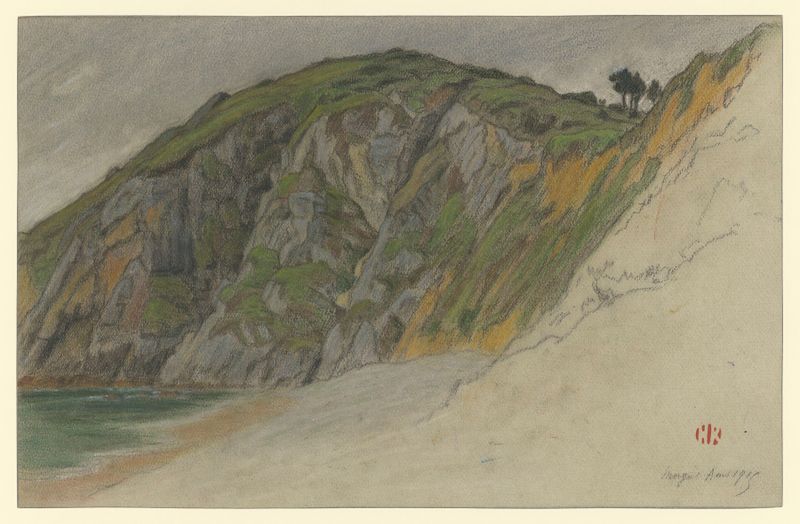
In Loguivy, shadows don’t merely linger—they dance, whispering secrets of time and place. They beckon the viewer to explore the depth of memory etched into each hue and form, revealing the poignant interplay between light and darkness. Look to the foreground, where the tranquil water holds a mirror to the sky, reflecting a symphony of blues interrupted by delicate strokes of white. Notice how the soft, muted palette creates a serene atmosphere, guiding your gaze towards the distant boats that seem to float effortlessly.
The artist's deft use of light illuminates the rocky shoreline, casting elongated shadows that stretch towards the horizon, suggesting a world both tangible and ethereal. Within this calm landscape lies an emotional tension; the shadows speak of absence and nostalgia, invoking a sense of longing for moments passed. The convergence of water and land creates a delicate balance, hinting at the fragility of life and memory. Each detail—a fleeting cloud, the subtle rippling of the water—carries weight, reminding us that time, much like light, is ever-changing, leaving traces that haunt our present. Henri Rivière painted Loguivy in 1899 while living in France, during a period marked by an artistic movement that sought to capture the fleeting beauty of nature.
This was a time when the Impressionists were reshaping the art world, emphasizing light and color over rigid forms. Rivière, influenced by his contemporaries, embraced these principles while infusing his work with a unique sensibility, exploring the depths of shadow and memory.