Loguivy — History & Facts
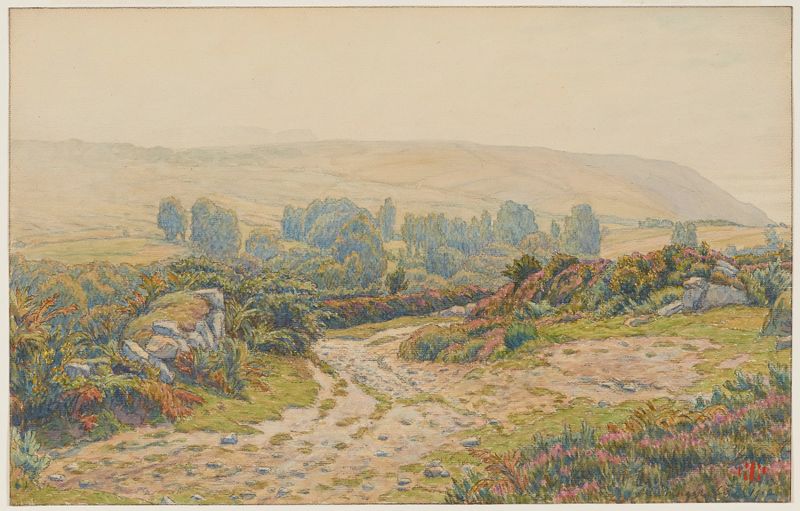
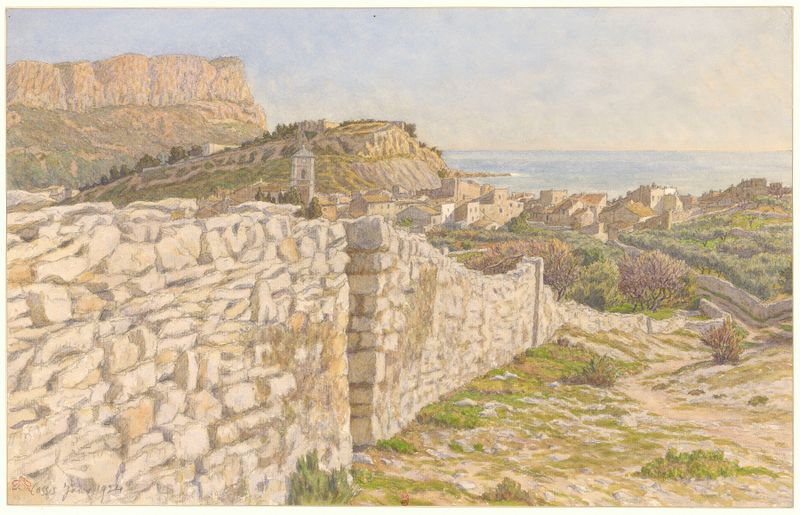
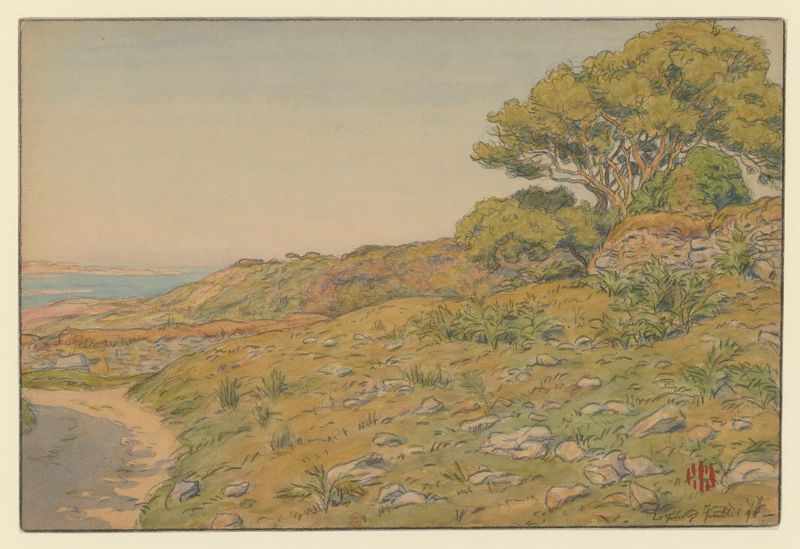
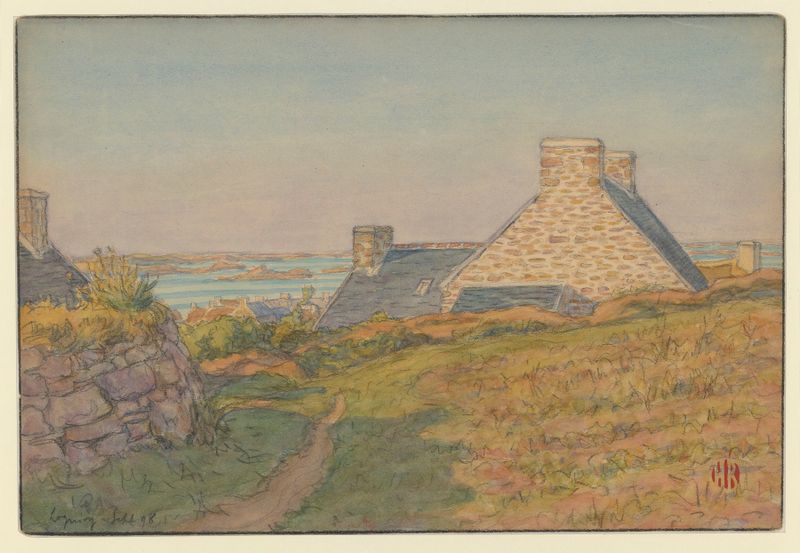
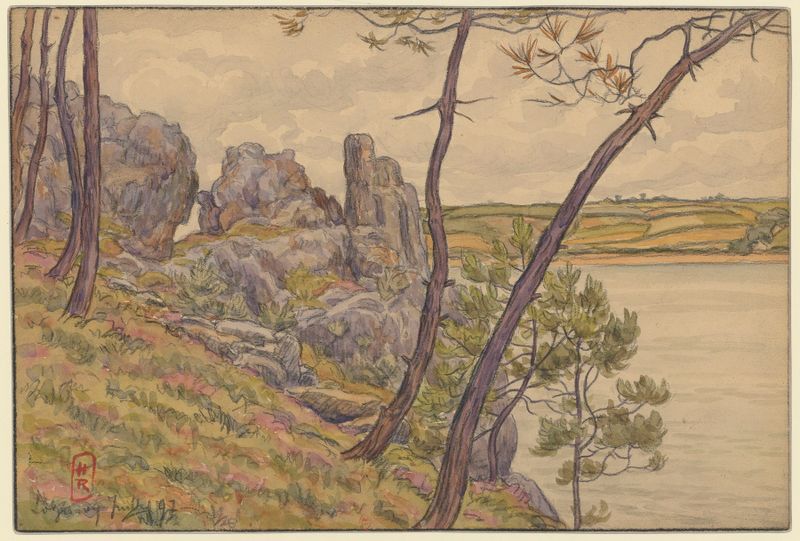
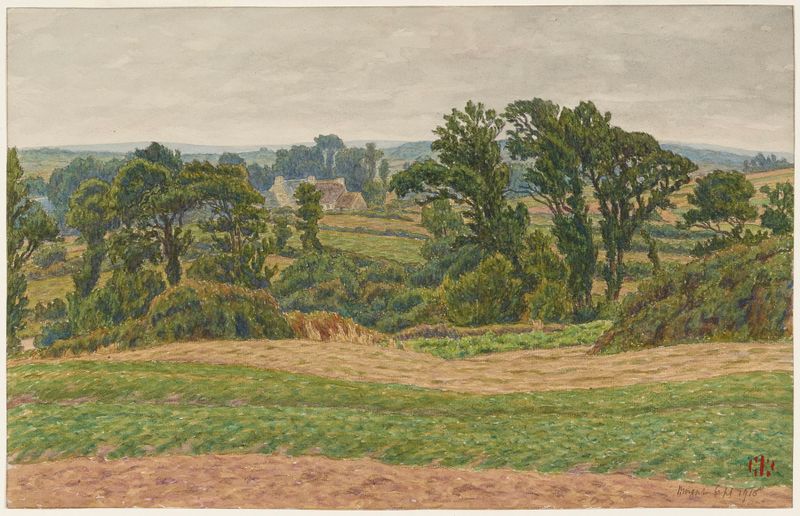
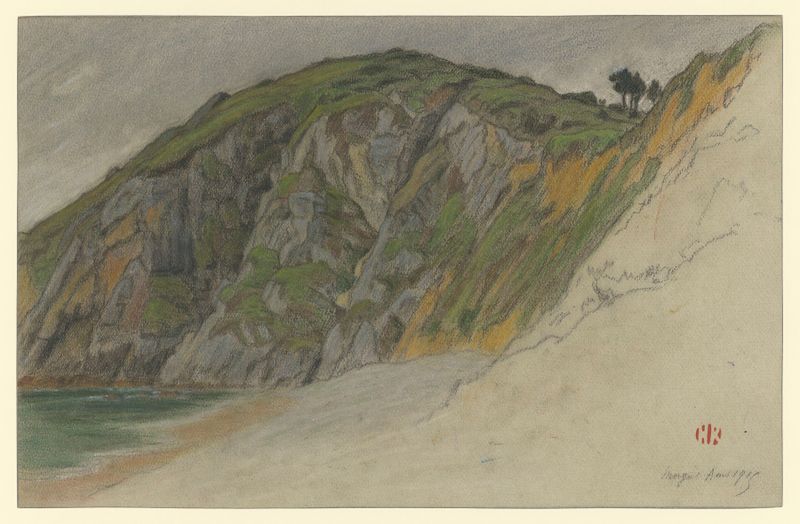
What does it mean to capture a moment in time, to find balance in chaos? In Loguivy, the essence of stillness amidst the tumultuous dance of nature and humanity is revealed, inviting us to delve deeper into its harmonious composition. Look to the center of the canvas, where the gentle curve of the coastline meets the horizon. Notice how the delicate interplay of light and shadow creates a soft glow, illuminating the scene with a tranquil radiance. The muted palette, dominated by earthy tones of greens and browns, draws your eye to the subtle textures of the landscape, each stroke meticulously applied.
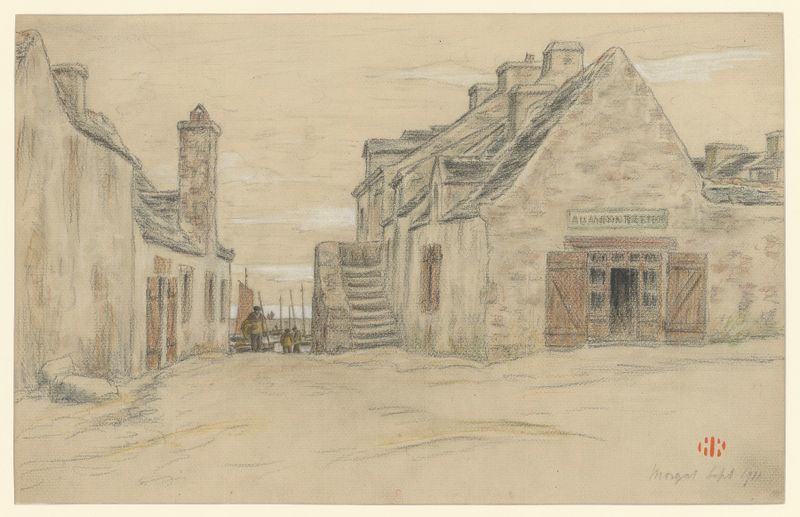
The arrangement of forms leads the viewer through the landscape, inviting exploration into the serene depths of this coastal vista. Within this tranquil setting lies the tension of balance, as nature’s wildness meets human presence. The distant boats, almost imperceptibly small, serve as a reminder of humanity's fragility against the vastness of the sea. The waves, depicted with rhythmic strokes, whisper secrets of the tides, evoking both solace and an underlying restlessness.
In this juxtaposition, Rivière conveys the dualities of existence—calm and chaos, permanence and transience. In 1902, Henri Rivière was deeply engaged in the Symbolist movement, creating works that married the emotional depth of nature with a sense of reality. Painted in the coastal town of Loguivy, this piece reflects his desire to portray landscapes that evoke feeling and contemplation. This was a period when artists sought to break away from traditional representation, favoring instead the lyrical and the evocative.