Loguivy — History & Facts
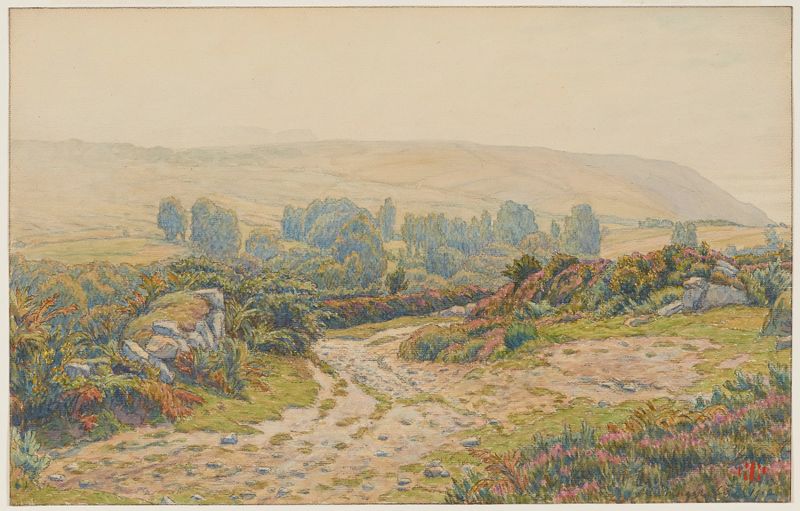
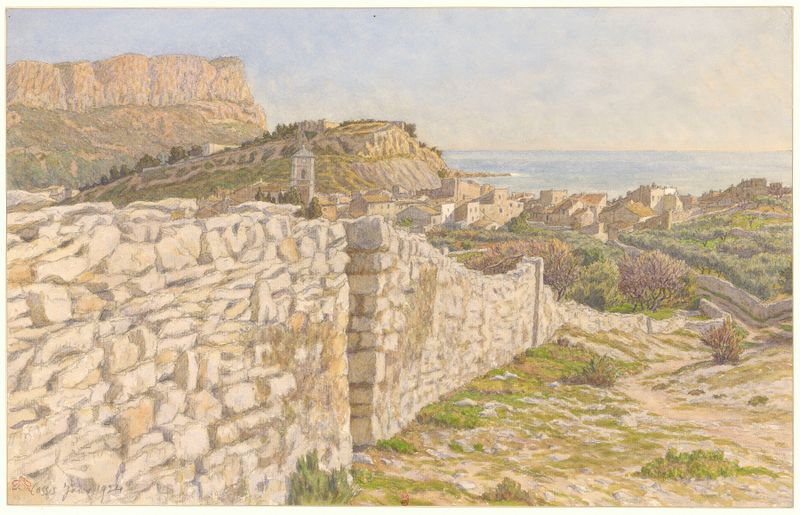
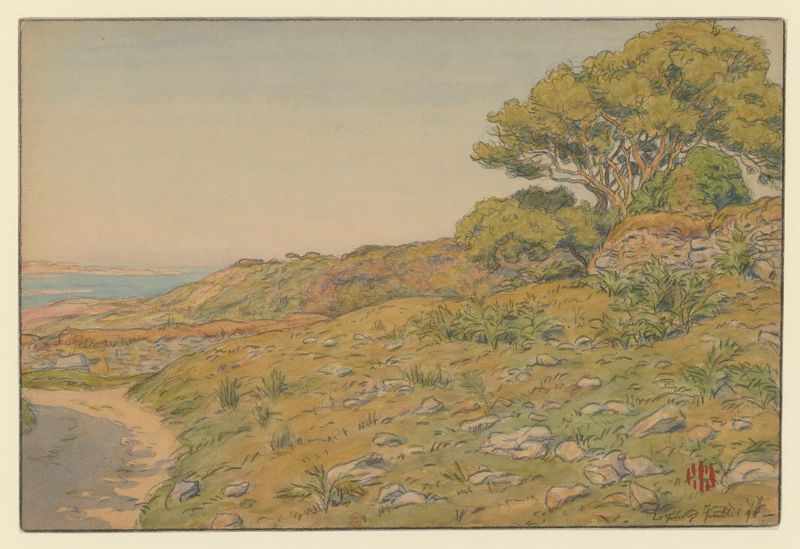
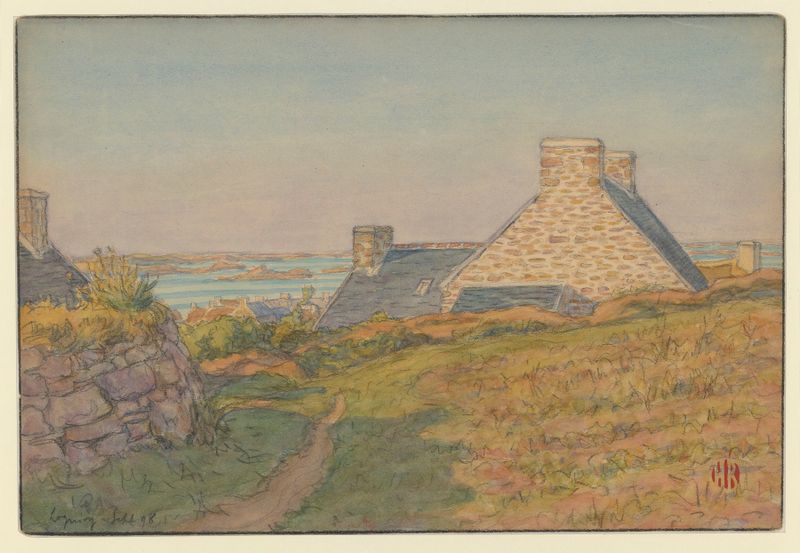
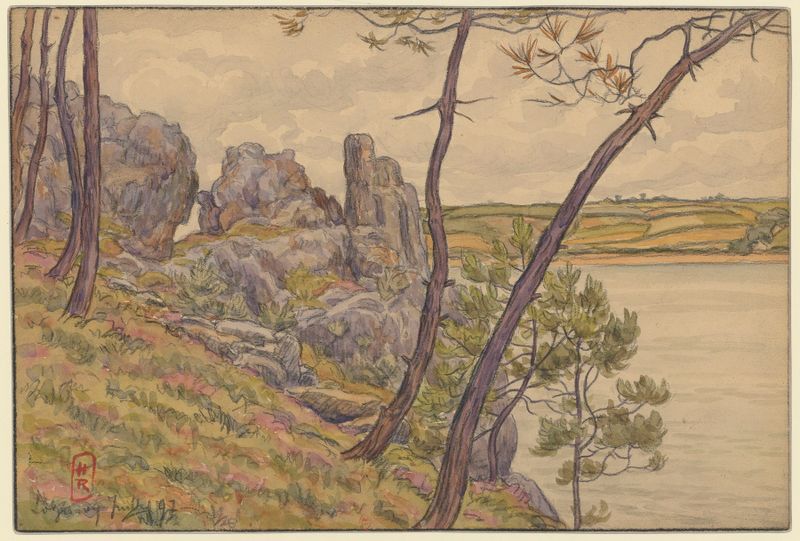
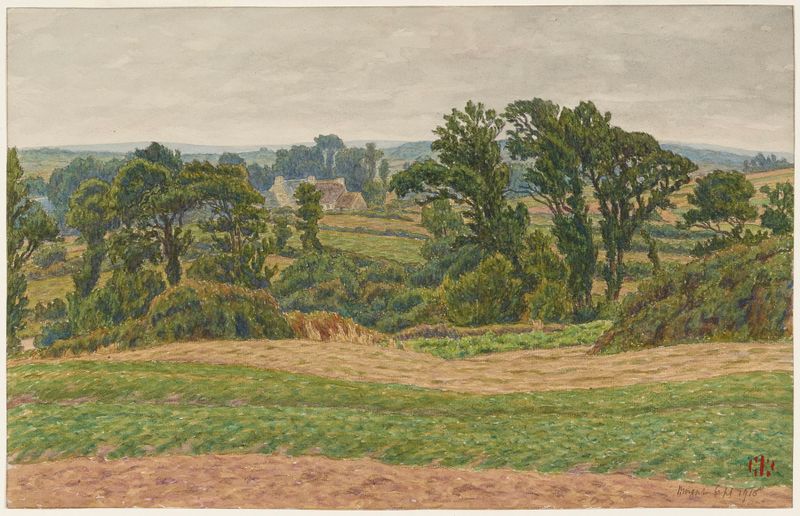
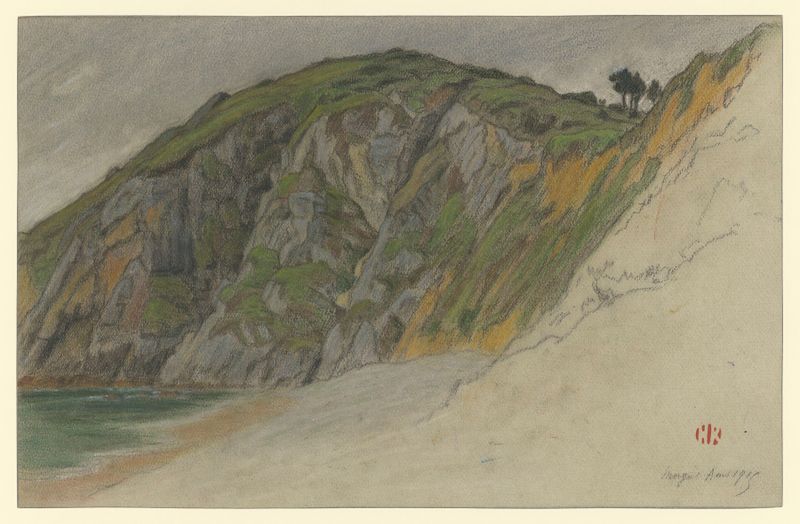
In Loguivy, the artist reveals the void that lies beneath a radiant surface, inviting us to explore the delicate tension between allure and absence. Look to the swirling forms in the foreground, where lush golds and deep blues collide in an intricate dance. Notice the rhythmic brushstrokes that suggest movement, beckoning the viewer’s gaze around the canvas. The composition invites a sense of fluidity, drawing the eye towards the horizon, where light glimmers softly on an unseen sea.
The juxtaposition of light and shadow amplifies the emotional weight, hinting at both vibrancy and solitude. Within this artwork, moments of contrast emerge—between the warmth of the golden hues and the coolness lurking beneath. Each stroke carries a whisper of longing, an echo of what once was or might never be. The void, while absent, speaks volumes; it is both a refuge and a reminder of fragility in beauty, embodying the complexity of human experience. Created in 1899, this piece reflects Rivière's exploration of color and form during a period when he sought to convey deeper emotions through landscapes.
Living in Paris, he was influenced by the Symbolist movement, which emphasized the emotional over the literal, allowing him to create atmospheres rich in both tension and beauty. This was a time of artistic experimentation, as he sought to bridge the gap between representation and abstraction.