Loguivy, brume et soleil — History & Facts
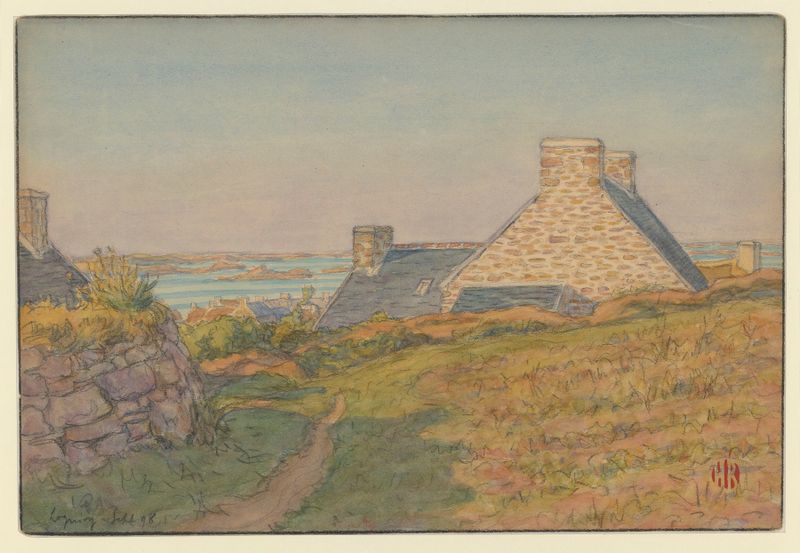
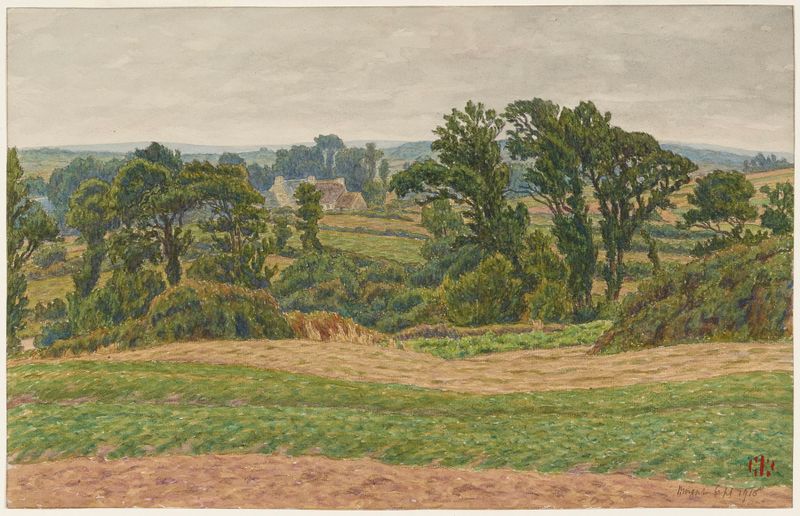
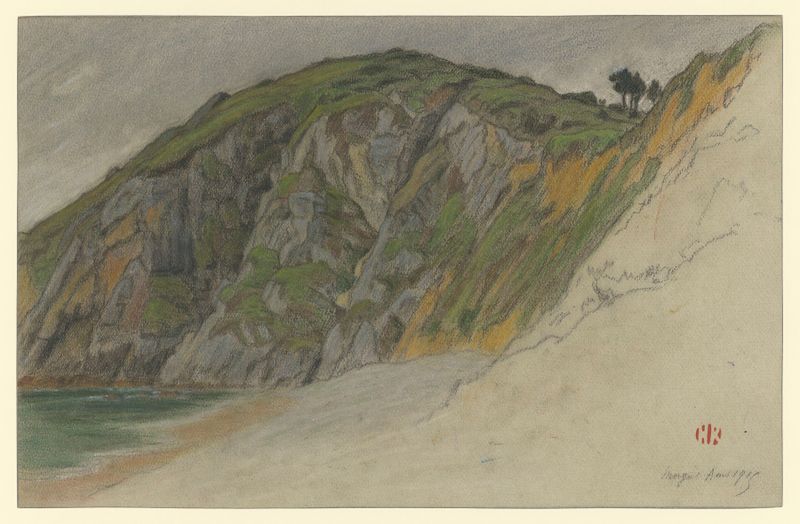
When did color learn to lie? The hues of blue and gold in Loguivy, brume et soleil evoke a bittersweet longing, whispering secrets of a world almost tangible yet forever just out of reach. Look to the left at the soft, rolling hills softened by mist, where delicate strokes of blue and grey blend seamlessly. A striking contrast emerges as the warm gold of the sun breaks through, illuminating the water with an ethereal glow. The composition balances the tranquil stillness of the scene with the dynamic interplay of light and shadow, drawing the eye towards the horizon, where the land melts into the sky. Delve deeper into the painting's surface and notice the gentle ripples upon the water's edge, hinting at a gently stirring breeze that hints at impending change.
The interplay of fog and sunlight creates an emotional tension, reflecting both a serene beauty and an underlying sense of melancholy — a reminder that even the most enchanting moments are fleeting. The muted palette invites contemplation, encouraging viewers to ponder their own connections to the landscape and the passage of time. Henri Rivière painted Loguivy, brume et soleil in 1898 during a period of artistic experimentation characterized by the rise of Impressionism. Living in France, he sought to blend traditional techniques with modern perspectives, capturing the essence of a moment in nature.
This work reflects not only his personal journey but also the broader artistic movements of his time, as artists began to explore new ways of seeing and interpreting light.