Long Fresnay — History & Facts
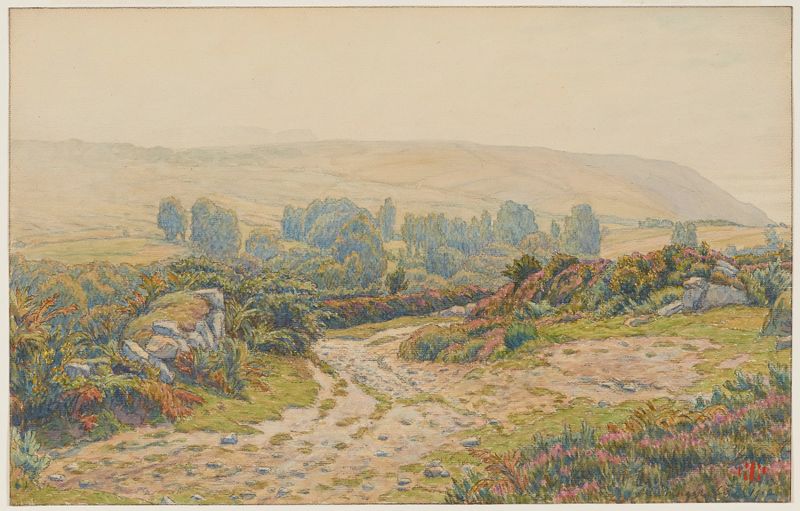
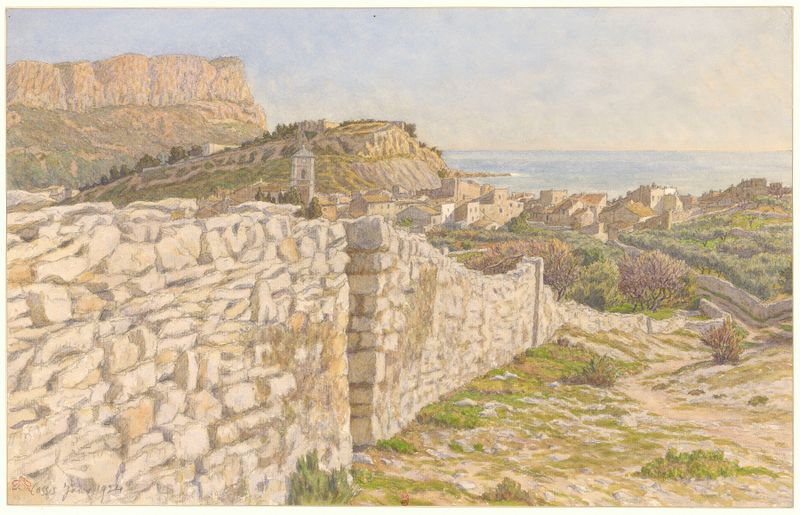
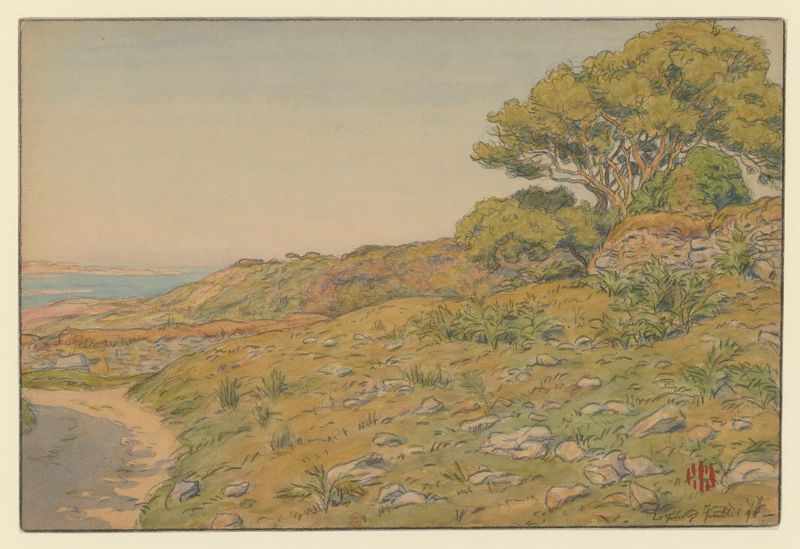
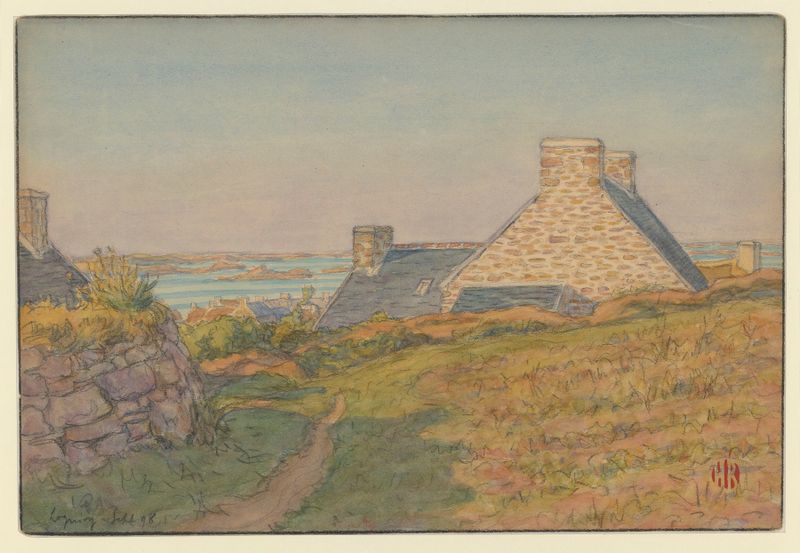
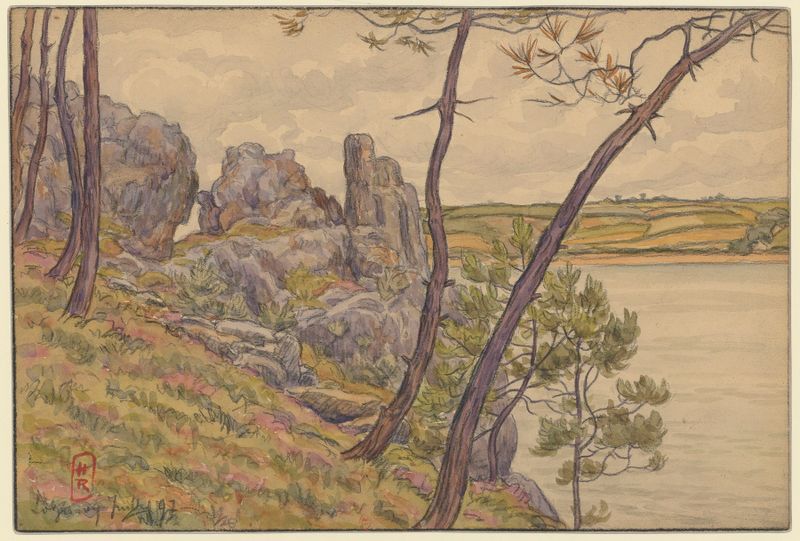
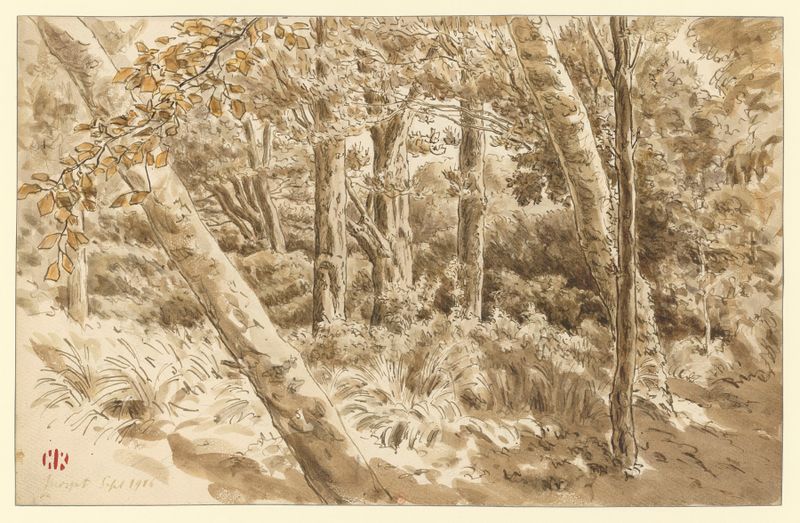
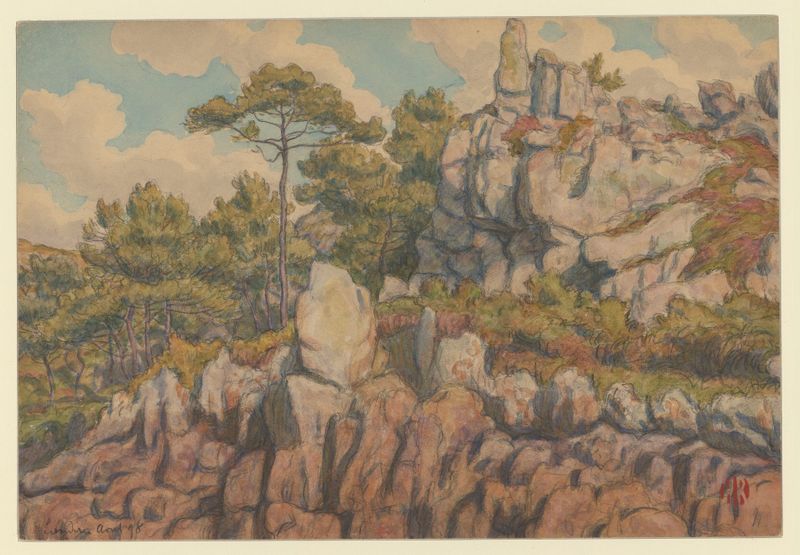
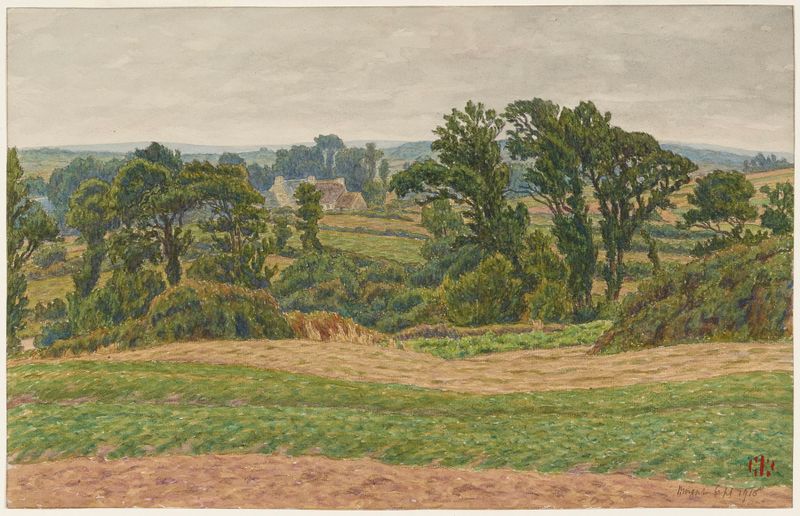
What if beauty was never meant to be finished? This thought lingers in the mind as one gazes upon the delicate layers of Long Fresnay. The artwork invites viewers to explore a world suspended between reality and the ethereal, where each brushstroke whispers a forgotten secret of nature’s grace. Look to the center, where gentle curves of land blend seamlessly into the soft hues of the sky. The tranquil palette of greens and blues creates a harmony that draws the eye inward, leading one to appreciate the painstaking attention to detail in the foliage.
Notice how the light dances upon the surface, illuminating the textures and evoking a sense of calm. The composition is masterfully balanced, allowing the viewer to wander through this serene landscape, almost as if time itself has paused. Yet, beneath this tranquil veneer lies an interplay of contrasts. The vibrant strokes of color evoke joy, while the subtle shadows hint at the transience of beauty, suggesting that even the most picturesque scenes are fleeting.
This tension between permanence and impermanence resonates deeply, inviting contemplation on the nature of existence and the beauty inherent in change. The artist’s choice of soft outlines, rather than rigid definitions, reflects a sense of longing — a yearning for what is just out of reach. Henri Rivière painted Long Fresnay in 1925 during a time when the art world was embracing modernism, exploring new forms of expression and perspectives. Living in Paris, he was influenced by Impressionism, yet his work sought to capture a deeper emotional resonance.
This period marked a significant transition in his career, as he sought to express the ephemeral beauty of landscapes through innovative techniques, blending the traditional with the avant-garde.