
Long Island — History & Facts
The first thing that catches the eye in Long Island by Arthur Dove is the way the landscape dissolves into pure form—those two dominating shapes rising against a pale, sunlit sky. The scene is stripped to its essentials: a sun floats in a hazy dome, while the earth below is reduced to rhythmic, almost musical blocks of brown and green. The horizon, a sliver of blue-green, anchors the composition, but it is the conversation between the two central forms that holds the viewer.
Are they hills, trees, or something more abstract—perhaps the memory of a landscape, half-remembered and softened by time? Light radiates from the upper left, its rays fanning out and bathing everything in a gentle, ambiguous glow. Painted in 1940, this work belongs to a world in which American artists were searching for a new visual language—one that could capture both the spirit and the shape of their environment without relying on literal description. Arthur Dove was a pioneer of American abstraction, often inspired by the natural world but never content to merely record it. Instead, he translated the rhythms and energies of the landscape into bold, simplified forms, echoing the experiments of European modernists while remaining rooted in the American scene.
In the years around 1940, artists like Dove were responding to rapid change—industrialization, urbanization, and the looming shadow of war—by finding new ways to see and paint their own country. Look again at those shapes and that sun: they are less about a specific place than about the enduring pulse of nature itself.
More Artworks by Arthur Dove
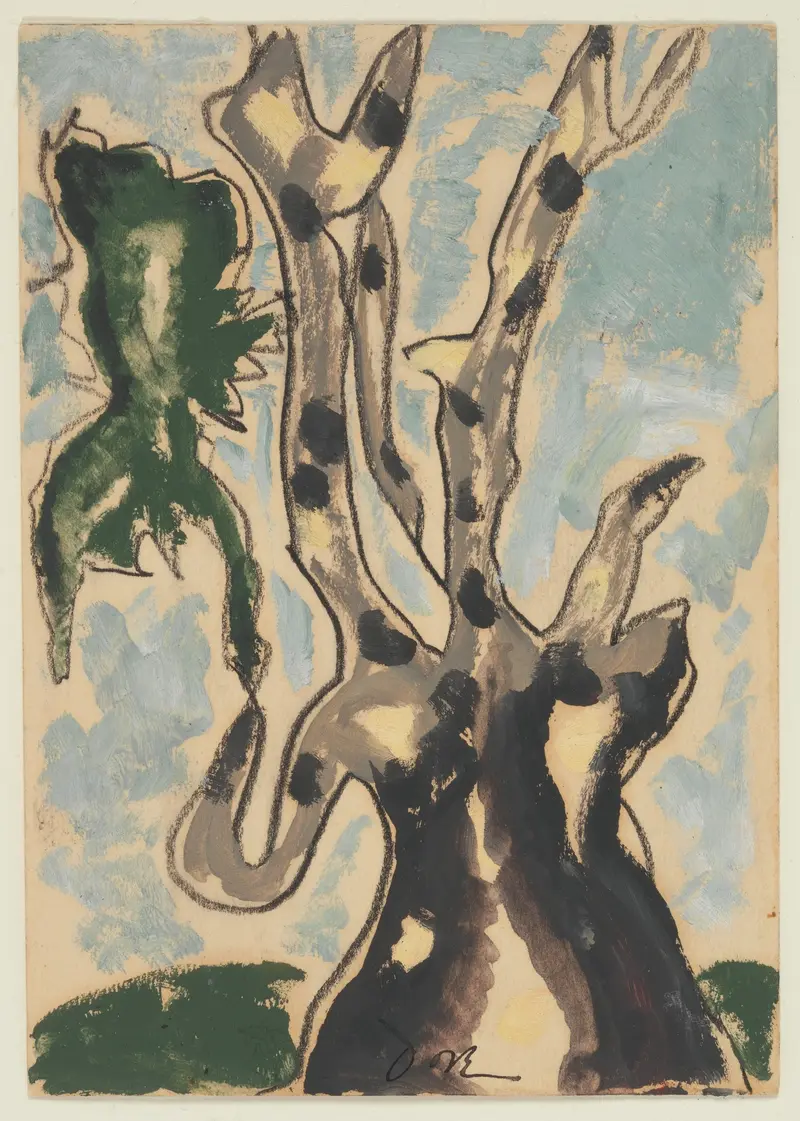
Sycamore
Arthur Dove

Out the Window
Arthur Dove
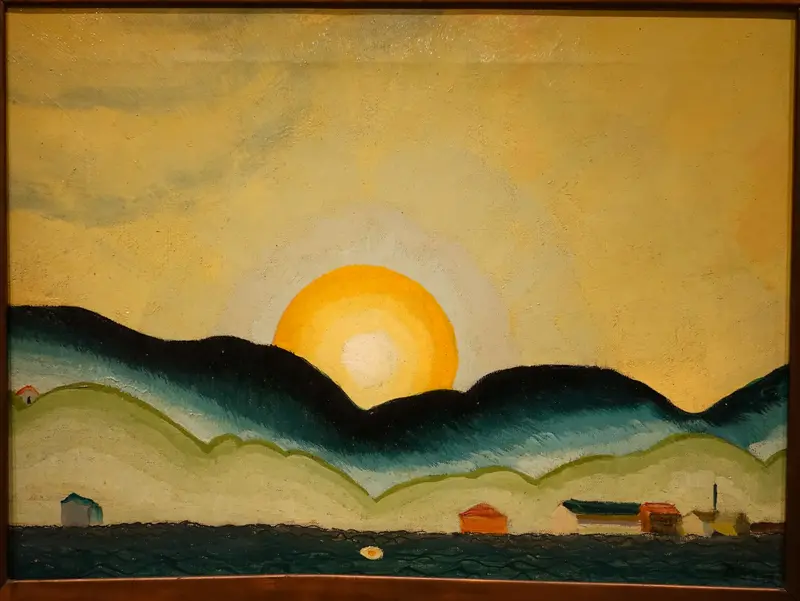
Northport Harbor
Arthur Dove

George Gershwin–‘Rhapsody in Blue,’ Part I
Arthur Dove
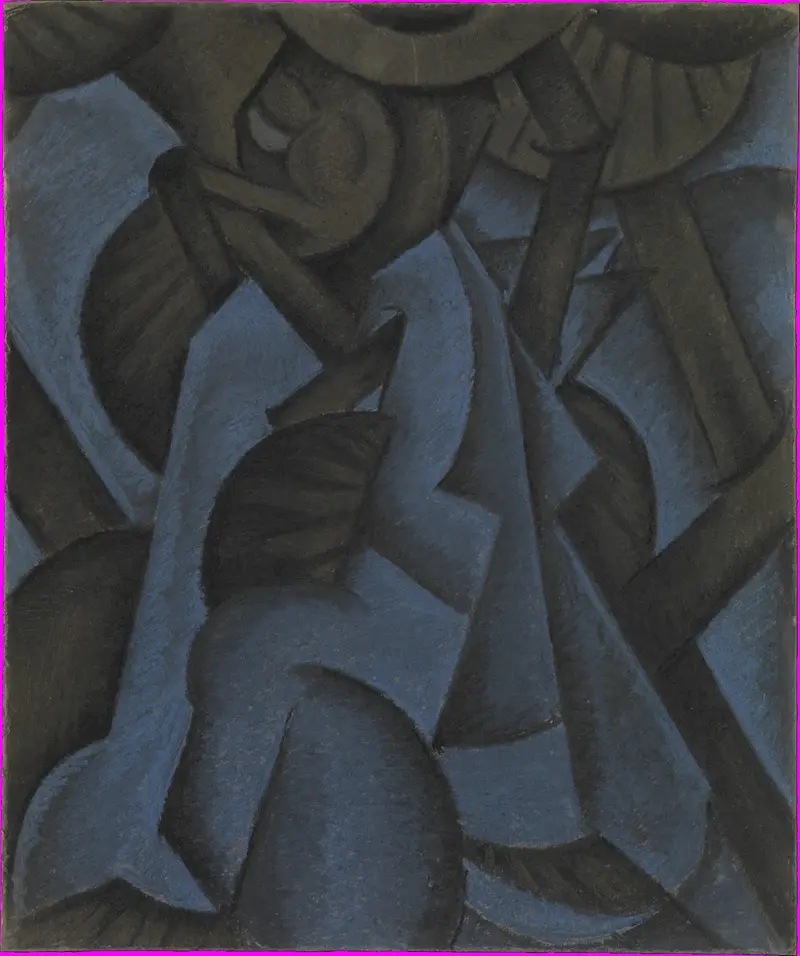
Pagan Philosophy
Arthur Dove
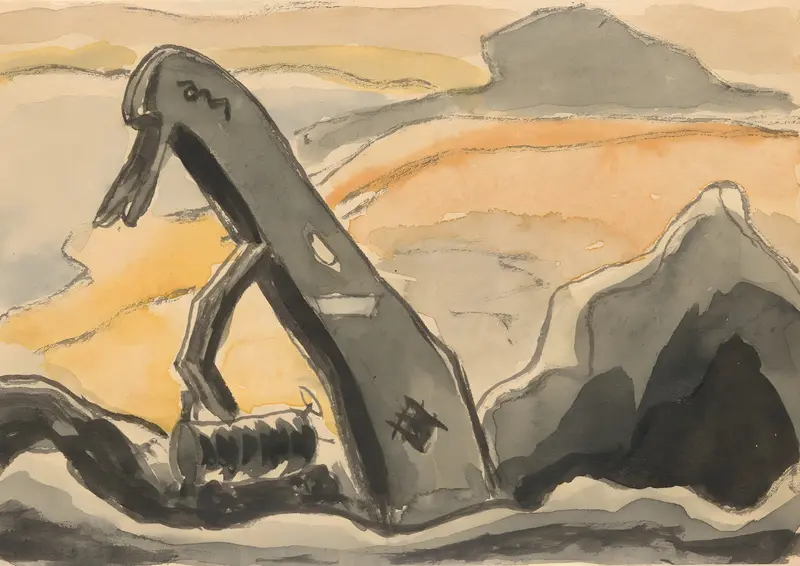
Steam Shovel–Port Washington
Arthur Dove
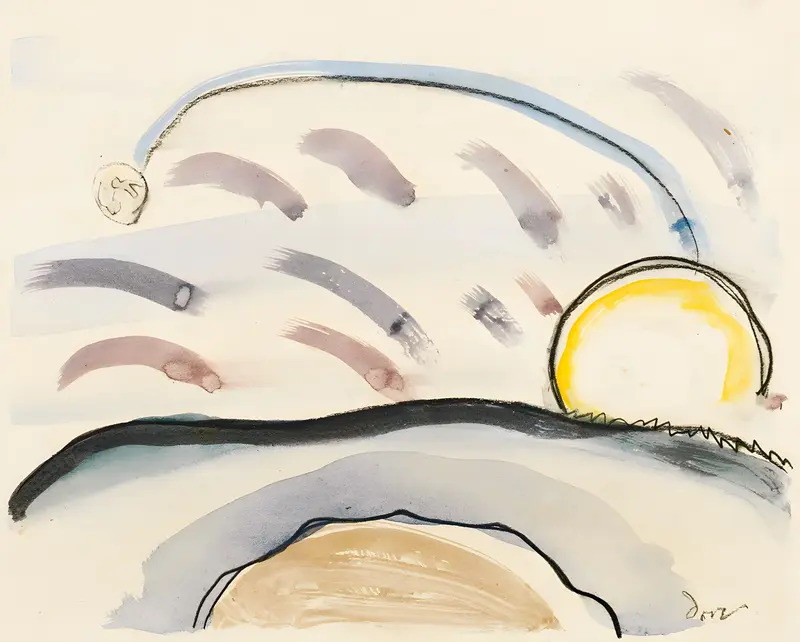
Study for ‘Sun and Moon’
Arthur Dove
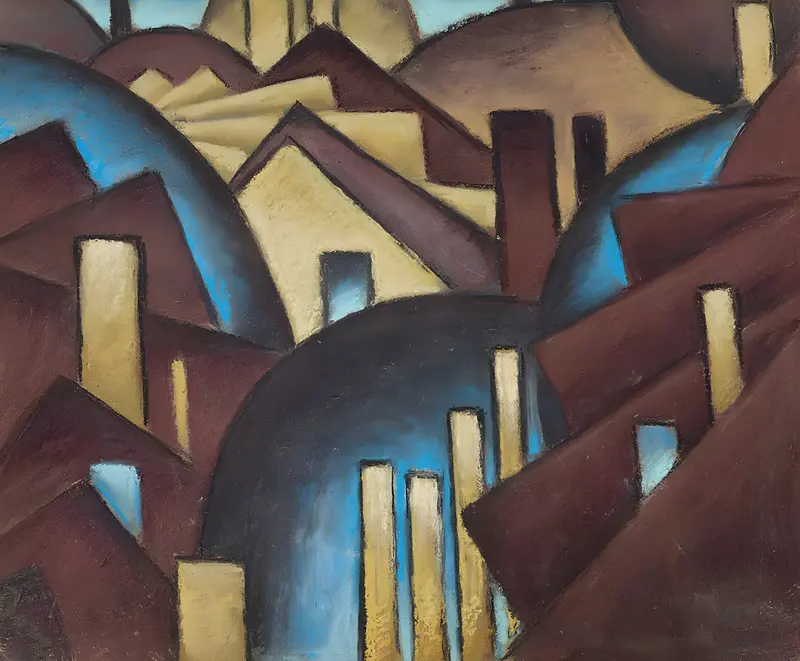
Nature Symbolized No. 1 (Roofs)
Arthur Dove
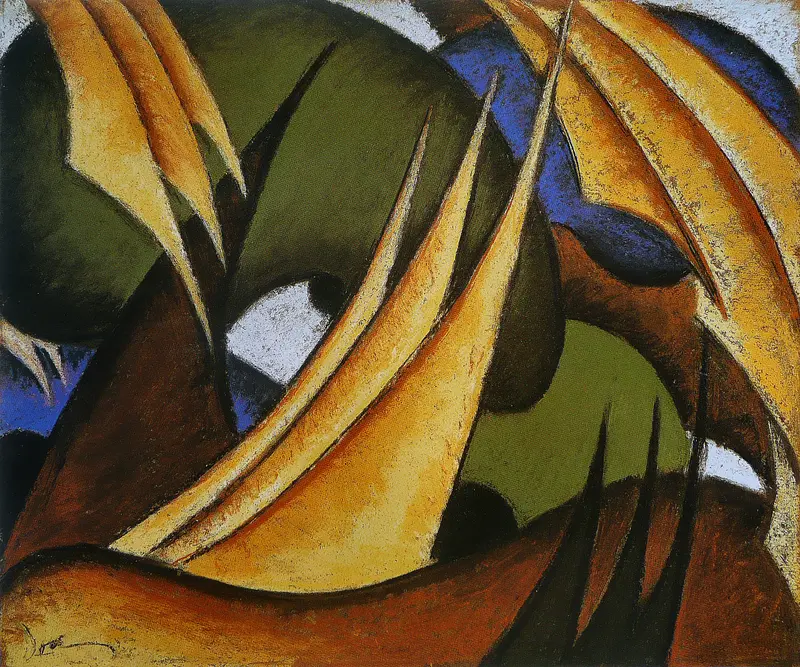
Sails
Arthur Dove
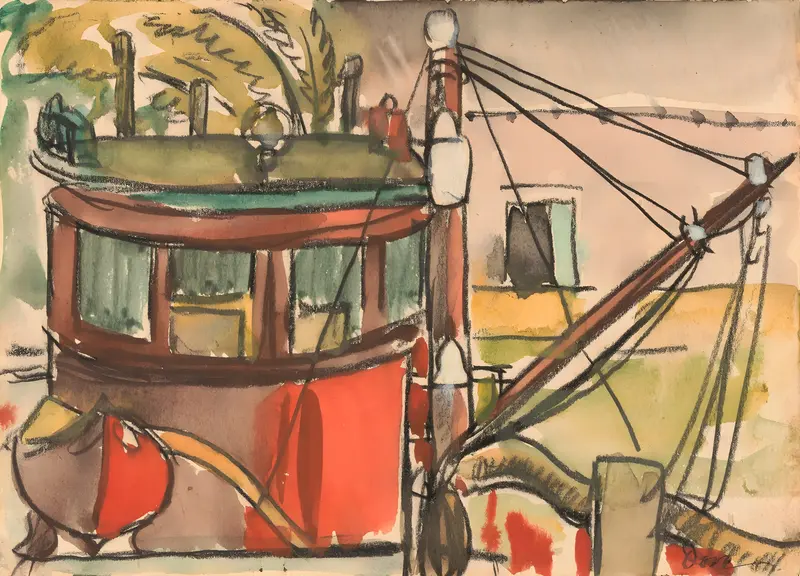
Oil Tanker II
Arthur Dove
More Landscape Art

The Starry Night
Vincent van Gogh

View of Delft
Johannes Vermeer

Water Lilies
Claude Monet

The Grand Canal, Venice, looking north-west from the Ca' Corner to the Ca' Contarini degli Scrigni, with the campanile of Santa Maria della Carità
Canaletto

Windsor Castle
Canaletto

The Grand Canal looking North-East from the Palazzo Dolfin-Manin to the Rialto Bridge
Canaletto