
Long Ship’s Lighthouse, Land’s End — History & Facts
In a moment suspended between the tumult of life and the stillness of a distant shore, Long Ship’s Lighthouse envelops us in a melancholic embrace. The essence of longing and solitude resonates through the serene yet turbulent waters, beckoning the viewer to contemplate the weight of existence. Look closely at the horizon, where the warm tones of sunset bleed into the cool, darkening sky. The lighthouse stands resolute against the waves, a solitary sentinel amidst the chaos of nature.
Notice how the light flickers in the distance, a beacon of hope amidst the swirling currents and shadowy rocks, rendered in Turner's signature brushwork that breathes life into the stormy sea. The careful layering of colors creates a sense of movement, drawing the viewer’s gaze across the canvas and into the heart of the scene. Beneath the surface of the tempestuous waves lies a deeper narrative of isolation and resilience. The juxtaposition of the lighthouse’s steadfastness against the chaotic sea reflects the human struggle against adversity.
Moreover, the soft, glowing light emanating from the lighthouse symbolizes an inner refuge, suggesting a faint glimmer of optimism within despair. These layers of meaning create a rich tapestry of emotion, inviting viewers to question their own navigations through life’s storms. Turner painted Long Ship’s Lighthouse around 1834–1835 during a period marked by personal turmoil and artistic evolution. Living in England, he grappled with the aftermath of loss while exploring new techniques that would redefine landscape painting.
This work encapsulates his innovative spirit and the period’s growing fascination with the sublime, as the romantic ideals of nature's power intertwined with the artist's own experiences of melancholy and hope.
More Artworks by Joseph Mallord William Turner
Browse all →
Dort or Dordrecht- The Dort Packet-Boat from Rotterdam Becalmed
Joseph Mallord William Turner
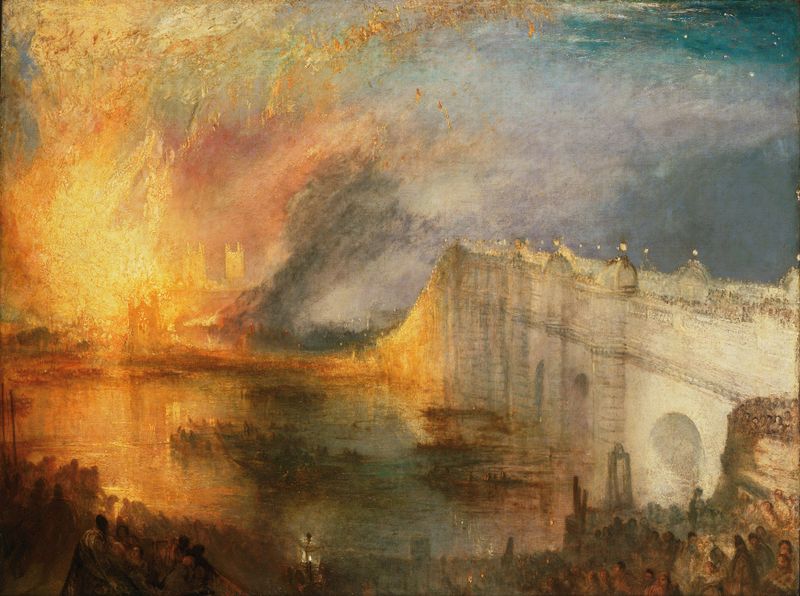
The Burning of the Houses of Lords and Commons, October 16, 1834
Joseph Mallord William Turner
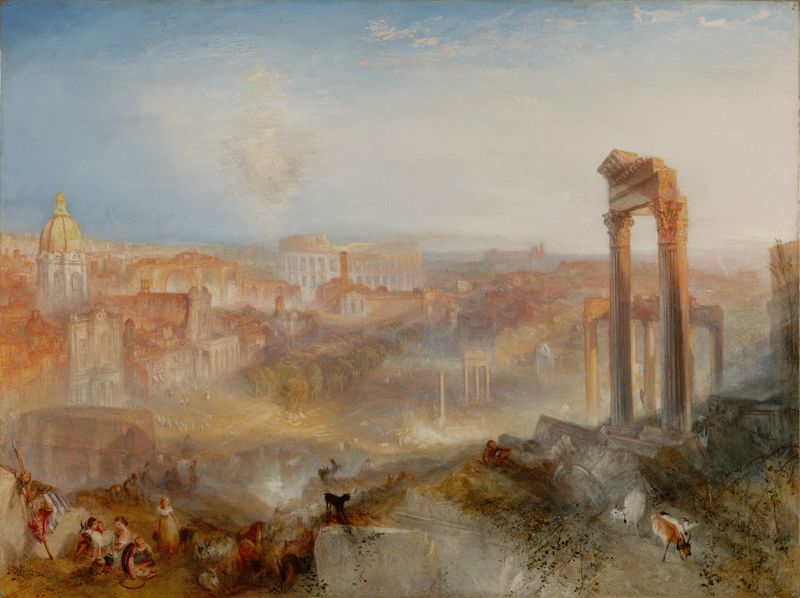
Modern Rome – Campo Vaccino
Joseph Mallord William Turner
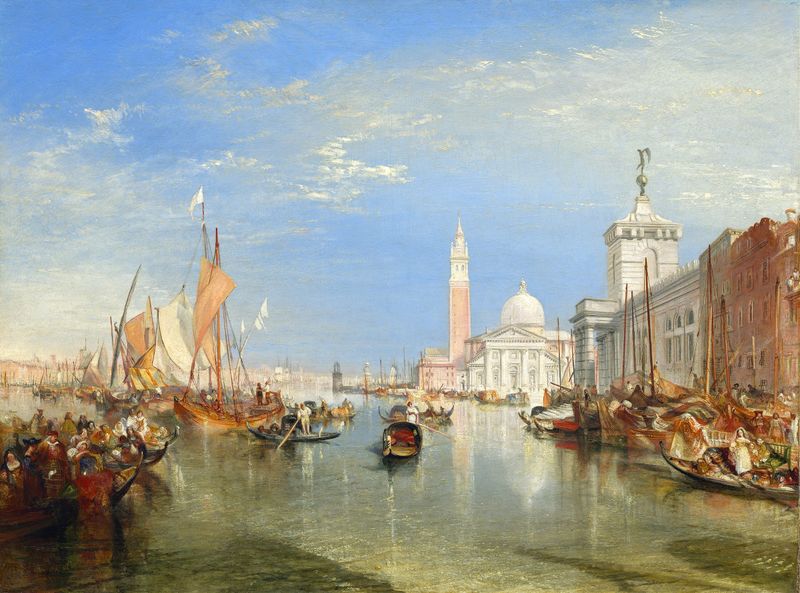
Venice – The Dogana and San Giorgio Maggiore
Joseph Mallord William Turner

The Burning of the Houses of Lords and Commons, 16 October 1834
Joseph Mallord William Turner
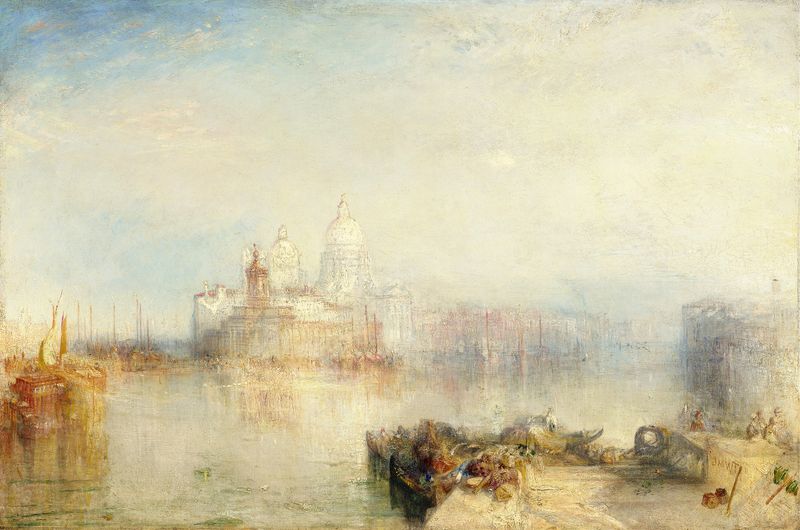
The Dogana and Santa Maria della Salute, Venice
Joseph Mallord William Turner
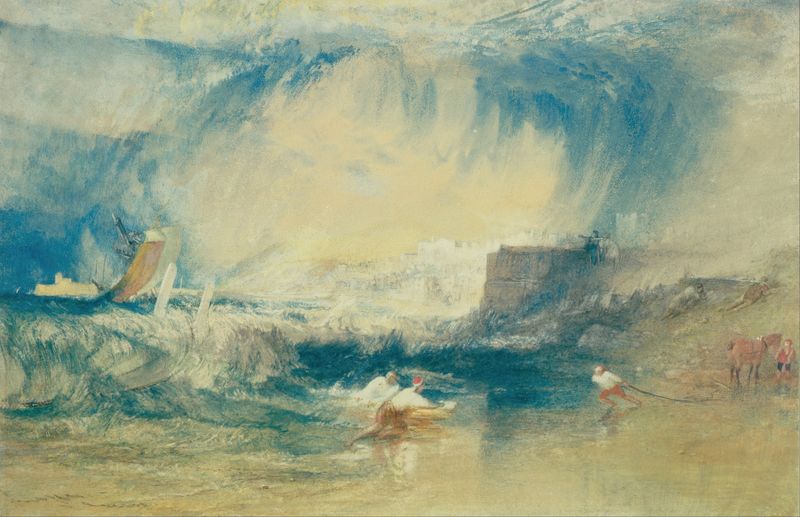
Lyme Regis, Dorsetshire, England
Joseph Mallord William Turner
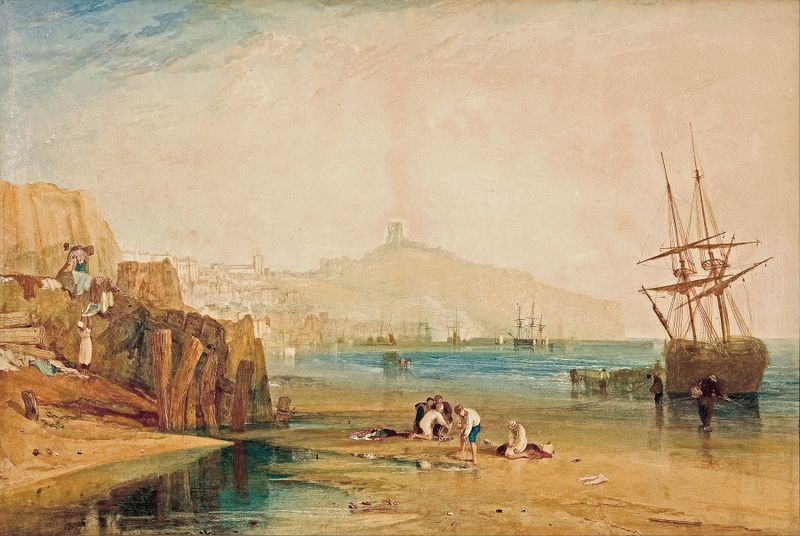
Scarborough town and castle; morning; boys catching crabs
Joseph Mallord William Turner
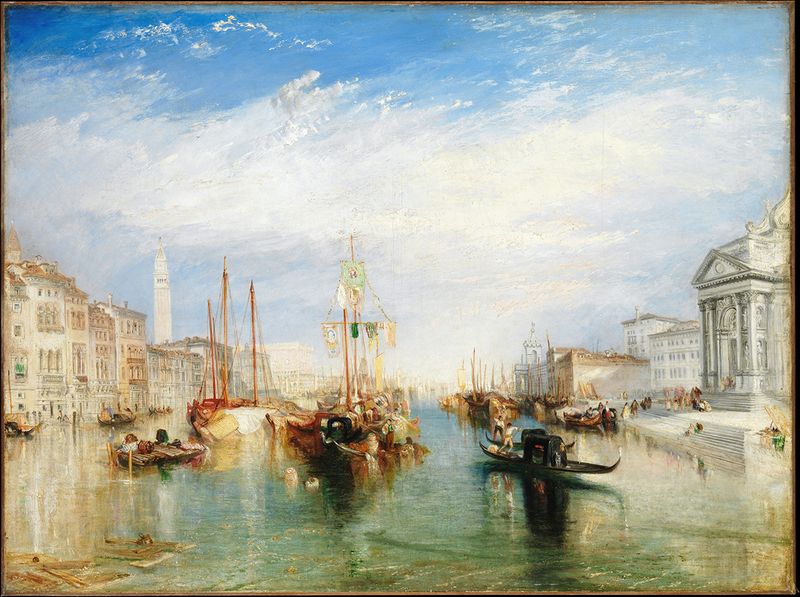
Venice, from the Porch of Madonna della Salute
Joseph Mallord William Turner
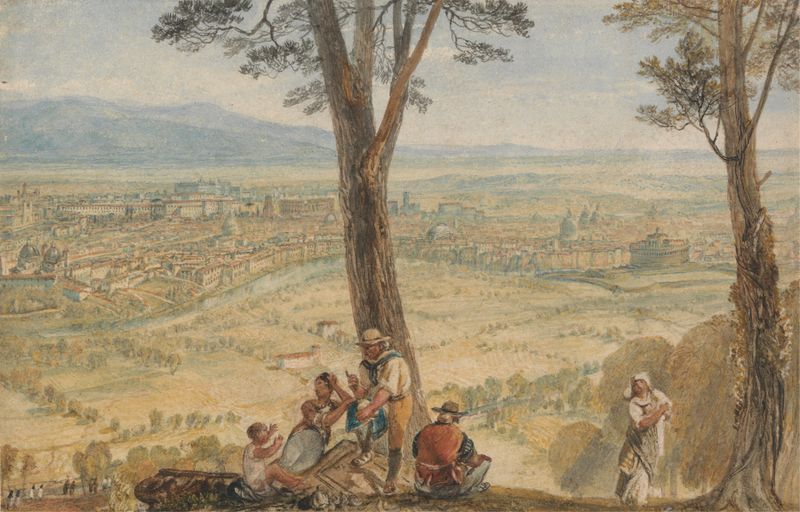
Rome from Monte Mario
Joseph Mallord William Turner




