
Lost to All Hope the Brig — History & Facts
What if silence could speak through light? In Lost to All Hope the Brig, the very essence of yearning is distilled into swirling hues and a tempestuous sea, capturing a moment where despair meets nature’s fury. Look to the center of the canvas where a ghostly ship, nearly engulfed by tumultuous waves, fights against its fate. The strokes of color—deep cerulean blending into stormy grays—imbue the scene with an unsettling energy. Notice how the light breaks through ominous clouds, casting an ethereal glow on the vessel, suggesting a glimmer of hope amidst overwhelming despair.
The composition draws the viewer's eye in a spiraling motion, as if inviting us to feel the chaos surrounding the brig. Deeper meanings dwell in the contrasts throughout the work. The ship, a symbol of human ambition, is dwarfed by the vast, merciless sea, reflecting the eternal struggle between mankind and nature. Shadows loom, suggesting lost dreams and the weight of unfulfilled desire.
The title itself hints at surrender, a haunting echo of what is lost, and the viewer is left contemplating the fragility of hope when faced with insurmountable odds. Between 1845 and 1850, Turner painted this piece during a period marked by his exploration of light and emotion in landscapes. Living in England, he faced a tumultuous art world, shifting from romanticism towards realism. His works during this time reflected not just personal despair but also a broader contemplation of humanity's place within the natural world, foreshadowing the changing tides of art that would soon follow.
More Artworks by Joseph Mallord William Turner
Browse all →
Dort or Dordrecht- The Dort Packet-Boat from Rotterdam Becalmed
Joseph Mallord William Turner
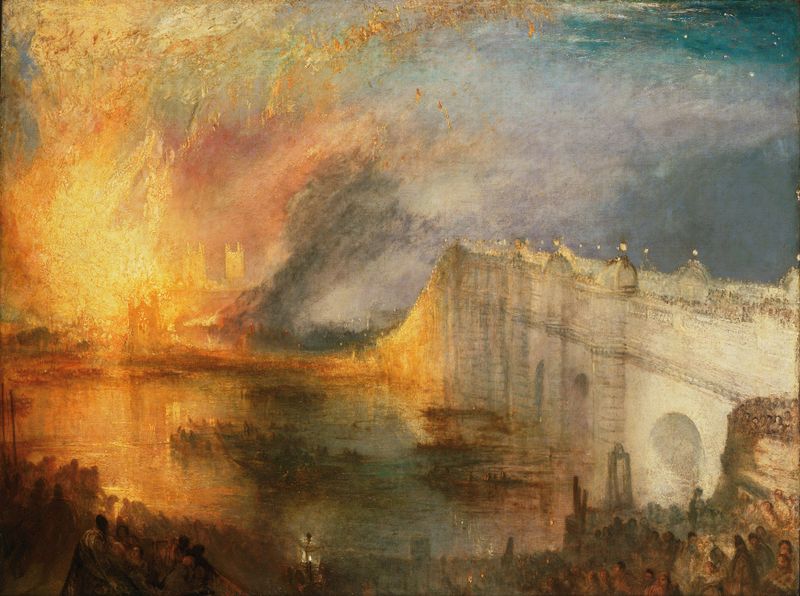
The Burning of the Houses of Lords and Commons, October 16, 1834
Joseph Mallord William Turner
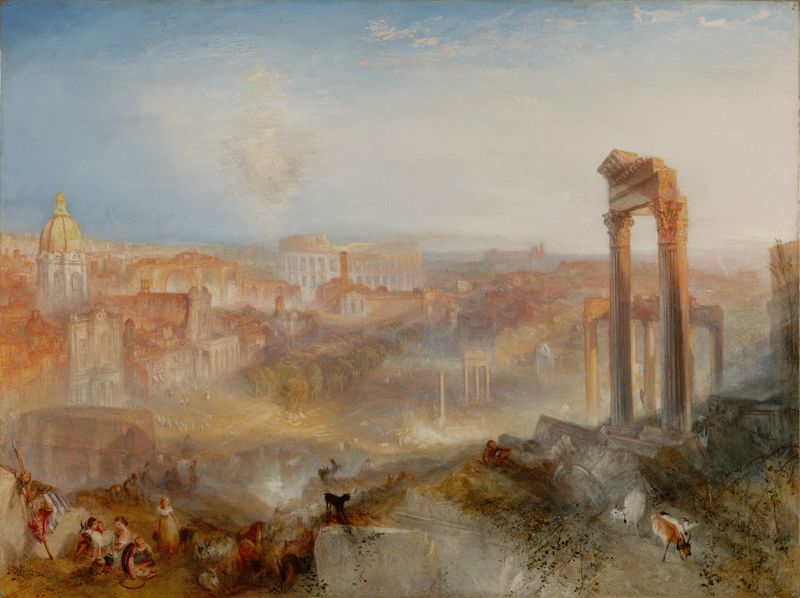
Modern Rome – Campo Vaccino
Joseph Mallord William Turner
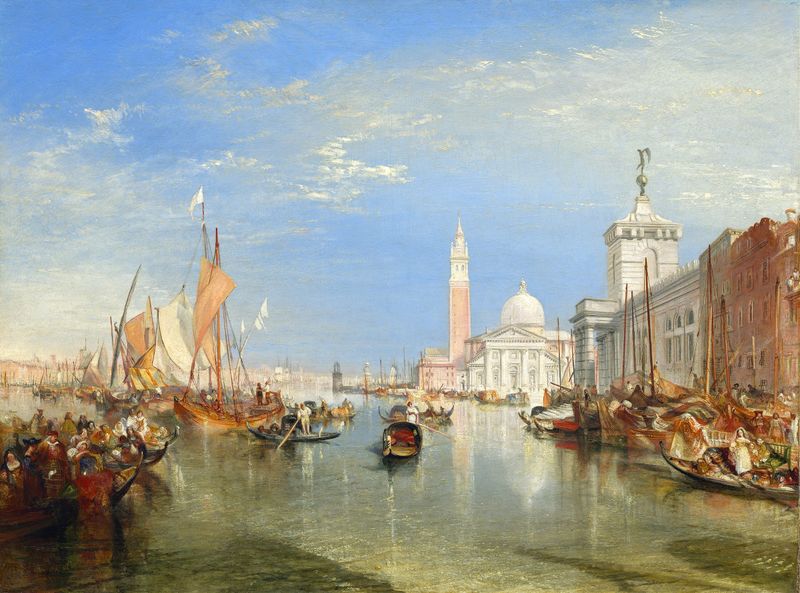
Venice – The Dogana and San Giorgio Maggiore
Joseph Mallord William Turner

The Burning of the Houses of Lords and Commons, 16 October 1834
Joseph Mallord William Turner
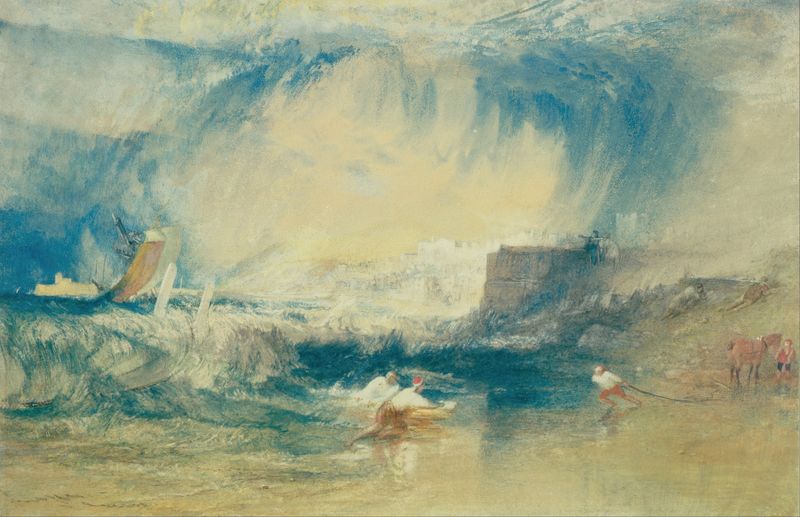
Lyme Regis, Dorsetshire, England
Joseph Mallord William Turner
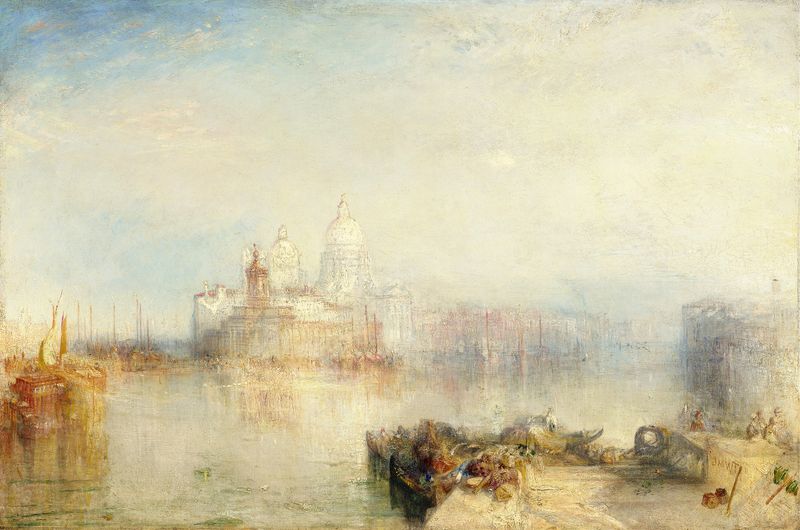
The Dogana and Santa Maria della Salute, Venice
Joseph Mallord William Turner
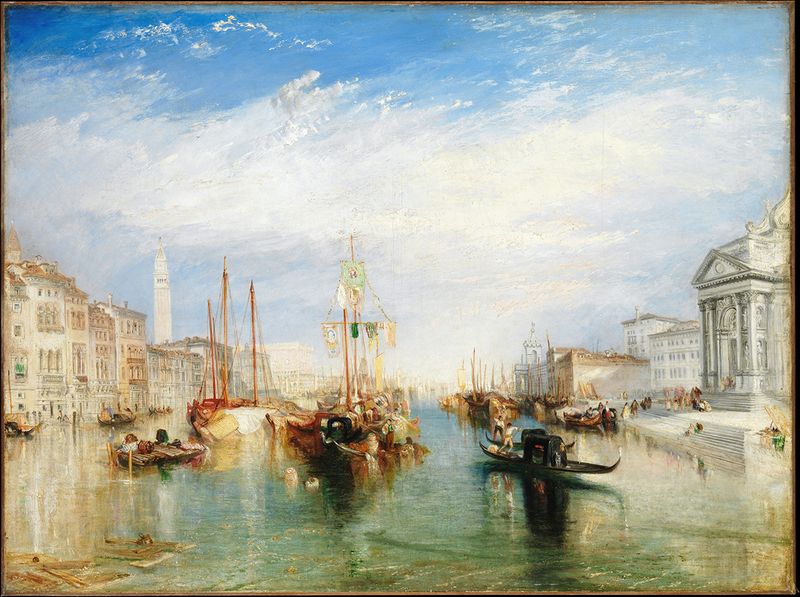
Venice, from the Porch of Madonna della Salute
Joseph Mallord William Turner
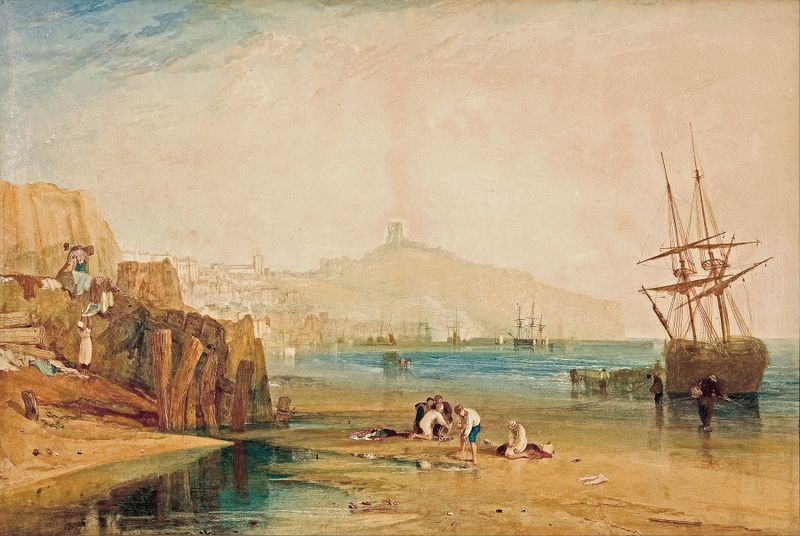
Scarborough town and castle; morning; boys catching crabs
Joseph Mallord William Turner
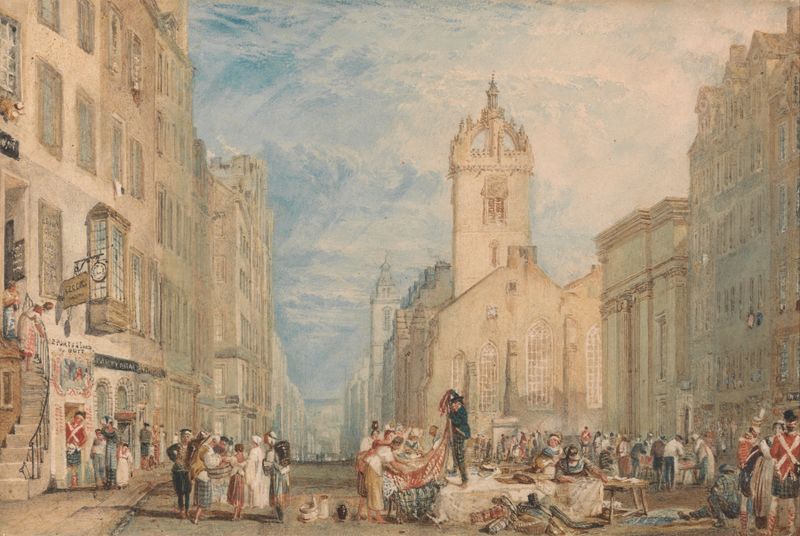
High Street, Edinburgh
Joseph Mallord William Turner




