
Low Hill — History & Facts
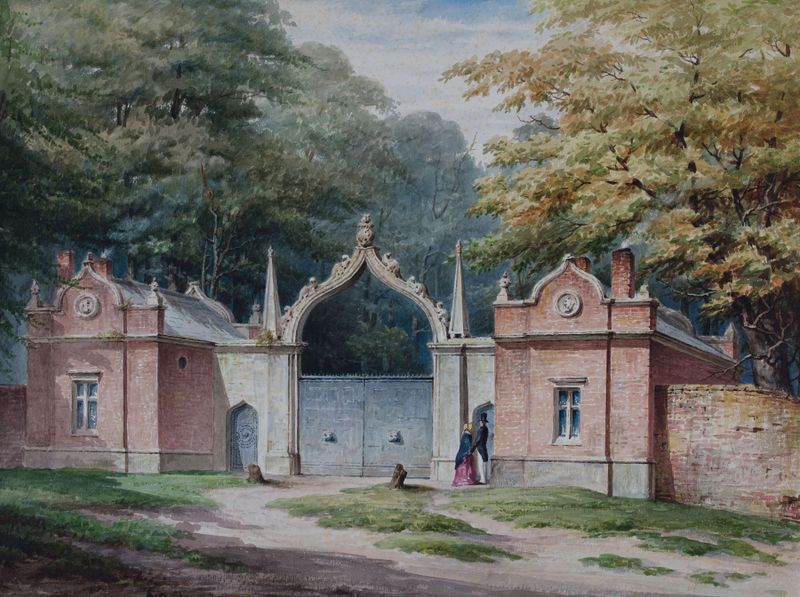
When did color learn to lie? The question lingers, inviting us to ponder the relationship between perception and reality, a void filled with layers of meaning. Look closely at the canvas, where a sweeping landscape unfolds before you, dominated by muted tones of earthy browns and deep greens. The hill, though low, rises imperceptibly, creating a gentle undulation that draws the eye. Notice how the artist utilizes soft brushstrokes to evoke a sense of tranquility, while subtle contrasts in color suggest an interplay between light and shadow that breathes life into the scene. Delve deeper into the intricate details: the sparse foliage that clings to the hillside, and the wisps of cloud that linger above.
Each element bears the weight of solitude, as if the landscape whispers secrets of time long past. The void within the composition resonates with a sense of absence, evoking both longing and peace, challenging the viewer to confront their own interpretations of emptiness and presence. During the period between 1850 and 1880, the artist found himself influenced by the changing tides of Romanticism, where nature became a canvas for emotional exploration. Working in a time when realism was gaining momentum, he sought to capture not just the image of the landscape, but the feelings it evoked.
This painting stands as a testament to his ability to blend the tangible with the intangible, reflecting a world in transition both personally and artistically.
More Artworks by Elijah Walton
Browse all →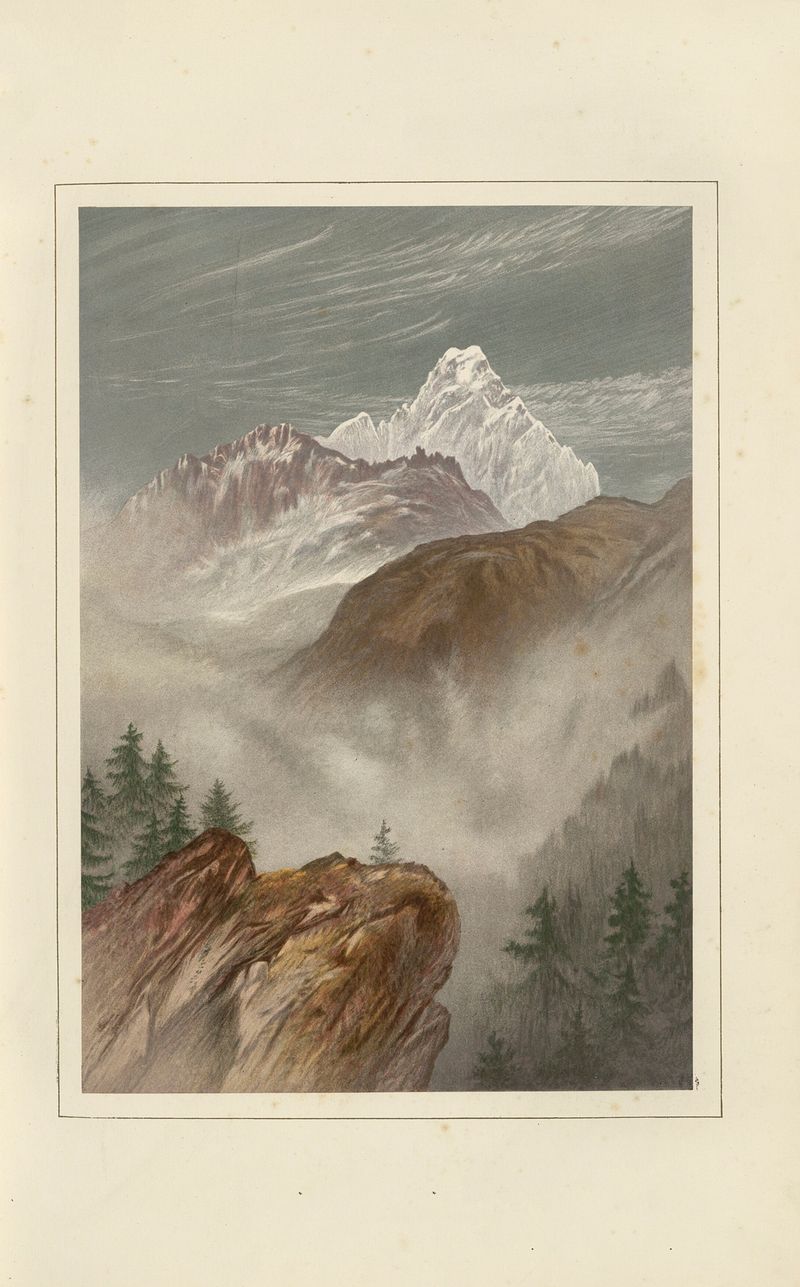
Monte Viso, from the south
Elijah Walton

The Matterhorn
Elijah Walton

The Gorner glacier
Elijah Walton

The Cascade de Roget and the Pointe de Salles
Elijah Walton
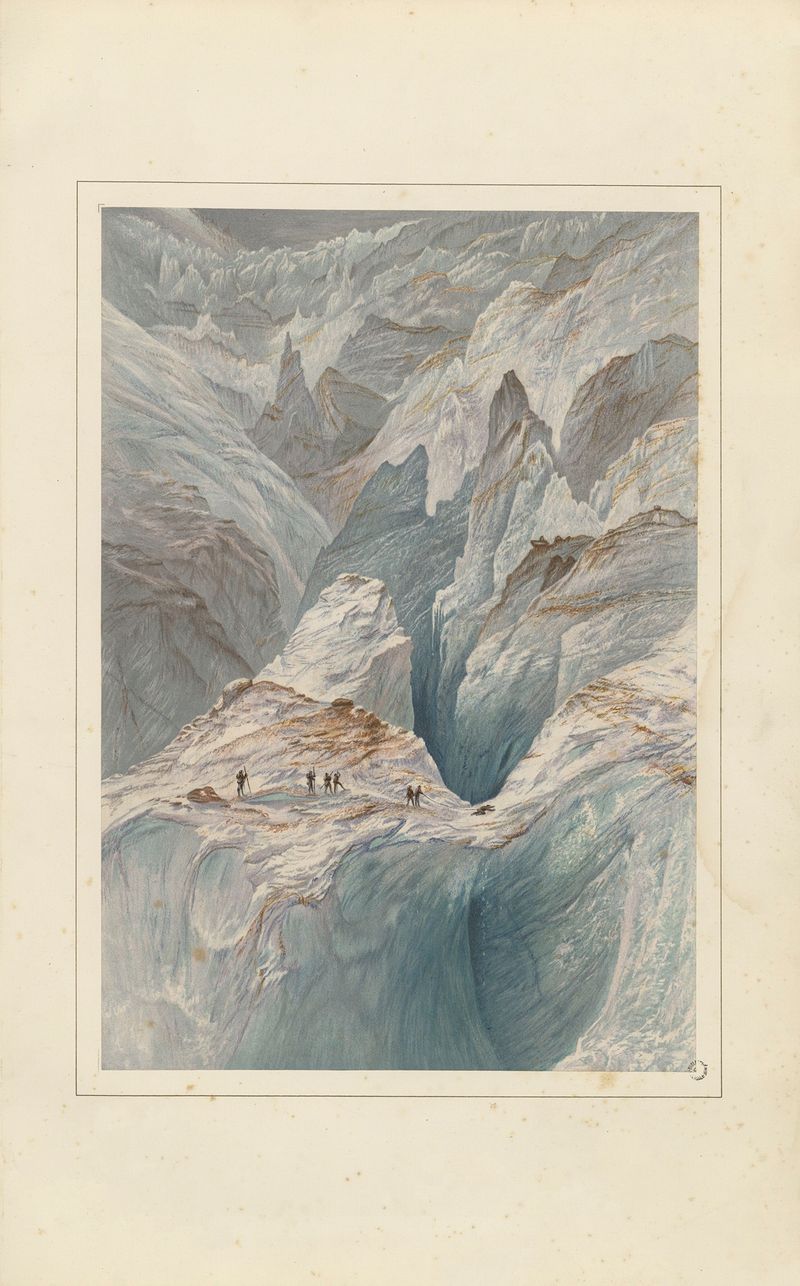
Crevasses on the Mer de Glace
Elijah Walton
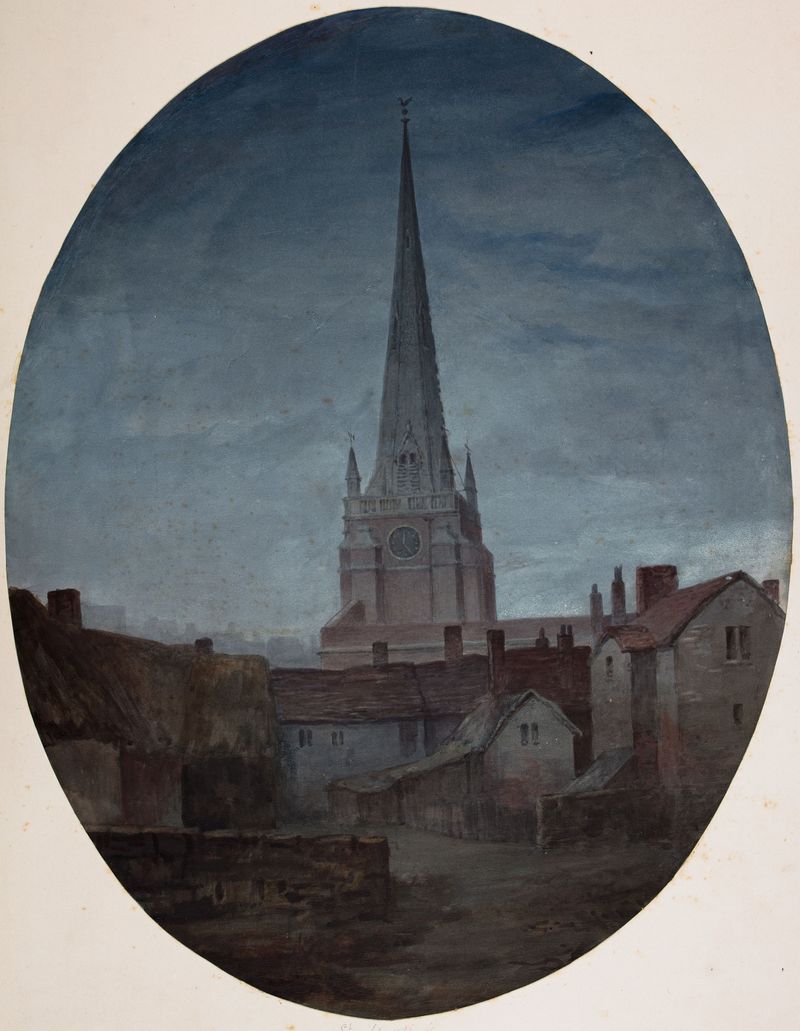
St Martin’s Church Birmingham, By Night
Elijah Walton

The Weisshorn, from near St. Niklaus
Elijah Walton

Monte Viso, from the Col de La Croix
Elijah Walton
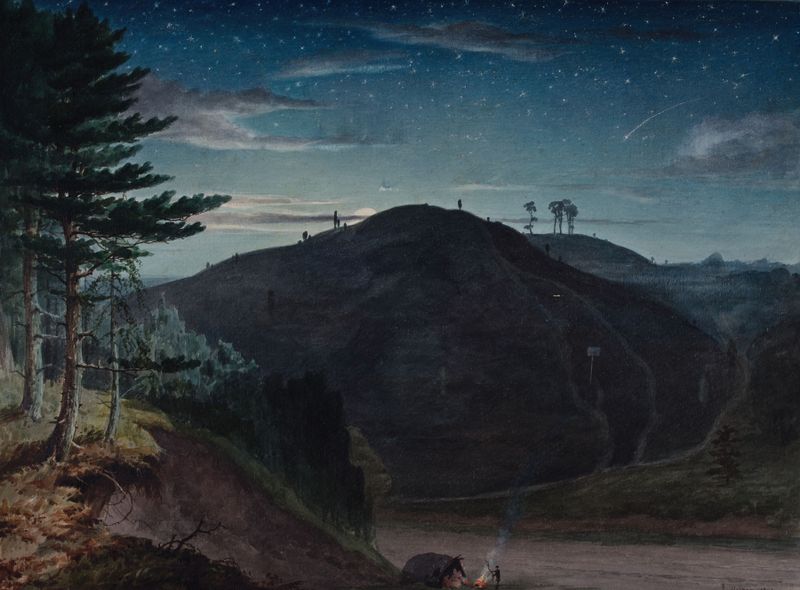
Cofton From Rednal, Moonlight
Elijah Walton
Lodge Gates, Entrance To Aston Hall
Elijah Walton





