
Low Hill From Cofton Hill — History & Facts
Can paint confess what words never could? In Low Hill From Cofton Hill, the gentle undulations of the landscape whisper secrets that remain unspoken, inviting viewers into a dreamlike embrace of nature's solitude. Look to the center of the canvas where the soft, rolling hills stretch toward the horizon, their muted greens and browns melding seamlessly in a harmonious gradient. The artist's brushwork conveys a delicate touch, with each stroke revealing the lush texture of the grass and the subtle play of light on the terrain. Notice how the dappled sunlight creates pockets of warmth and shadow, evoking a sense of depth that draws the eye further into the scene. Beyond the tranquility of the hills, there lies an emotional tension between stillness and fleeting time.
The lone tree, standing resolutely at the edge of the landscape, serves as a silent witness to the passage of days, perhaps representing resilience against the ephemeral beauty of nature. The palette, while soft, hints at the vibrancy of life, suggesting an unfulfilled longing that lingers beneath the surface, echoing the dreams we carry yet seldom voice. Created in 1853, the painting emerged during a period in which Elijah Walton was deeply engaged with Romanticism, exploring themes of nature and introspection. At this time, the art world was shifting, with a growing appreciation for capturing the sublime and the emotional landscapes of the human experience.
Walton, working within this context, sought to infuse his landscapes with a sense of quiet reflection, articulating the unspoken dialogues between man, nature, and the illusions of existence.
More Artworks by Elijah Walton
Browse all →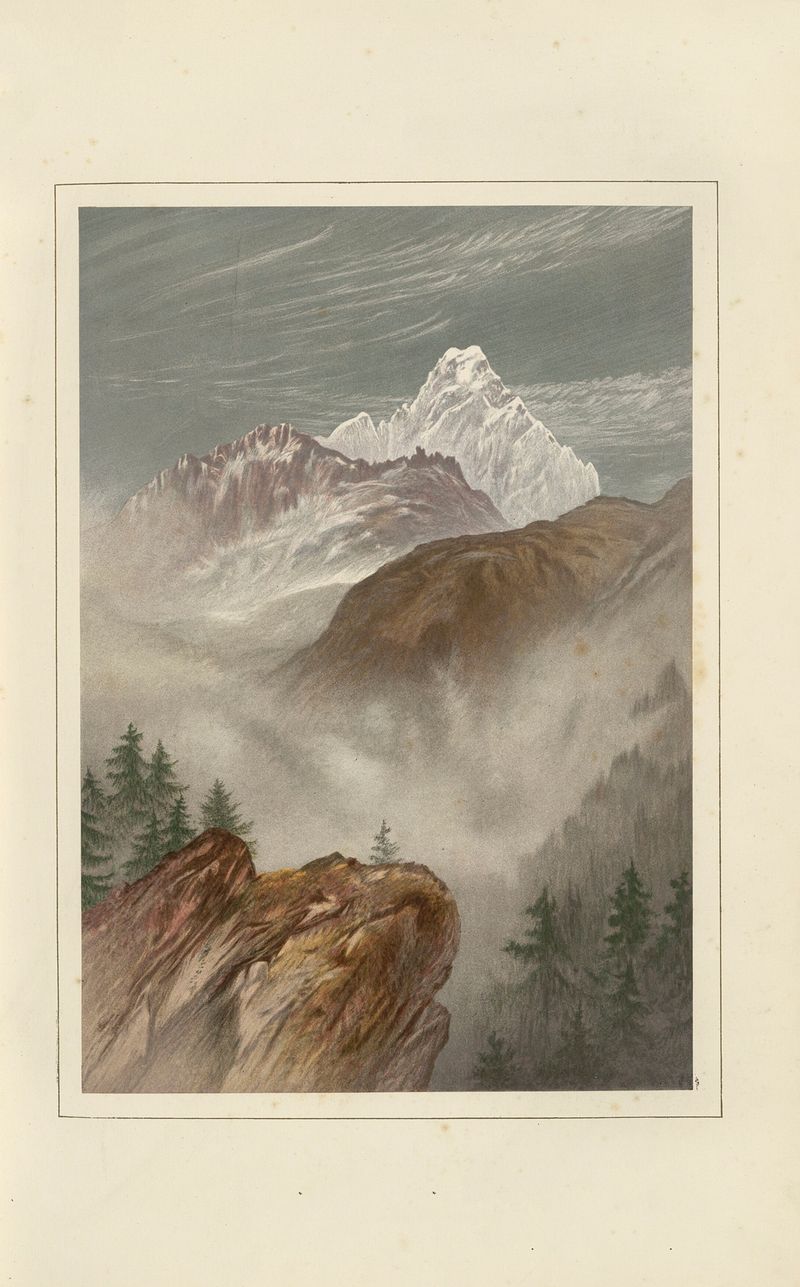
Monte Viso, from the south
Elijah Walton

The Matterhorn
Elijah Walton

The Gorner glacier
Elijah Walton

The Cascade de Roget and the Pointe de Salles
Elijah Walton
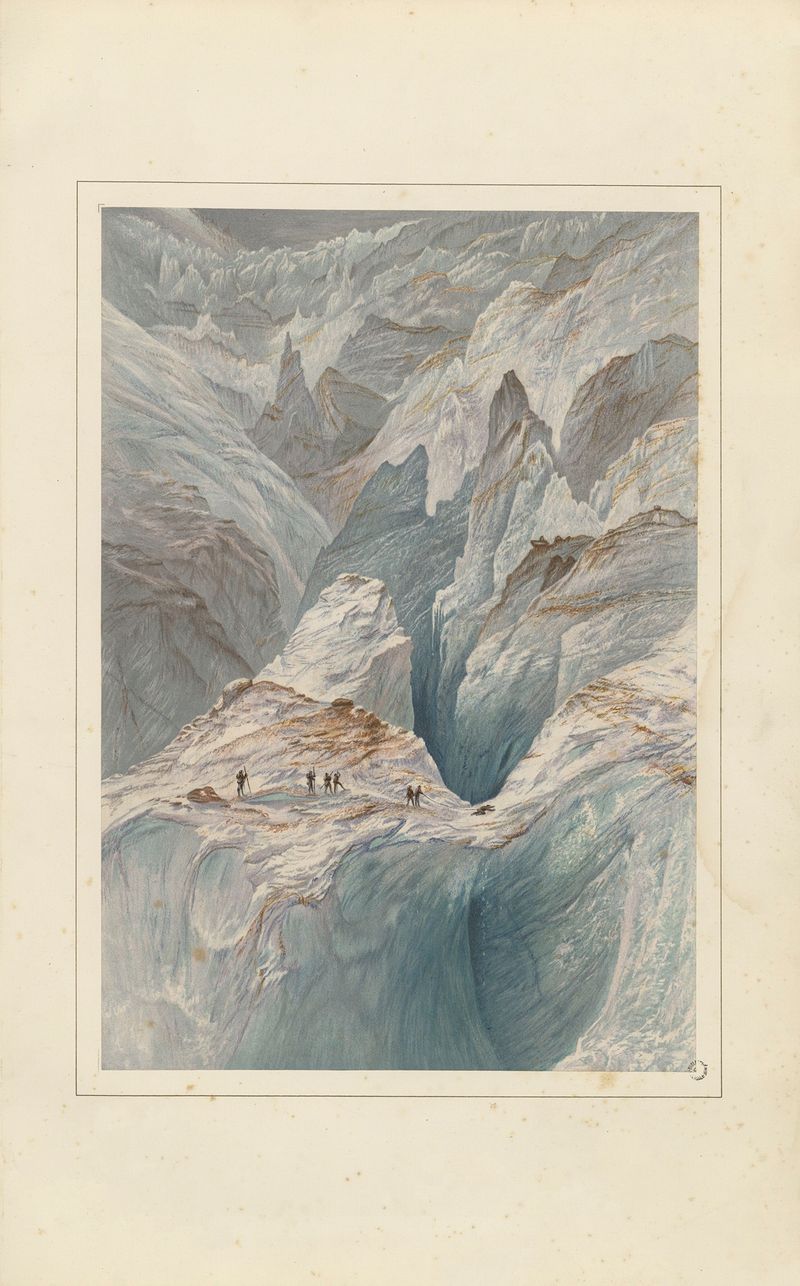
Crevasses on the Mer de Glace
Elijah Walton
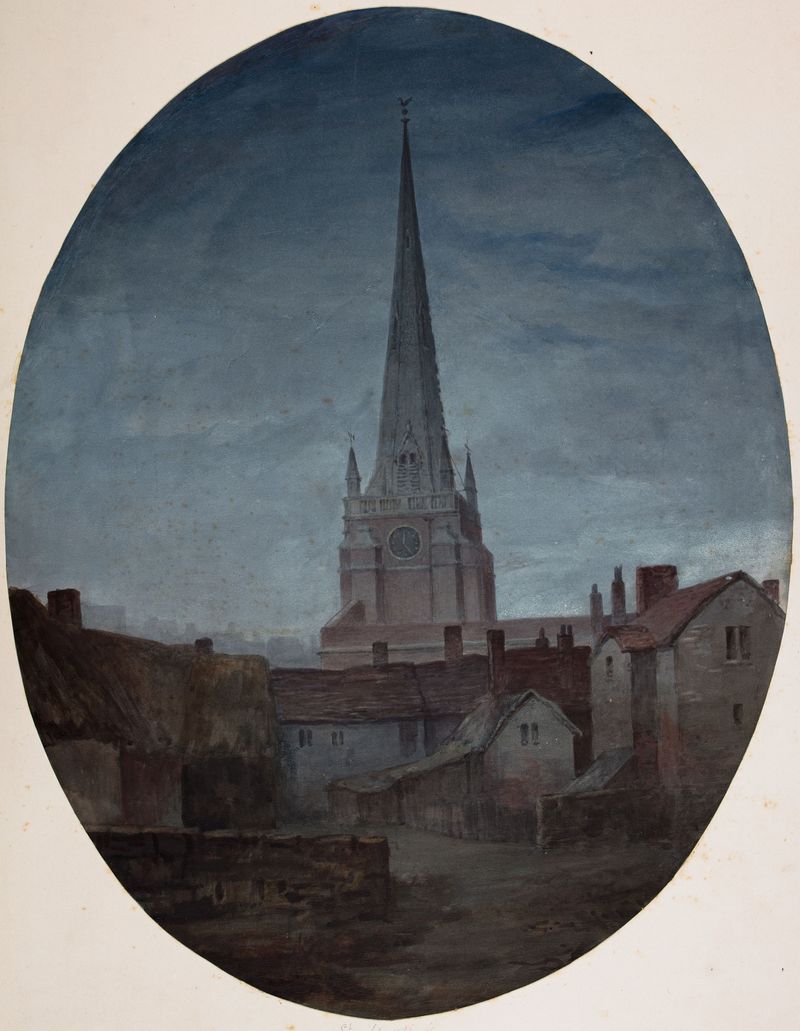
St Martin’s Church Birmingham, By Night
Elijah Walton

The Weisshorn, from near St. Niklaus
Elijah Walton

Monte Viso, from the Col de La Croix
Elijah Walton
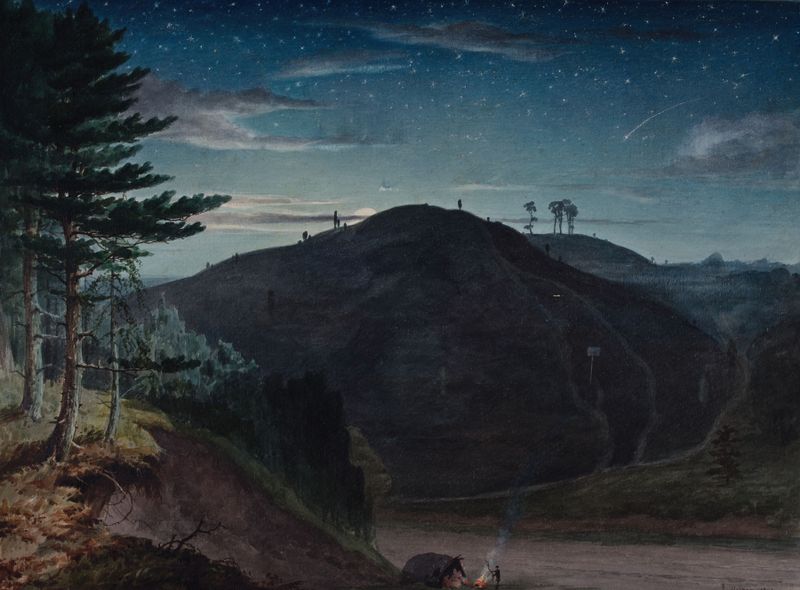
Cofton From Rednal, Moonlight
Elijah Walton
Lodge Gates, Entrance To Aston Hall
Elijah Walton





