
L’étang, coucher de soleil — History & Facts
Where does light end, and longing begin? In the serene embrace of twilight, as the sky bleeds into the water, one can sense the thin veil between sanity and madness. Look closely to the horizon, where the sun dips below the edge of the tranquil pond. The soft gradient of oranges and purples dances across the canvas, casting a warm glow that invites contemplation. Notice how the reflection in the water captures not just the colors of dusk, but the fragile state of a world teetering on the brink of night.
The trees, dark silhouettes against the luminous sky, stand as silent witnesses to this fleeting moment, their branches reaching out as if to grasp the fading light. Amidst this beauty lies an undercurrent of tension. The stillness of the scene belies the chaos of emotions lurking just beneath the surface. The juxtaposition of light and shadow embodies a struggle between serenity and madness, reflecting a yearning for connection in a world that can feel isolating.
The viewer is left to ponder the depths of solitude that twilight can evoke, and the ephemeral nature of solace found at day's end. In 1848, when this piece was completed, Rousseau was deeply influenced by the Romantic movement's embrace of nature as a source of inspiration and introspection. At this time, he was painting in the Forest of Fontainebleau, seeking to capture the raw beauty of the landscape. The world was undergoing social turmoil, and the artist's own life was marked by personal challenges, leading him to explore the emotional complexities embedded in the natural world around him.
More Artworks by Théodore Rousseau
Browse all →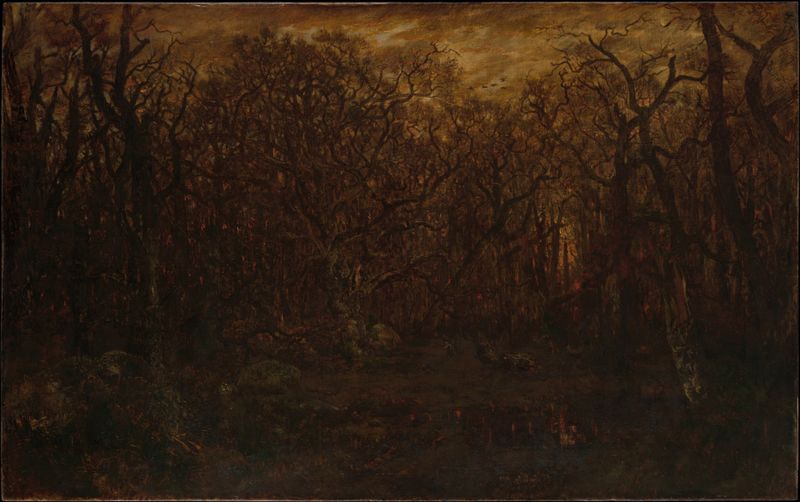
The Forest in Winter at Sunset
Théodore Rousseau
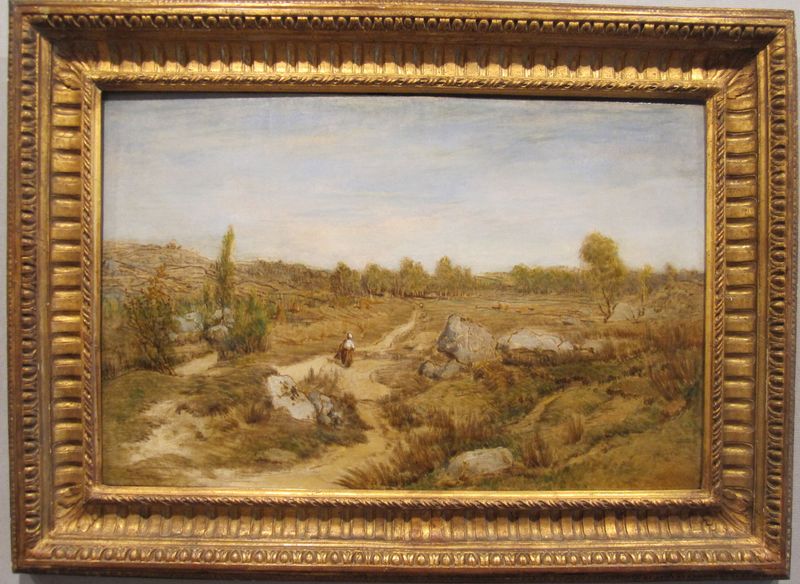
Valley of the Rouars in the Gorges d’Apremont
Théodore Rousseau
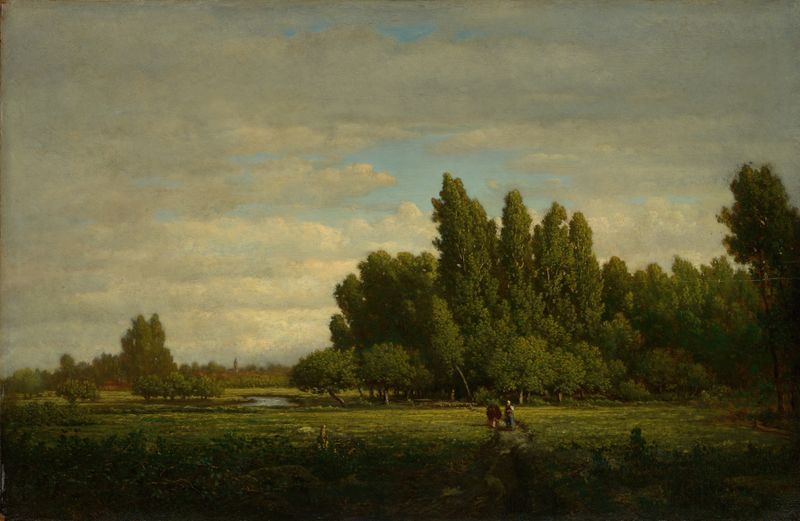
A Meadow Bordered by Trees
Théodore Rousseau
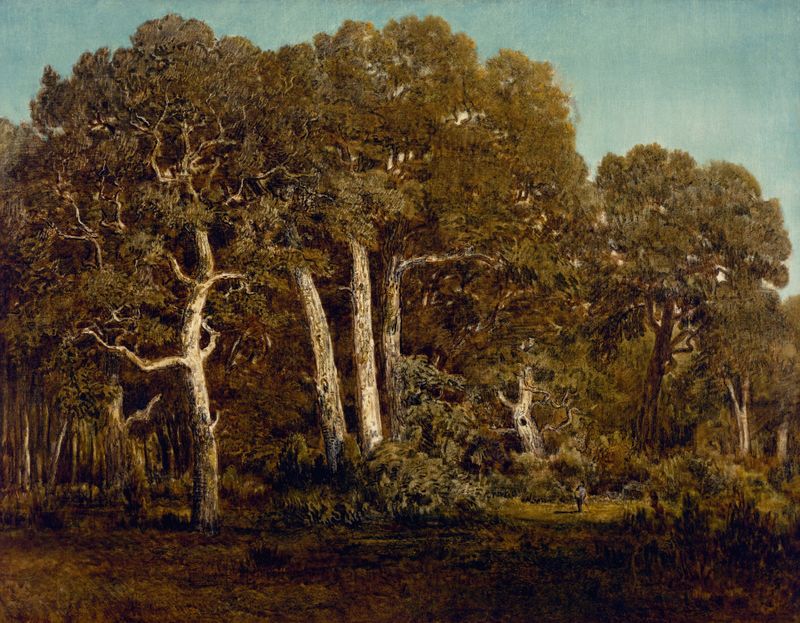
The Great Oaks of Old Bas-Bréau
Théodore Rousseau
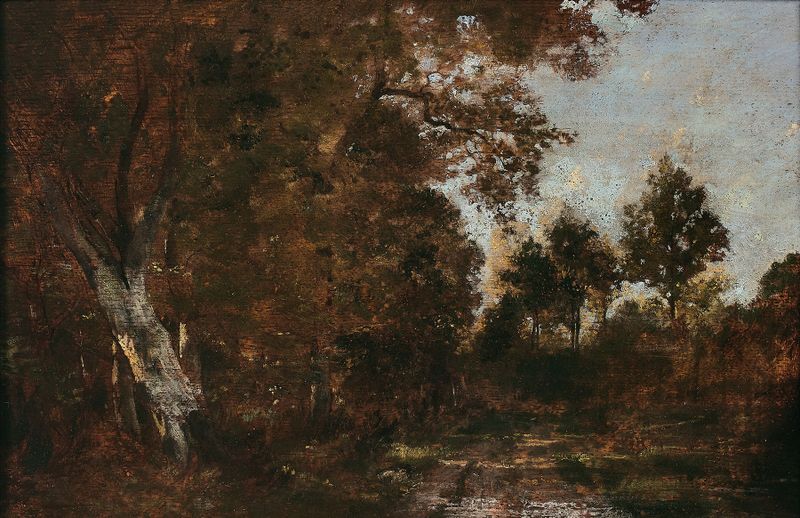
Paysage de sous-bois
Théodore Rousseau
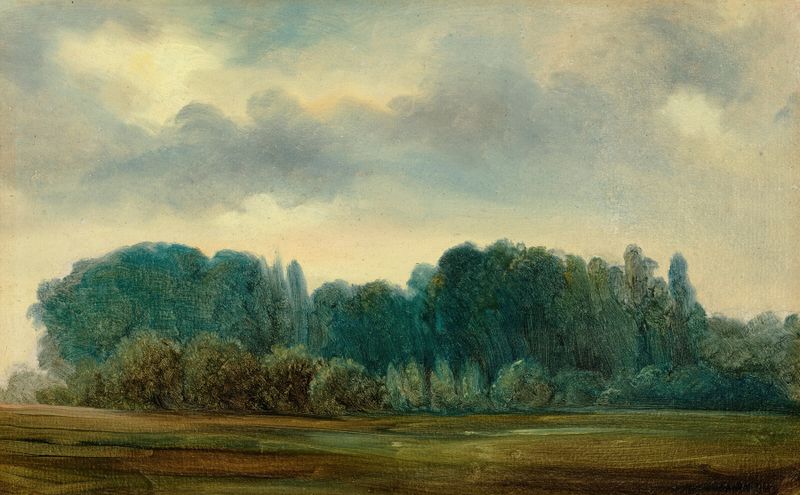
Paysage
Théodore Rousseau
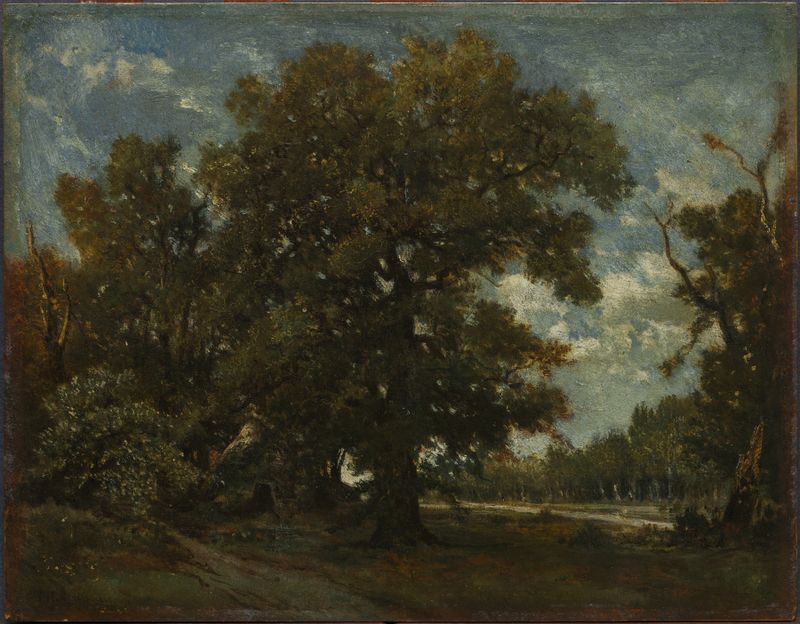
The Oak Tree
Théodore Rousseau
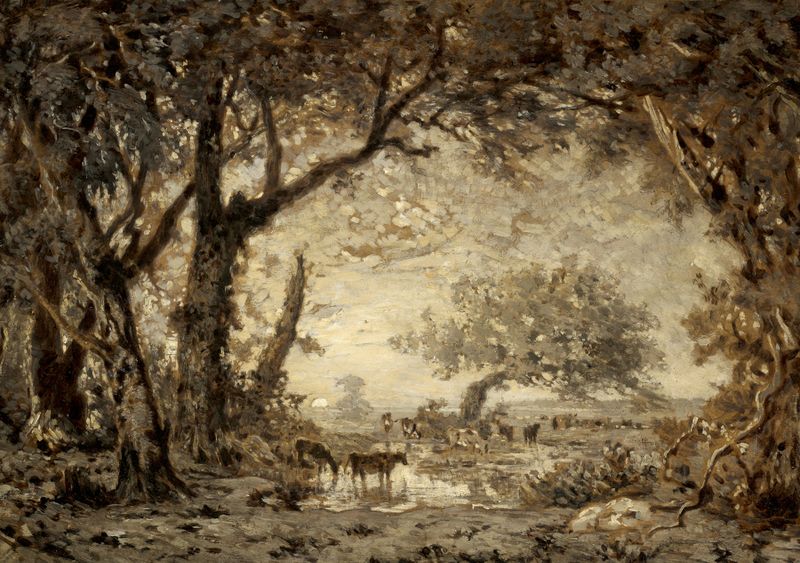
Sunset from the Forest of Fontainebleau
Théodore Rousseau
Edge of the Forest, Sun Setting
Théodore Rousseau
Soleil Couchant
Théodore Rousseau





