
Maaltijd in Emmaüs — History & Facts
This statement echoes in the heart of Maaltijd in Emmaüs, a vivid depiction of transformation and revelation. The painting reflects the quiet turmoil of the human experience, where moments of divine connection emerge from everyday life. Here, the mundane and the miraculous entwine, inviting us to ponder the boundaries of belief and reality. Focus first on the figures gathered at the table, their expressions a blend of astonishment and recognition.
The central light source cascades from above, illuminating the Christ figure, whose serene demeanor contrasts sharply with the shock of the disciples. Notice how Pencz employs a rich palette of earthy tones, creating a warmth that envelops the scene, drawing the viewer into this moment of communion. The careful arrangement of the objects on the table—the bread, the wine, and the rich textiles—suggests both abundance and the simplicity of shared meal, anchoring the spiritual significance in the physical realm. Delve deeper into the painting's subtleties: the subtle gestures, the interplay of light and shadow, and the intricate details of the surroundings all hint at themes of revelation and faith.
The disciples’ body language conveys a tumult of emotions, from doubt to belief, reflecting the tumultuous nature of spiritual awakening. The presence of the bread evokes the Last Supper, hinting at the cyclical nature of faith and the transformations it inspires, both in the individual and community. Georg Pencz painted Maaltijd in Emmaüs during the years 1534-1535, a period marked by the upheaval of the Reformation in Europe. Working in Nuremberg, he was part of a vibrant artistic community that grappled with the shifting religious landscapes.
This artwork emerged amid tensions between tradition and innovation, capturing a moment that encapsulates the revolution not just in art, but in faith itself, forever altering the spiritual dialogue of the time.
More Artworks by Georg Pencz
Browse all →
Parabel van de zaaier
Georg Pencz

Parabel van de arbeiders in de wijngaard
Georg Pencz
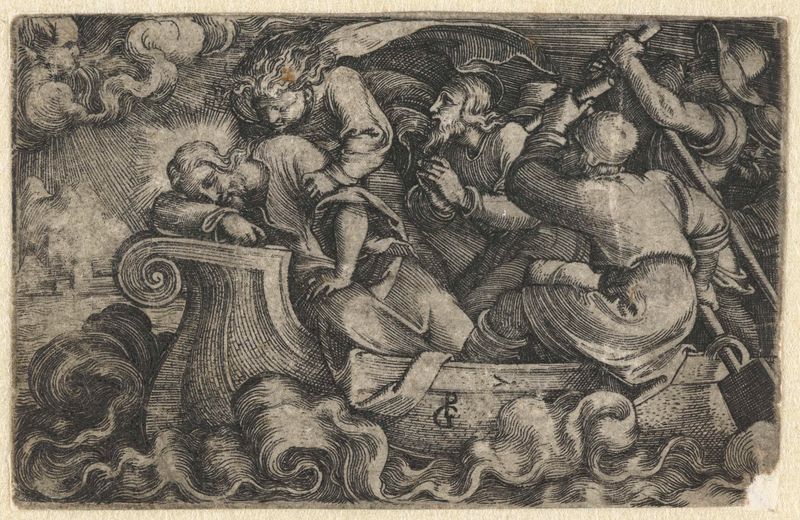
Discipelen wekken slapende Christus tijdens storm op Meer van Galilea
Georg Pencz

Afgunst (Invidia)
Georg Pencz
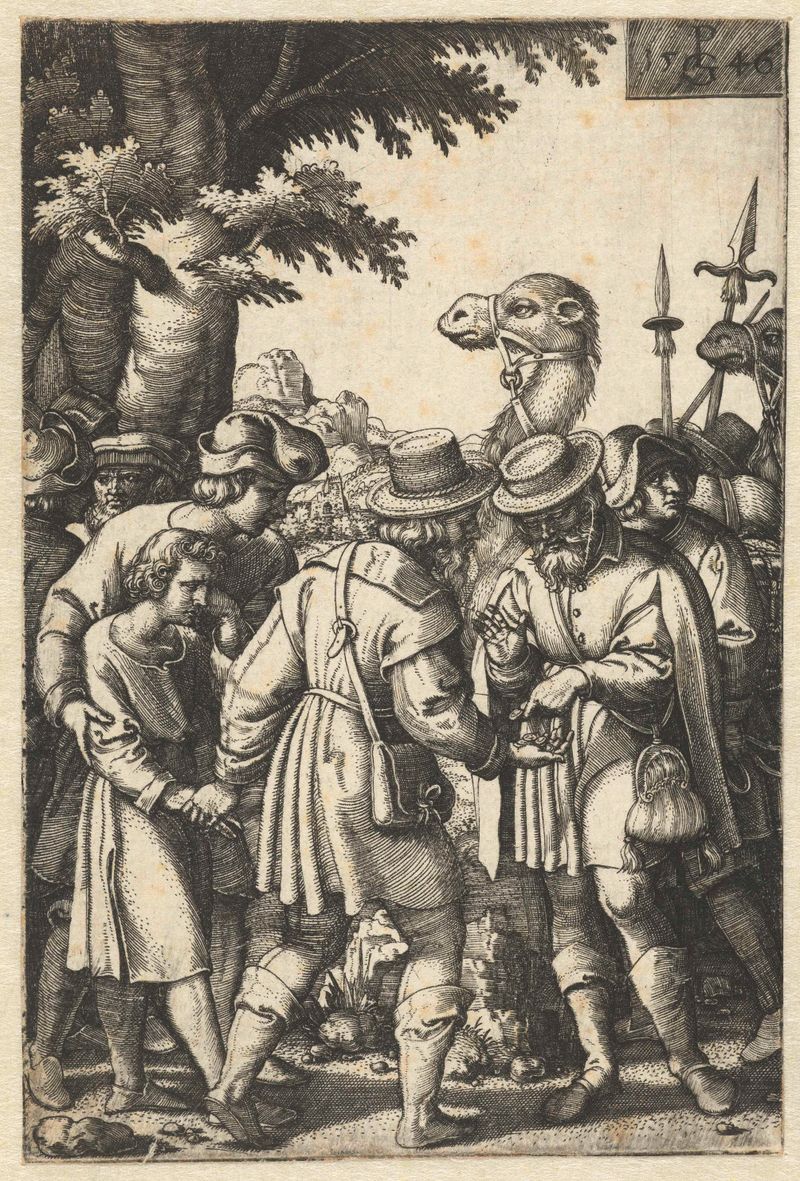
Jozef wordt verkocht aan kooplieden op weg naar Egypte
Georg Pencz

Aanbidding der koningen
Georg Pencz
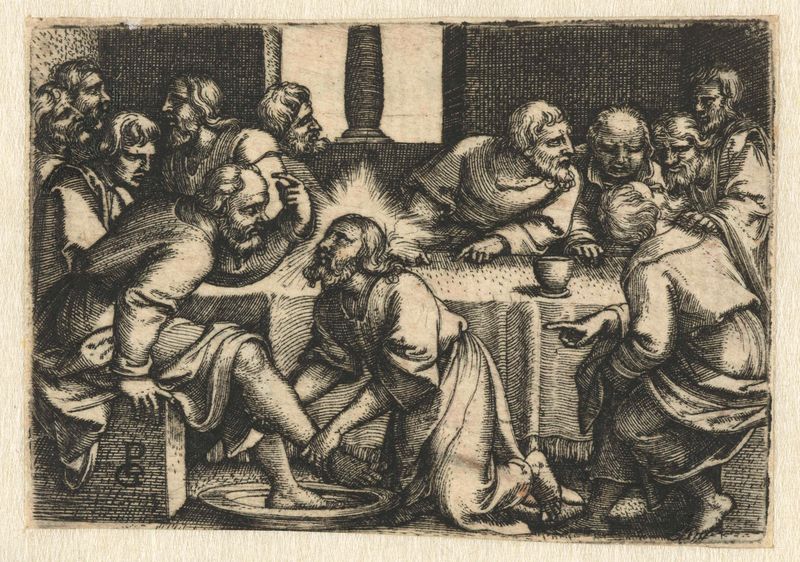
Petrus protesteert als Christus zijn voeten wast
Georg Pencz
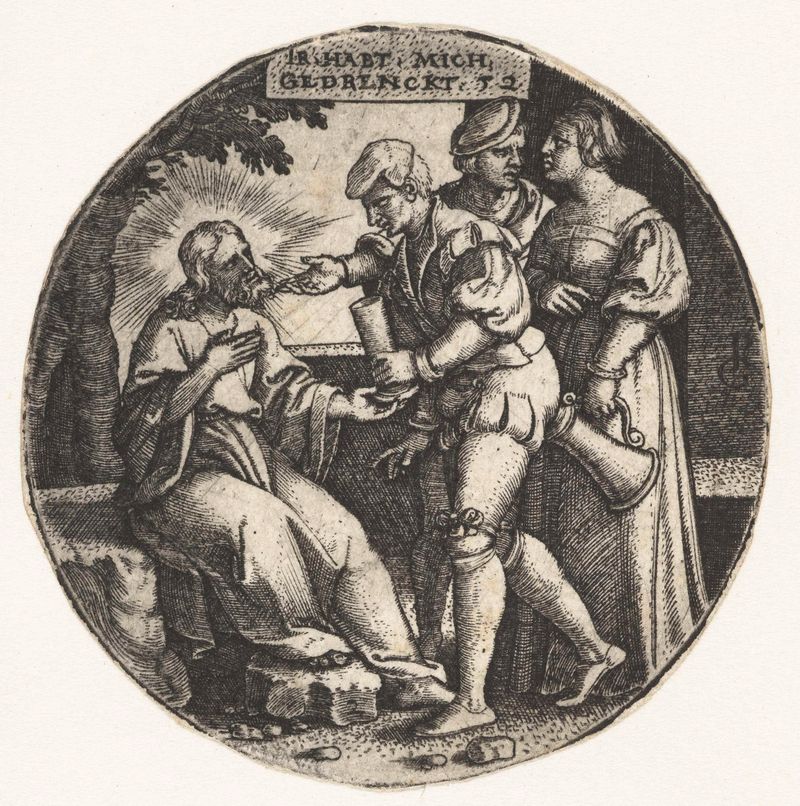
Christus heeft dorst en krijgt drinken aangeboden
Georg Pencz
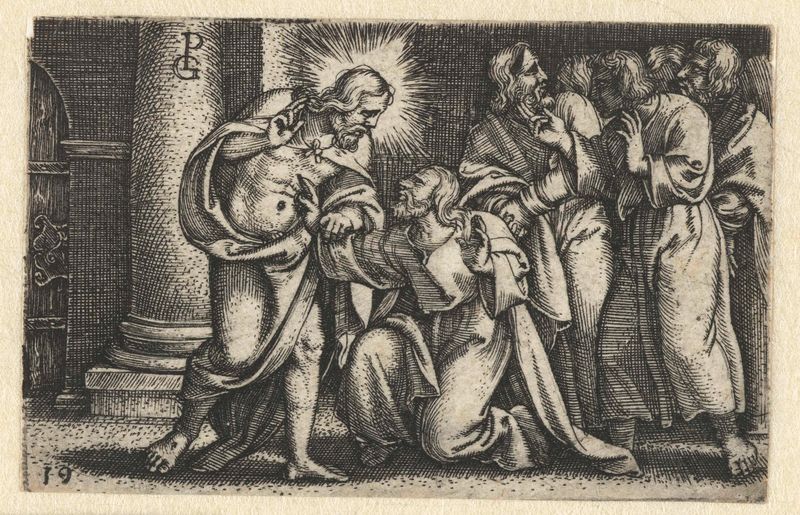
Ongelovige Thomas raakt wonden Christus aan
Georg Pencz

Offer van Abraham van Isaak
Georg Pencz
More Religious Art
Browse all →
The Return of the Prodigal Son
Rembrandt van Rijn

The Garden of Earthly Delights
El Bosco

Count Orgaz’ funeral
El Greco

The Hundred Guilder Print: the central piece with Christ preaching, the plate arched
Rembrandt van Rijn

The Descent from the Cross
Rogier van der Weyden

The return of the prodigal son
Rembrandt van Rijn