
Madame Zborowska — History & Facts
When Amedeo Modigliani painted Madame Zborowska in 1918, he was capturing not just a sitter but a muse at the heart of his own artistic circle. Anna Zborowska, the wife of Modigliani’s dealer and close friend Léopold Zborowski, became one of his most frequent models during the final years of his life. The Zborowskis supported Modigliani through periods of illness and poverty, and Anna’s calm presence is said to have offered him a rare sense of stability.
Unlike many of his other portraits, this work was not a formal commission but a gesture of gratitude and intimacy within the artist’s Parisian community. Anna sits upright, her elongated neck and almond-shaped eyes unmistakably transformed by Modigliani’s signature style. Her gaze is gentle yet distant, her hands folded in her lap, suggesting both reserve and quiet strength. The simplified, mask-like features—flattened nose, long oval face—echo African sculpture, which deeply influenced Modigliani.
The muted palette and soft, almost unfinished background keep the viewer’s focus on Anna’s expression, inviting us to read her inner world. Unlike the psychological intensity of Pablo Picasso’s portraits from the same era, Modigliani’s approach is one of serene detachment, turning his sitter into an icon of introspection. The painting’s journey reflects the turbulence of its time. Created during the last years of World War I, Madame Zborowska remained with the Zborowski family for some years before entering private collections.
Its attribution has never been seriously questioned, as the style and subject are so characteristically Modigliani. Today, the work stands as a testament to the artist’s close relationships and the Parisian avant-garde scene of the late 1910s. It remains one of the most personal and quietly powerful portraits from the final chapter of Modigliani’s brief, luminous career.
More Artworks by Amedeo Modigliani
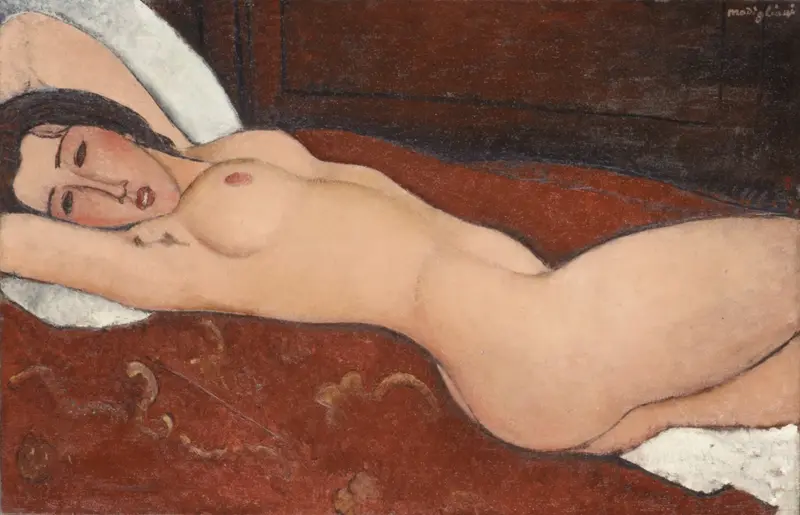
Reclining Nude
Amedeo Modigliani

Portrait Of Jeanne Hébuterne
Amedeo Modigliani

Jeanne Hébuterne
Amedeo Modigliani
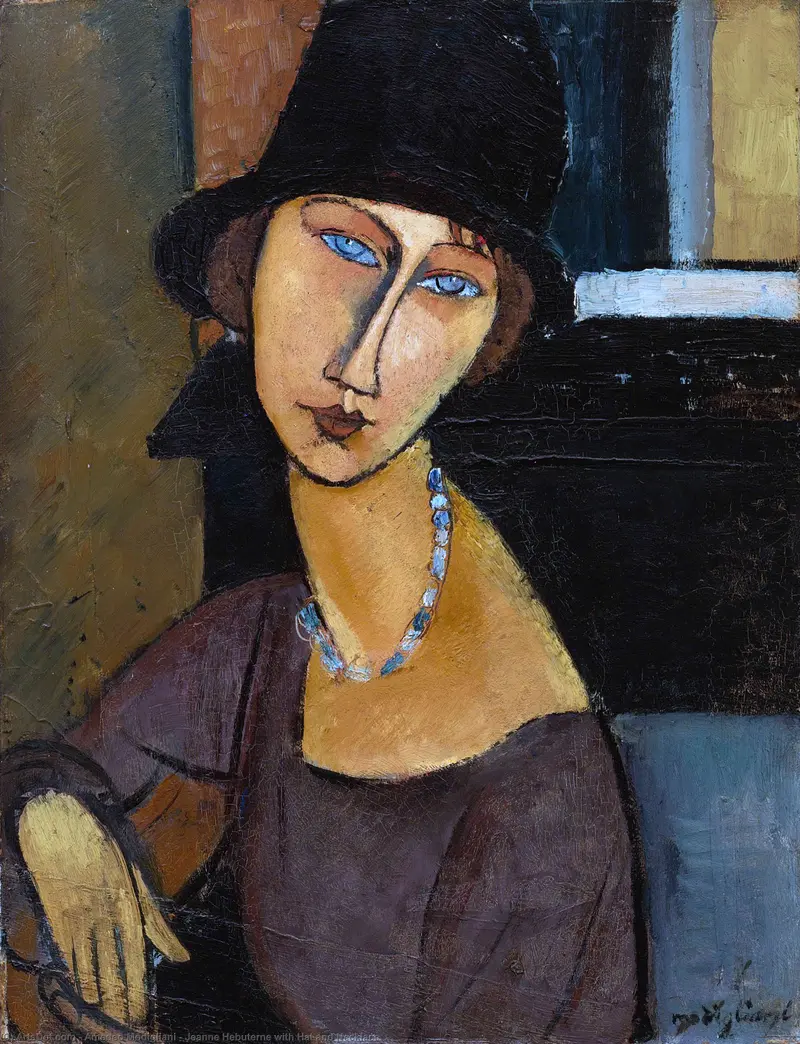
Jeanne Hébuterne with Hat and Necklace
Amedeo Modigliani
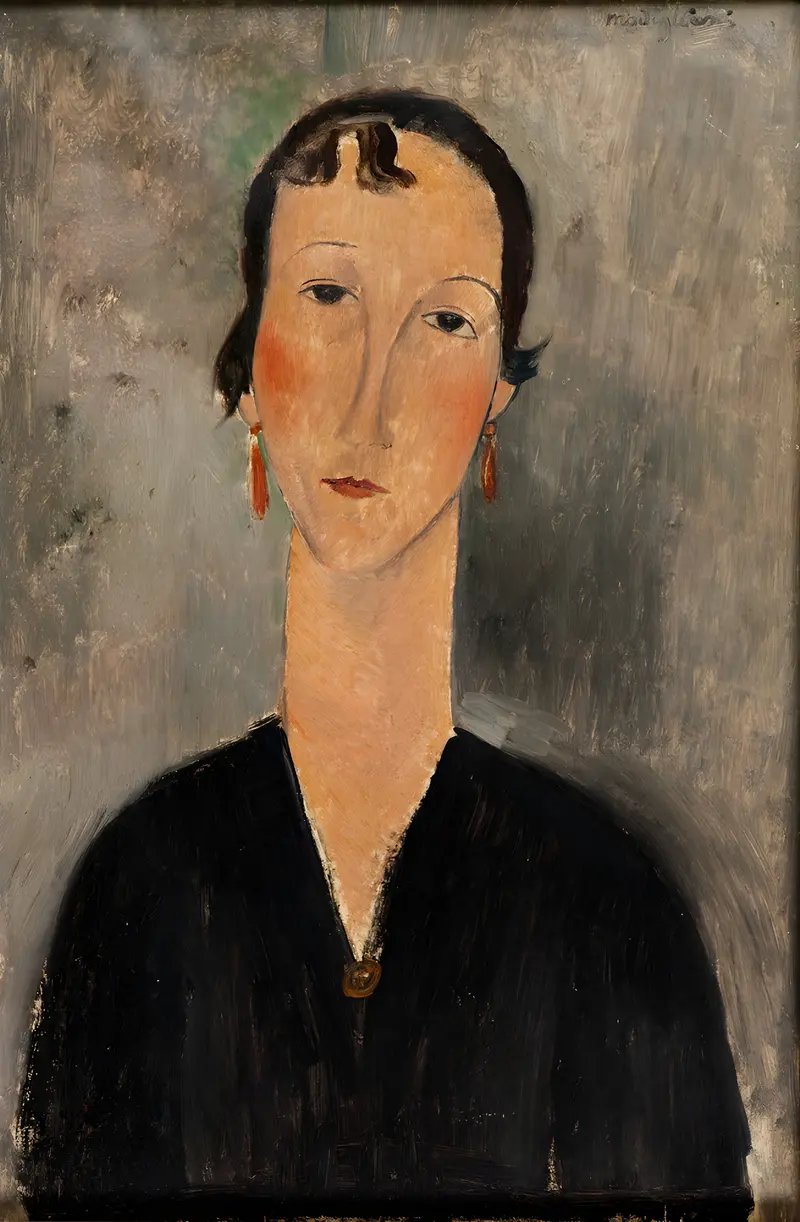
Femme aux boucles d'oreilles
Amedeo Modigliani
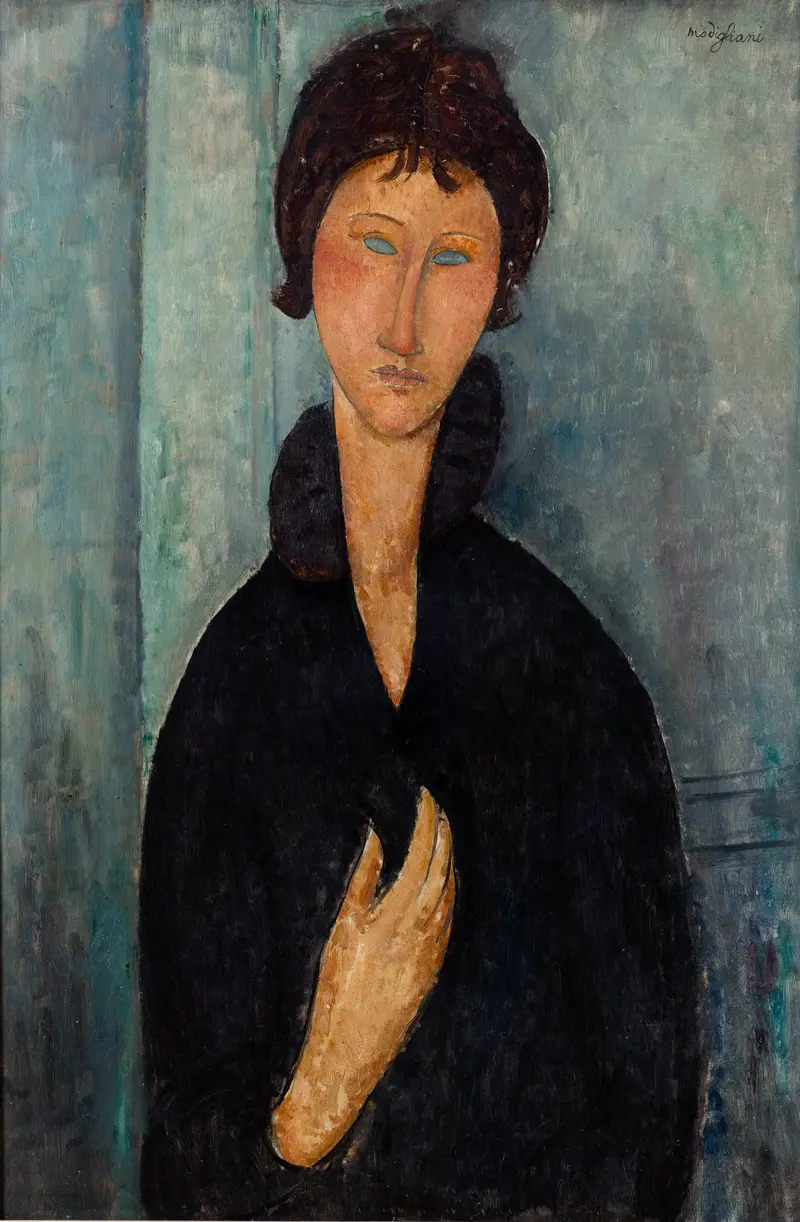
Femme aux yeux bleus
Amedeo Modigliani
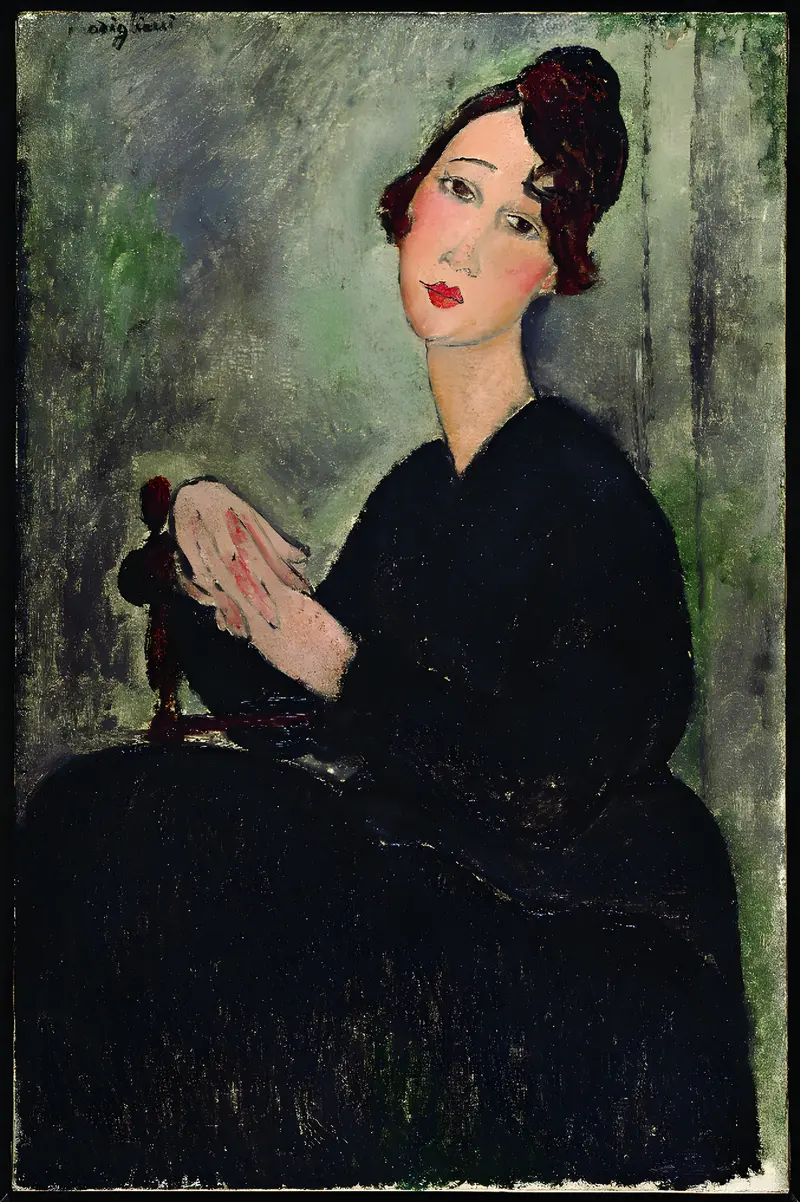
Portrait of Dedie
Amedeo Modigliani
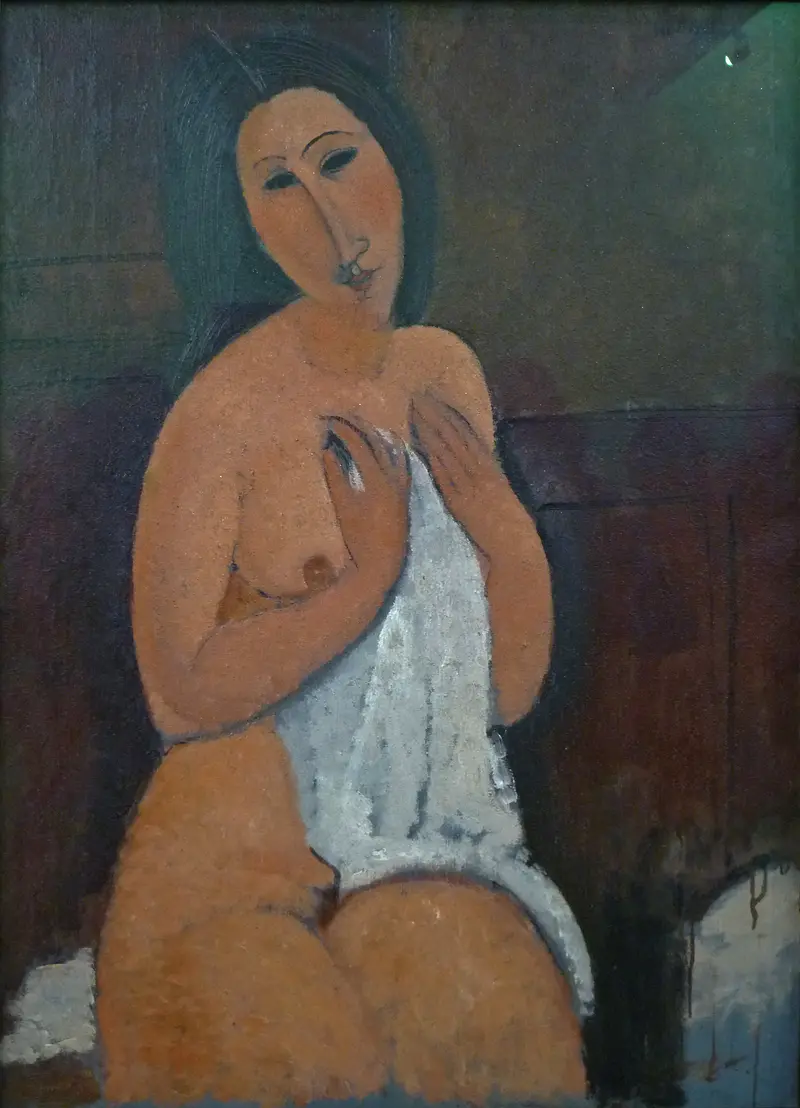
Seated nude with shirt
Amedeo Modigliani
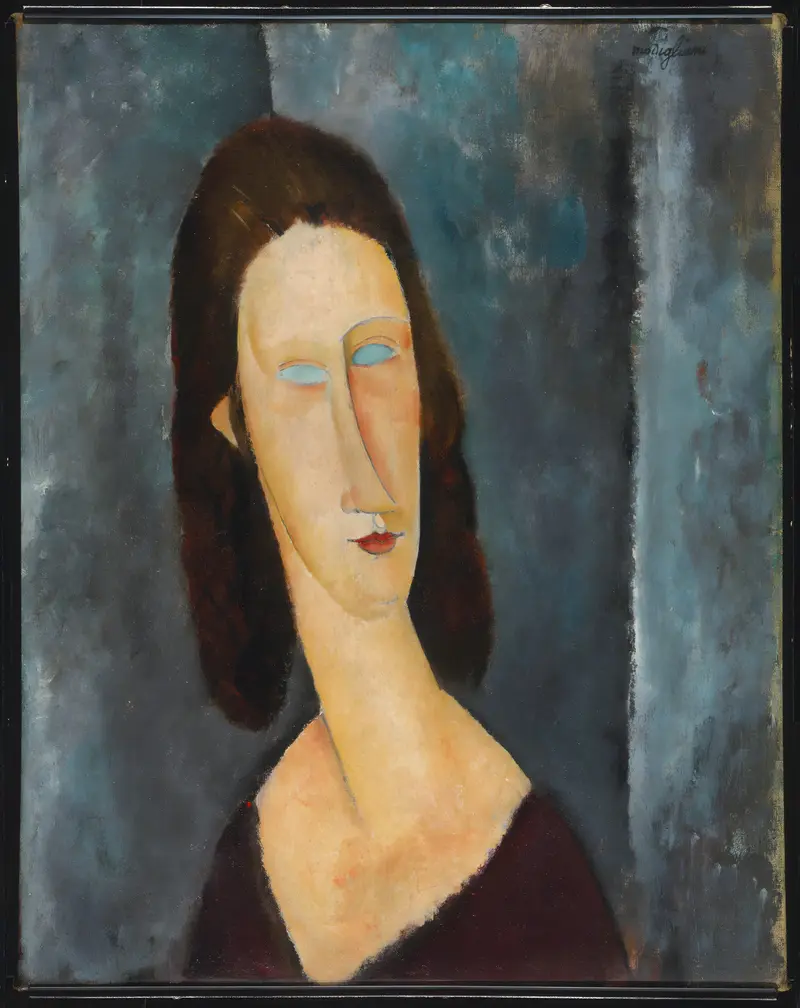
Blue Eyes (Portrait of Madame Jeanne Hébuterne)
Amedeo Modigliani
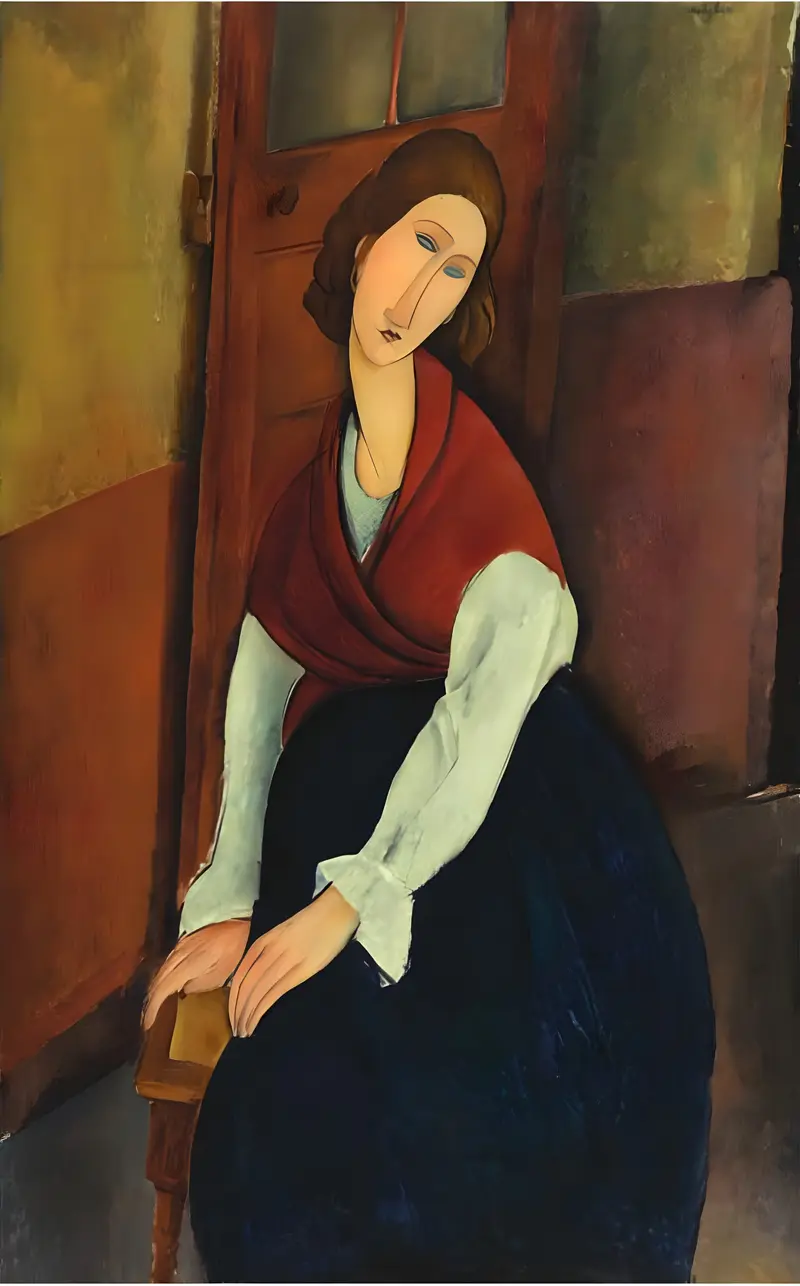
Jeanne Hebuterne in Red Shawl
Amedeo Modigliani





