
Madelieven in het gras — History & Facts
In the delicate dance between chaos and grace, betrayal quietly simmers, waiting to be revealed. Focus on the central figure reclining in the grass, surrounded by a riot of color that seems almost alive. The vibrant greens and muted earth tones create a tapestry that envelops the figure, drawing your eye first to the soft folds of her dress. Notice how the dappled light plays across her skin, casting gentle shadows that hint at a deeper story, one that flickers beneath the surface of tranquility. The contrast between the serene pose and the tumultuous background evokes a sense of unease.
The bold brushstrokes convey a tension that belies the peaceful scene; there’s an unmistakable weight in the air, as if the flowers surrounding her bear witness to an unspoken betrayal. The vivid colors seem to vibrate with emotion, suggesting layers of hidden meaning and conflict that linger just out of reach, inviting the viewer to explore the complexities of the narrative. Created during a tumultuous period in European history, this work emerged from the artist's studio between 1911 and 1943. Hendriks, grappling with the artistic movements of his time, sought to capture both the beauty and the chaos inherent in human relationships.
His exploration of intimacy and betrayal reflects not just personal experiences but also the broader disillusionment of a world on the brink of change.
More Artworks by Arend Hendriks
Browse all →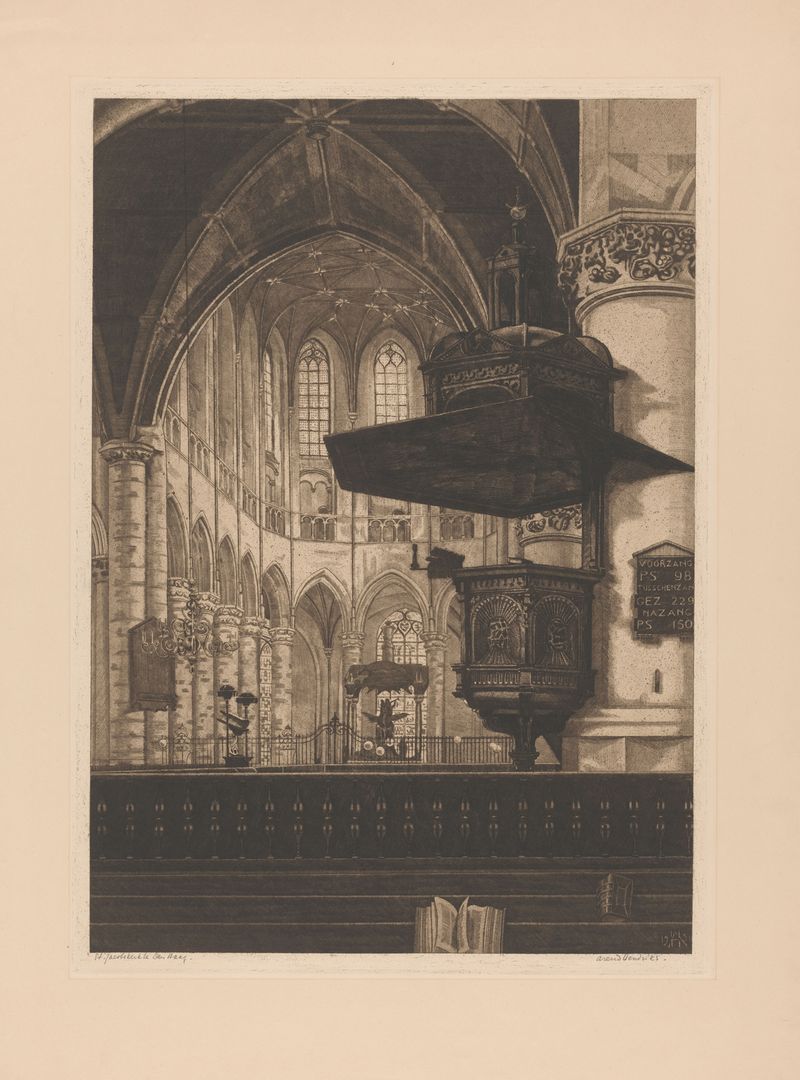
St. Jacobskerk te Den Haag
Arend Hendriks

Landschap met bloemen
Arend Hendriks
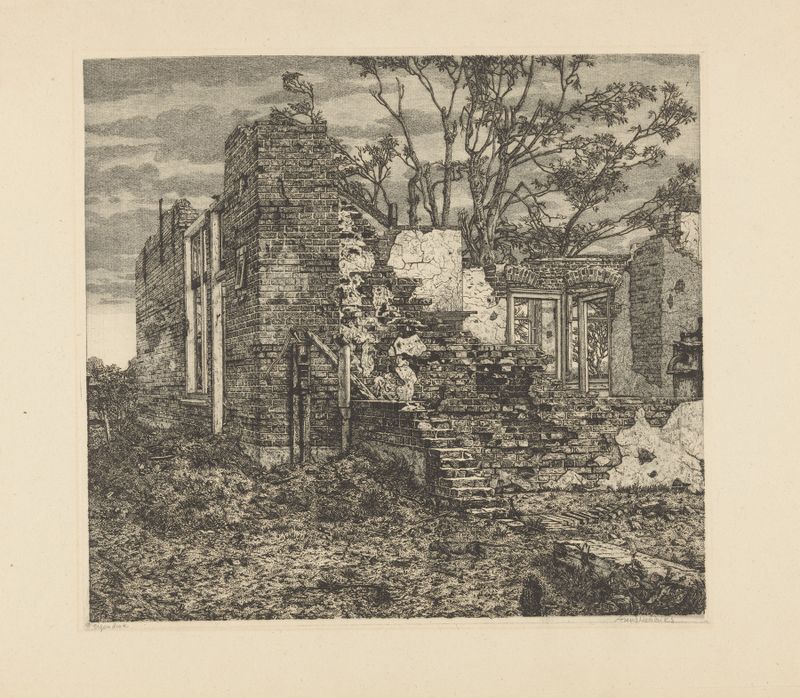
Ruïne van een huis
Arend Hendriks
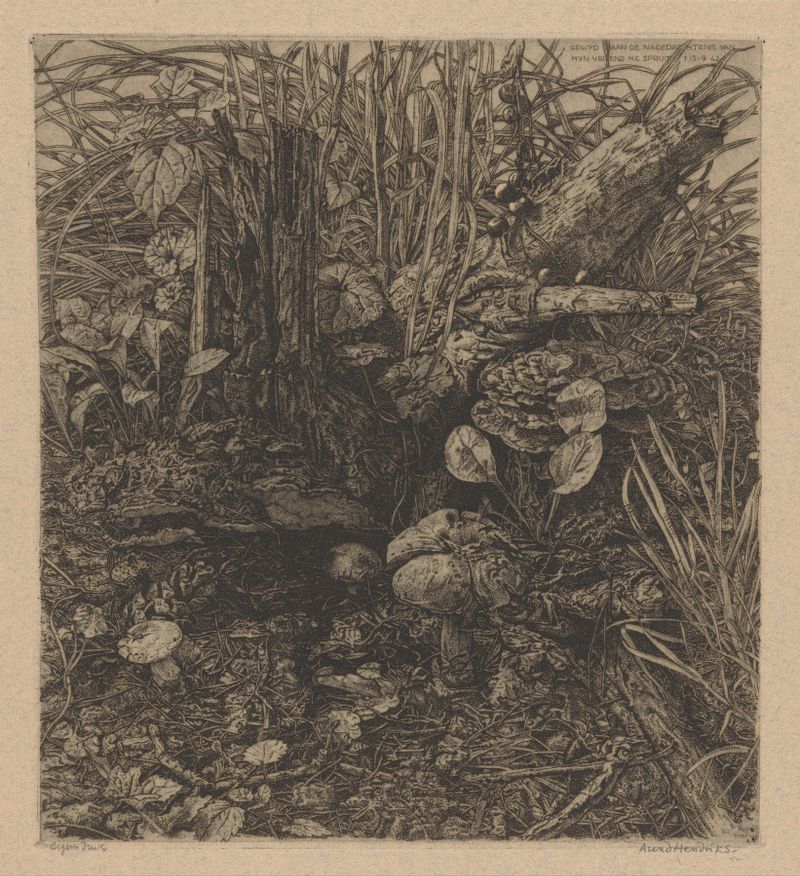
Paddenstoelen bij een boomstronk
Arend Hendriks

Gezicht op Huis ten Bosch, RP-P-2014-83-65
Arend Hendriks
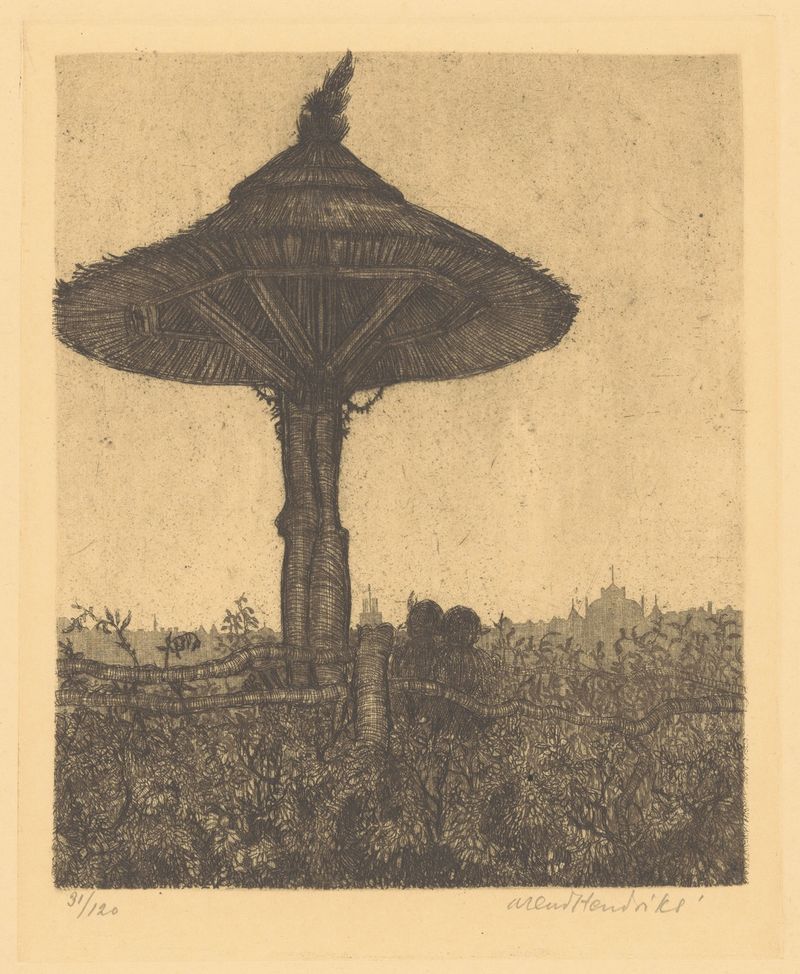
De paraplu
Arend Hendriks
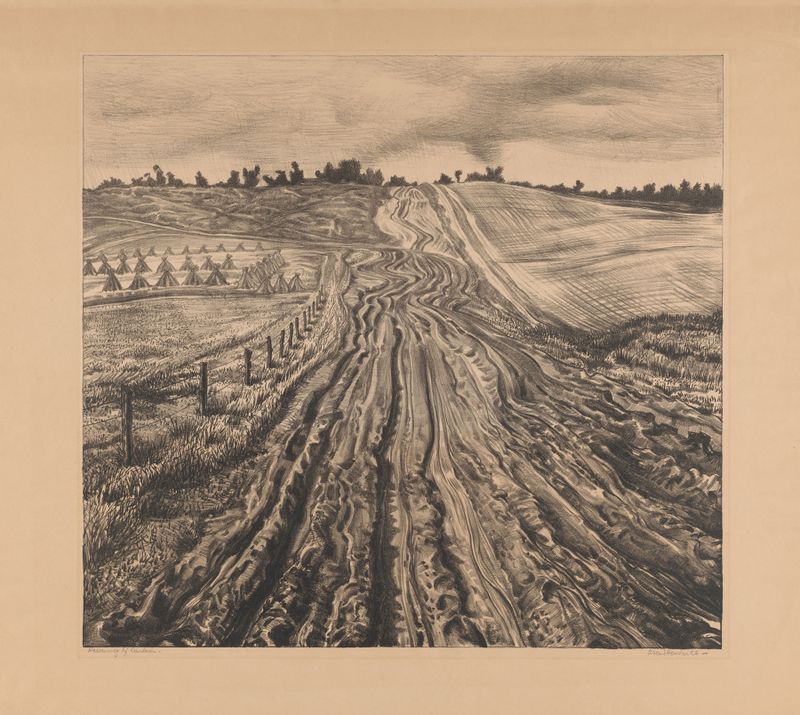
Hessenweg bij Lunteren
Arend Hendriks
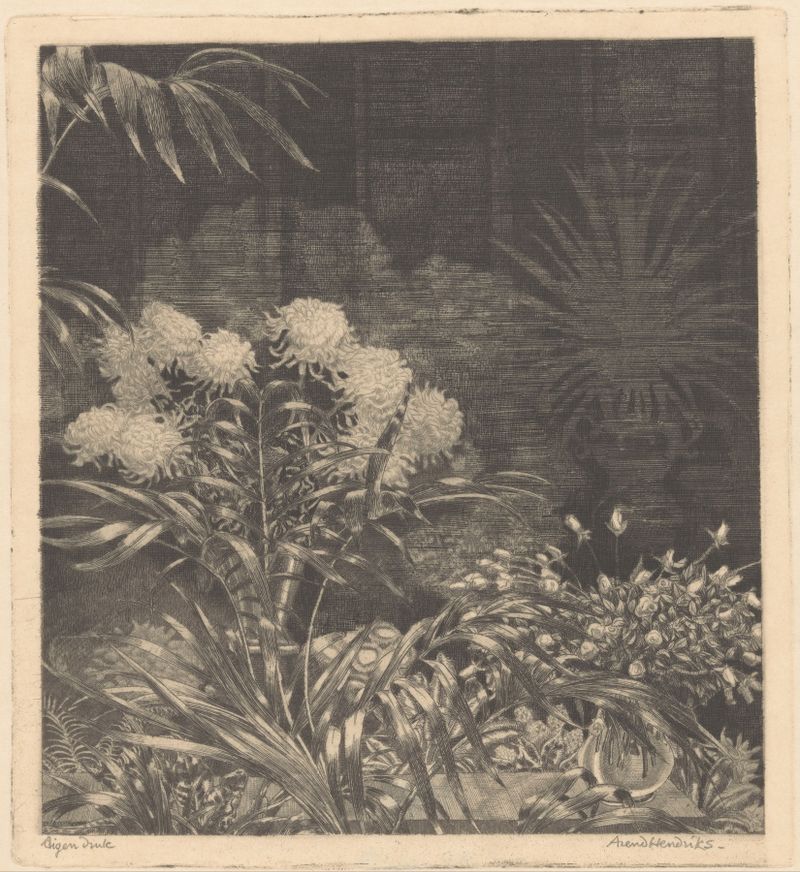
Interieur met bloemen in vazen en planten in potten
Arend Hendriks
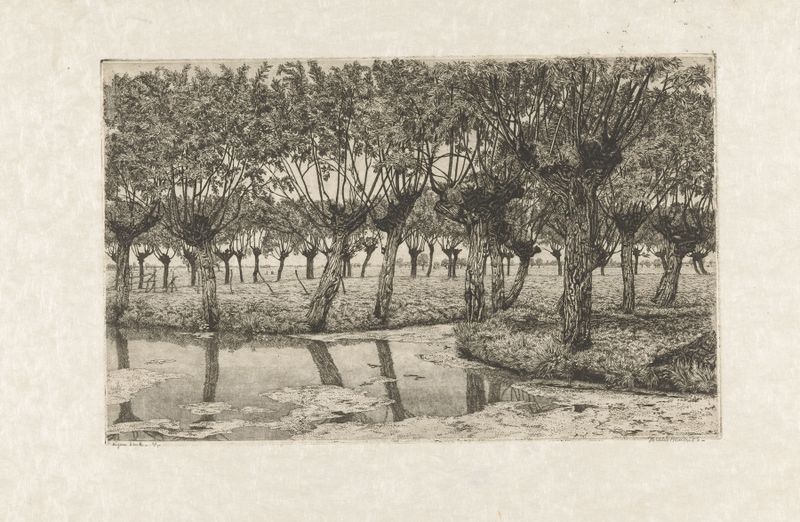
Polderlandschap met knotwilgen
Arend Hendriks
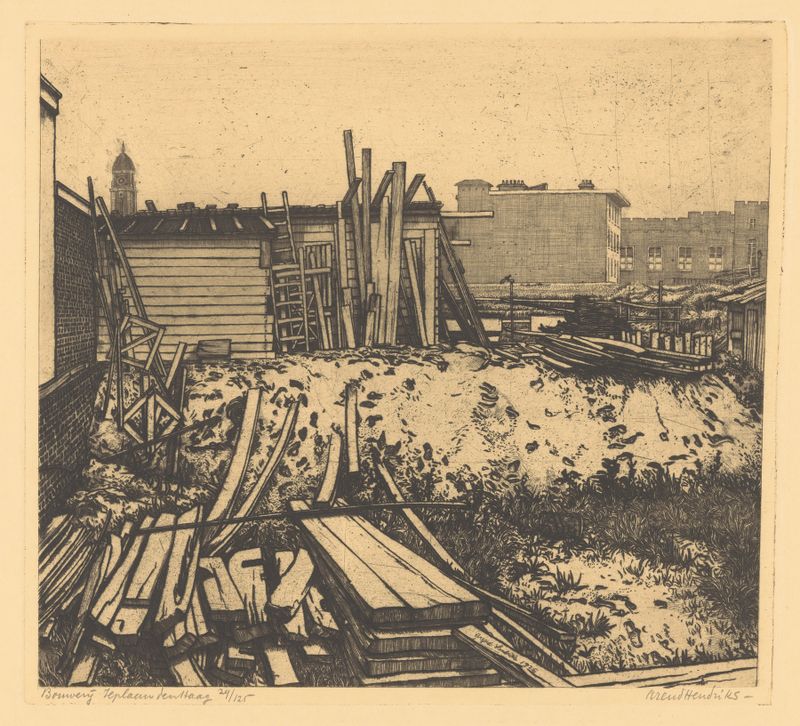
Bouwerij, Ieplaan, Den Haag
Arend Hendriks





