
Madison Square,Snow — History & Facts
Who listens when art speaks of silence? In Madison Square, Snow, the stillness envelops viewers like a soft blanket, inviting them to ponder the weight of absence and the quiet ache of grief. Focus first on the foreground, where the snow blankets the ground, pristine and untouched. The muted palette of whites and greys creates a sense of serenity, yet there lies an underlying tension. Look closely at the figures, mere silhouettes against the vast expanse of white; they appear detached, lost in their own thoughts as they traverse the somber scene.
The soft brushwork captures the gentle fall of snowflakes, enhancing the tranquility, while the cool light casts a melancholic glow over the entire composition. As you move your gaze upward, notice the stark contrast between the towering buildings and the enveloping snow. This juxtaposition evokes the isolation that can dwell even in bustling urban life. The absence of vibrant colors and the predominance of cold tones enrich the emotional gravity, suggesting that amidst the city's vibrancy, there exists profound solitude.
Each figure's silent struggle hints at personal stories, inviting viewers to reflect on their own narratives of loss and yearning. In 1904, when the artist created this piece, he was deeply engaged in the American art scene, exploring the interplay of nature and urban life. The early 20th century was marked by rapid industrial change, and Tucker sought to capture the delicate balance between humanity and the environment. This work reflects his evolving style and emotional depth, resonating with the collective experiences of a society grappling with modernity and introspection.
More Artworks by Allen Tucker
Browse all →
Surf Breaking, Cranberry Island
Allen Tucker
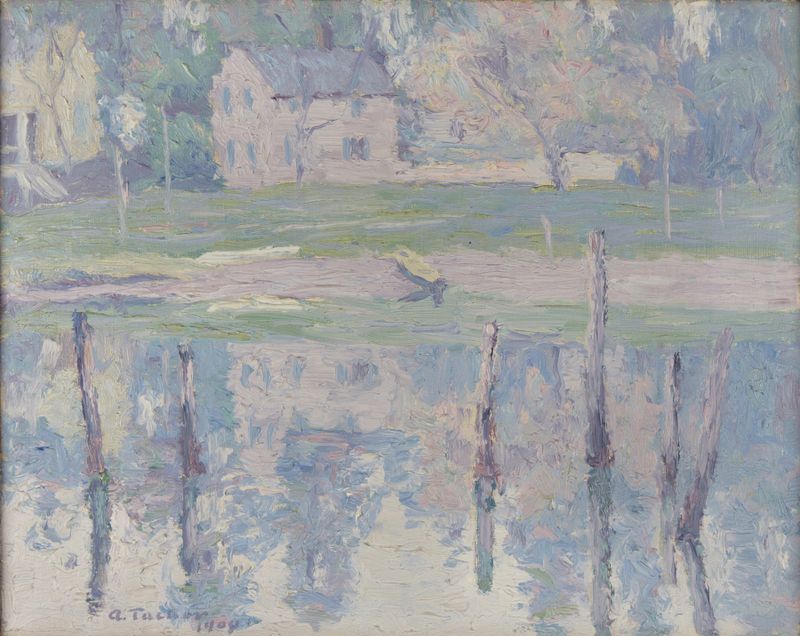
Landscape
Allen Tucker

Cloudburst at Black Mesa, New Mexico
Allen Tucker
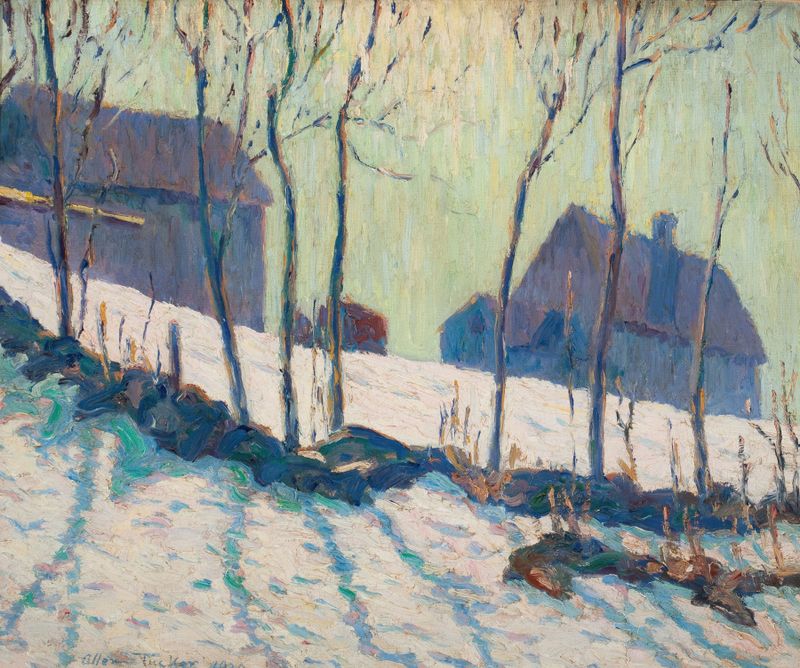
Winter Landscape
Allen Tucker
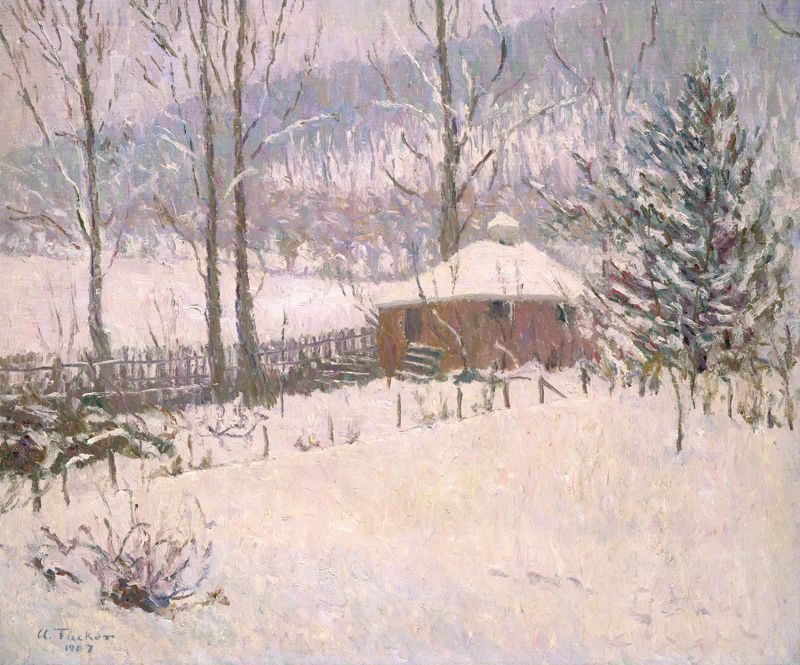
Winter at Portland
Allen Tucker

Watercolor No. 73, Blue And Lavender
Allen Tucker
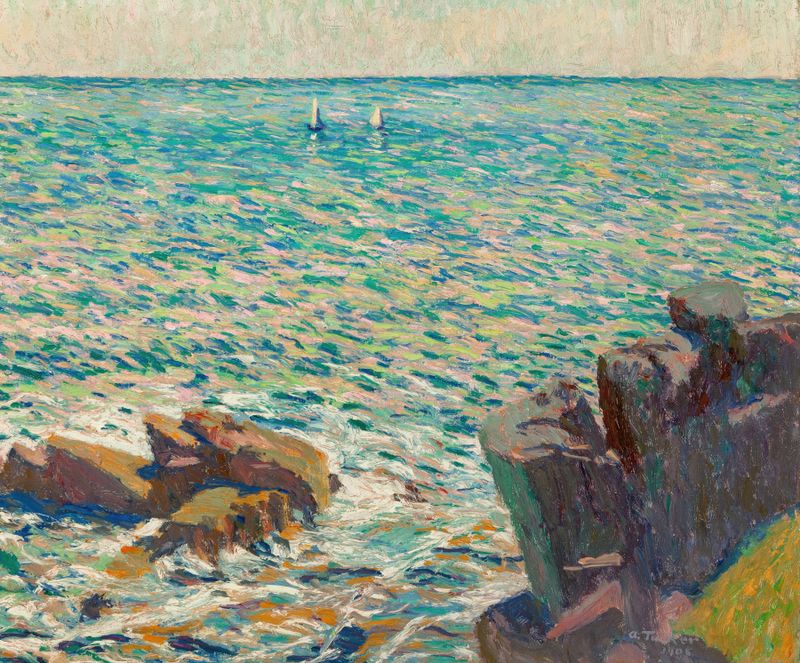
Two Boats
Allen Tucker
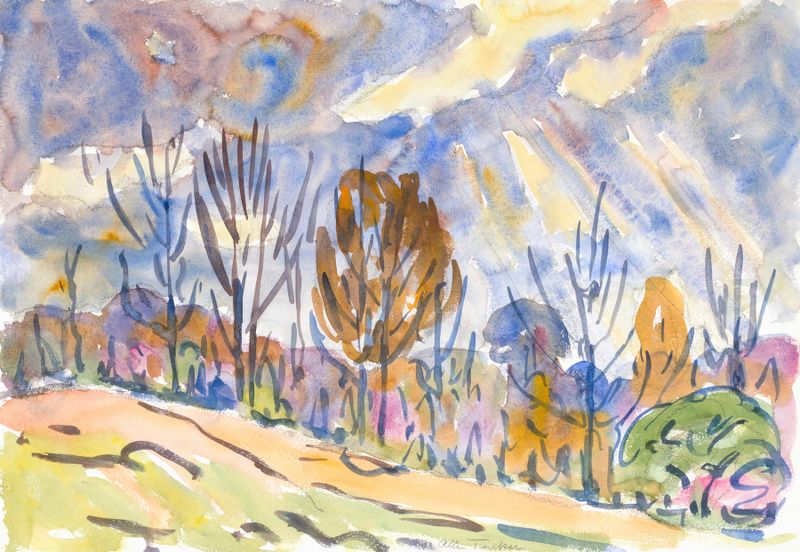
Watercolor No. 63, Road
Allen Tucker

Bunker Hill
Allen Tucker

Watercolor No. 6, Blue Coast
Allen Tucker





