
Winter Landscape — History & Facts
Who listens when art speaks of silence? In the stillness of Winter Landscape, the viewer is beckoned into a world where the crispness of the season is palpable, evoking a sense of faith in nature’s quietude and resilience. Look to the foreground, where a blanket of pristine snow stretches across the canvas, its texture rich and inviting. Notice how the light gently caresses the surface, casting soft shadows that intermingle with the vibrant blues and whites. The trees, adorned with frosty branches, rise majestically against a backdrop of muted grays and blues, creating a harmonious balance that draws the eye deeper into this tranquil scene.
The careful brushwork reveals Tucker's devotion to capturing the subtle beauty of winter, inviting reflection on the serenity of the moment. Beyond the surface, the painting resonates with emotional undercurrents—a juxtaposition between the harshness of winter and the solace it offers. The starkness of the landscape contrasts with the warmth of faith, suggesting a spiritual connection that thrives even in desolation. Each element, from the delicate play of light to the serene composition, establishes a dialogue between the viewer and the quiet strength found in nature’s embrace during the coldest months. In 1920, Winter Landscape emerged during a transformative period for Tucker, influenced by American modernism and a desire to convey emotional depth through simplified forms.
Living in New York, he was captivated by the evolving art scene, which sought to redefine representation and expression. This painting reflects both personal and collective introspection, capturing the essence of an artist navigating a world filled with change while holding onto faith in the enduring power of nature.
More Artworks by Allen Tucker
Browse all →
Surf Breaking, Cranberry Island
Allen Tucker
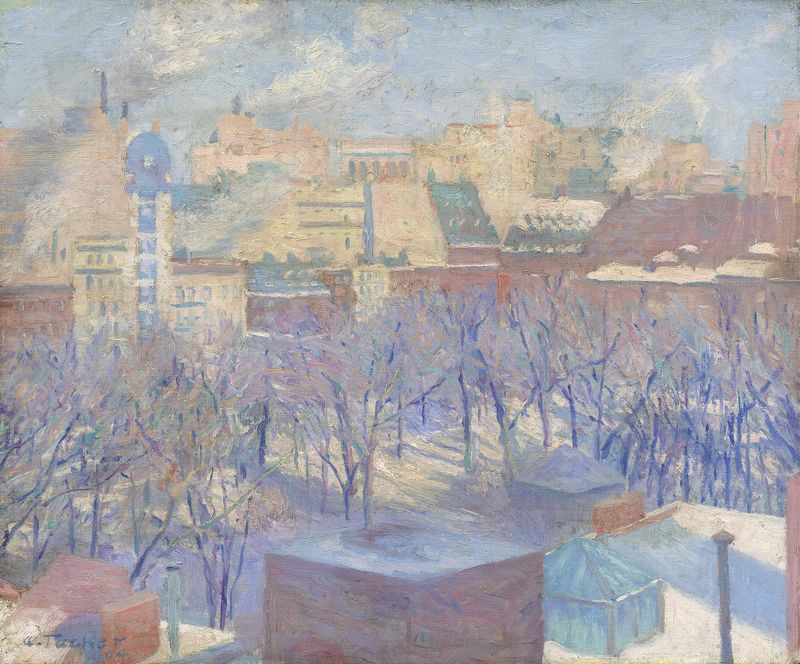
Madison Square,Snow
Allen Tucker
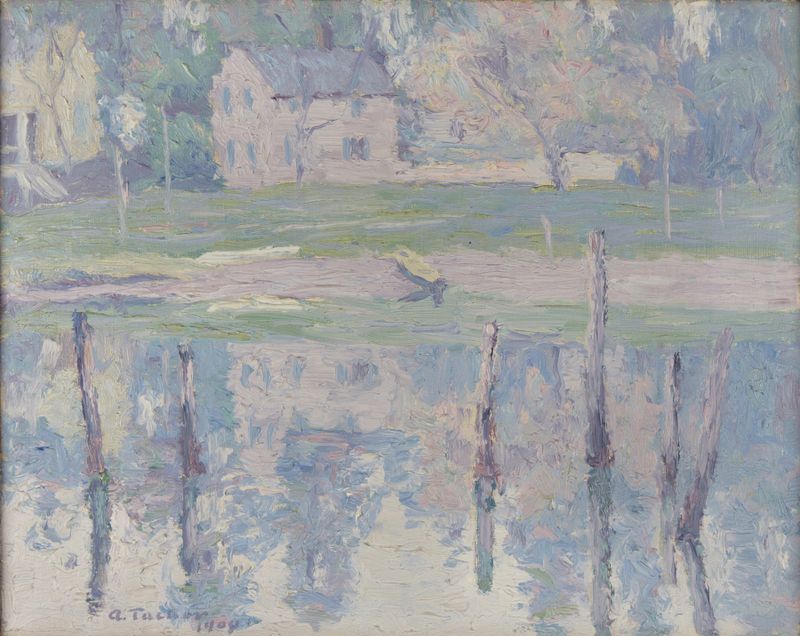
Landscape
Allen Tucker

Cloudburst at Black Mesa, New Mexico
Allen Tucker
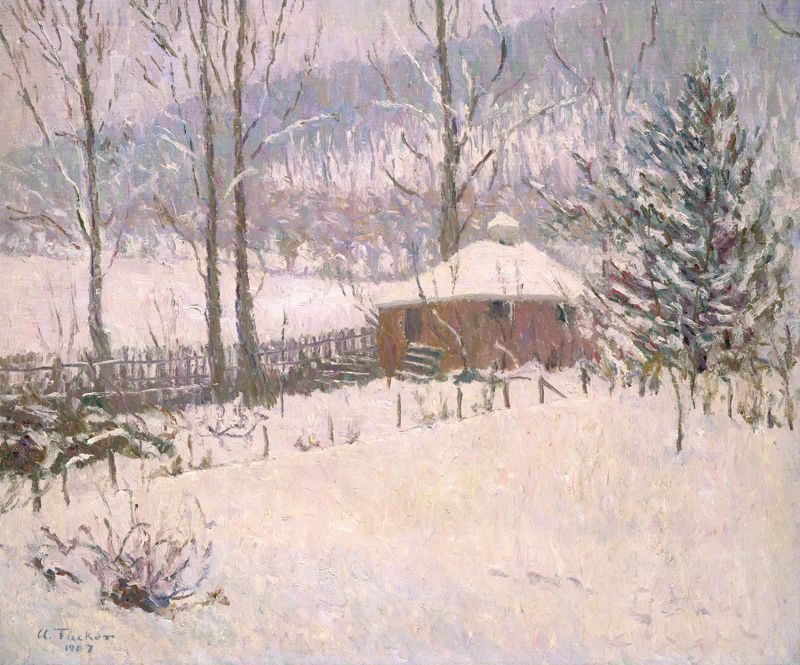
Winter at Portland
Allen Tucker

Watercolor No. 73, Blue And Lavender
Allen Tucker
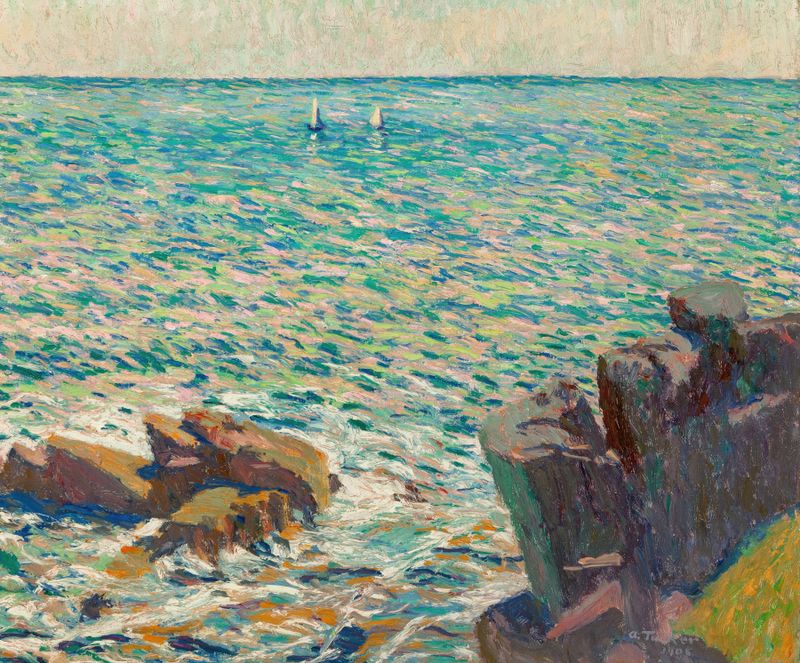
Two Boats
Allen Tucker
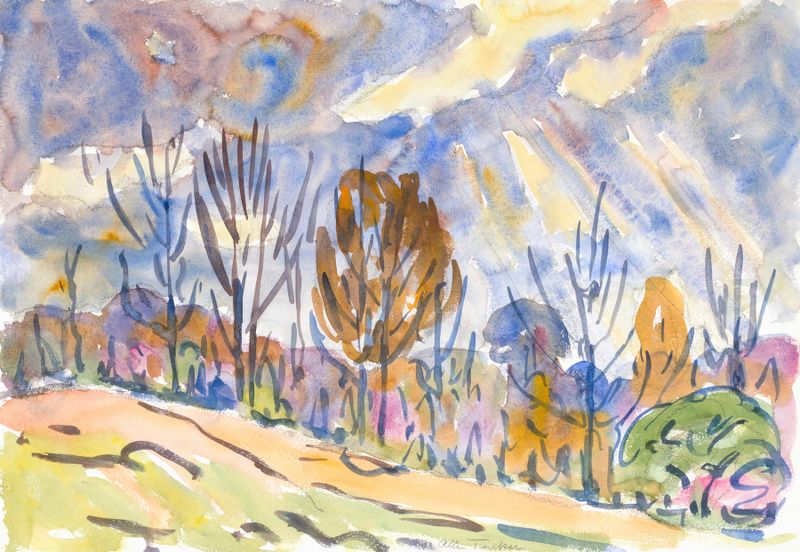
Watercolor No. 63, Road
Allen Tucker

Bunker Hill
Allen Tucker

Watercolor No. 6, Blue Coast
Allen Tucker





