
Madonna di Senigallia — History & Facts
A shaft of light, streaming from an unseen window, has fueled centuries of debate about the meaning and origin of Madonna di Senigallia. Painted by Piero della Francesca around 1476, this work is remarkable for its almost photographic attention to the way light falls across faces, drapery, and objects—a technical feat rare in the 15th century. The painting’s earliest known home was the small church of Santa Maria delle Grazie outside Senigallia, but who commissioned it remains a mystery.
Some suggest Giovanni della Rovere, lord of Senigallia, ordered it to celebrate the birth of his son, but no documents survive to confirm this. The painting’s quiet intimacy and meticulous realism have made it a touchstone for scholars fascinated by Piero’s innovations. At the heart of the scene, the Virgin Mary gazes downward, her hands gently folded in prayer before the Christ Child, who sits upright on her lap. To their left, two angels present gifts: a basket of fine linen and a case of precious objects, symbols of purity and the sacredness of the event.
The Child’s direct, almost solemn gaze meets the viewer, while the light—so carefully rendered—touches the white cloth, the pearls on Mary’s headdress, and the transparent veil, underscoring themes of innocence and revelation. Unlike the crowded, ornate altarpieces of Fra Angelico or Botticelli, Piero pares the scene down to its essentials, creating an atmosphere of quiet contemplation and clarity. The painting’s journey from its original setting to the Galleria Nazionale delle Marche in Urbino is not fully documented, but it is known to have been removed from Senigallia in the 19th century. Over time, its authorship was questioned, but careful study of Piero’s characteristic use of geometry and light has confirmed his hand.
Today, Madonna di Senigallia is recognized as a pivotal work in Piero della Francesca’s late career, reflecting the artist’s fascination with perspective and the play of natural light. Its serene beauty continues to inspire visitors and scholars alike, standing as a quiet testament to the innovations of the early Renaissance.
Sources: Wikidata Q1092638 · Wikipedia: Madonna di Senigallia · Image source (Wikimedia Commons)
More Artworks by Piero Della Francesca

Portrait of the Duchess of Urbino, Battista Sforza
Piero Della Francesca

Portrait of Federico da Montefeltro
Piero Della Francesca

Federico da Montefeltro, Duke of Urbino
Piero Della Francesca
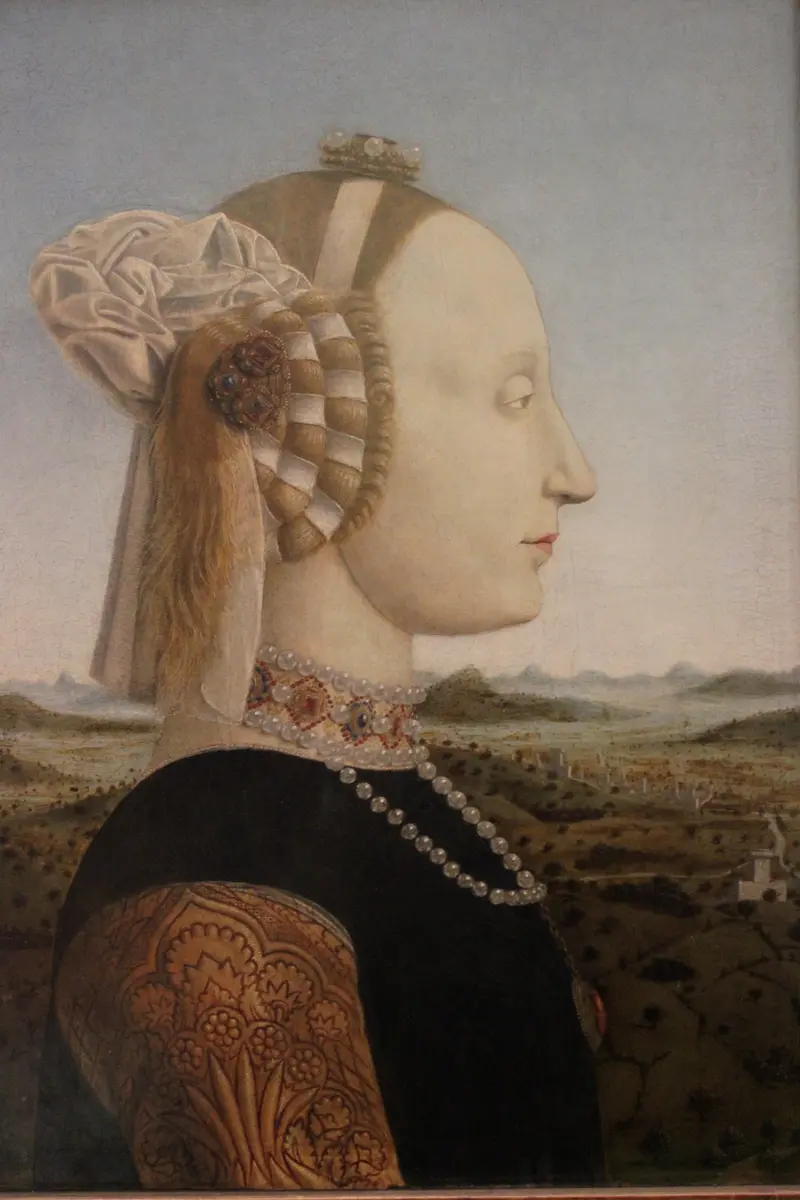
Portrait of Battista Sforza
Piero Della Francesca
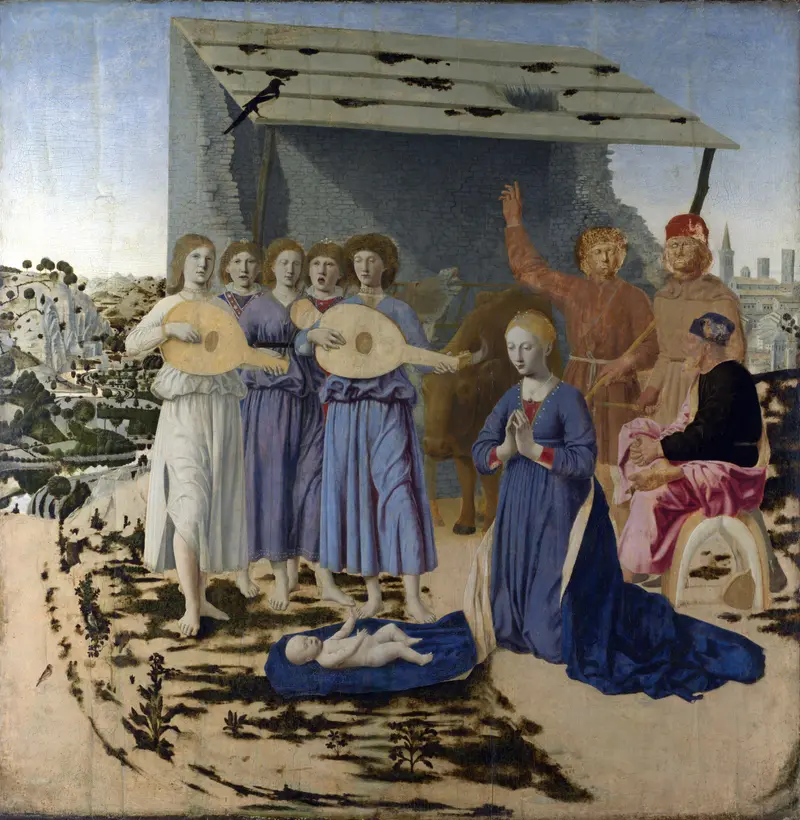
The Nativity
Piero Della Francesca
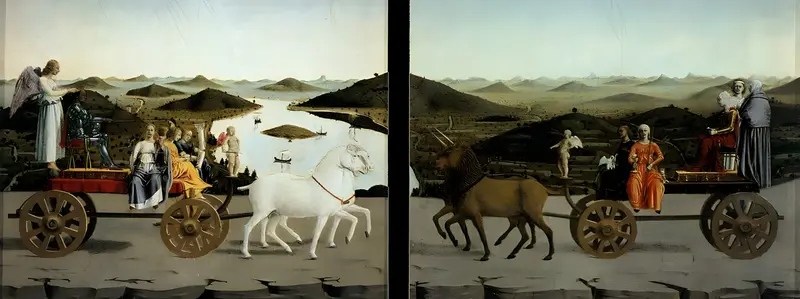
Diptych of Federico da Montefeltro and Battista Sforza
Piero Della Francesca
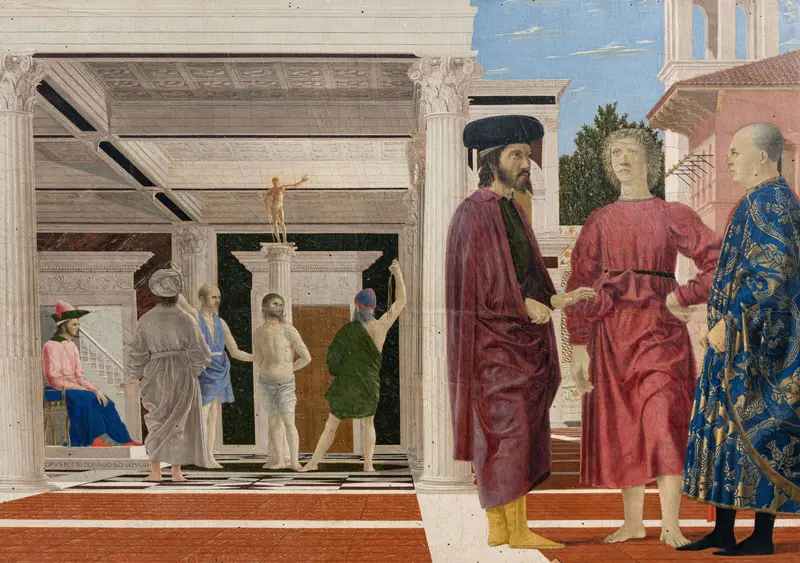
Flagellation of Christ
Piero Della Francesca
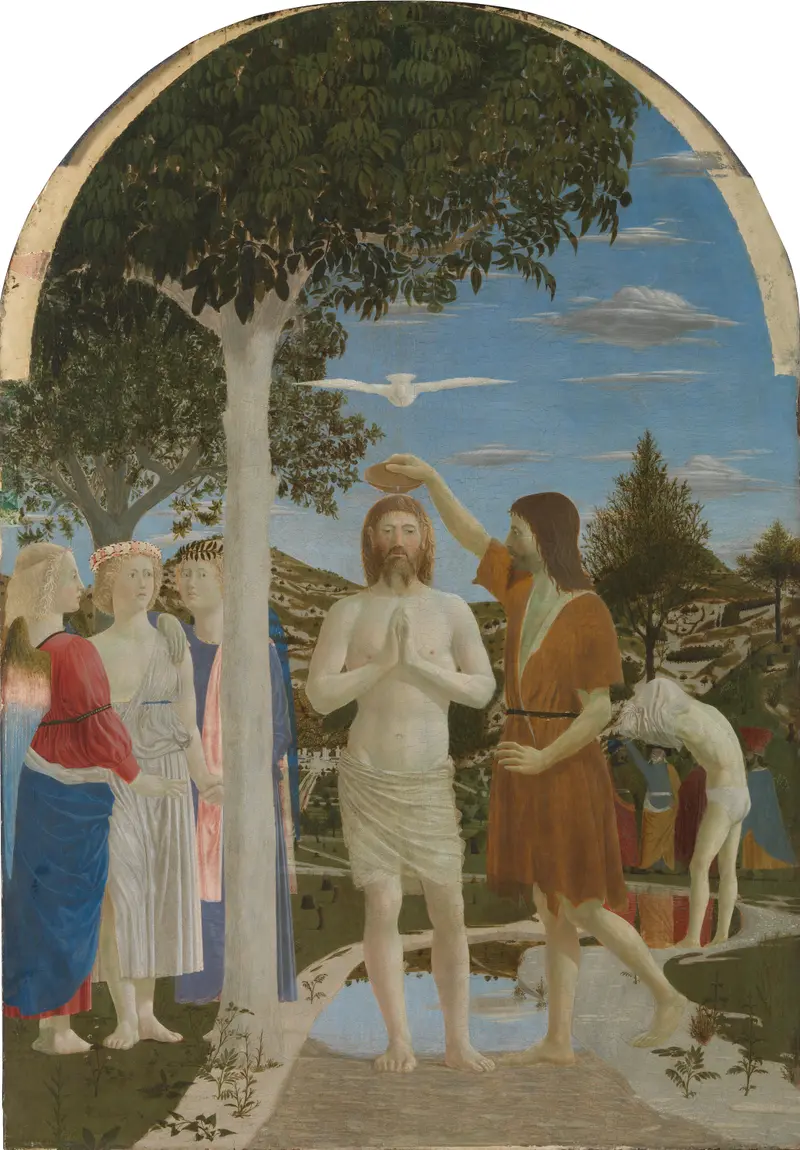
The Baptism of Christ
Piero Della Francesca
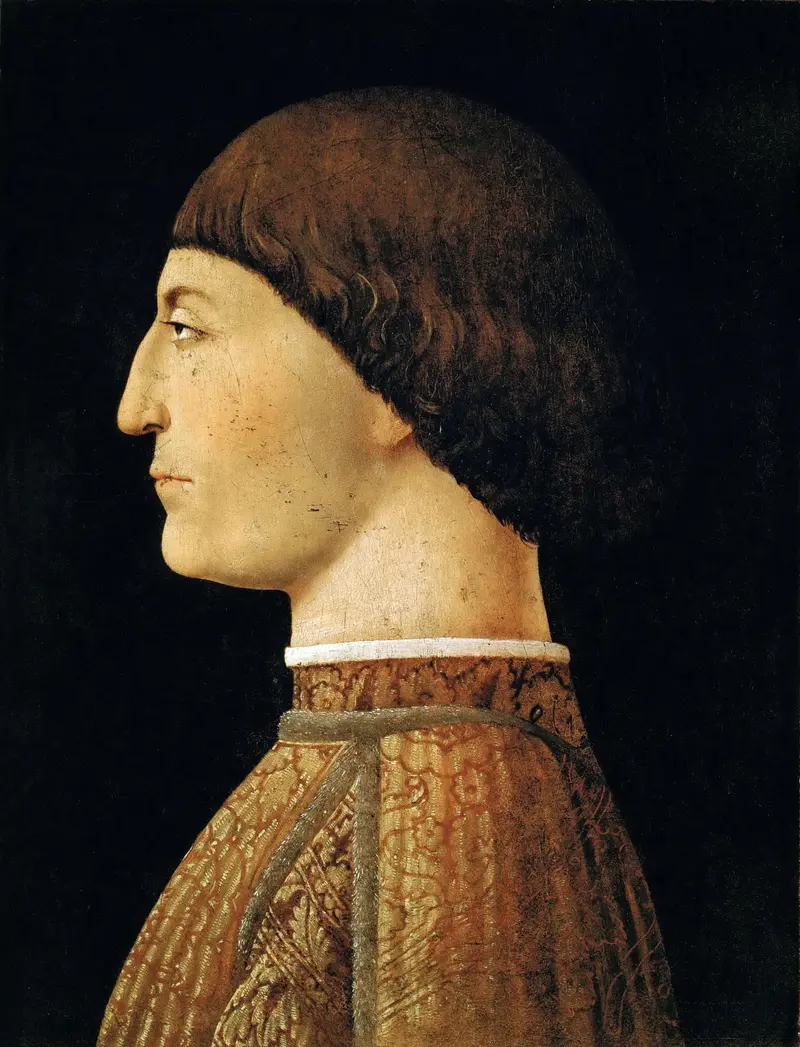
Portrait of Sigismondo Pandolfo Malatesta
Piero Della Francesca
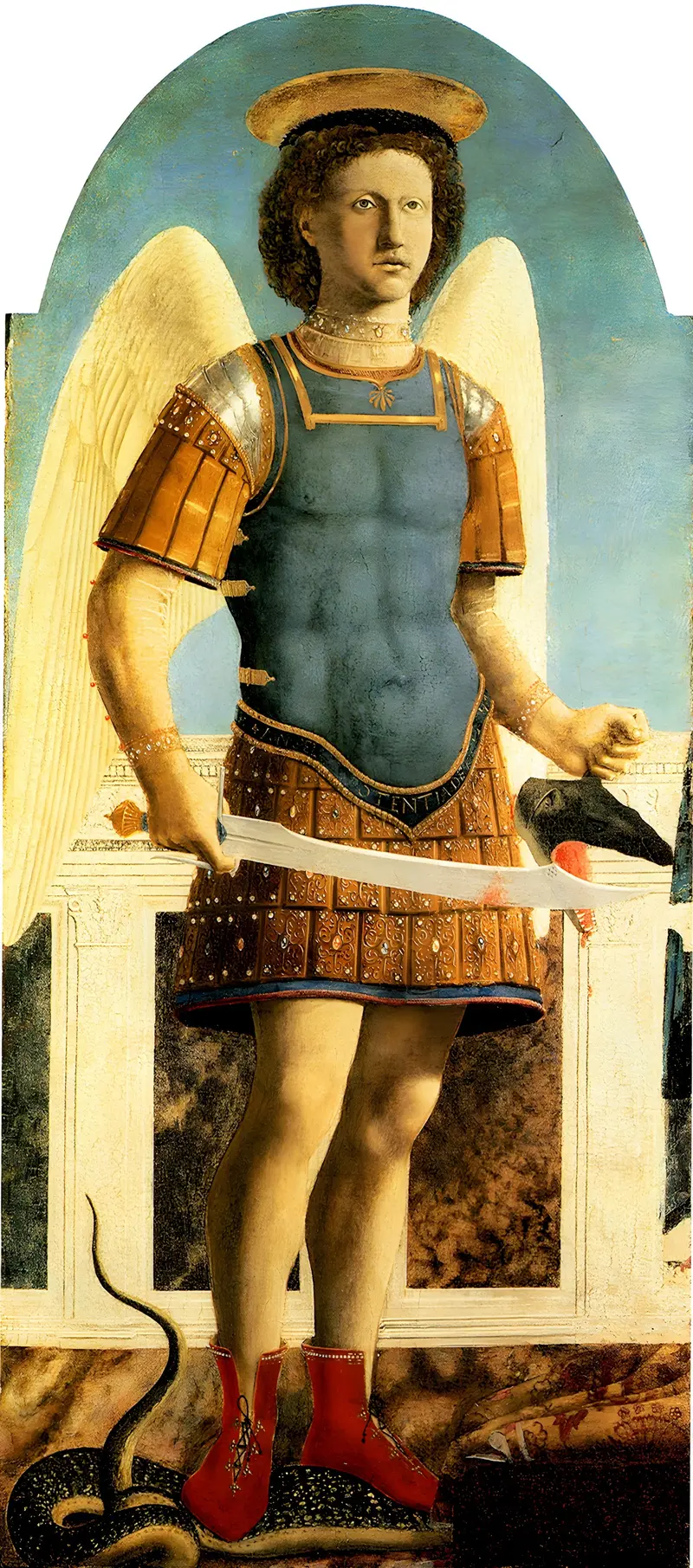
Saint Michael
Piero Della Francesca





