
Portrait of Sigismondo Pandolfo Malatesta — History & Facts
In the mid-fifteenth century, Sigismondo Pandolfo Malatesta was one of Italy’s most controversial figures—a condottiere, lord of Rimini, and patron of the arts, whose reputation for both culture and cruelty was so notorious that Pope Pius II publicly excommunicated him in 1460. It is this very man, at the height of his power and infamy, whom Piero della Francesca chose to immortalize around 1450. The portrait stands as one of the earliest independent Italian profile likenesses of a living ruler, breaking with the medieval tradition of depicting rulers only in religious or allegorical contexts.
The painting’s subject, so often feared and reviled, here asserts his claim to Renaissance legitimacy through art. The moment Piero della Francesca captures is one of calculated dignity: Sigismondo sits in strict profile, echoing the medals of Roman emperors, his sharp features outlined against a muted background. The artist’s meticulous geometry is evident in the clarity of the contours and the cool, even light that models the condottiere’s face, suggesting both intellect and implacability. The absence of distracting symbols focuses all attention on Malatesta’s distinctive hooked nose and tightly pursed lips, features that contemporary chroniclers described as marks of his cunning.
Unlike the more ornate, psychologically probing portraits of the same era—such as Portrait of Federico da Montefeltro by Piero della Francesca’s contemporary Francesco Laurana—this work is austere, almost severe, emphasizing the sitter’s authority rather than his inner life. The precise origins and early history of Portrait of Sigismondo Pandolfo Malatesta remain uncertain, as does the original medium, though it is generally dated to around 1450, when Malatesta was at the height of his ambitions in Rimini. Scholars believe it may have been commissioned by Malatesta himself, perhaps as a diplomatic gift or as part of his campaign to secure his legacy through art and architecture—he famously employed Piero della Francesca to fresco his Tempio Malatestiano. Over the centuries, the painting has been admired for its clarity and restraint, and its attribution to Piero della Francesca has rarely been questioned, standing as a key example of the artist’s early portraiture.
Today, the work is recognized as a milestone in the development of Renaissance portraiture, embodying both the ambitions and anxieties of its turbulent subject.
More Artworks by Piero Della Francesca

Portrait of the Duchess of Urbino, Battista Sforza
Piero Della Francesca

Portrait of Federico da Montefeltro
Piero Della Francesca

Federico da Montefeltro, Duke of Urbino
Piero Della Francesca
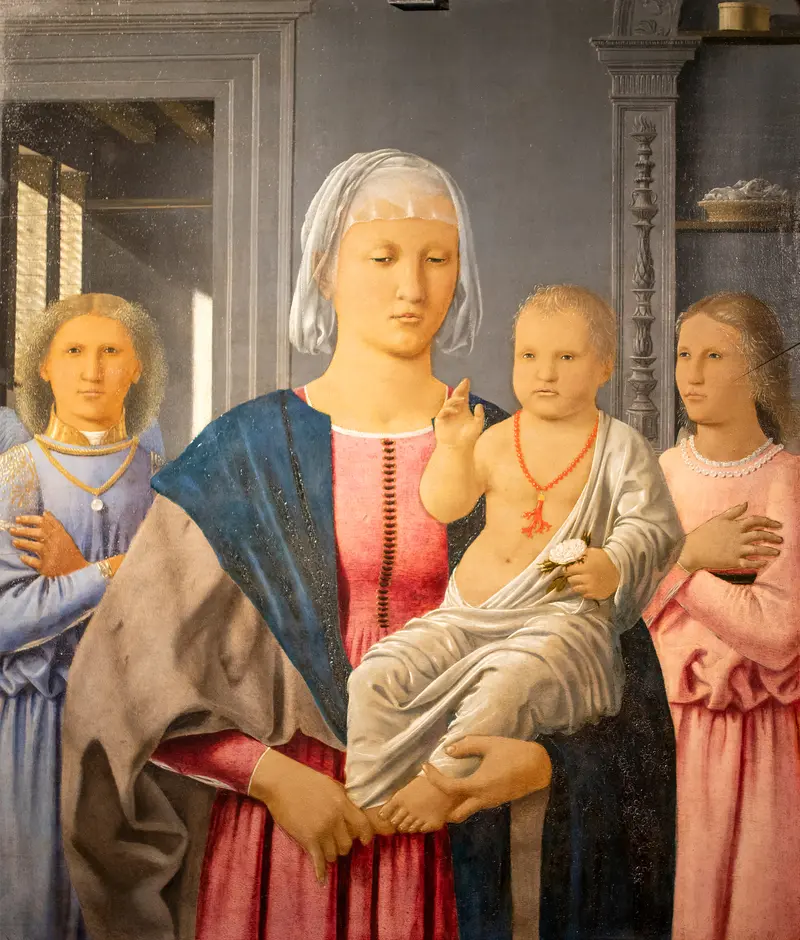
Madonna di Senigallia
Piero Della Francesca
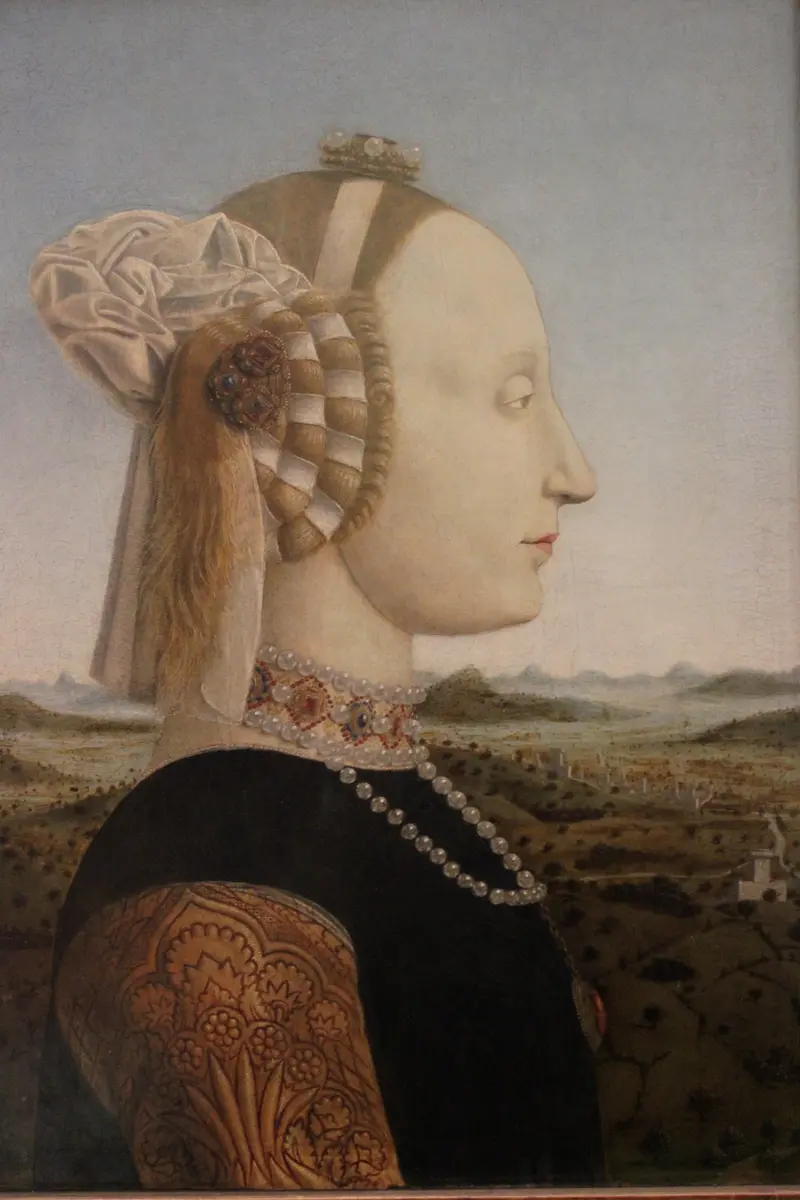
Portrait of Battista Sforza
Piero Della Francesca
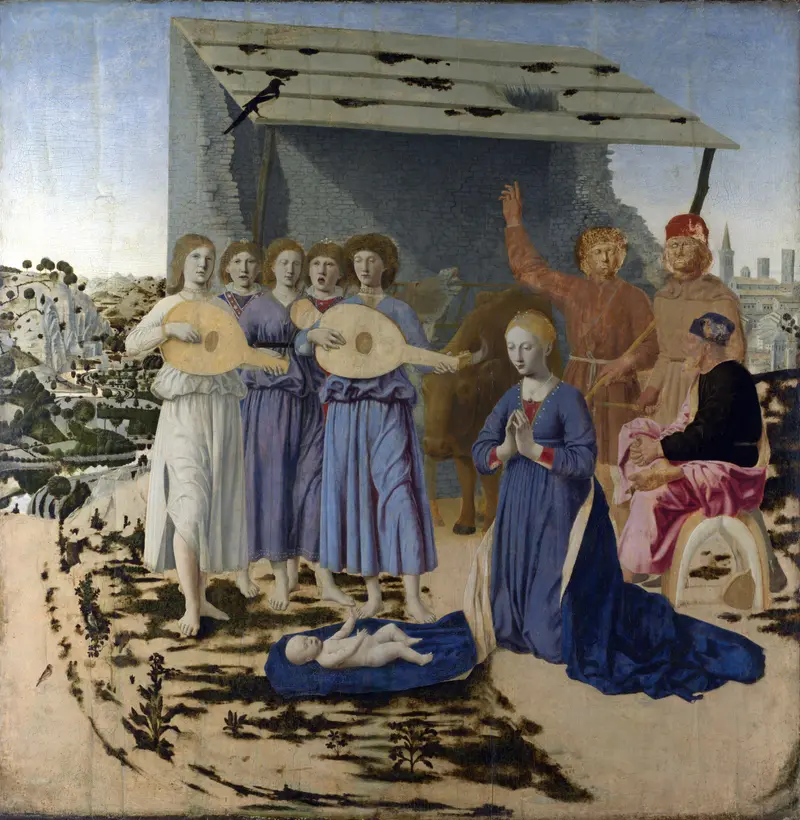
The Nativity
Piero Della Francesca
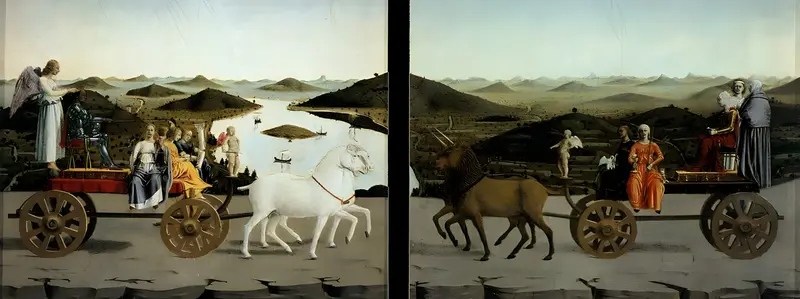
Diptych of Federico da Montefeltro and Battista Sforza
Piero Della Francesca
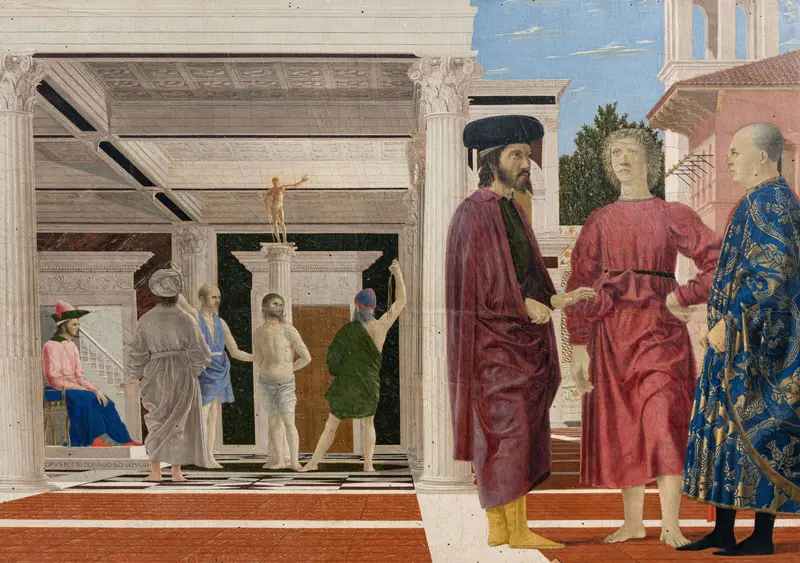
Flagellation of Christ
Piero Della Francesca
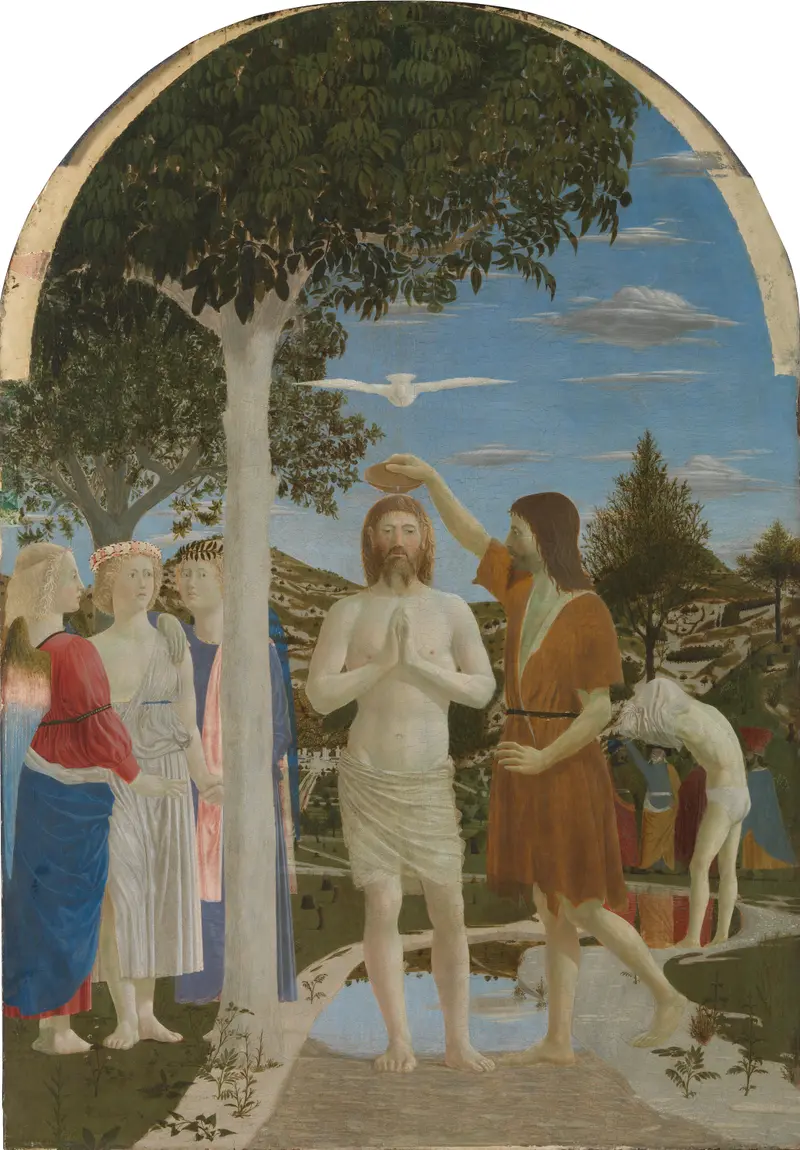
The Baptism of Christ
Piero Della Francesca
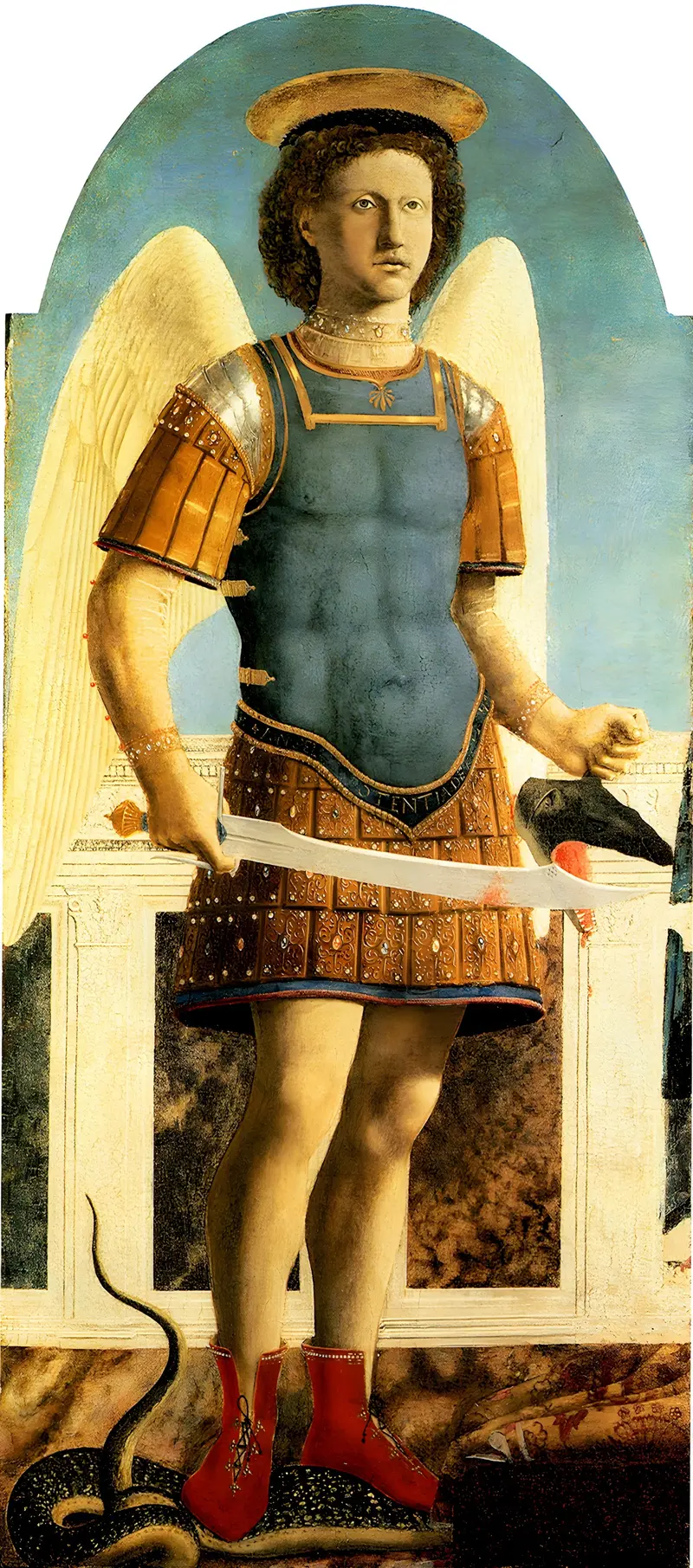
Saint Michael
Piero Della Francesca





