
Magome no tsuki (Moon at Magome) — History & Facts
In the tranquility of dusk, when the world seems to breathe softly, the moon takes center stage, illuminating secrets held within the night. This moment lingers, coaxing the viewer to ponder the stories hidden beneath the surface of still waters and shadowed landscapes. Focus on the moon’s gentle glow, spilling silver light across the serene lake in Magome no tsuki. The composition draws your gaze from the luminous orb above, cascading down to the quiet village nestled below.
Notice how Hasui employs delicate brushstrokes to create a sense of movement in the water, reflecting the moonlight with a dreamlike quality. The muted palette of blues and grays enhances the ethereal atmosphere, creating a harmony that invites contemplation. Delve deeper into the contrasts within the piece: the calmness of the water against the distant mountains, the light of the moon juxtaposed with the enveloping darkness of night. This interplay highlights the duality of existence — tranquility resting beside unspoken fears.
The solitary house and the surrounding nature evoke a profound sense of solitude, allowing viewers to connect with their own introspections and longings, each detail a whisper of the larger narrative of life. In 1930, Kawase Hasui was immersed in the tradition of Ukiyo-e, capturing the essence of Japanese landscapes in the Taisho era. Living in a time of social change, he sought to preserve the beauty of fleeting moments in nature, embodying the intersection of modernity and tradition. His work during this period reflected not just the external world but also an internal exploration of identity amidst the shifting tides of cultural evolution.
More Artworks by Kawase Hasui
Browse all →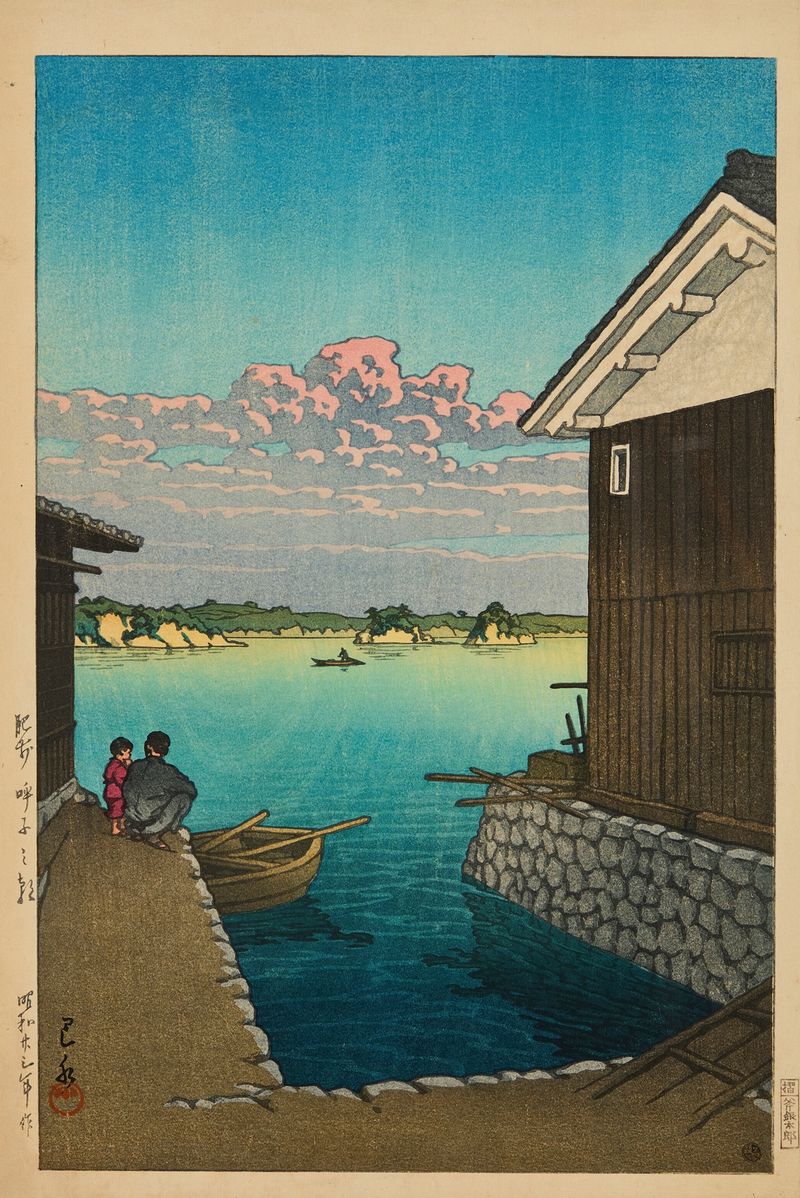
Hizen Yobuko no asa (Morning in Yobuko, Hizen)
Kawase Hasui
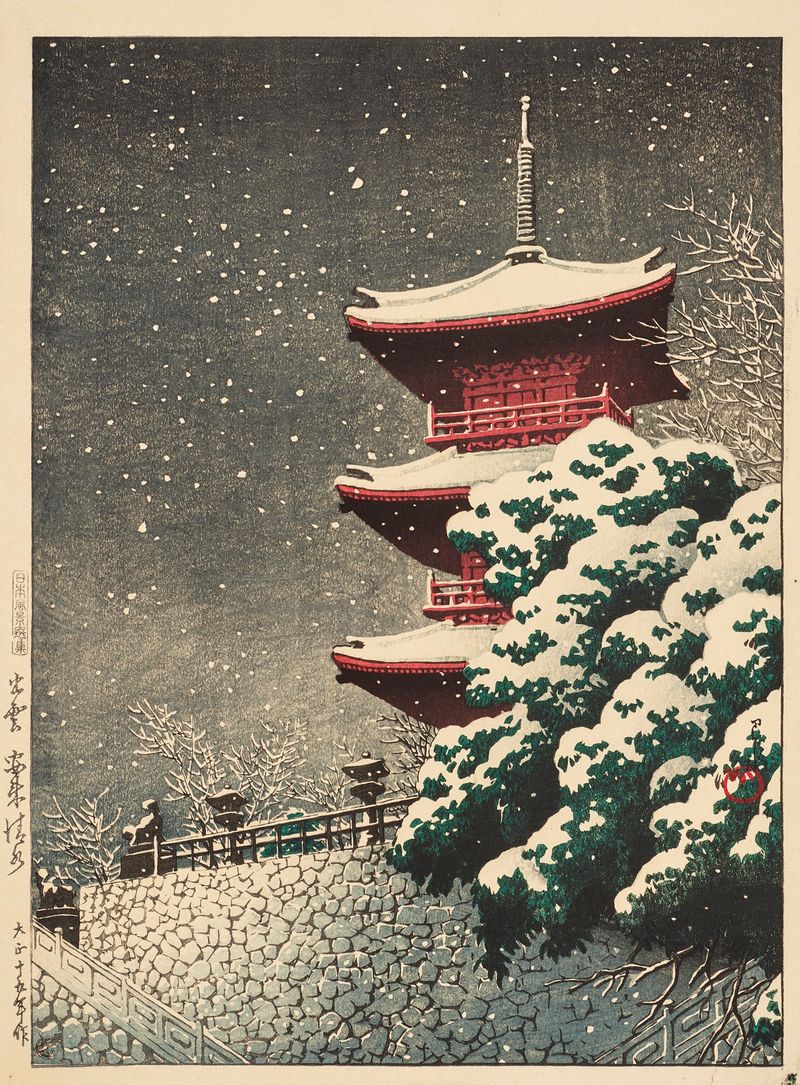
Izumo, Yasugi Kiyomizu (Yasugi Kiyomizu Temple at Izumo)
Kawase Hasui
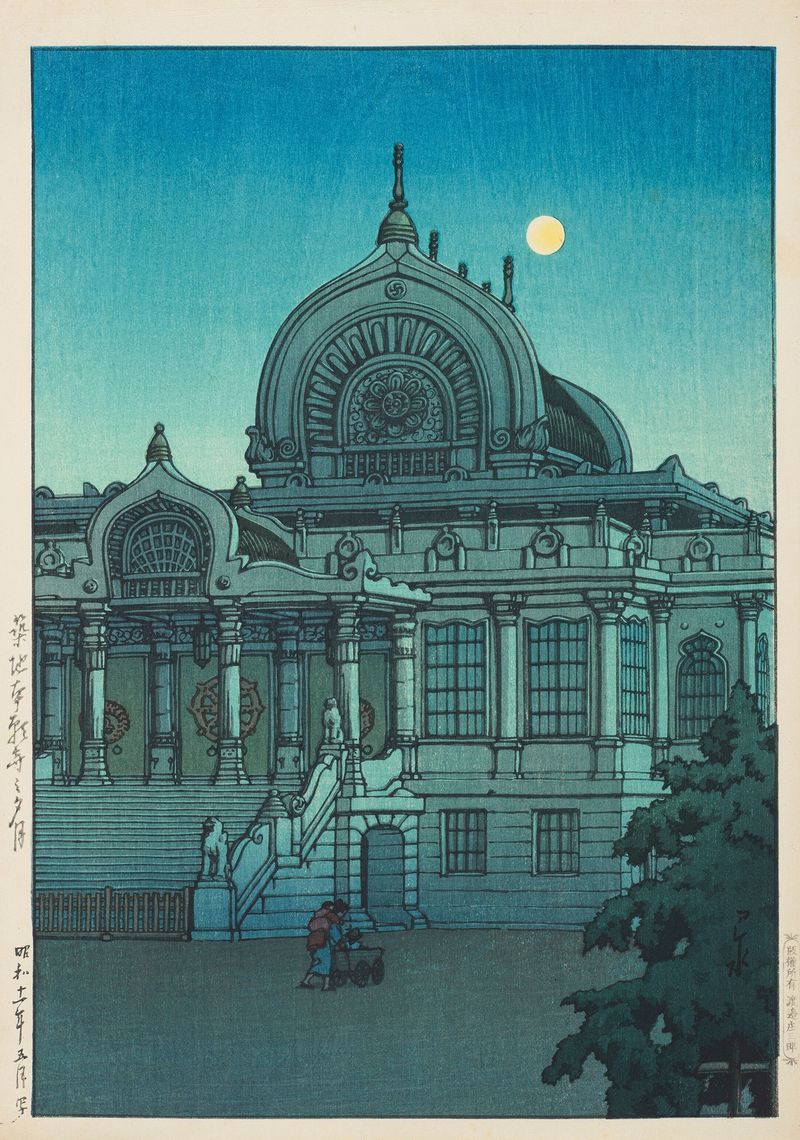
Tsukiji Honganji no yuzuki (Evening moon at Honganji Temple in Tsukiji)
Kawase Hasui
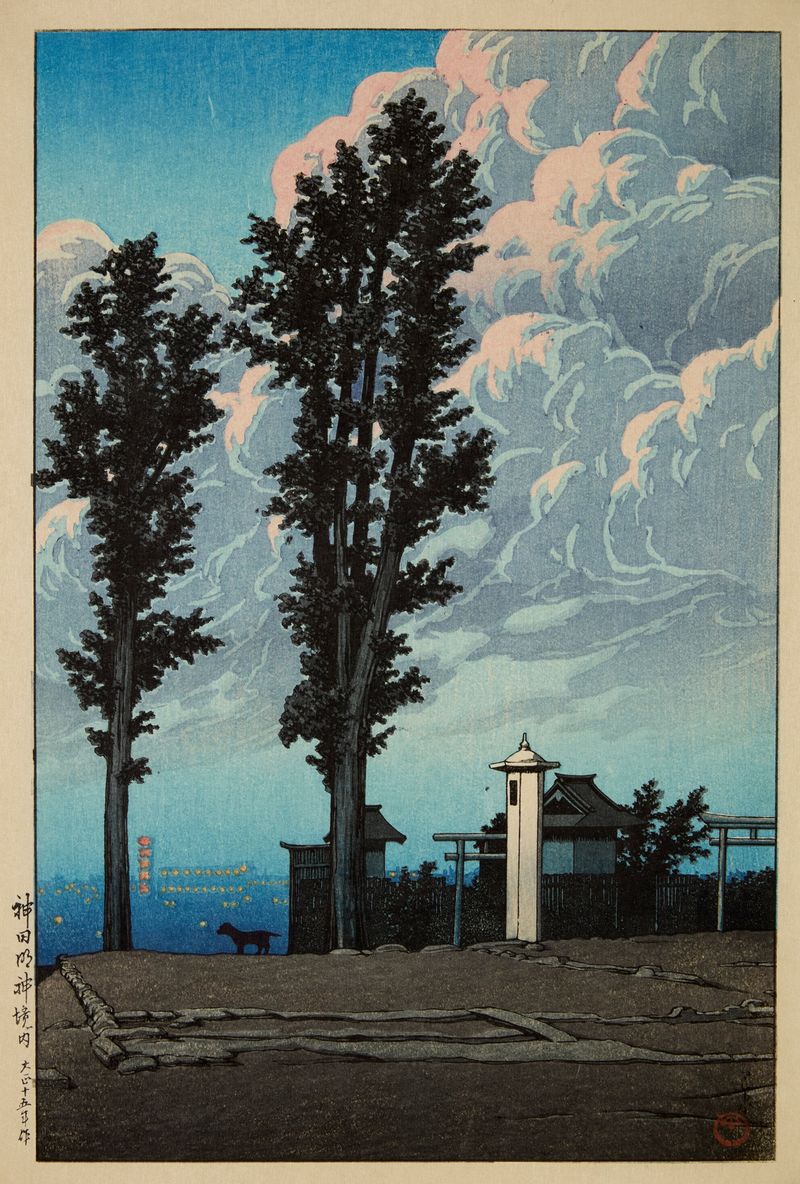
Kanda Myojin keidai (Kanda Myojin Shrine precent)
Kawase Hasui
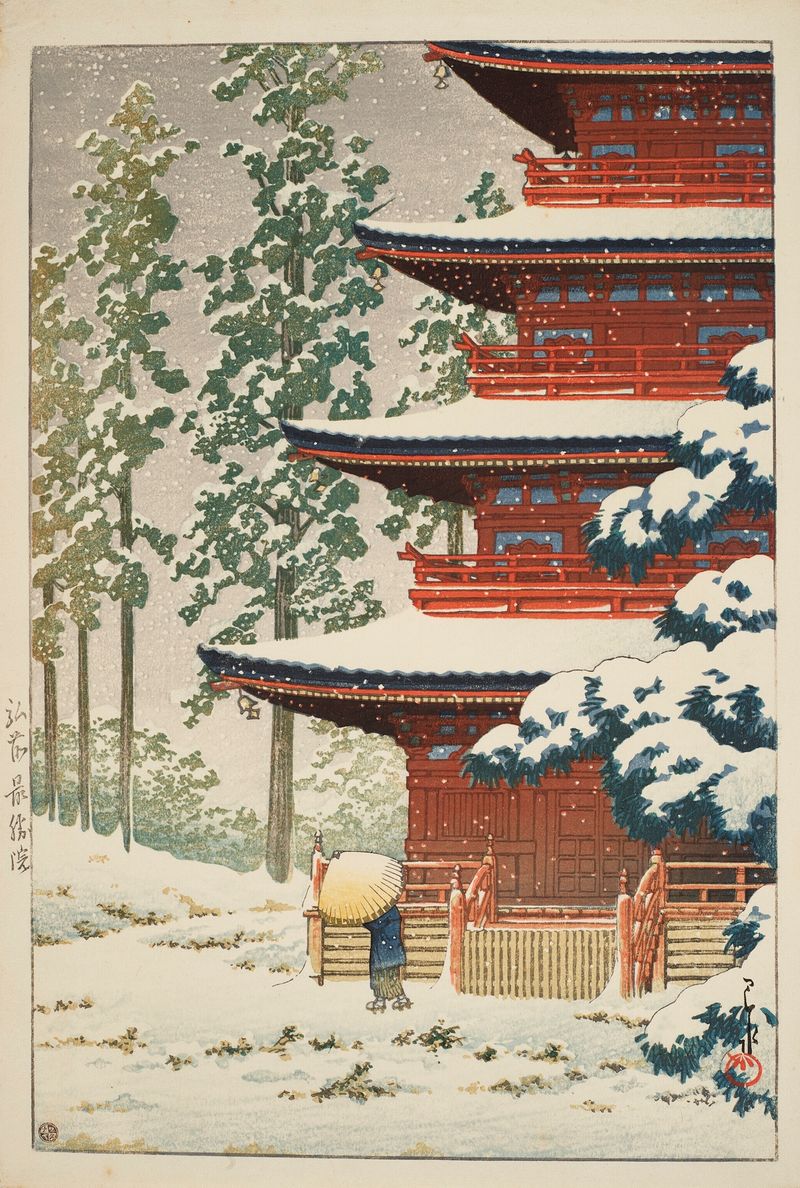
Saisho-in Temple, Hirosaki
Kawase Hasui
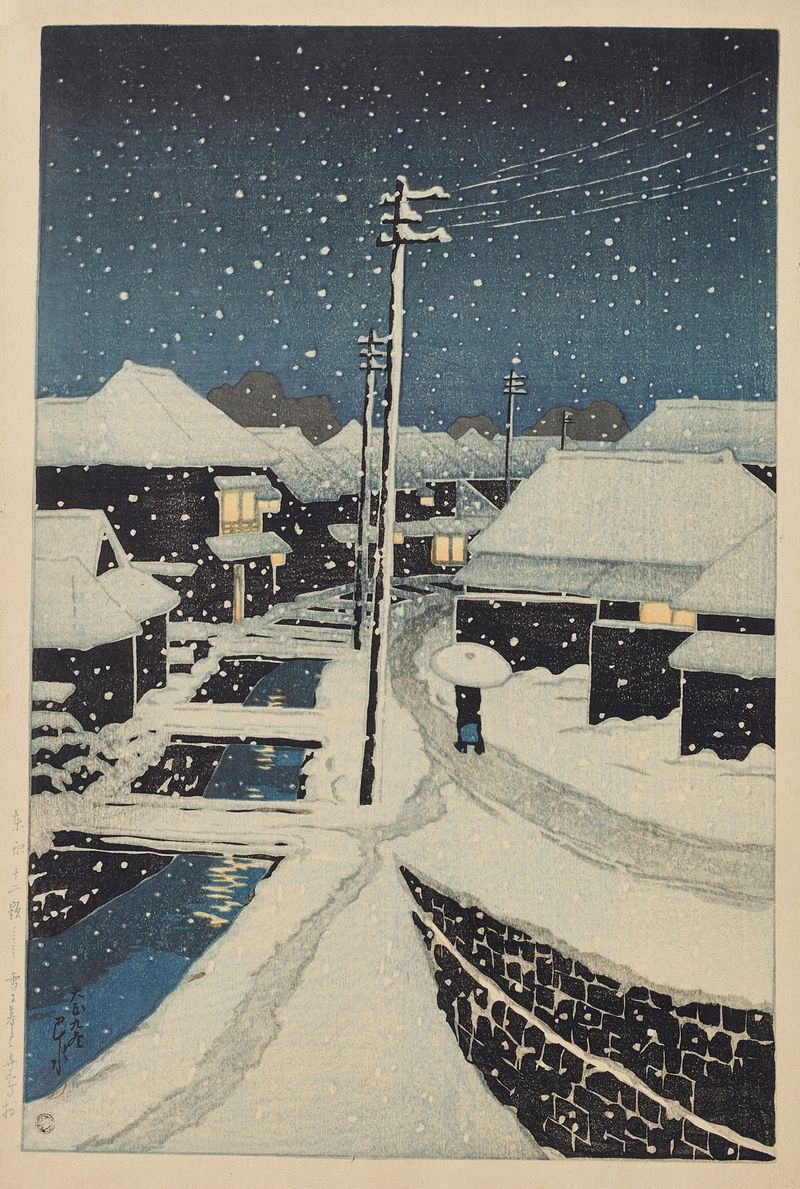
Yuki ni fururu Terajima mura (Evening snow at Terajima Village)
Kawase Hasui
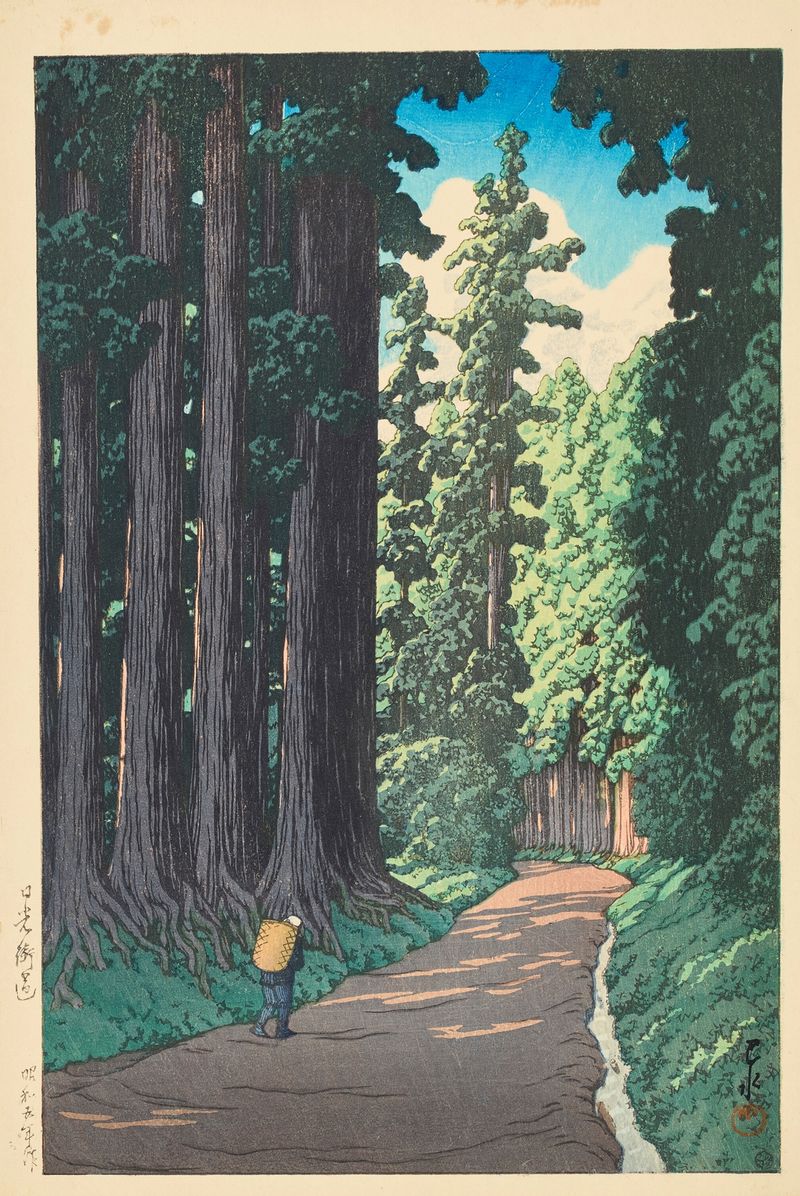
Nikko gaido (The Road to Nikko)
Kawase Hasui
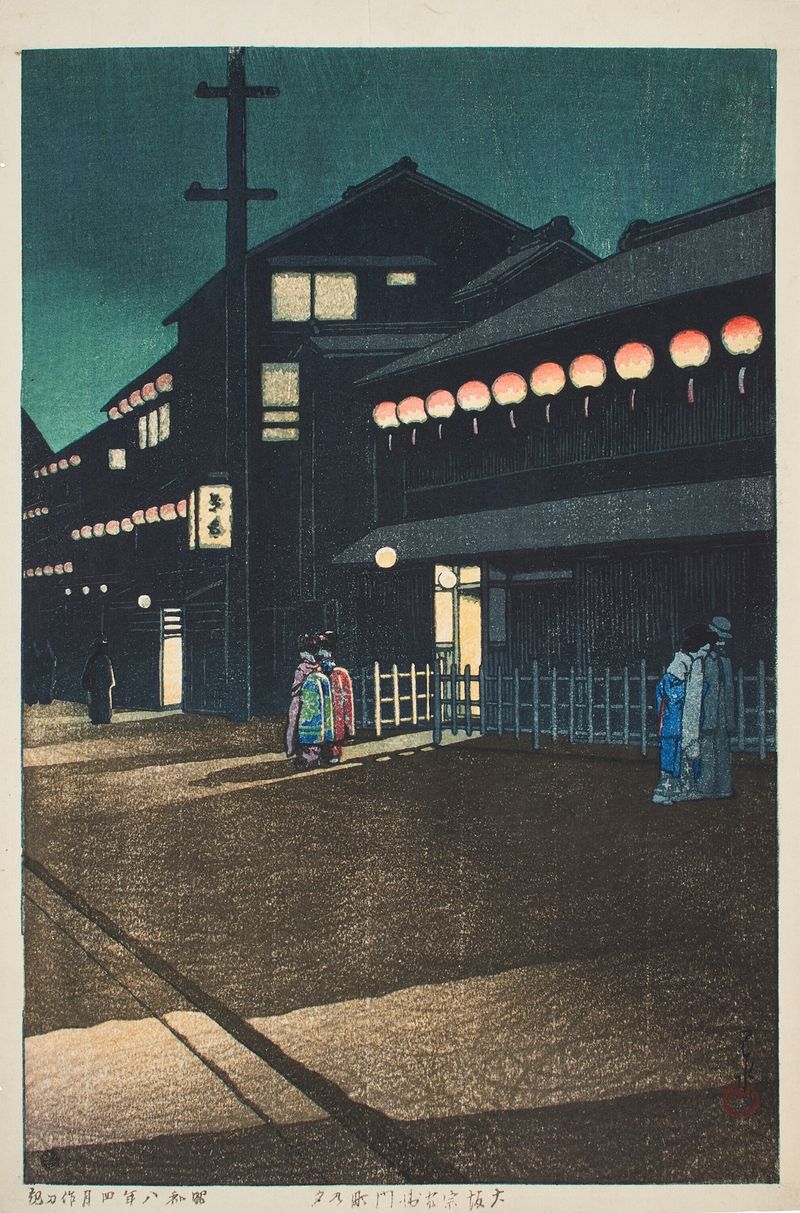
Osaka Soemon-cho no yu (Evening in Soemon-cho, Osaka)
Kawase Hasui
Autumn In Oirase
Kawase Hasui
Shinshu Kizakiko (Kizaki Lake in Shinshu)
Kawase Hasui





