
Maison, 117 rue Saint Antoine — History & Facts
When did color learn to lie? In Maison, 117 rue Saint Antoine, the vivid hues invite both admiration and skepticism, blurring the line between reality and illusion. Look to the left at the striking facade; the warm oranges and deep blues draw you into the composition. Notice how the light plays across the textured surfaces, revealing the building's intricate details while simultaneously casting shadows that hint at a hidden narrative. The juxtaposition of vibrant colors against stark outlines creates a sense of depth, as if the structure breathes life and yet remains enigmatic, caught in a moment of stillness. Within the vivid palette lies an unsettling tension: the cheerfulness of the colors contrasts sharply with the solitude of the setting.
The absence of people adds to the void, suggesting a world rich in beauty yet devoid of life. This dichotomy invites contemplation — is the façade a veil hiding emptiness, or does it embody the resilience of urban existence? Each brushstroke engages a dialogue between the observer and the observed, challenging perceptions of architecture and its emotional resonance. Ferdinand Boberg created this piece in 1926, a time of burgeoning modernism in the art world. Living in France amidst the post-World War I recovery, Boberg was influenced by the new architectural movements that emerged during this era.
His work reflected both the optimism of the time and a complex relationship with the urban landscape, intertwining beauty and desolation in a rapidly changing world.
More Artworks by Ferdinand Boberg
Browse all →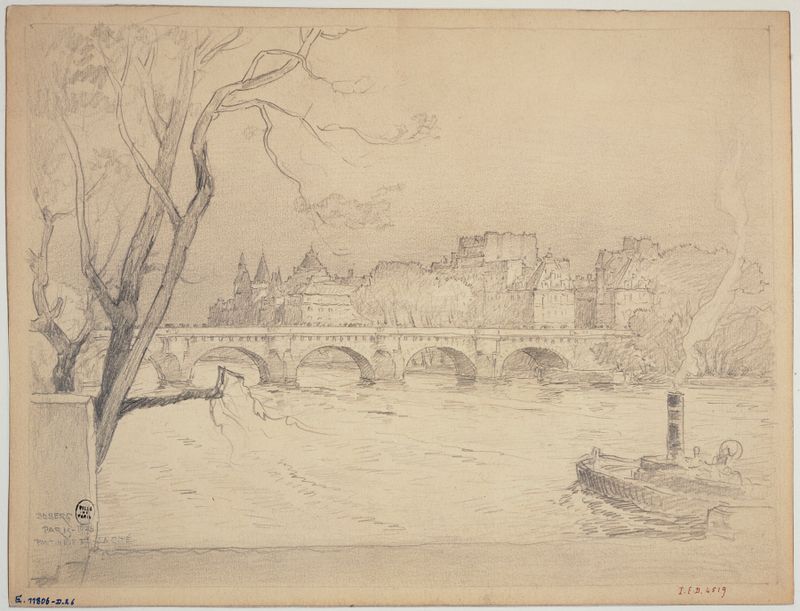
Le Pont-Neuf et la Cité
Ferdinand Boberg
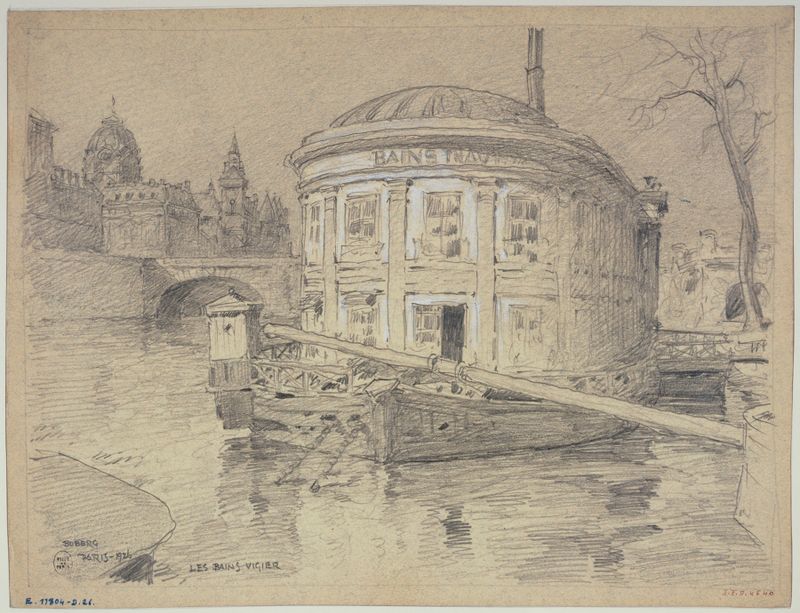
Les bains Vigier au Pont-Neuf
Ferdinand Boberg
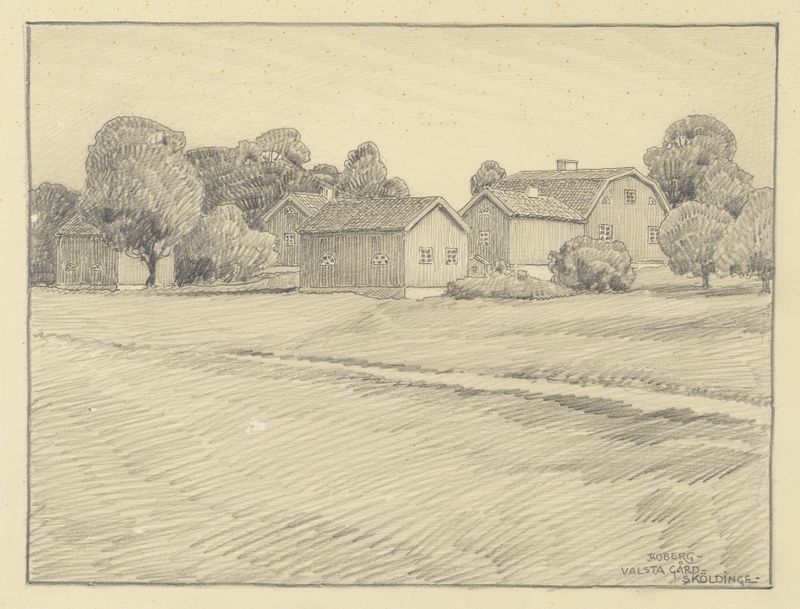
Valsta Gård
Ferdinand Boberg
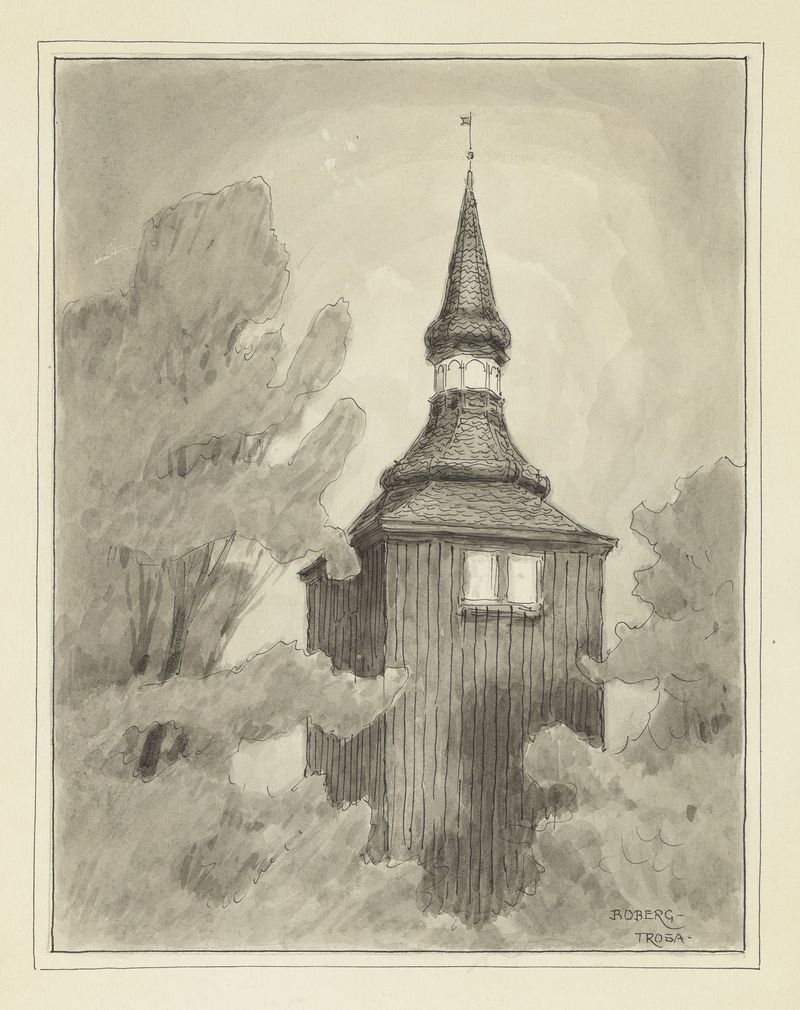
Trosa
Ferdinand Boberg
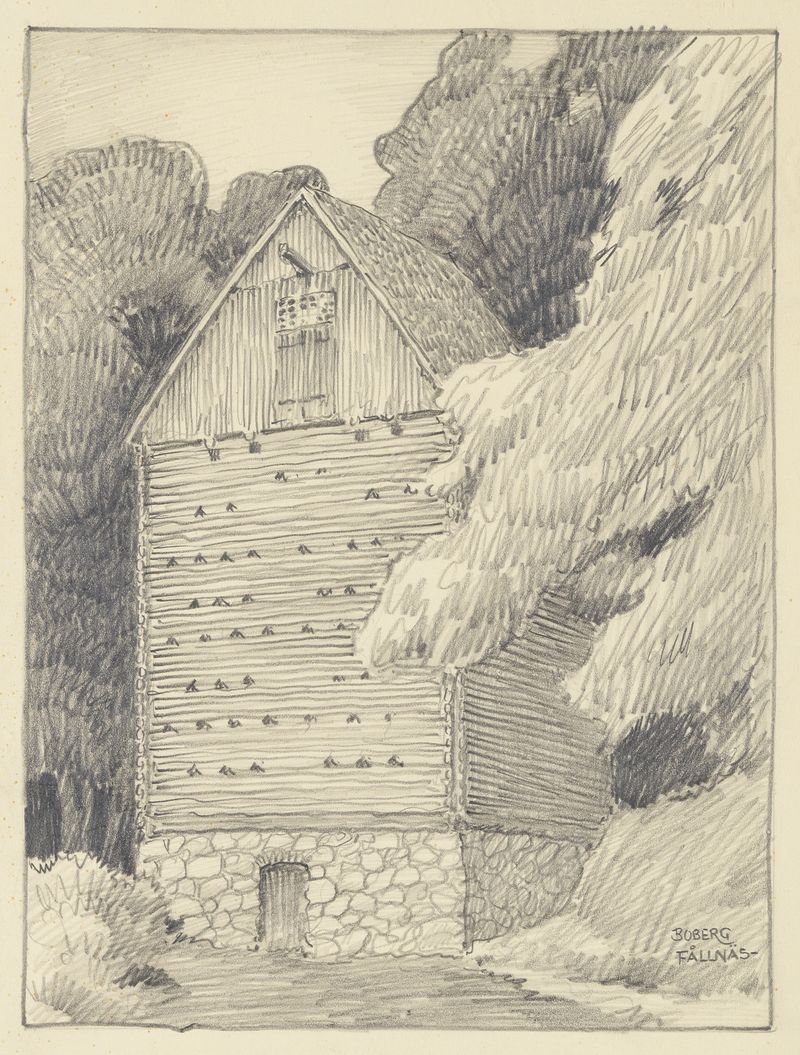
Fållnäs
Ferdinand Boberg
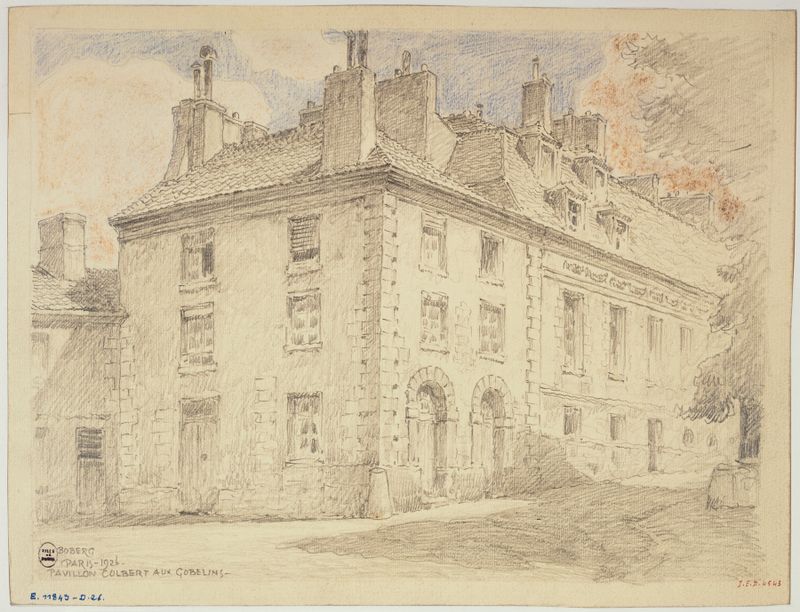
Le pavillon Colbert aux Gobelins
Ferdinand Boberg
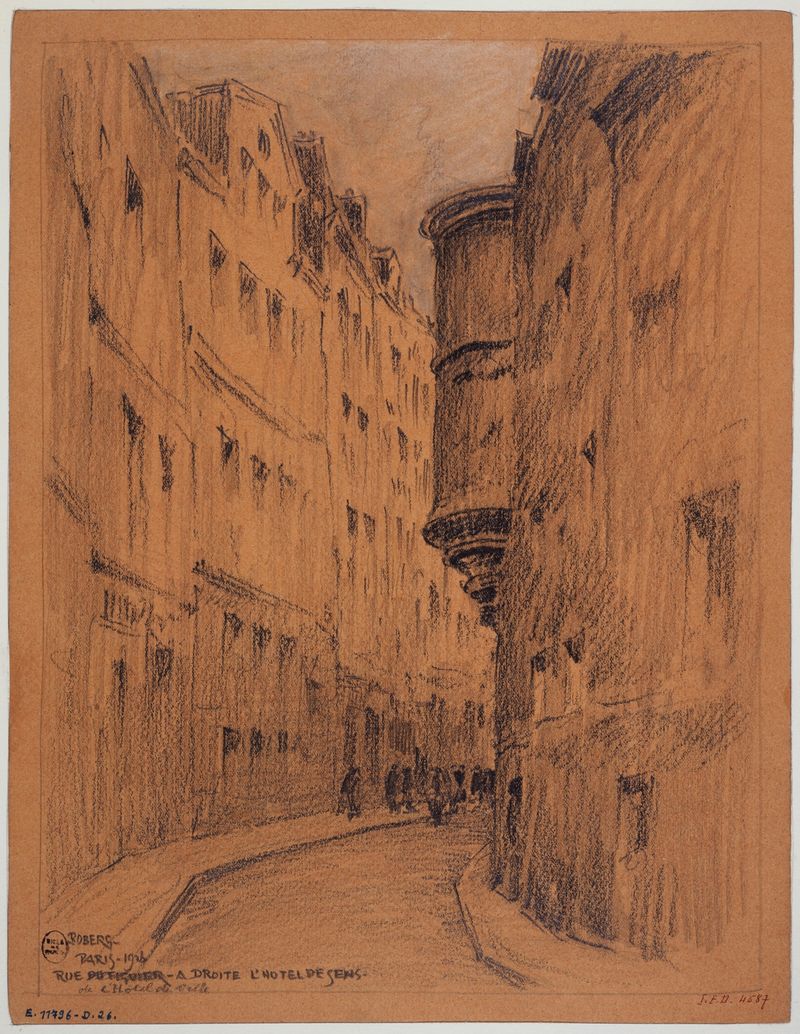
Rue de l’Hôtel de Ville; l’hôtel de Sens
Ferdinand Boberg
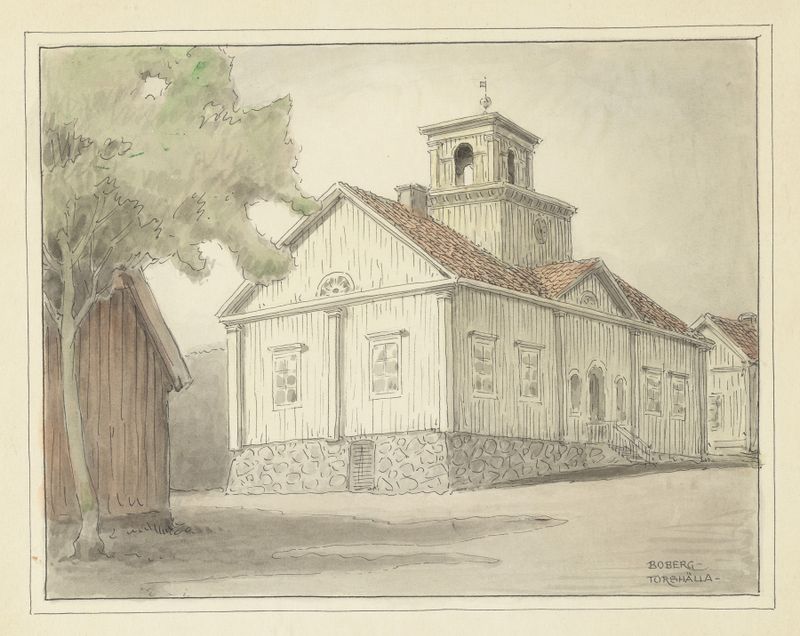
Torshälla
Ferdinand Boberg
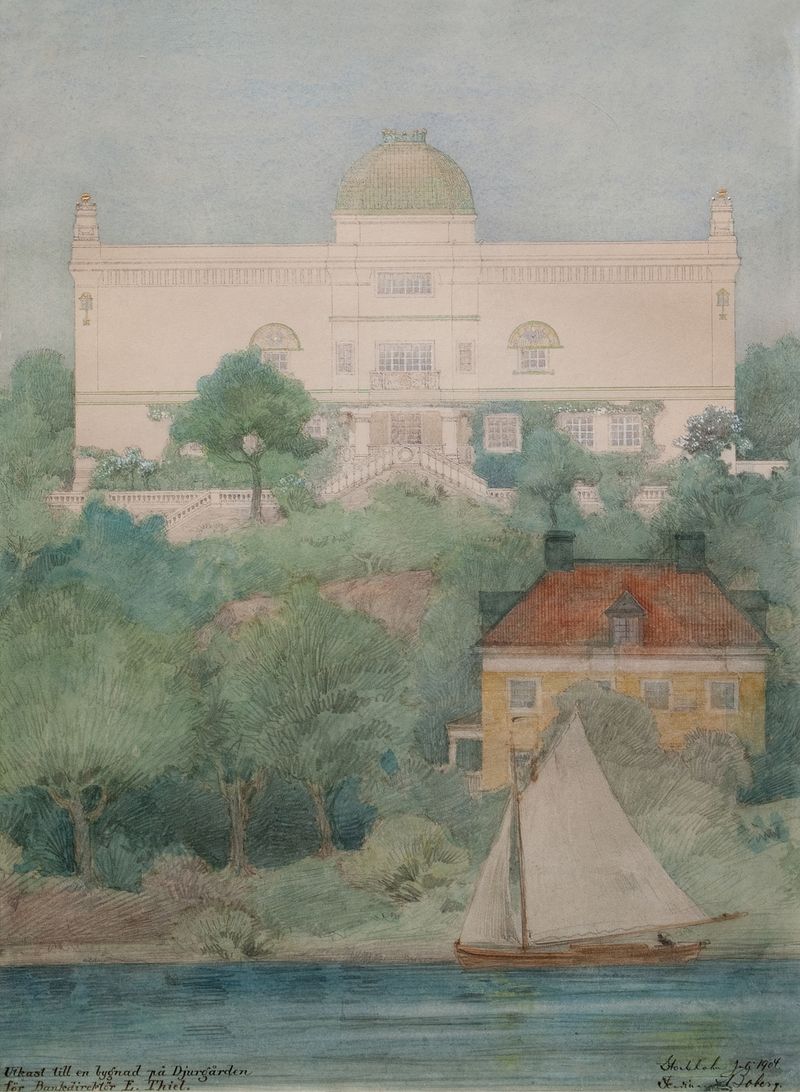
Sketch for a building for Thiel’s Gallery
Ferdinand Boberg
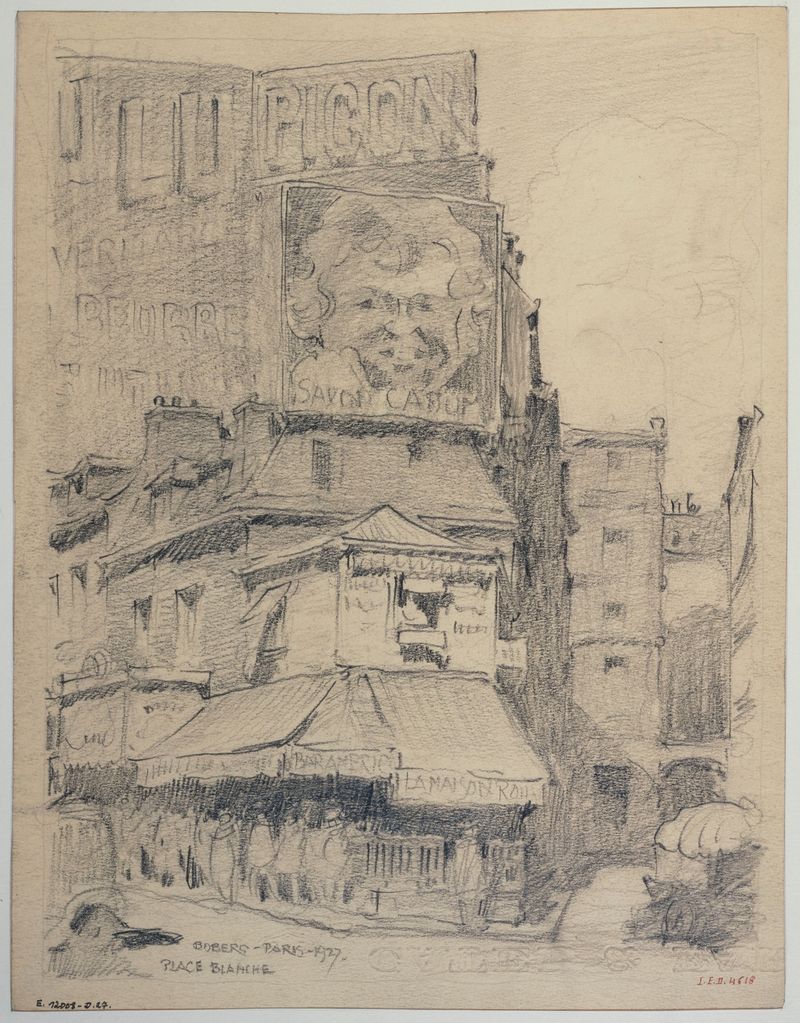
La place Blanche
Ferdinand Boberg
More Architecture Art
Browse all →
The statue of Liberty
Frédéric Auguste Bartholdi

View of Houses in Delft, Known as ‘The Little Street’
Johannes Vermeer

View of Houses in Delft, Known as ‘The Little Street’
Johannes Vermeer

The Cathedral in Rouen. The portal, Grey Weather
Claude Monet

The yellow house
Vincent van Gogh

The Church in Auvers-sur-Oise, View from the Chevet
Vincent van Gogh