
Maison, 4 avenue Junot — History & Facts
Is this a mirror — or a memory? The essence of awakening lingers in the air, inviting reflection on the spaces we inhabit and the stories they tell. Look to the right at the softly illuminated façade of a Parisian residence, where light dances playfully across the intricate details of the architecture. The warm hues of ochre and cream blend seamlessly, capturing the essence of a home alive with memories. Direct your gaze to the delicate interplay of shadows and highlights that defines the elegant curves of the windows and balconies, drawing you into the domestic intimacy of the scene.
The structure stands not merely as a building, but as a testament to the lives that unfold within its walls. Beneath the surface, a profound contrast reveals itself: the solidity of stone juxtaposed with the ephemeral quality of light. Each window hints at the silent stories of those who dwell there; are they moments of joy, heartache, or simply the mundane? The softness of the palette suggests both nostalgia and longing, creating a space where time seems to stand still, inviting contemplation on how we inhabit our own lives and homes. In 1926, when this work was created, Ferdinand Boberg was at the height of his architectural exploration in Paris. Moving between functionalism and aesthetic beauty, he was influenced by the modernist movement reshaping Europe.
As the world was still recovering from the echoes of war, Boberg's piece reflects both the hope and complexity of the human experience, marrying form and feeling in the heart of the city.
More Artworks by Ferdinand Boberg
Browse all →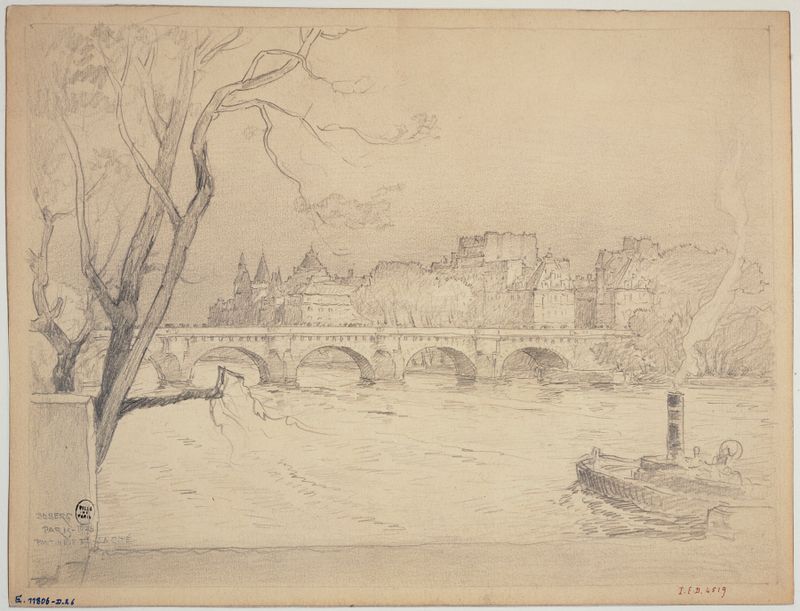
Le Pont-Neuf et la Cité
Ferdinand Boberg
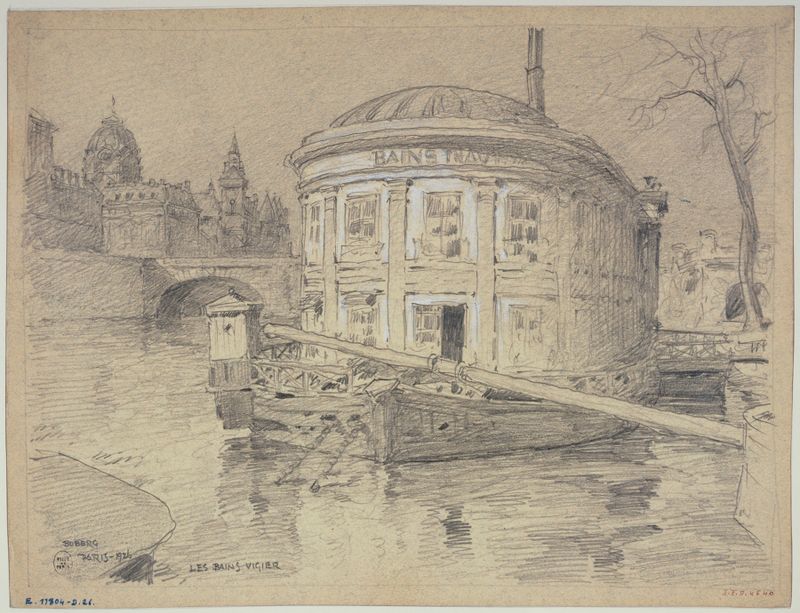
Les bains Vigier au Pont-Neuf
Ferdinand Boberg
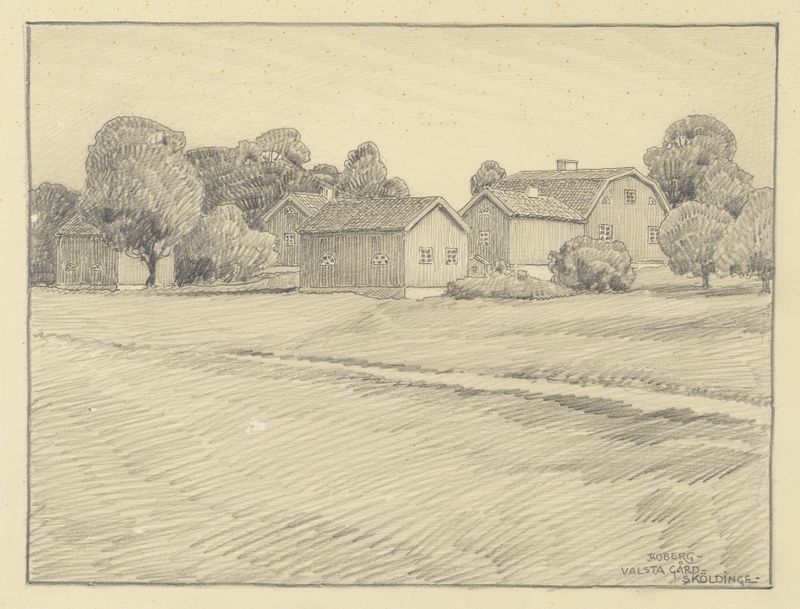
Valsta Gård
Ferdinand Boberg
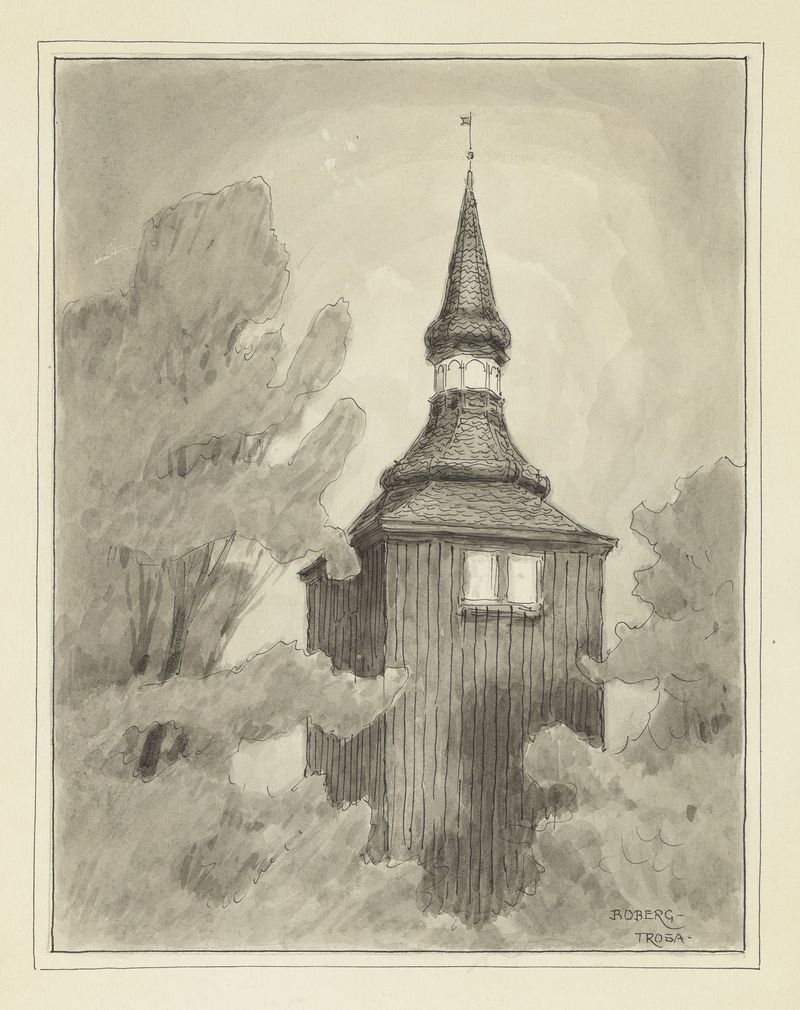
Trosa
Ferdinand Boberg
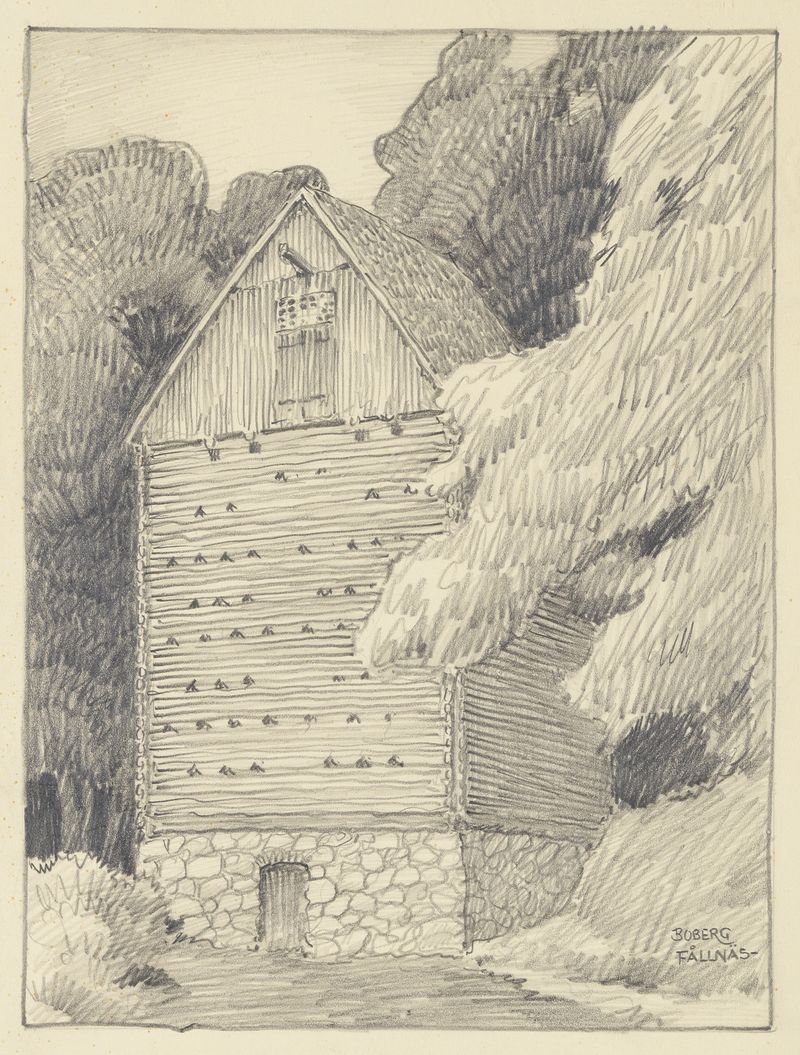
Fållnäs
Ferdinand Boberg
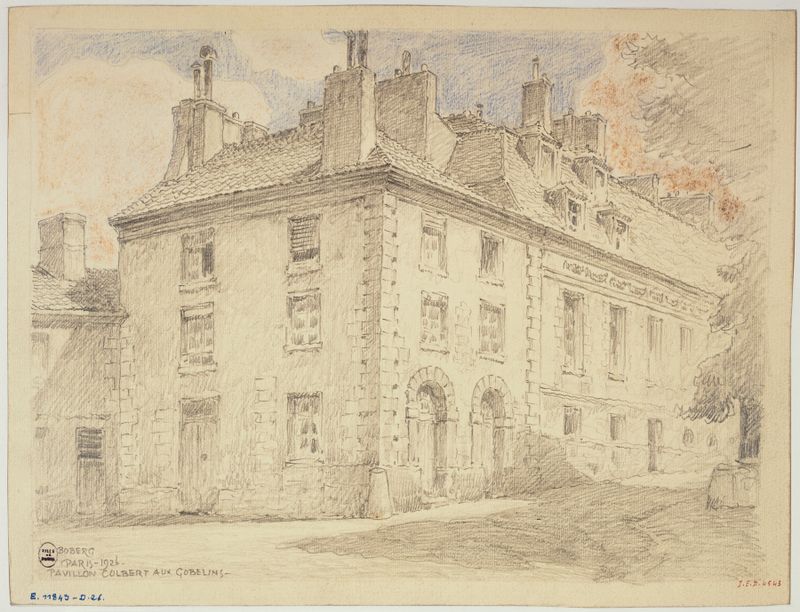
Le pavillon Colbert aux Gobelins
Ferdinand Boberg
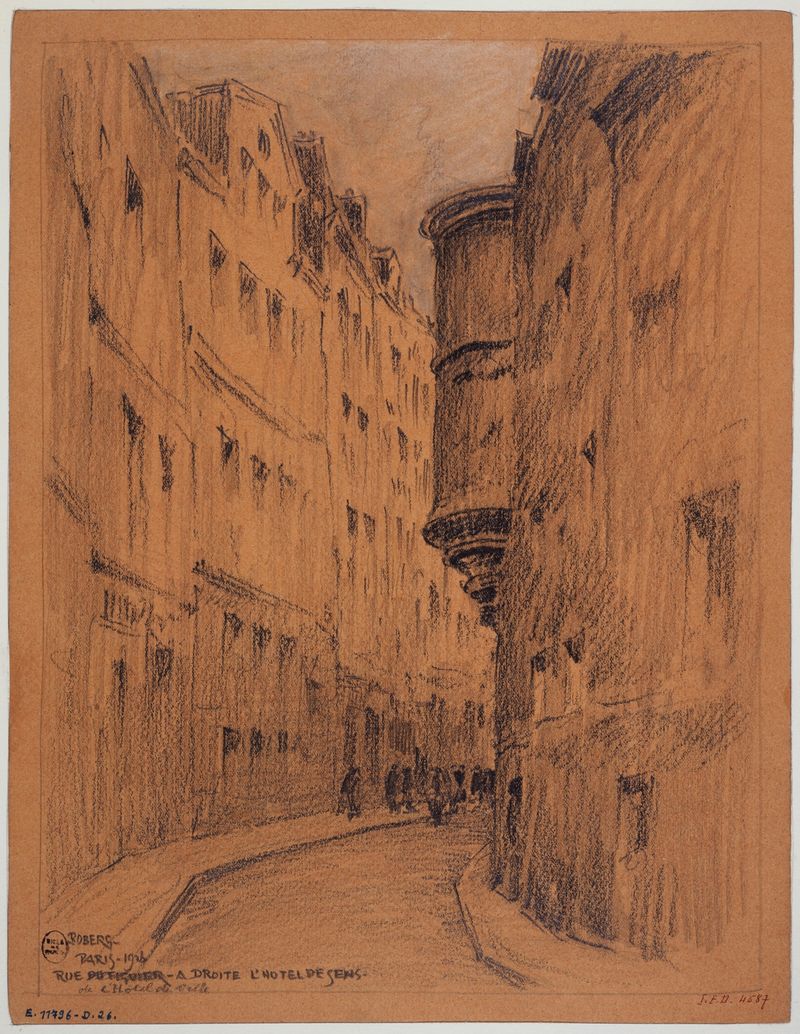
Rue de l’Hôtel de Ville; l’hôtel de Sens
Ferdinand Boberg
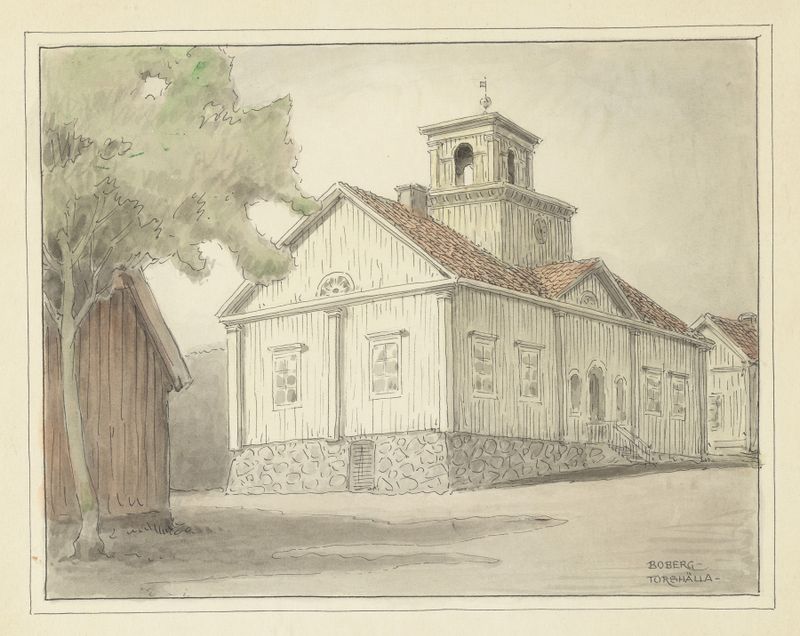
Torshälla
Ferdinand Boberg
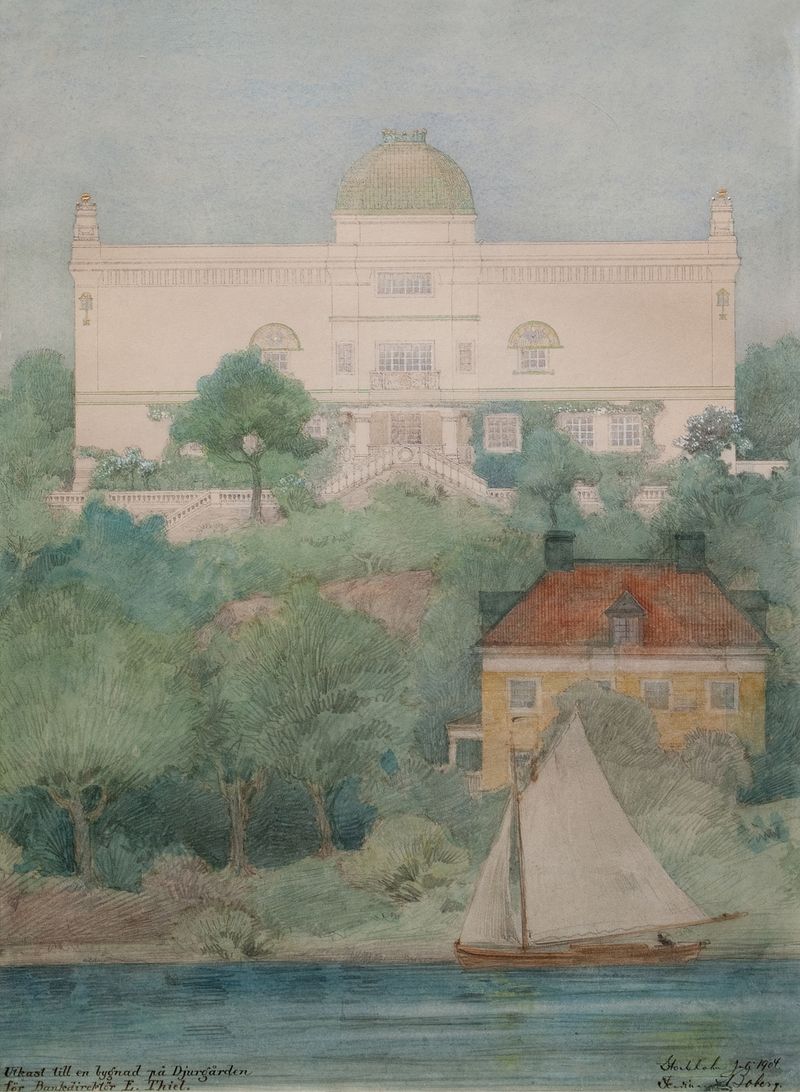
Sketch for a building for Thiel’s Gallery
Ferdinand Boberg
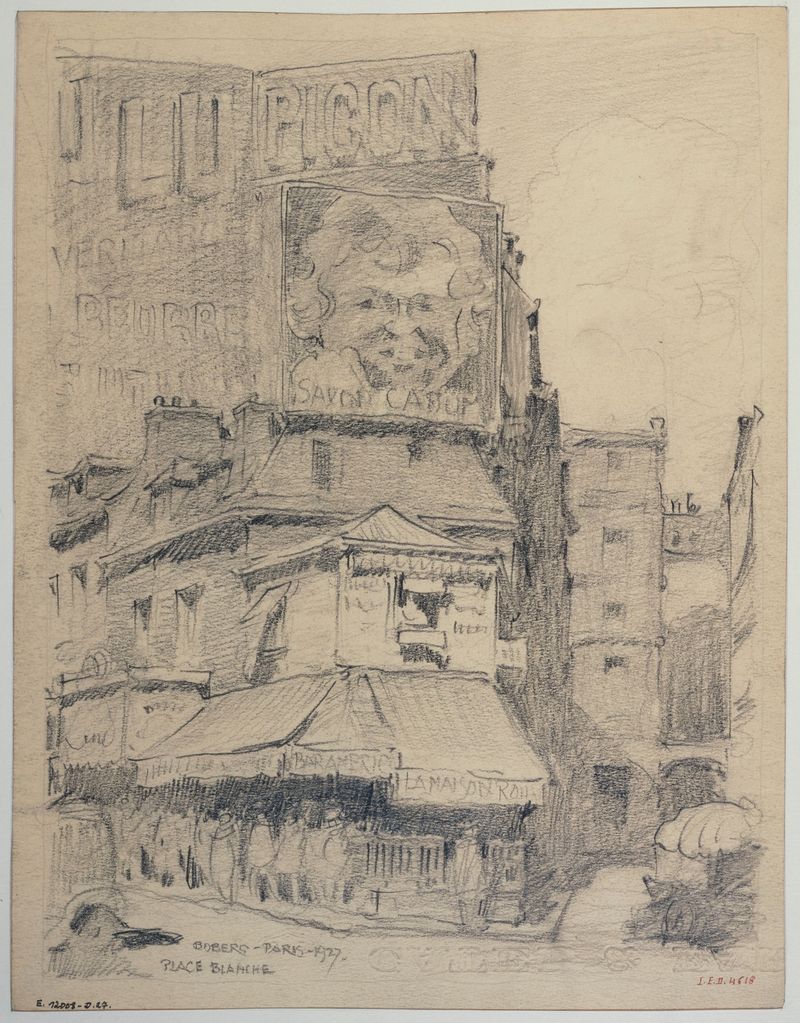
La place Blanche
Ferdinand Boberg
More Architecture Art
Browse all →
The statue of Liberty
Frédéric Auguste Bartholdi

View of Houses in Delft, Known as ‘The Little Street’
Johannes Vermeer

View of Houses in Delft, Known as ‘The Little Street’
Johannes Vermeer

The Cathedral in Rouen. The portal, Grey Weather
Claude Monet

The yellow house
Vincent van Gogh

The Church in Auvers-sur-Oise, View from the Chevet
Vincent van Gogh