
Maison de Berlioz, rue Saint Vincent et rue du Mont Cenis — History & Facts
Desire, that elusive essence of the human spirit, finds its voice in the quietude of architecture and the whispers of atmosphere. Focus first on the bold interplay of colors in this work. The ochres and greens evoke a warm, inviting glow that bathes the structure in an almost nostalgic embrace. Notice how the building recedes into the background, its façade softened by the gentle brushstrokes, giving it a dreamlike quality that invites the viewer to linger.
The play of light is crucial here—dappled strokes suggest the presence of trees, hinting at the life that surrounds this dwelling, blurring the lines between the natural and the constructed. Delve deeper into the details: the archways and windows suggest stories untold, while the curving lines and organic shapes evoke a sense of longing, as if the house itself yearns for connection with the outside world. The contrast between the structural solidity of the house and the ethereal quality of the surrounding landscape emphasizes a central tension—between permanence and transience, between belonging and isolation. This is a home filled with possibility, yet it stands in quiet reflection, waiting for life to unfold. In 1926, Ferdinand Boberg was immersed in the vibrant milieu of post-war Europe, where the architectural modernism was beginning to flourish.
Painting this piece during a time of personal and societal upheaval, he sought to encapsulate not only the physical beauty of the Maison de Berlioz but also the deeper desires for stability and connection in a rapidly changing world.
More Artworks by Ferdinand Boberg
Browse all →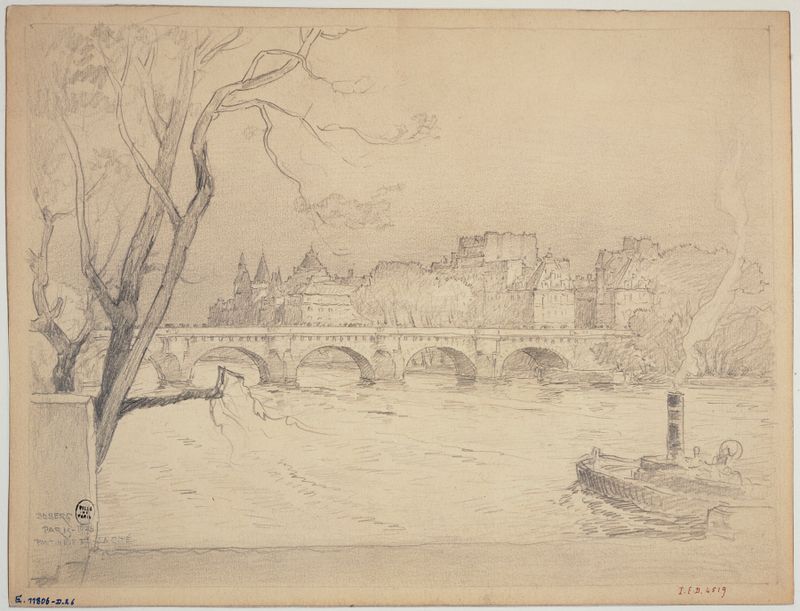
Le Pont-Neuf et la Cité
Ferdinand Boberg
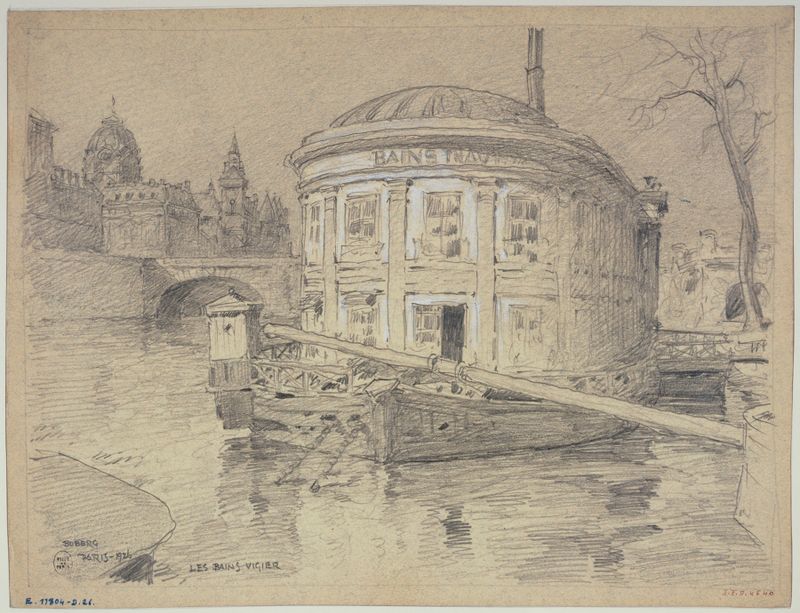
Les bains Vigier au Pont-Neuf
Ferdinand Boberg
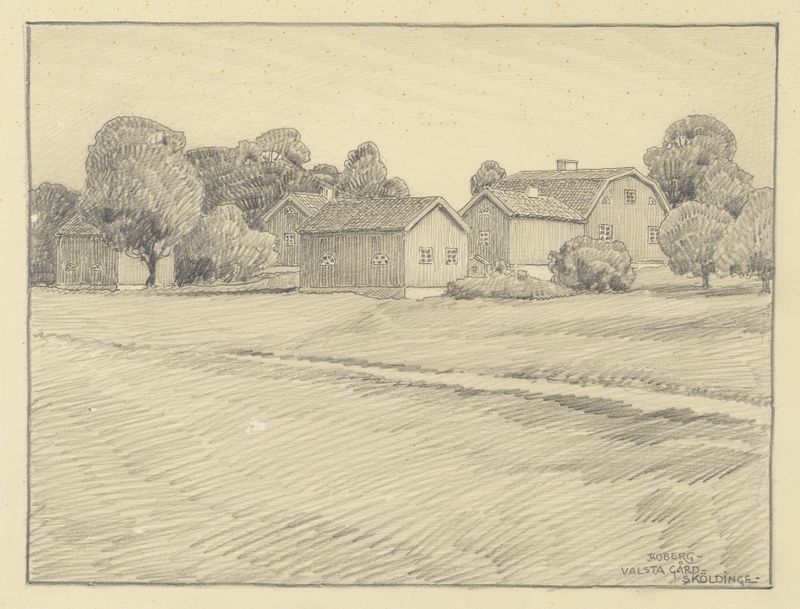
Valsta Gård
Ferdinand Boberg
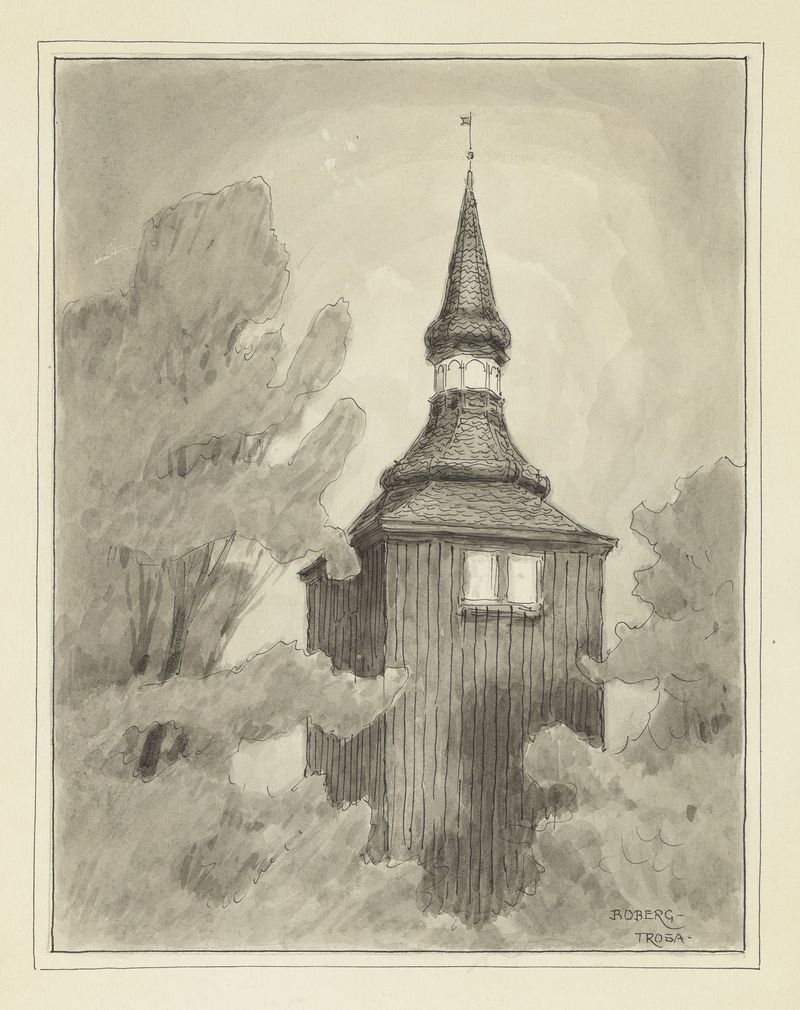
Trosa
Ferdinand Boberg
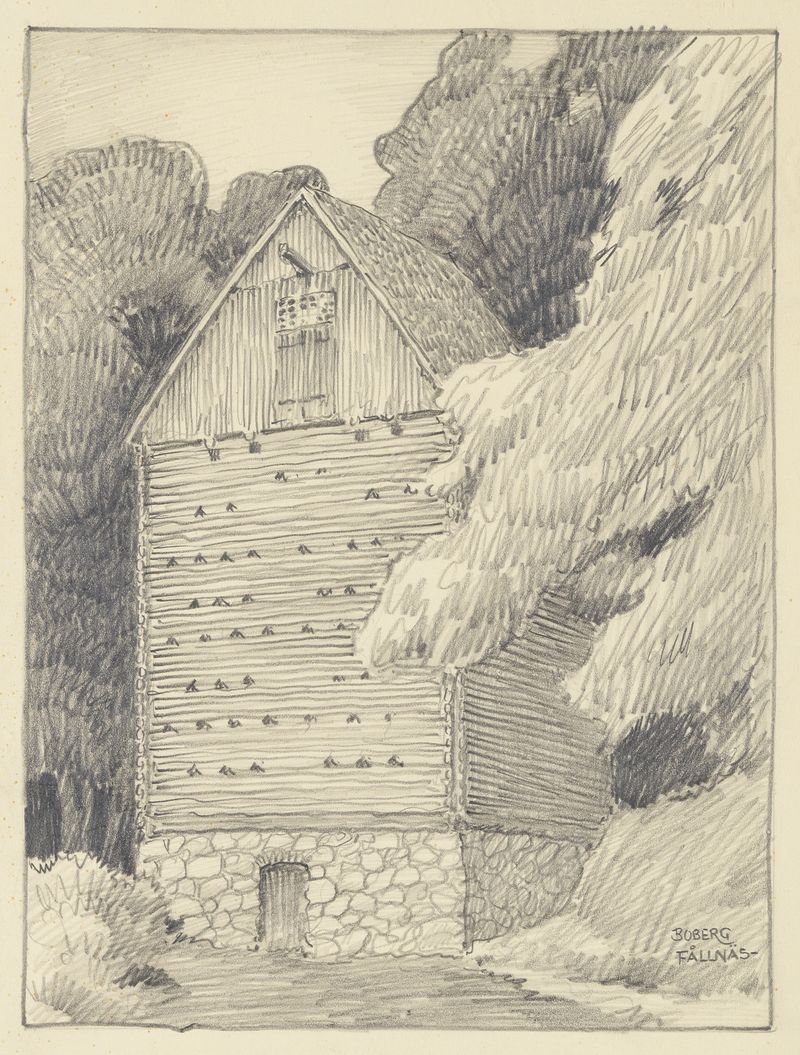
Fållnäs
Ferdinand Boberg
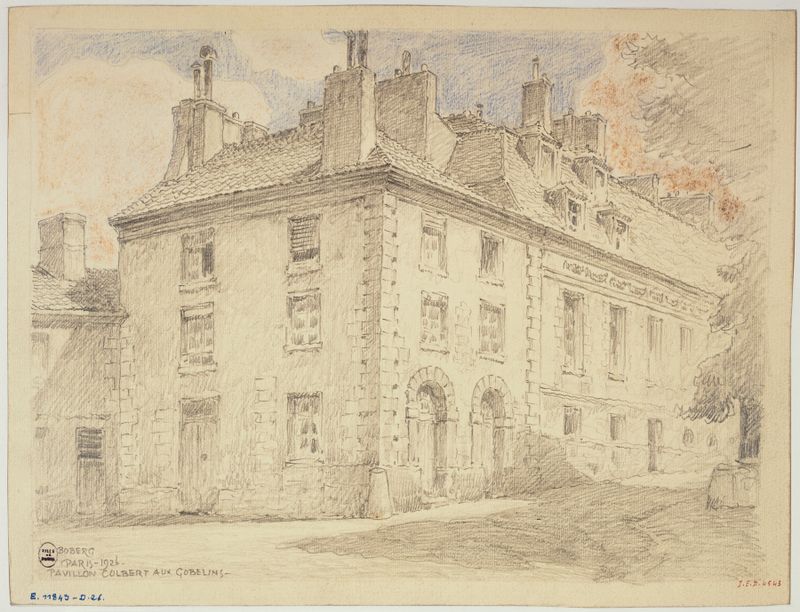
Le pavillon Colbert aux Gobelins
Ferdinand Boberg
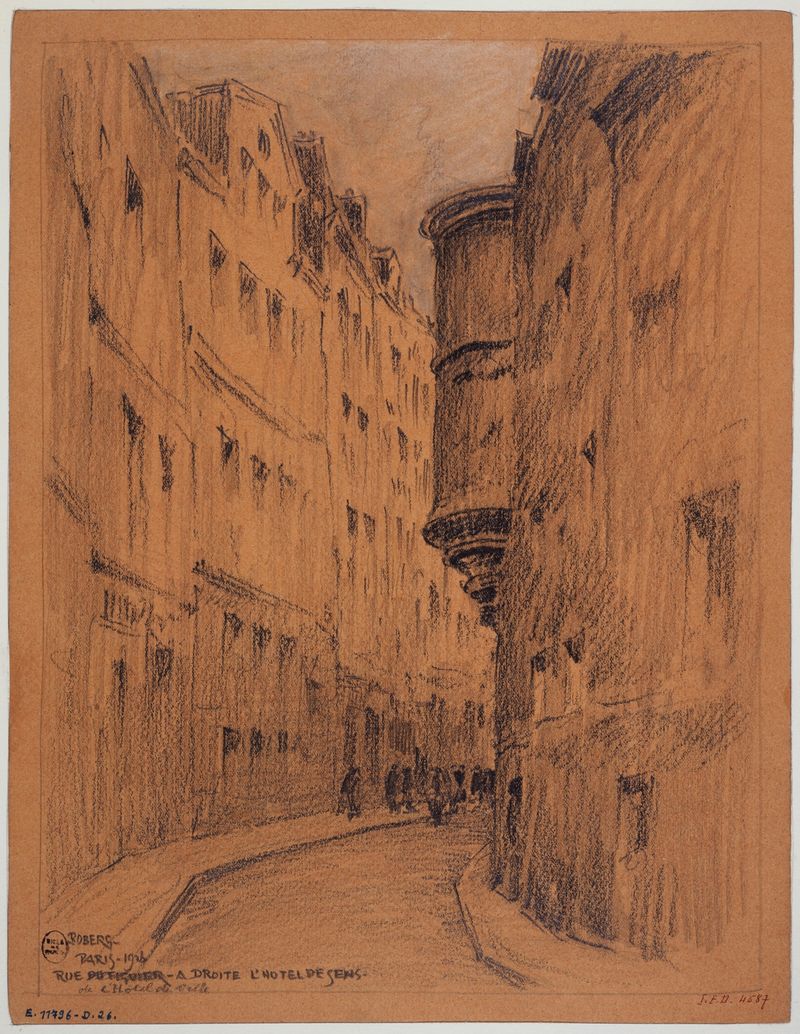
Rue de l’Hôtel de Ville; l’hôtel de Sens
Ferdinand Boberg
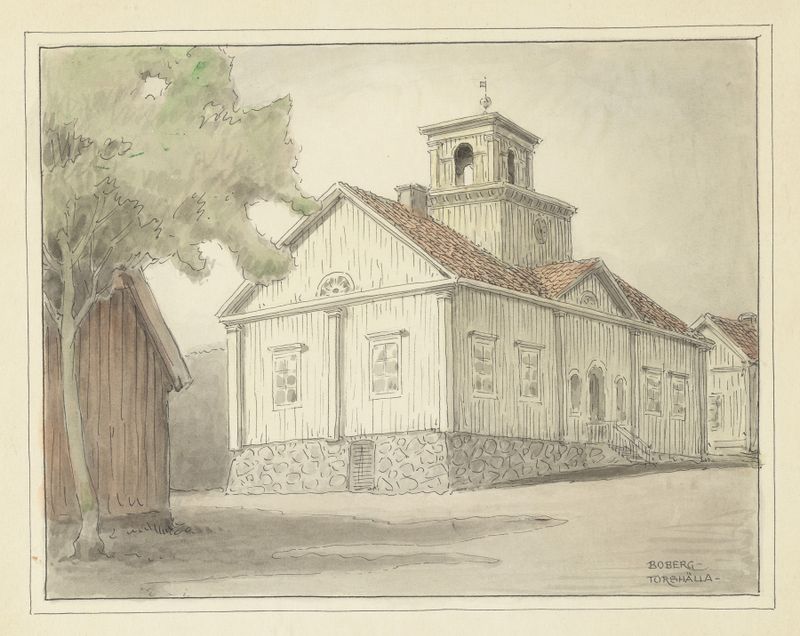
Torshälla
Ferdinand Boberg
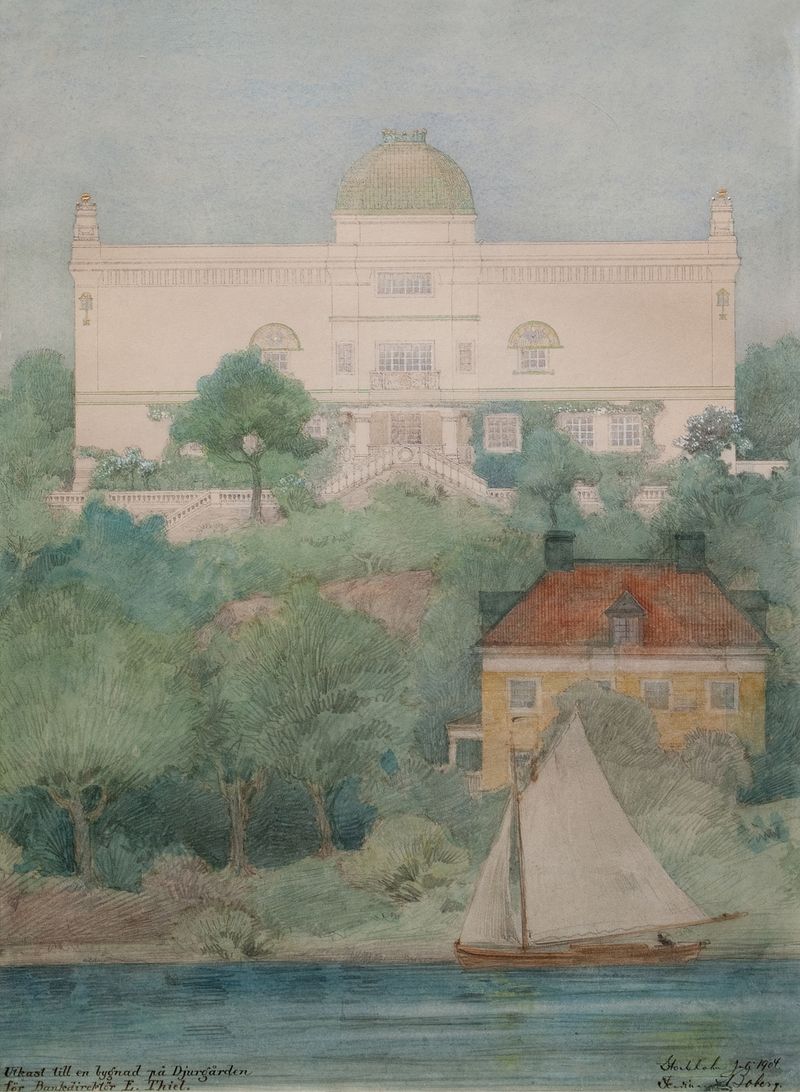
Sketch for a building for Thiel’s Gallery
Ferdinand Boberg
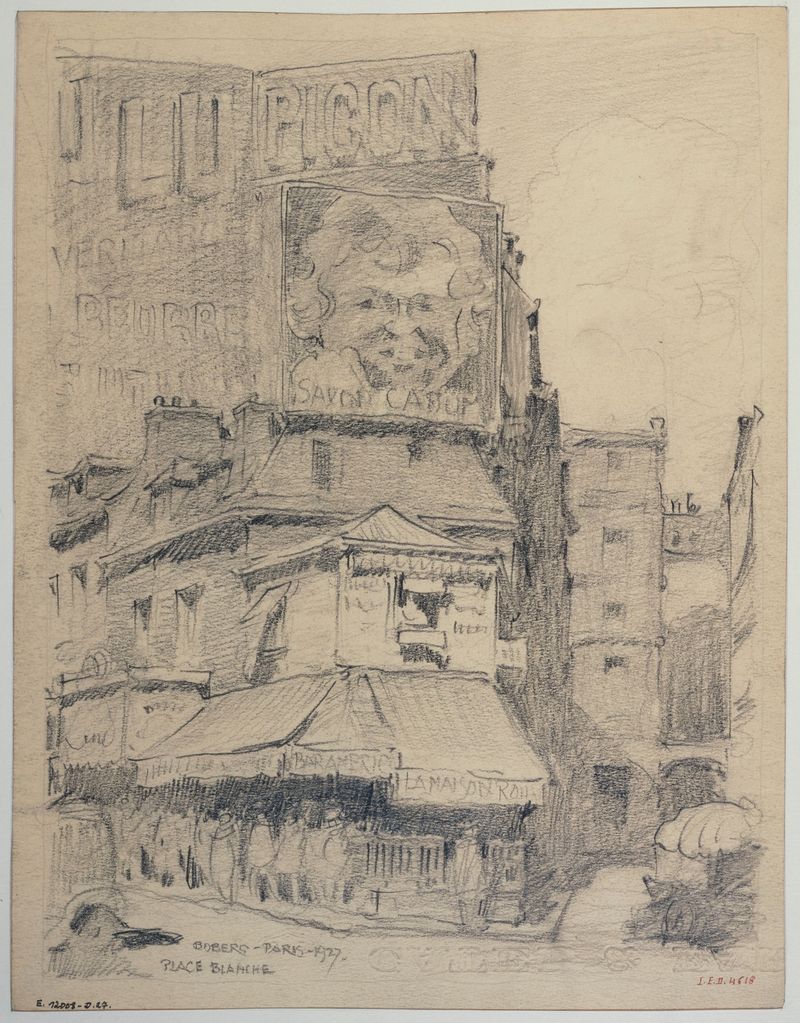
La place Blanche
Ferdinand Boberg
More Architecture Art
Browse all →
The statue of Liberty
Frédéric Auguste Bartholdi

View of Houses in Delft, Known as ‘The Little Street’
Johannes Vermeer

View of Houses in Delft, Known as ‘The Little Street’
Johannes Vermeer

The Cathedral in Rouen. The portal, Grey Weather
Claude Monet

The yellow house
Vincent van Gogh

The Church in Auvers-sur-Oise, View from the Chevet
Vincent van Gogh