
Maison, rue du Cimetière Saint Benoit — History & Facts
The emptiness within a space often echoes louder than noise, revealing the unspoken truths we carry. In Maison, rue du Cimetière Saint Benoit, the weight of absence becomes a haunting presence that invites reflection and introspection. Look to the center of the canvas where a solitary house stands, its walls weathered and weary. The muted palette of grays and soft browns envelops the structure, while shadows stretch languidly across the ground, hinting at a forgotten past.
Notice the intricate details in the architecture, the way the windows seem to gaze out with solemnity, as if holding secrets of those who once called this place home. The light, tender yet distant, filters through branches that barely touch the house, creating an interplay of illumination and obscurity that heightens the sense of solitude. The painting speaks volumes about the emotions entwined in this neglected space. The contrast between the sturdy structure and the fragility of its surroundings mirrors the tension between permanence and transience.
Each brushstroke conveys a story of abandonment—an invitation to ponder who inhabited this dwelling and why silence now reigns supreme. The absence of people in the scene amplifies feelings of isolation, compelling viewers to grapple with their own experiences of emptiness and longing. In 1926, Ferdinand Boberg created this artwork during a period of profound change in Europe, marked by the aftermath of World War I. As the art world shifted towards modernist ideals, Boberg’s focus on architecture reflected a fascination with stillness amidst chaos.
Residing in France at the time, he captured both the beauty and desolation of his surroundings, embodying the collective sentiment of a world searching for meaning in the silence left behind.
More Artworks by Ferdinand Boberg
Browse all →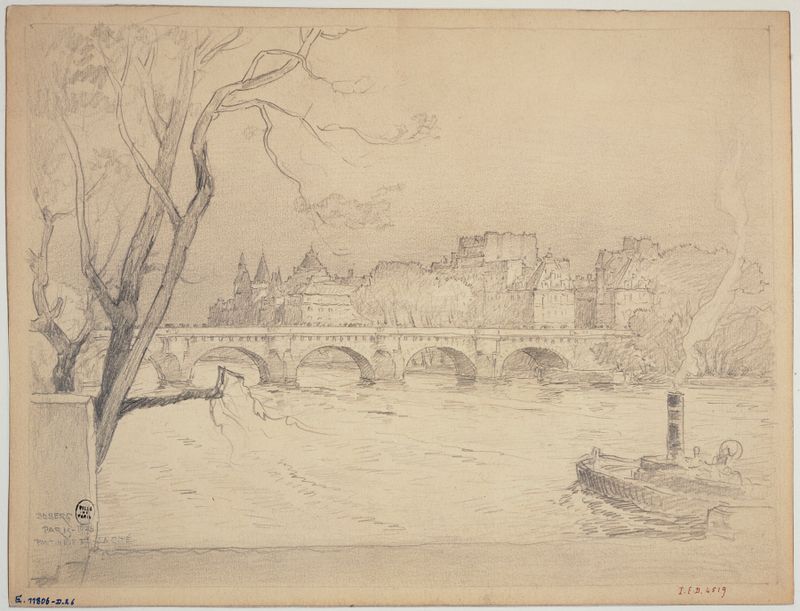
Le Pont-Neuf et la Cité
Ferdinand Boberg
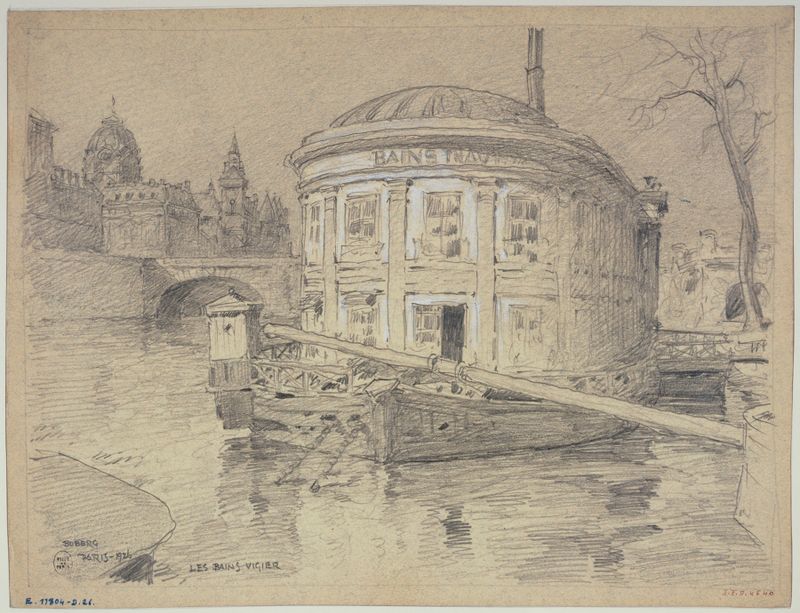
Les bains Vigier au Pont-Neuf
Ferdinand Boberg
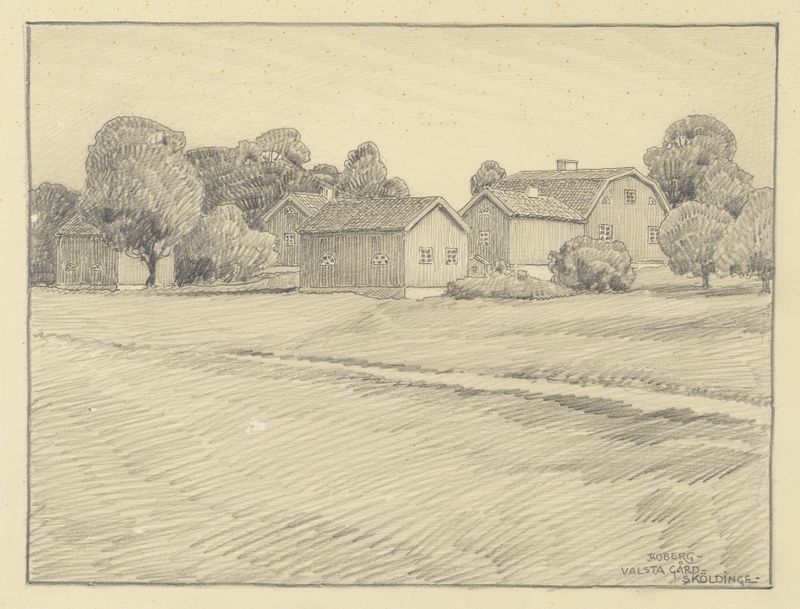
Valsta Gård
Ferdinand Boberg
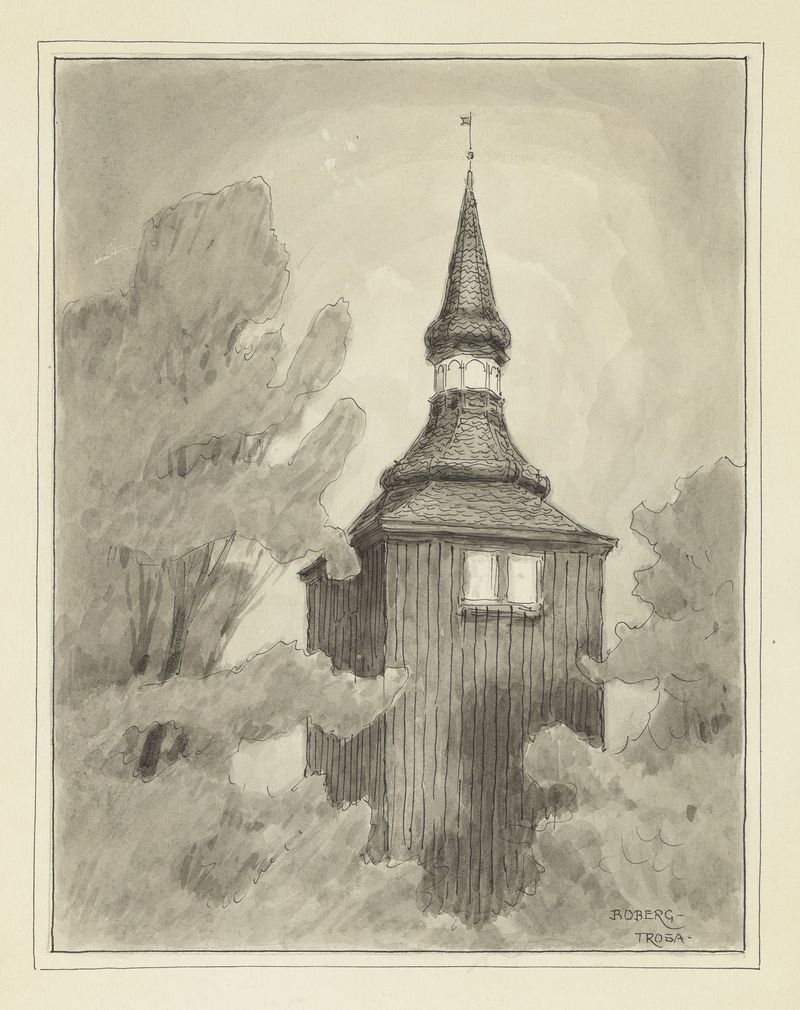
Trosa
Ferdinand Boberg
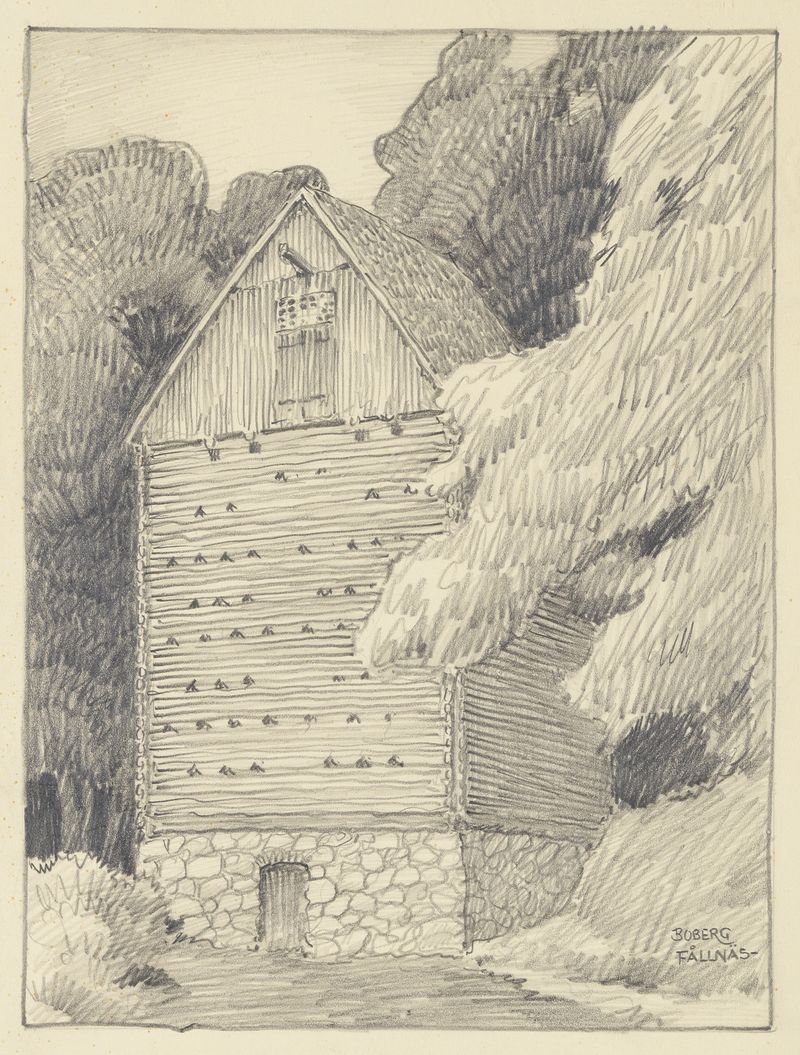
Fållnäs
Ferdinand Boberg
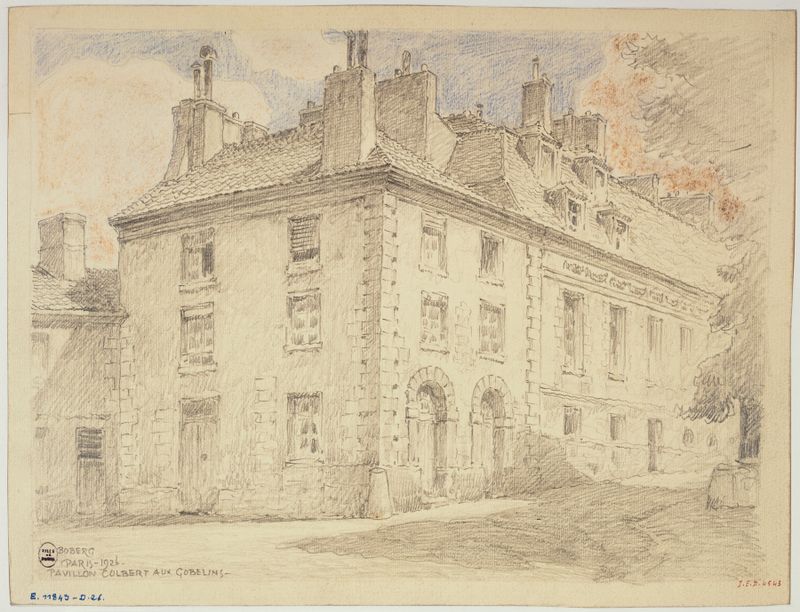
Le pavillon Colbert aux Gobelins
Ferdinand Boberg
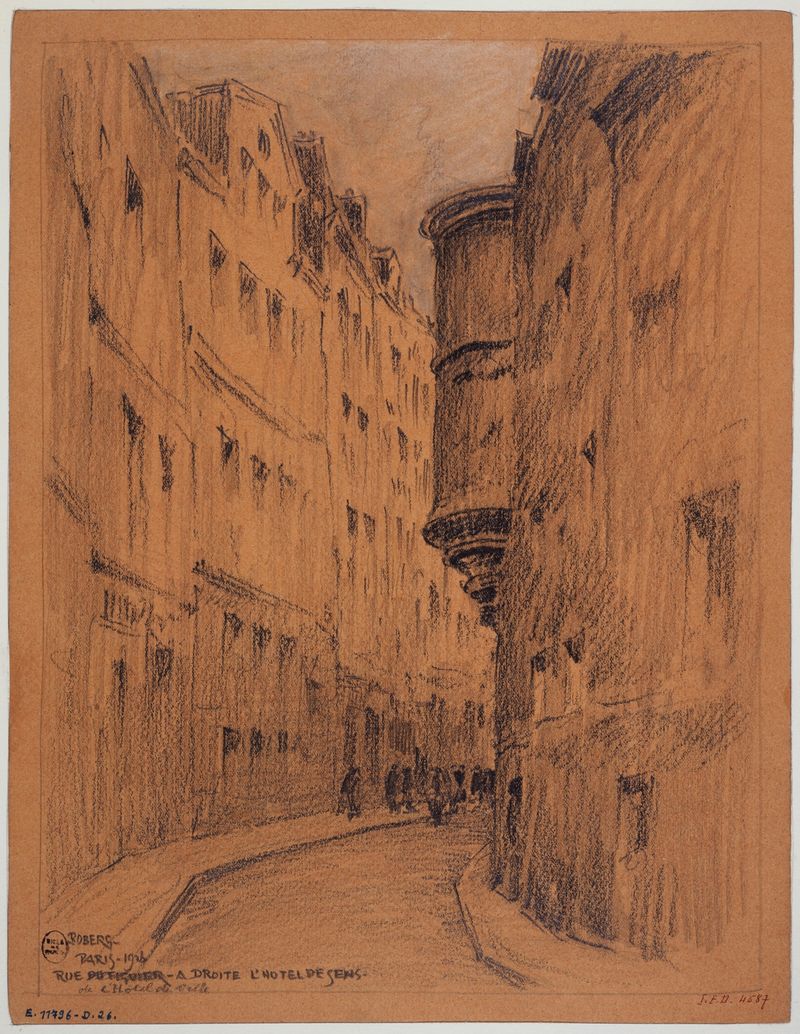
Rue de l’Hôtel de Ville; l’hôtel de Sens
Ferdinand Boberg
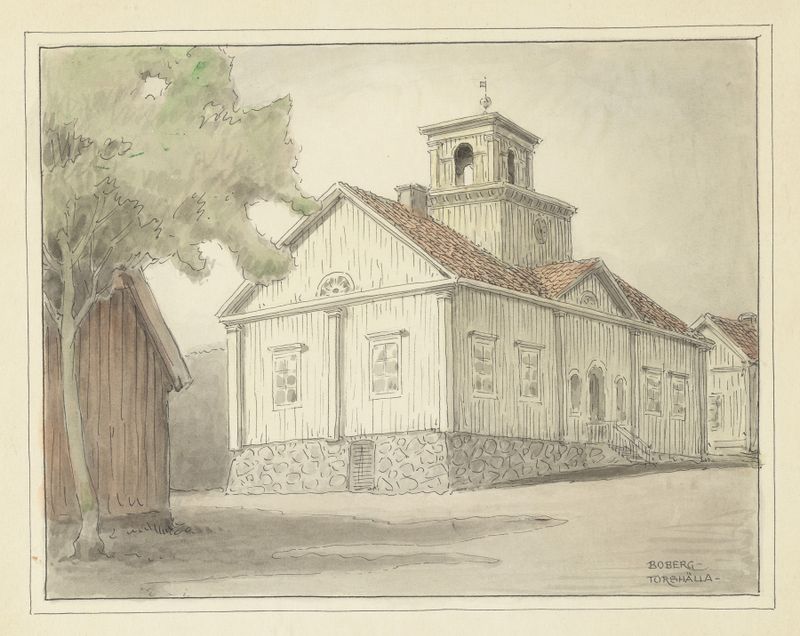
Torshälla
Ferdinand Boberg
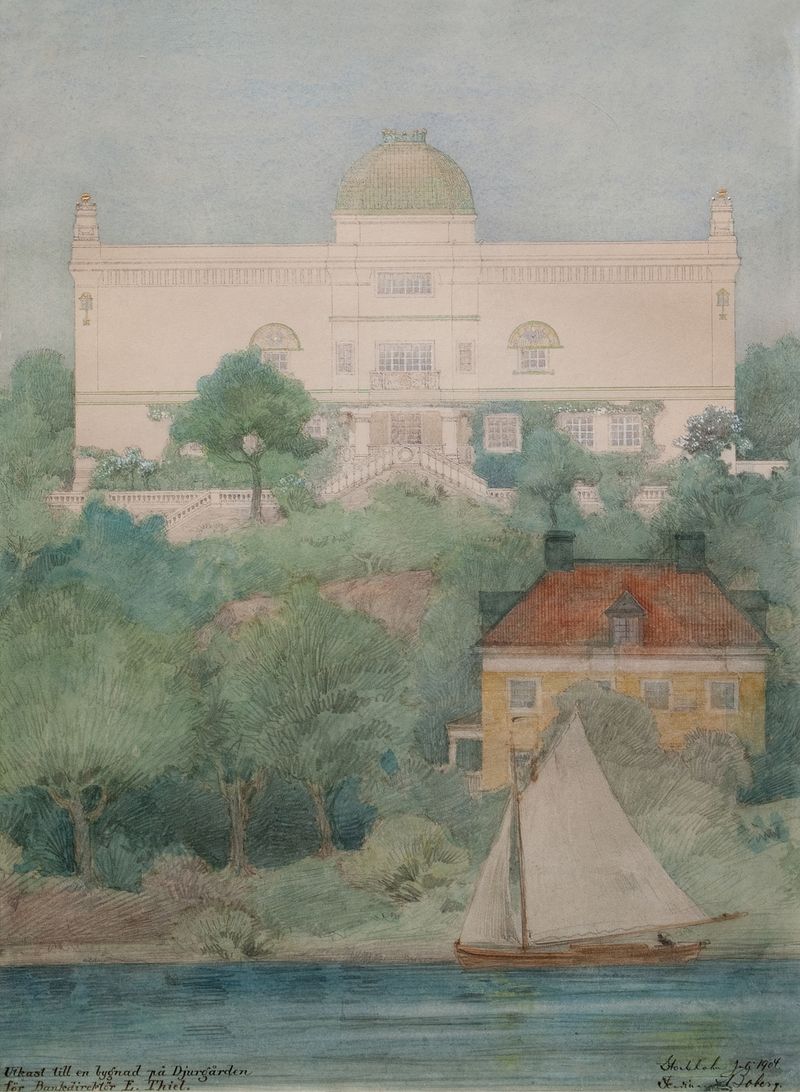
Sketch for a building for Thiel’s Gallery
Ferdinand Boberg
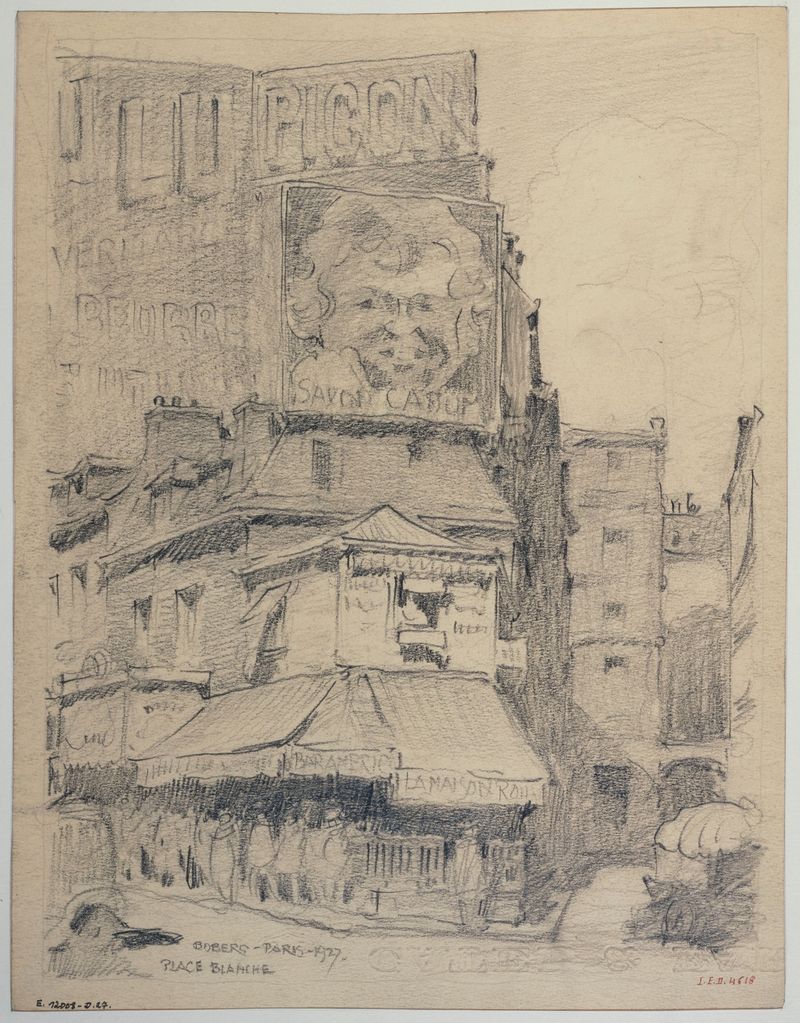
La place Blanche
Ferdinand Boberg
More Architecture Art
Browse all →
The statue of Liberty
Frédéric Auguste Bartholdi

View of Houses in Delft, Known as ‘The Little Street’
Johannes Vermeer

View of Houses in Delft, Known as ‘The Little Street’
Johannes Vermeer

The Cathedral in Rouen. The portal, Grey Weather
Claude Monet

The yellow house
Vincent van Gogh

The Church in Auvers-sur-Oise, View from the Chevet
Vincent van Gogh