
Malta — History & Facts
Can paint confess what words never could? In Malta, the brush whispers secrets of chaos, rendering a world at the edge of madness. Look to the bottom right where the tumultuous waves crash against jagged rocks, their fury captured in a whirl of swirling blues and greens. The dark, brooding clouds above reflect an ominous tension, drawing the viewer’s eye upward to the distant landmass, where architectural forms emerge, stoic yet fragile against nature's wrath. Reveley’s deft use of light highlights the tumult, casting ethereal glimmers amidst the shadows, inviting contemplation of both beauty and destruction. Deeper truths unfold in the contrasts throughout the composition.
The hostility of the tempest contrasts sharply with the silent strength of the distant fortifications, suggesting a fragile balance between civilization and the wild. The looming darkness in the sky hints at an impending storm, not just of nature but perhaps of the mind, reflecting the artist's inner struggles. Each stroke unveils layers of emotion, as if to convey a world wrestling with its own madness, mirroring the psychological turbulence of the time. Painted in 1785 while Reveley was based in England, Malta emerged during a period of transition in European art, as Romanticism began to take root.
This was also a time marked by significant political upheaval, as revolutionary fervor brewed across the continent. The artist, influenced by the dramatic landscapes and profound emotional expressions of his own experiences, captured the tension of an era on the brink of transformation, making this work a poignant reflection of both personal and societal turbulence.
More Artworks by Willey Reveley
Browse all →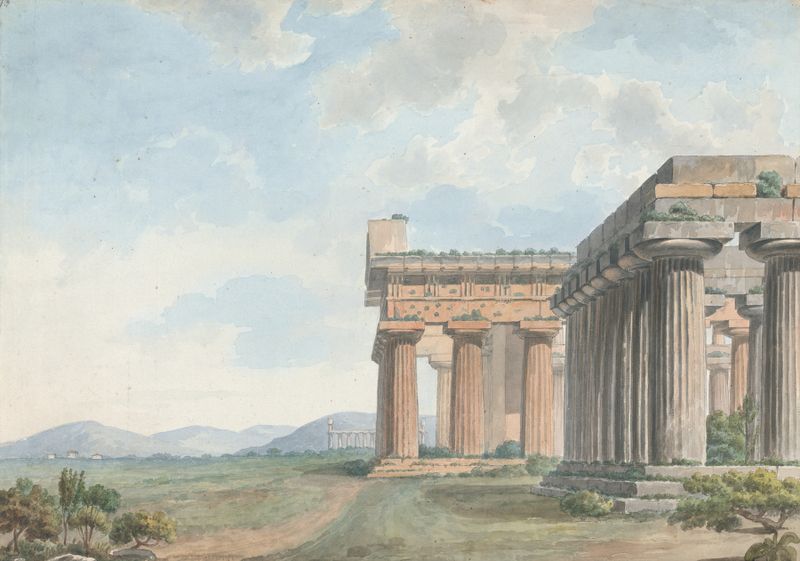
Temple Ruins at Paestum
Willey Reveley
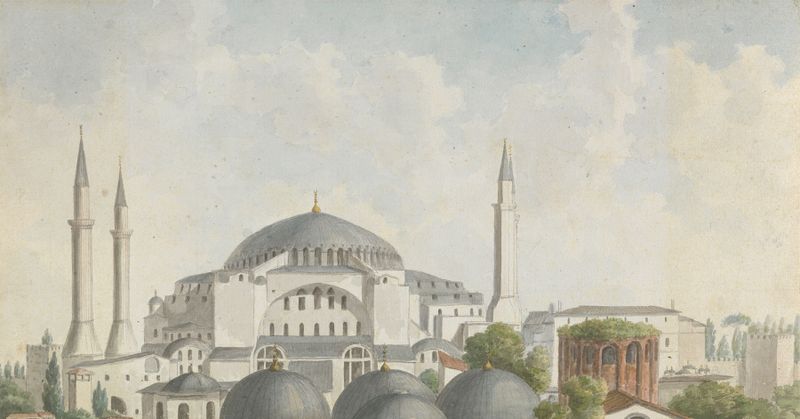
View of the domes and spires of Hagia Sophia, Istanbul
Willey Reveley
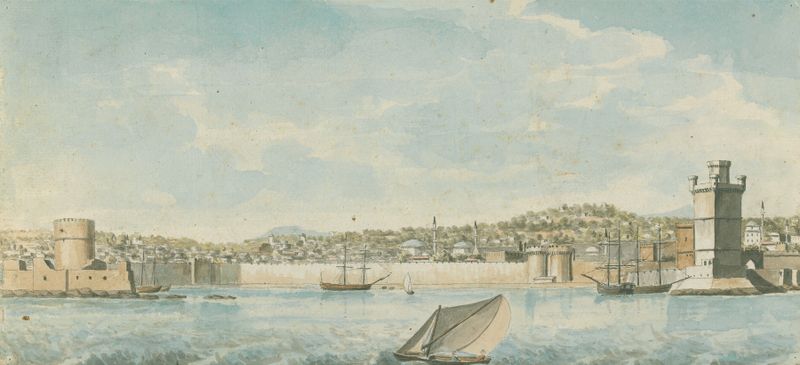
View of a Walled Town and Harbour with Towers Seen From the Sea
Willey Reveley
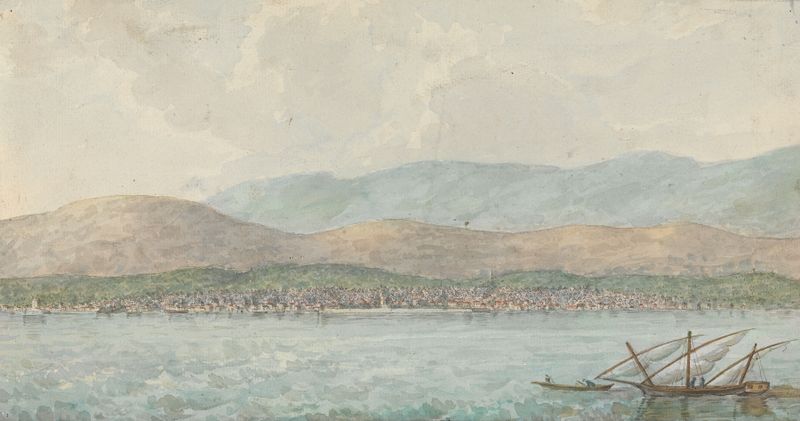
View of a Harbour and Town From the Sea, Turkey
Willey Reveley
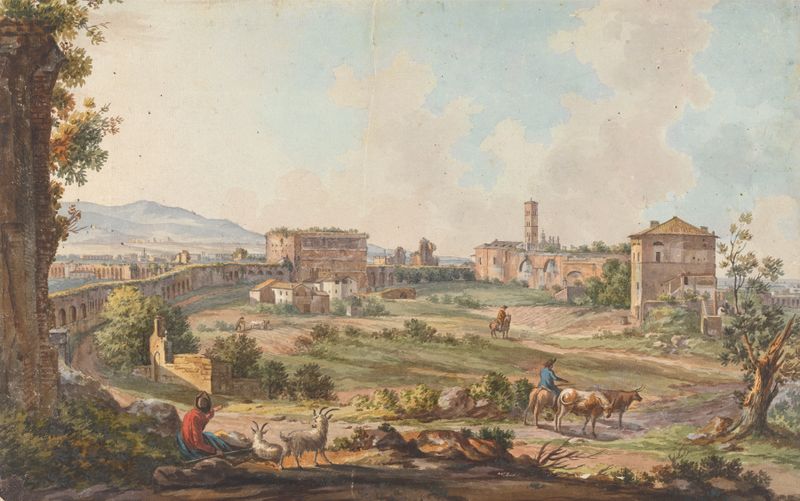
Ruins in Rome with Goats, Cows and Herdsmen
Willey Reveley
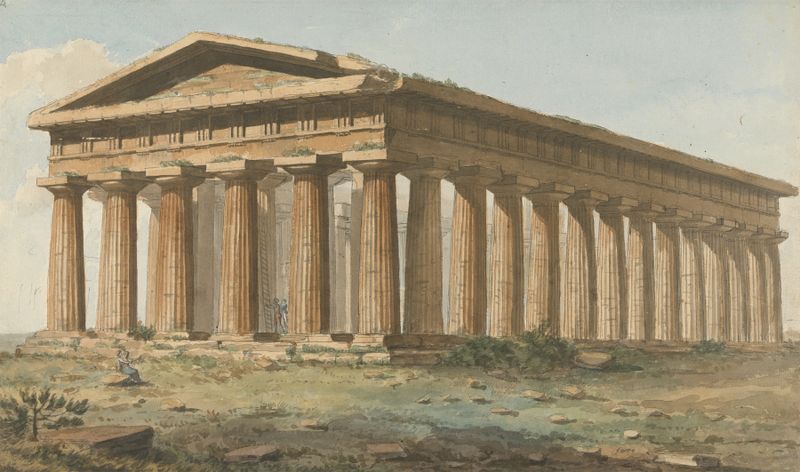
Paestum
Willey Reveley
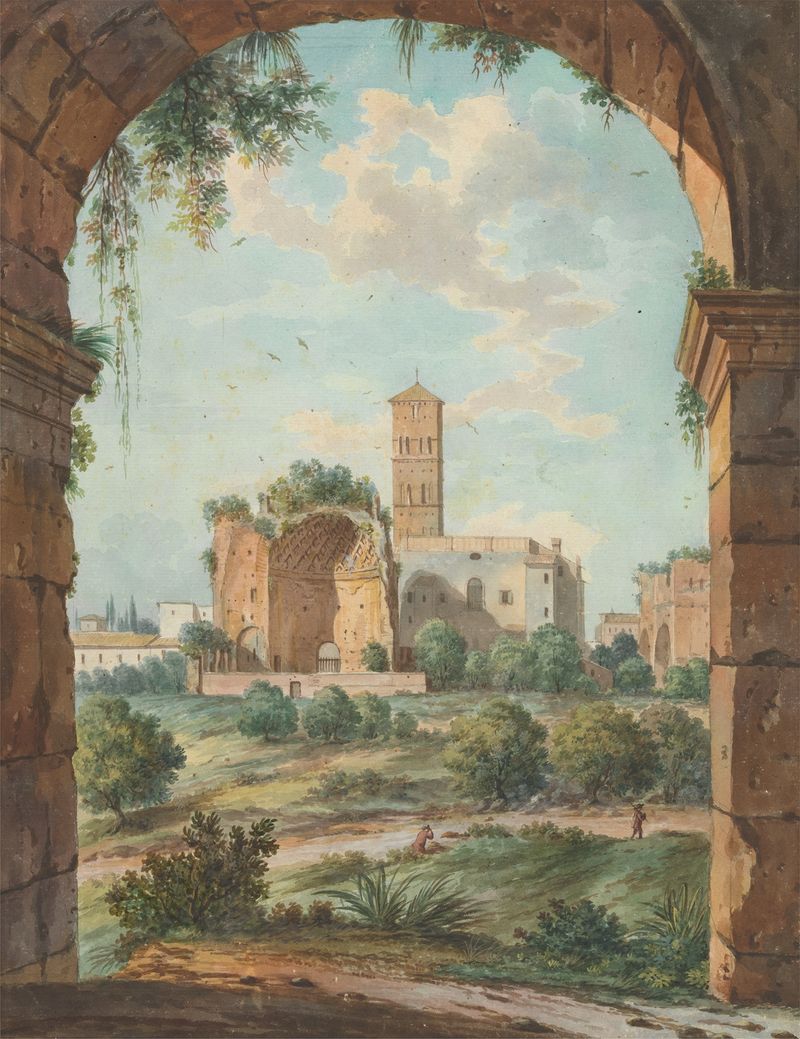
Rome with Ruins seen Through an Archway
Willey Reveley
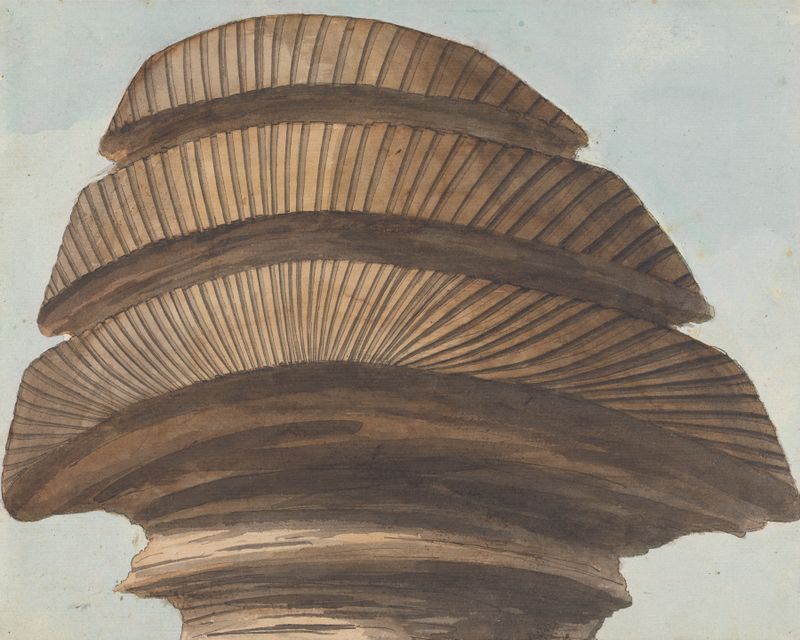
Back View of the Head of the Sphinx
Willey Reveley
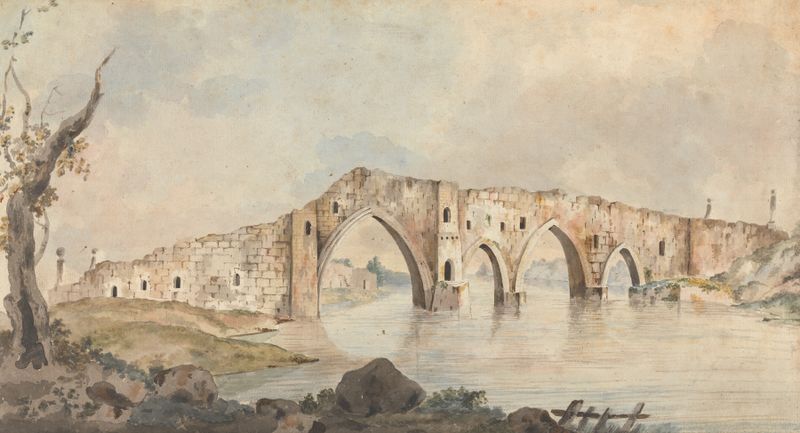
Ruined Bridge with Four Pointed Arches Near Rome
Willey Reveley
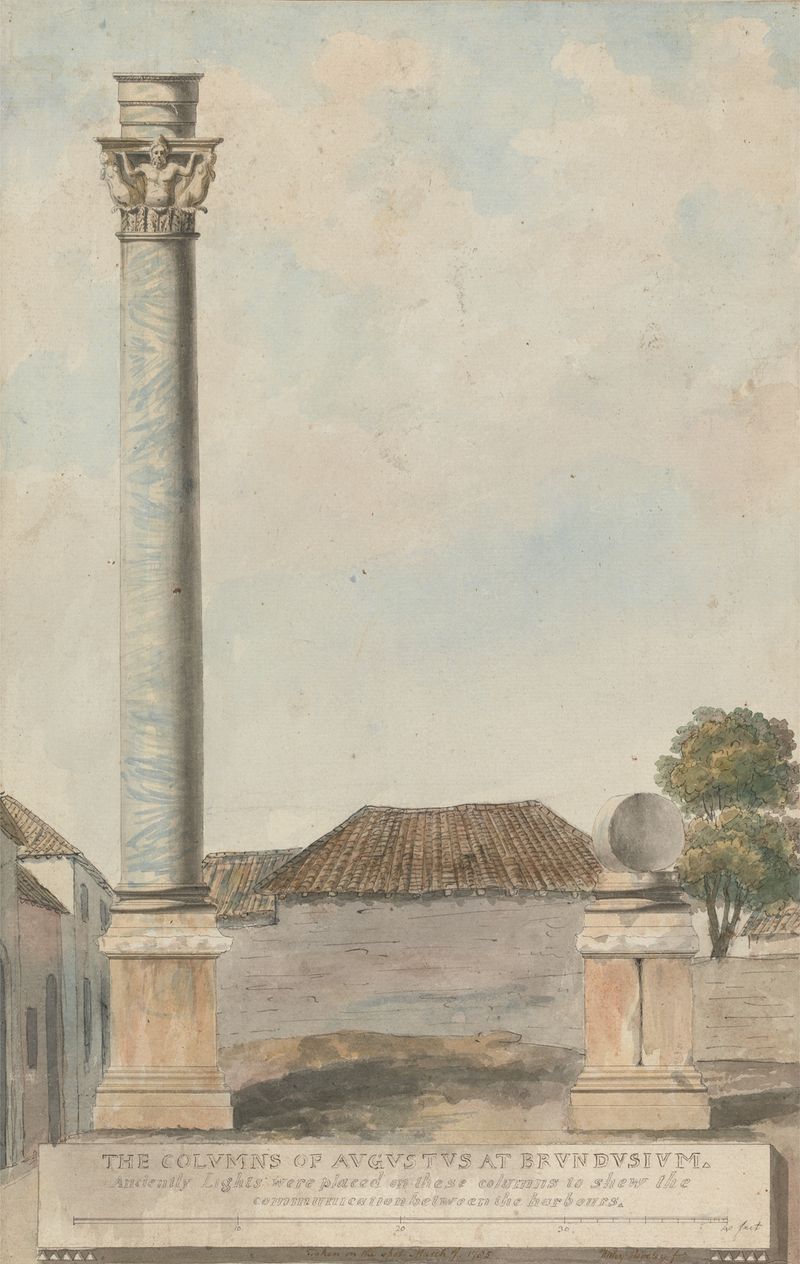
The Columns of Augustus at Brundisium
Willey Reveley





