
Man at the Window — History & Facts
In Man at the Window, Henri de Braekeleer presents a solitary figure gazing out a window. The colors are muted, dominated by soft browns and grays, creating a contemplative atmosphere. The man, dressed in period attire, appears lost in thought, with a slight shadow cast across his face.
The setting suggests an intimate interior, emphasizing the subject's isolation and introspection. The painting is executed in oil on panel, showcasing Braekeleer's skill in capturing realistic details. The texture of the fabric and the play of light on the man's face are particularly noteworthy. The composition draws the viewer's eye toward the window, creating a sense of depth and perspective.
This technique enhances the emotional weight of the scene, inviting viewers to ponder the man's thoughts. Henri de Braekeleer was a prominent Belgian painter known for his realistic portrayals of everyday life. This work, created in the late 19th century, reflects the Realism movement's focus on the human experience. An interesting fact about this piece is that it captures a moment of quiet reflection, a theme that resonates throughout Braekeleer's oeuvre.
His ability to convey emotion through subtle details is a hallmark of his artistic style.
Sources: Wikidata Q55670400
More Artworks by Henri de Braekeleer
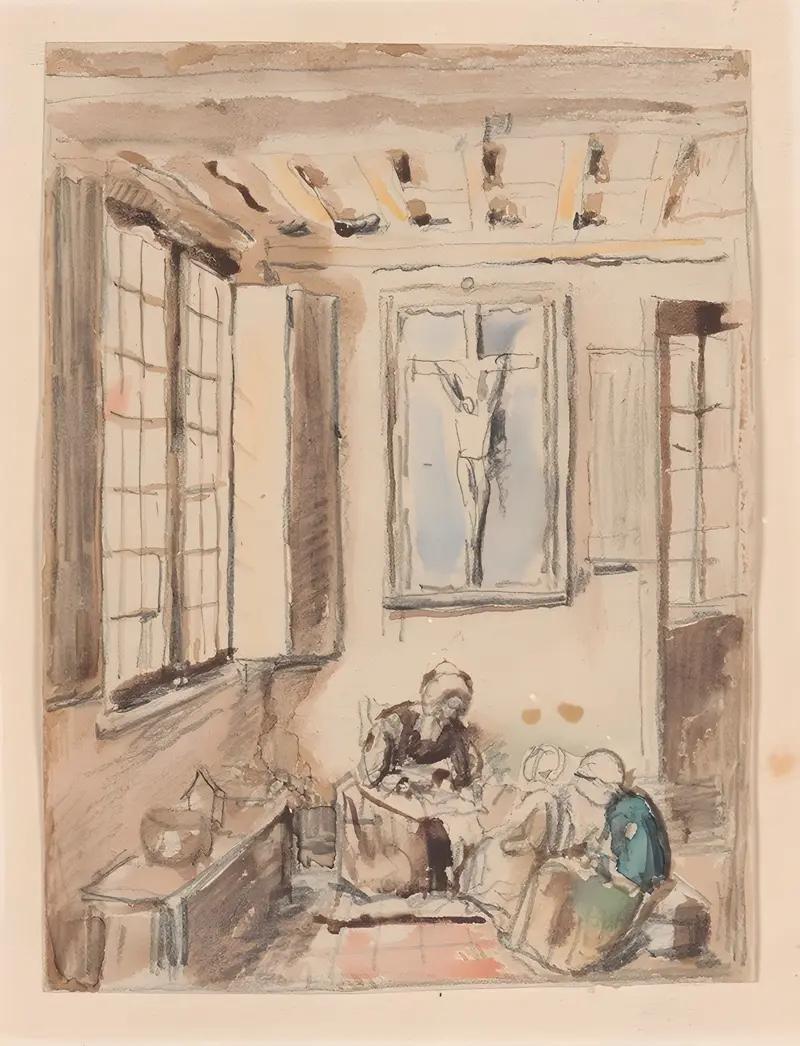
The Catechism Lesson
Henri de Braekeleer
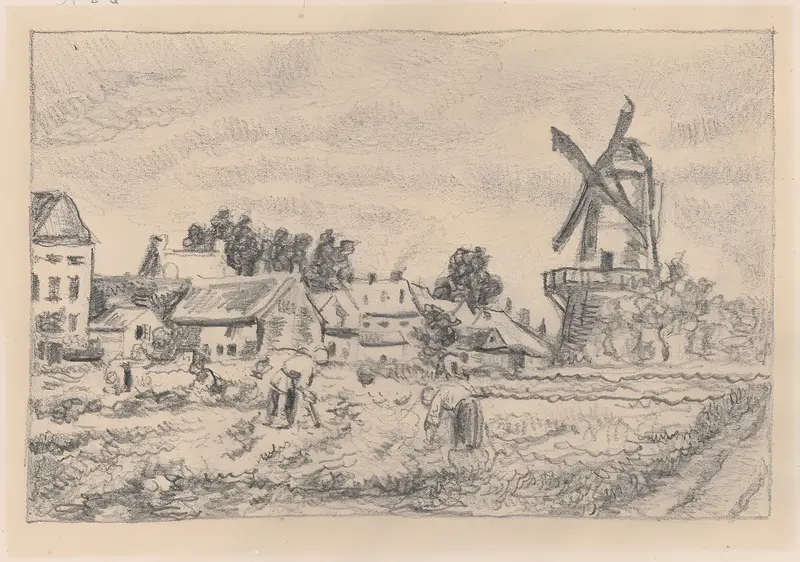
Potato Harvest
Henri de Braekeleer
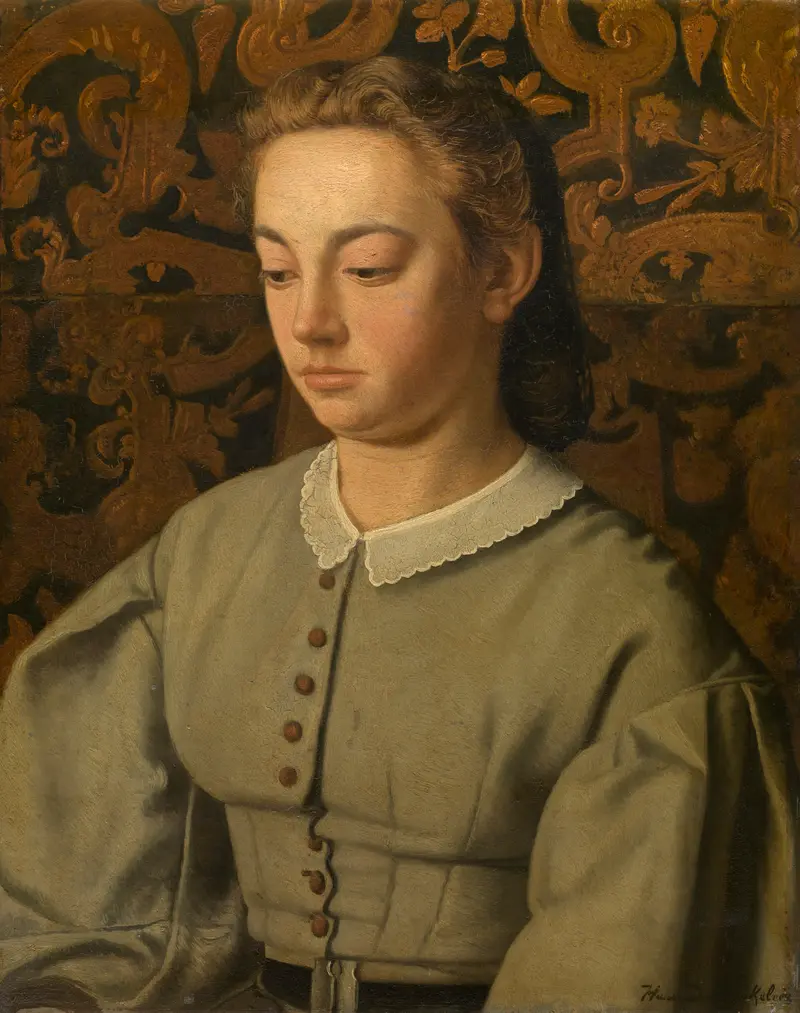
Betsy De Braekeleer, the Painter’s Sister
Henri de Braekeleer
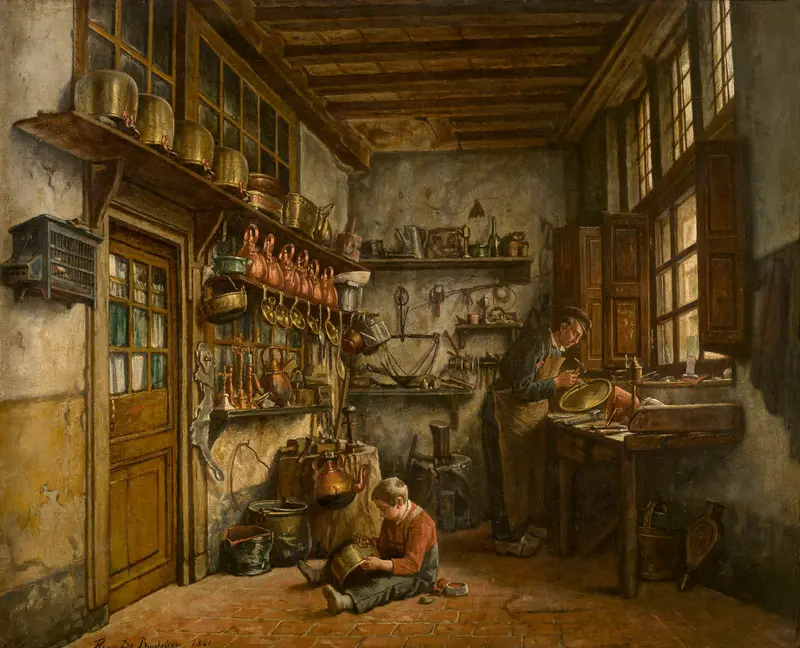
The Tinker
Henri de Braekeleer
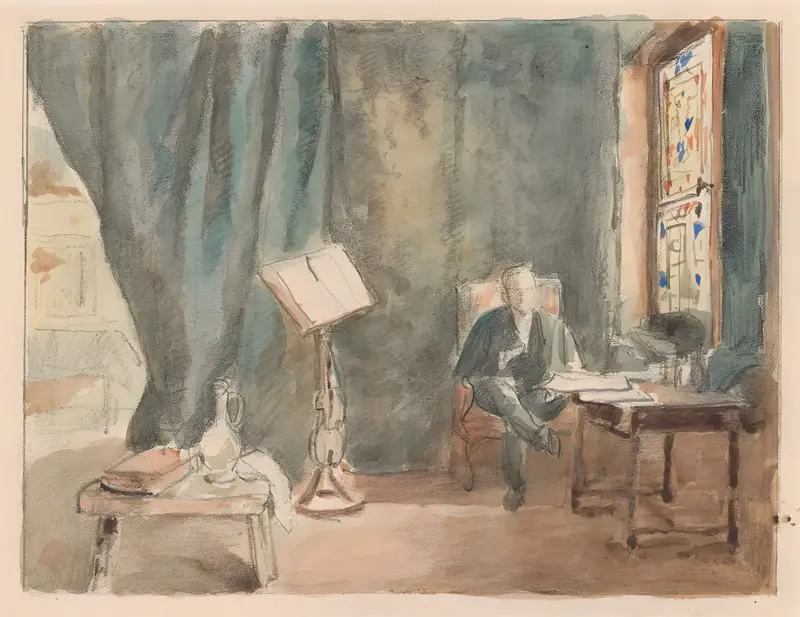
The Violin Player
Henri de Braekeleer
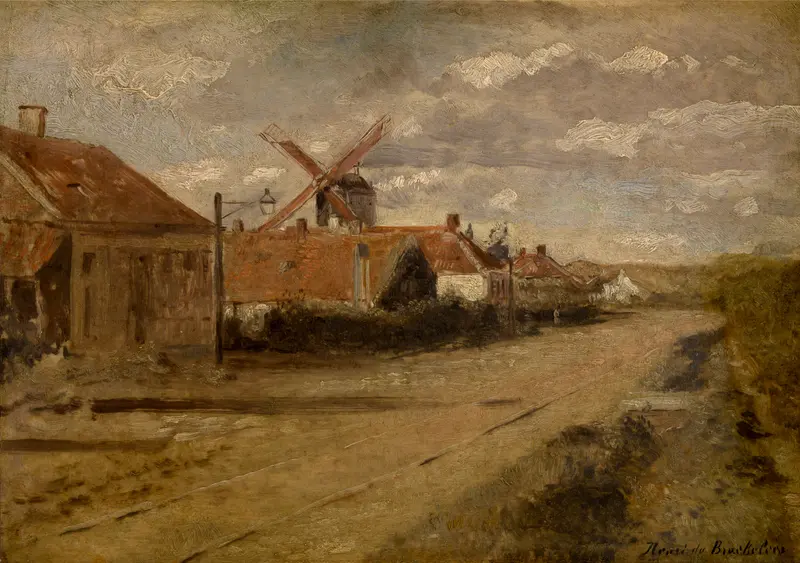
The Mill at Kiel
Henri de Braekeleer
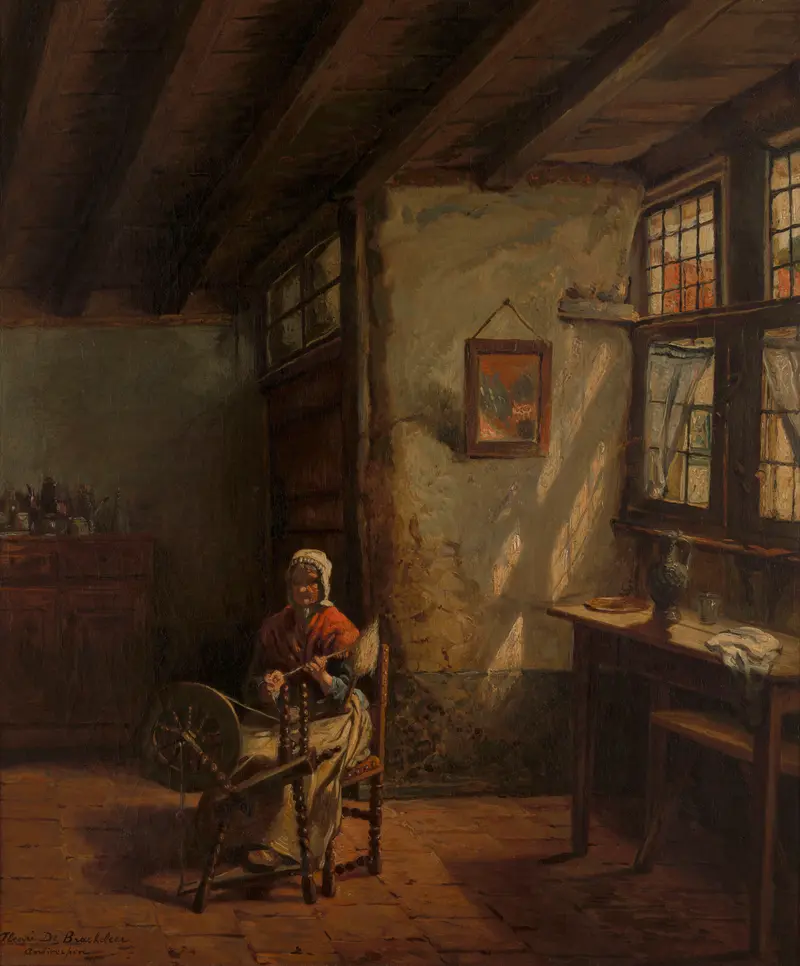
The Spinner
Henri de Braekeleer
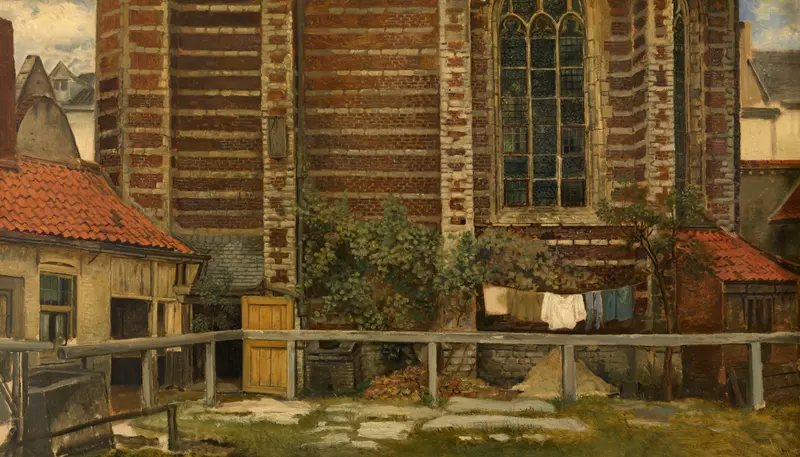
The Chapel of Grace in Antwerp
Henri de Braekeleer
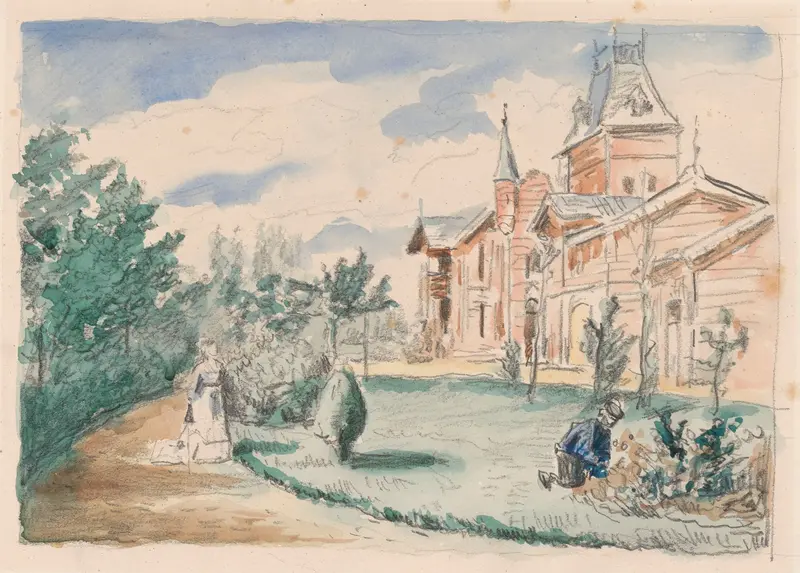
Gustave Coûteaux’s Country Estate
Henri de Braekeleer
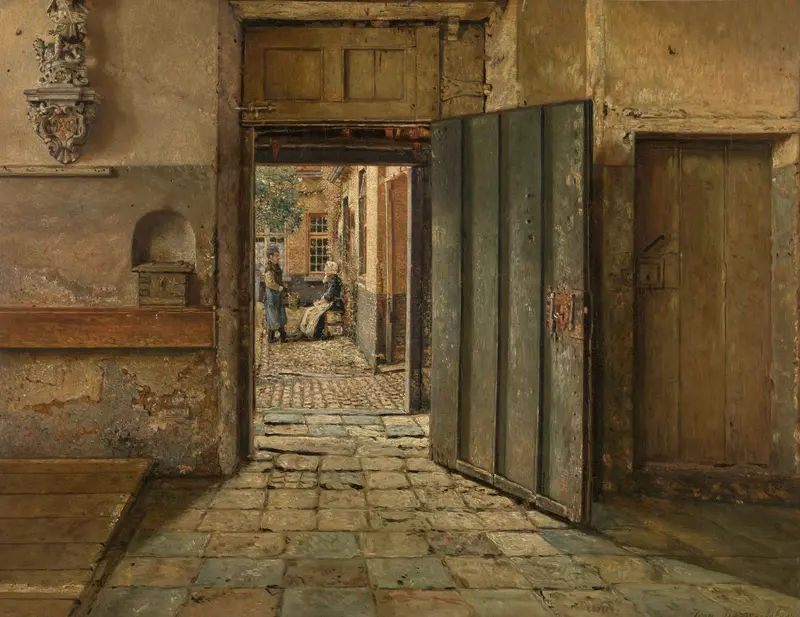
The Conversation
Henri de Braekeleer





