
Man met snor en tulband — History & Facts
In Man met snor en tulband, innocence is rendered in strokes that carry the weight of both wisdom and naivety. It invites us to ponder the fleeting nature of youth and the bittersweet simplicity of moments untainted by experience. Focus first on the central figure, a young man, whose unguarded expression is captured with an almost ethereal light. Notice how Tiepolo employs a delicate palette, blending soft pastels against a richer background, creating a subtle yet impactful contrast.
The way the light gently caresses the contours of the subject’s face draws the viewer’s eye, framing his innocence and inviting contemplation on the narrative that unfolds within those expressive features. Delve deeper into the small details—the fabric of the tulband that adorns his head, the slight curl of the mustache, and the shadowy play on the background. Each element speaks to the tension between tradition and modernity, hinting at the cultural layers within a single moment. The choice of attire speaks volumes about the intersection of status and vulnerability, suggesting that innocence often coexists with the weight of societal expectation. Created in 1774, this work emerged during a transformative period in Tiepolo's career while he was in Venice, a city thriving with artistic fervor and shifting cultural landscapes.
It reflects not just his mastery of light and color but also his keen awareness of the emotional currents that shaped human experience. As the world around him evolved, he captured a moment that resonates deeply with our understanding of innocence, forever immortalizing it on canvas.
More Artworks by Giovanni Domenico Tiepolo
Browse all →
Engel met scapulier
Giovanni Domenico Tiepolo
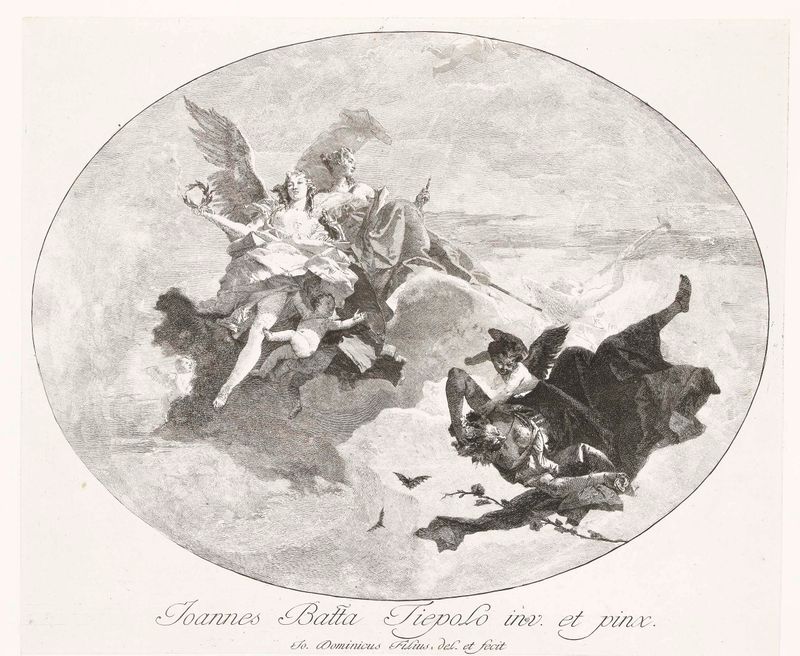
Deugd en Faam verjagen Gierigheid
Giovanni Domenico Tiepolo
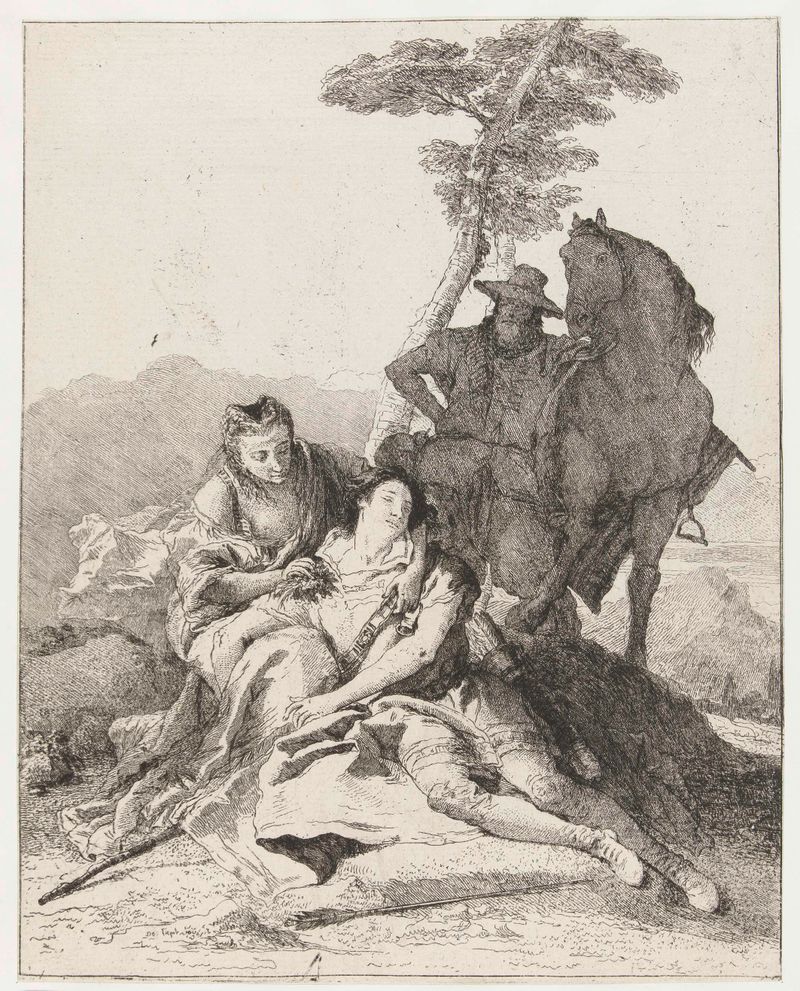
Angelica geneest de wond van Medoro
Giovanni Domenico Tiepolo
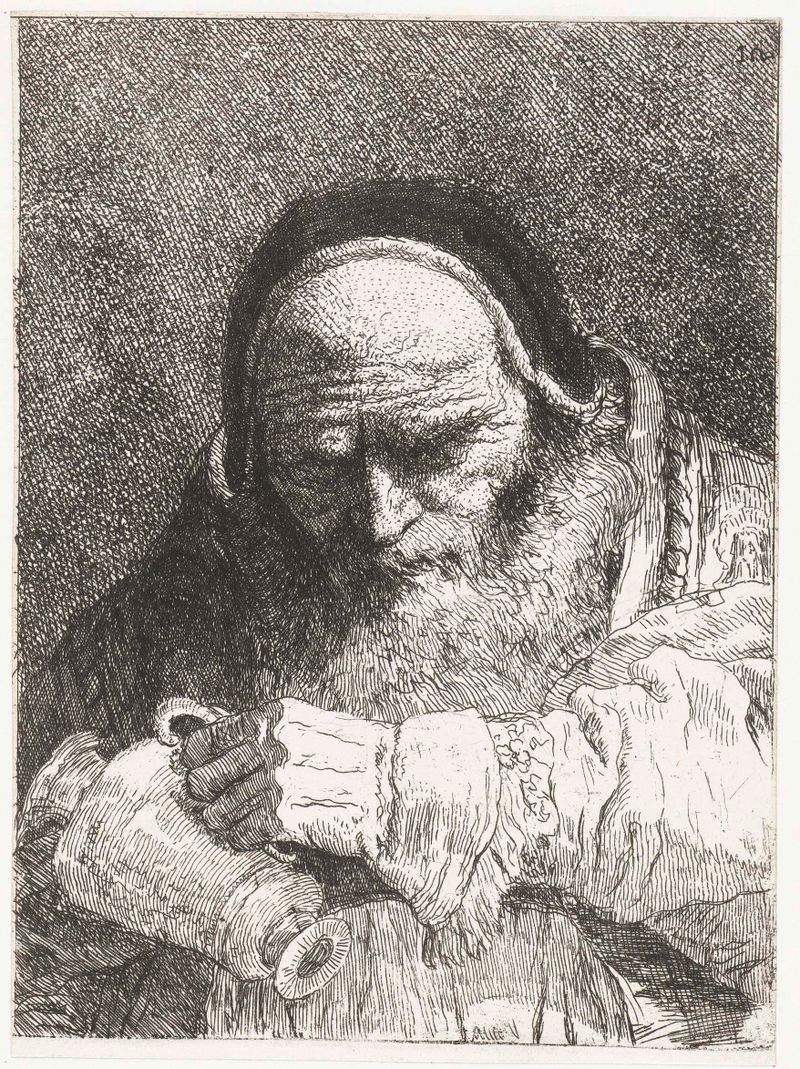
Paus met schenkkan
Giovanni Domenico Tiepolo

Heilige familie vertrekt door een stadspoort
Giovanni Domenico Tiepolo
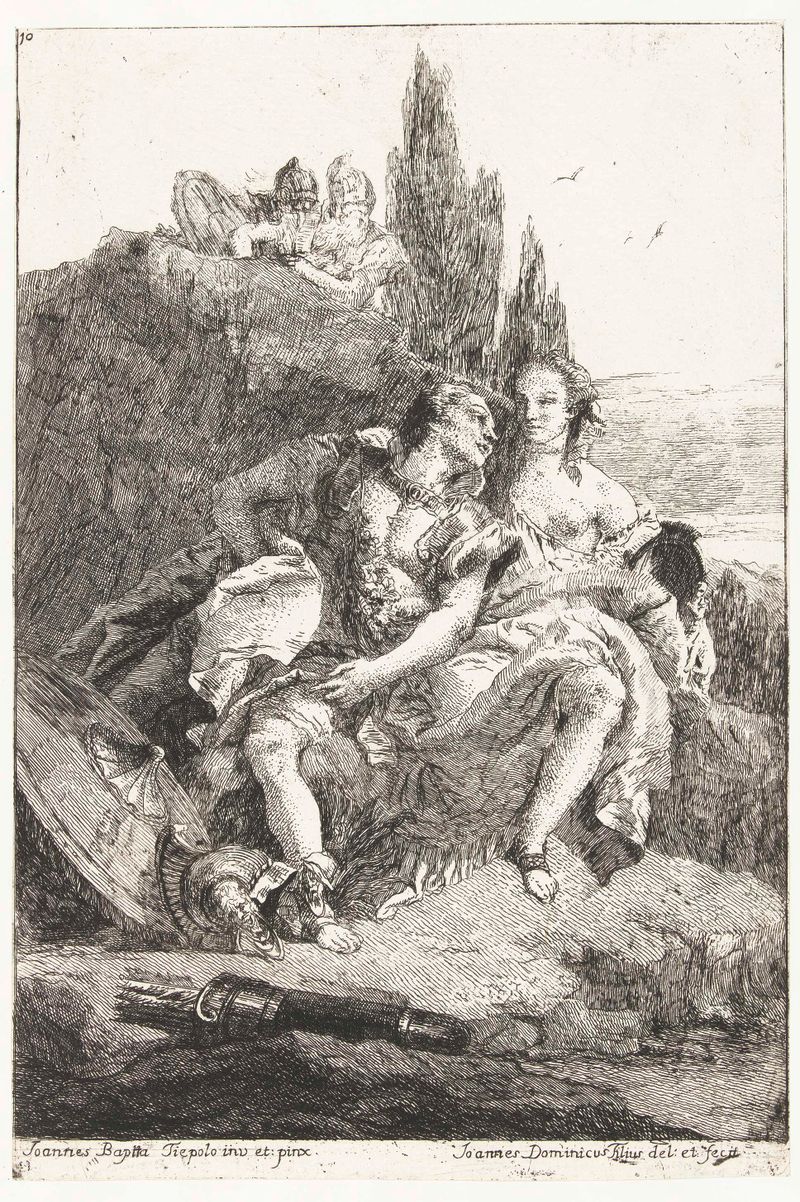
Rinaldo en Armida als liefdespaar aangetroffen bij een meer door twee ridders
Giovanni Domenico Tiepolo
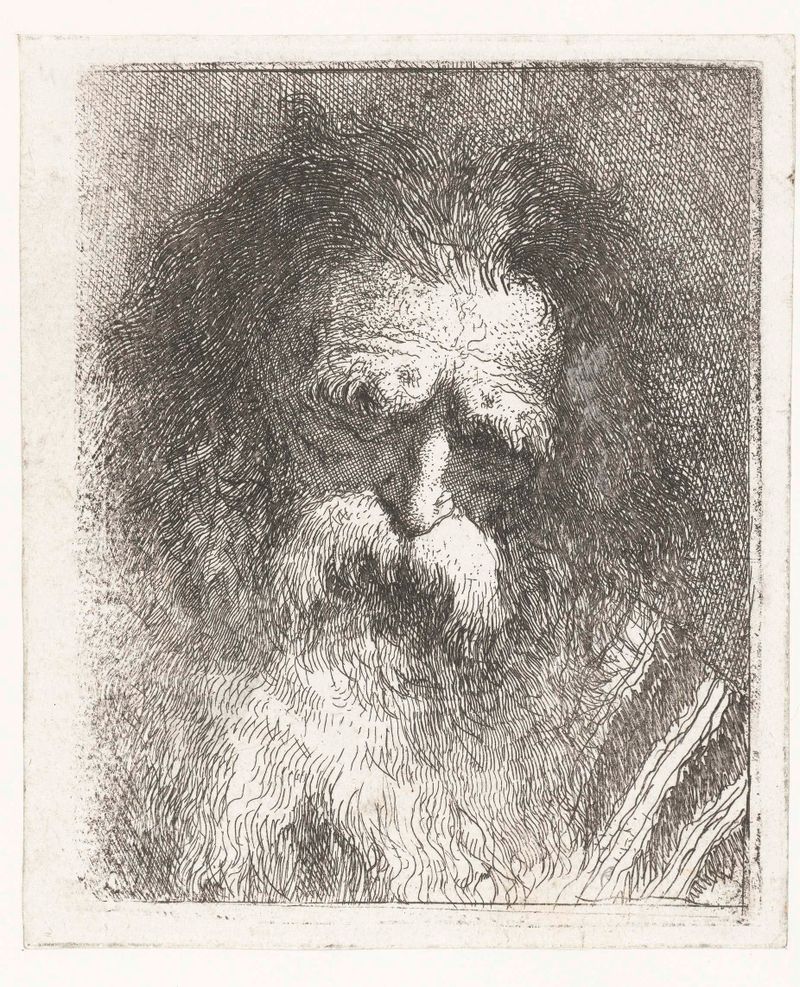
Oude man met borstelige wenkbrauwen en baard
Giovanni Domenico Tiepolo

Man met zwaard
Giovanni Domenico Tiepolo

Man met lange haren en zonder hoofddeksel
Giovanni Domenico Tiepolo

Man met ontblote schouder
Giovanni Domenico Tiepolo
More Portrait Art
Browse all →
Las meninas
Diego Velázquez

Self-portrait with a Bandaged Ear and Pipe
Unidentified artist

Girl with a Pearl Earring
Johannes Vermeer

The Sampling Officials of the Amsterdam Drapers’ Guild, Known as ‘The Syndics’
Rembrandt van Rijn

The Hundred Guilder Print: the man seen on the back in the lower left corner
Rembrandt van Rijn

Portrait of Dr Gachet
Vincent van Gogh