
Man of Sorrows — History & Facts
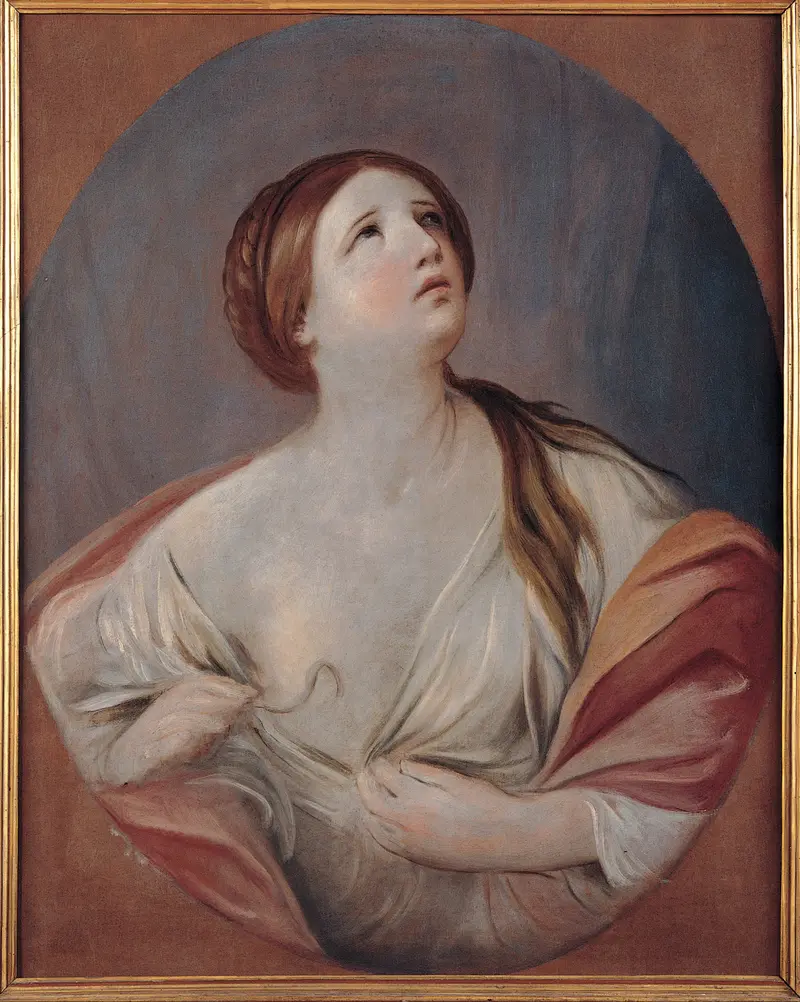
In Man of Sorrows, Guido Reni presents a figure draped in somber colors, primarily deep blues and muted earth tones. The central figure, likely representing Christ, is shown with a pained expression, embodying sorrow and suffering. The background is dark and atmospheric, enhancing the emotional weight of the subject.
The use of light highlights the contours of the figure, drawing the viewer's attention to the face and hands. The painting is executed in oil on canvas, a common medium for the Baroque period, allowing for rich color and texture. Reni's technique includes smooth brushwork and a careful layering of glazes, which contribute to the depth and luminosity of the colors. The dimensions are approximately 100 x 130 cm, making it a substantial piece that commands attention.
The composition is carefully balanced, with the figure positioned centrally to create a focal point. Guido Reni was a prominent figure in the Baroque movement, known for his idealized forms and dramatic use of light. Man of Sorrows is significant as it reflects the emotional intensity characteristic of Reni's work. An interesting fact about this painting is that it was created during a time when religious themes were prevalent in art, reflecting the spiritual struggles of the period.
Reni's ability to convey deep emotion through his subjects has made this work a notable example of Baroque art.
More Artworks by Guido Reni

Salome with the Head of Saint John the Baptist
Guido Reni
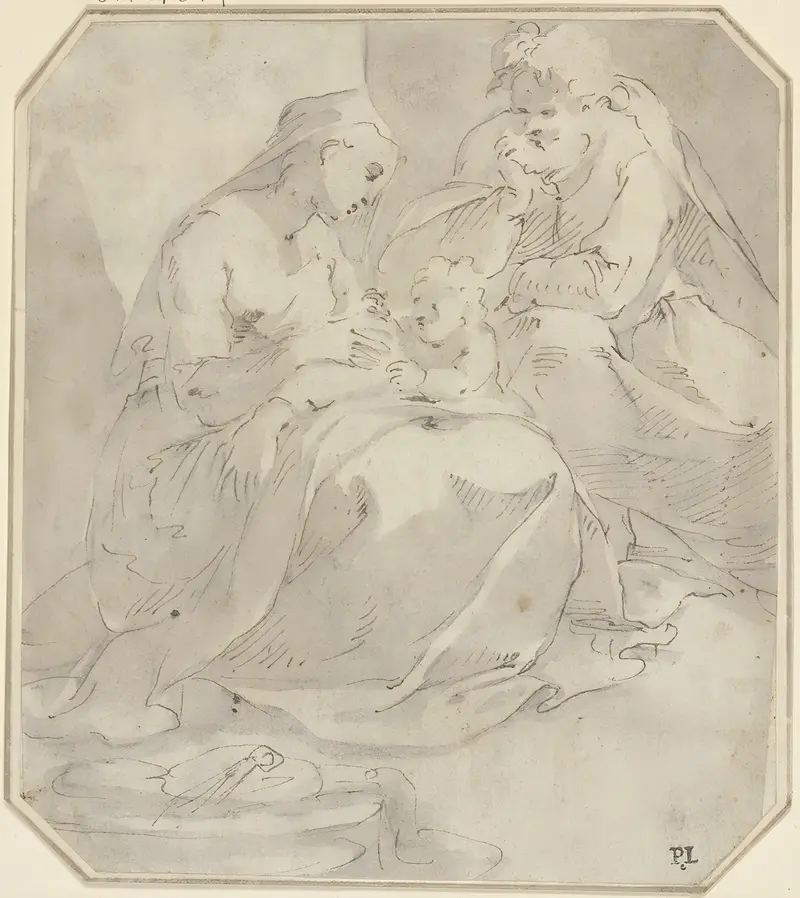
Holy family
Guido Reni
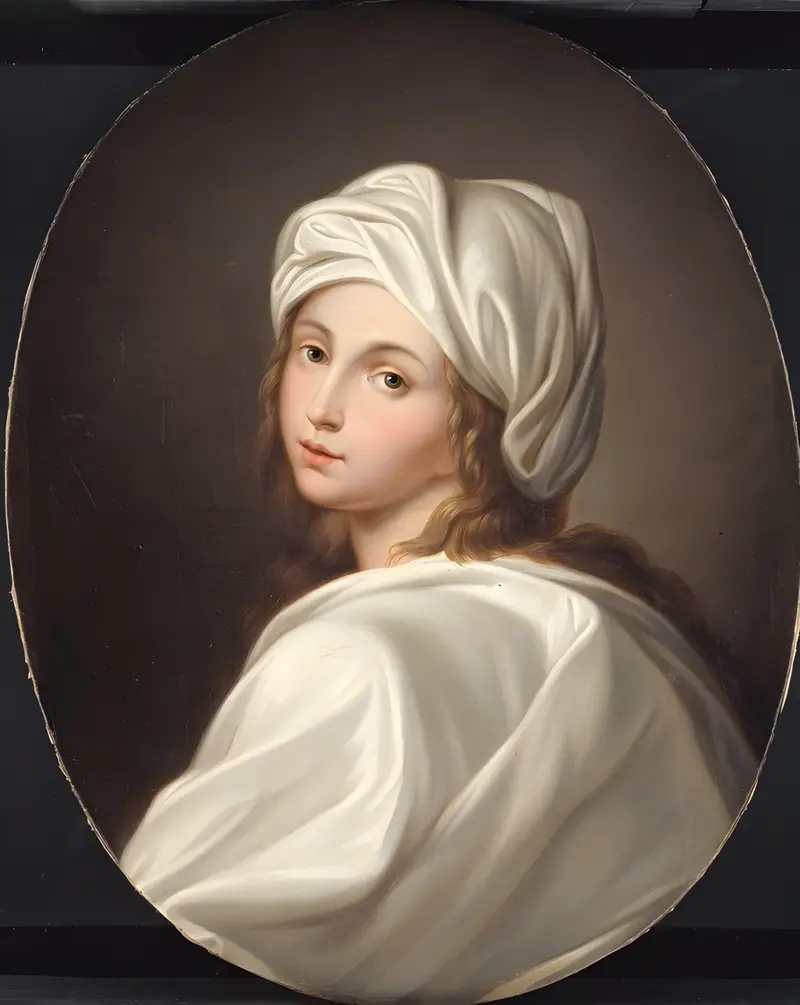
Portrait of Beatrice Cenci
Guido Reni
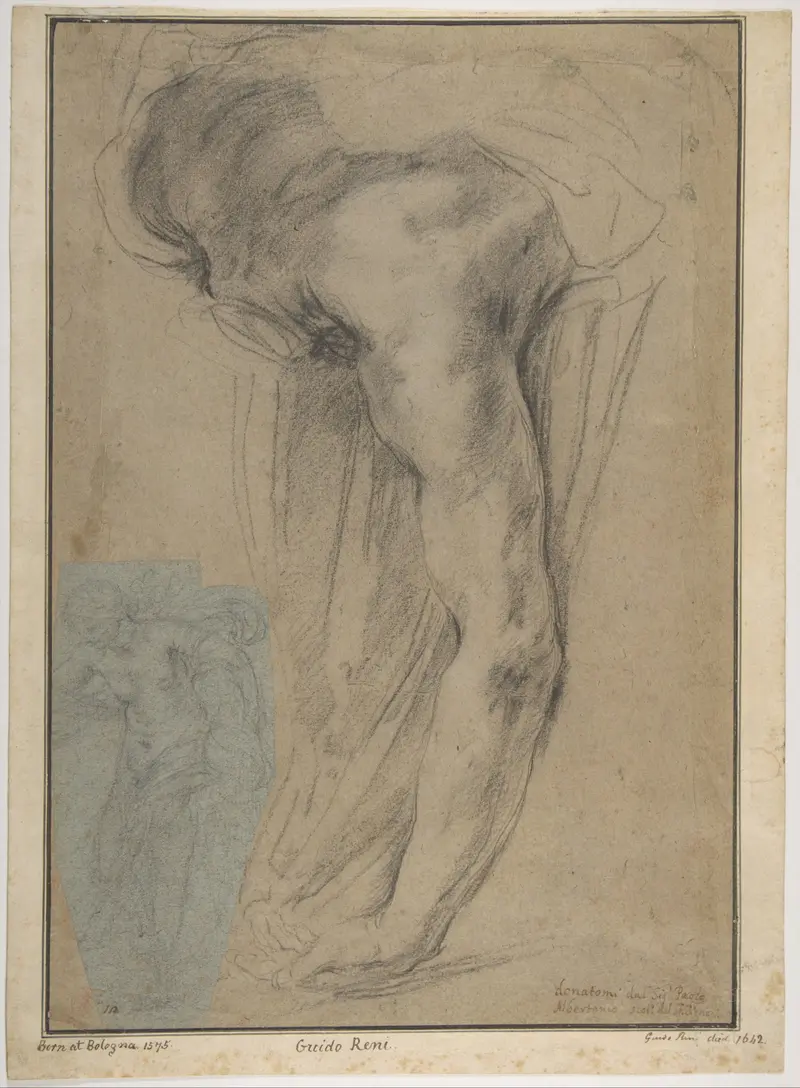
The Reclining Headless Body of Holoferne
Guido Reni
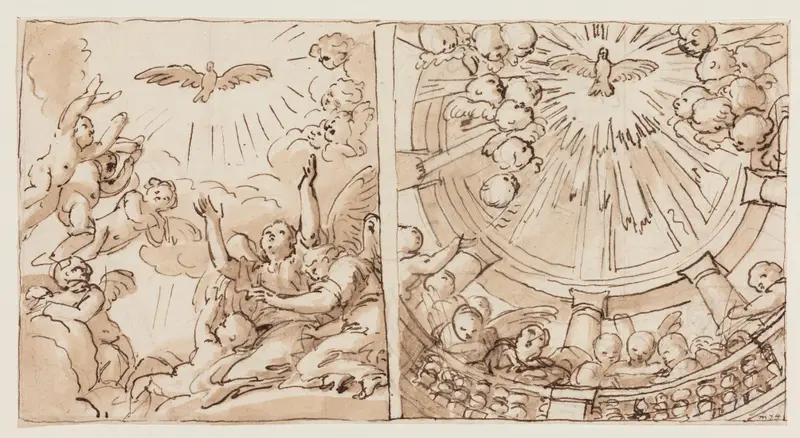
To scener med engle, der omgiver og tilbeder Helligåndsduen, der i det ene tilfælde daler ned mellem skyer, i det andet fra en kuppel, båret af søjler
Guido Reni
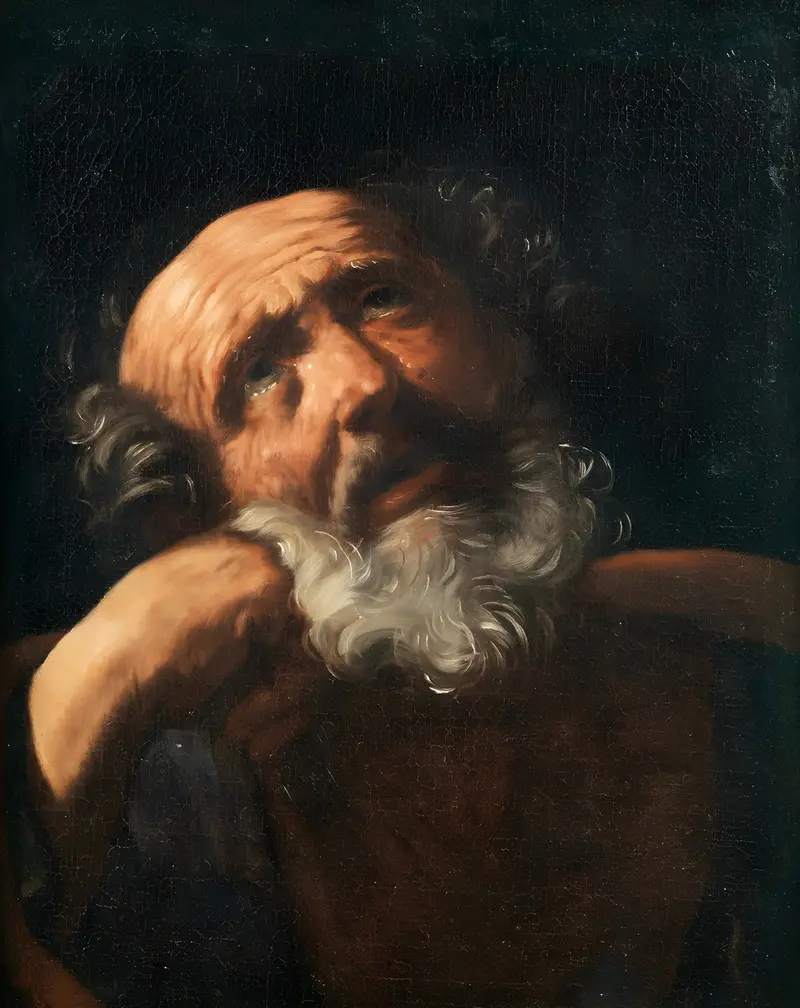
Saint Peter
Guido Reni
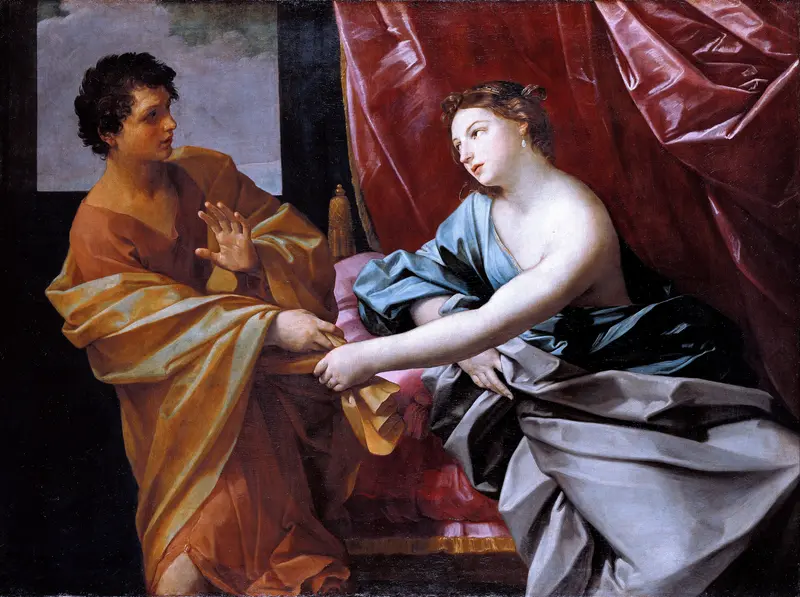
Joseph and Potiphar’s Wife
Guido Reni
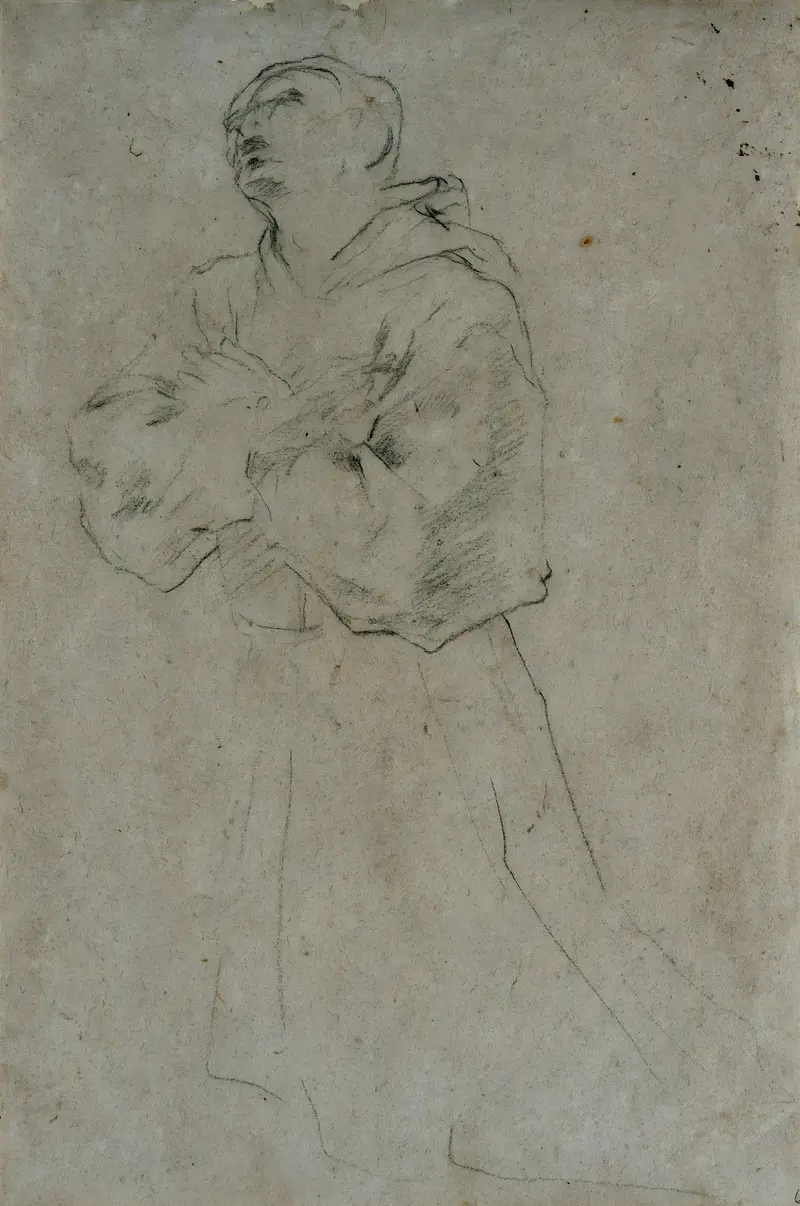
Kneeling Monk
Guido Reni
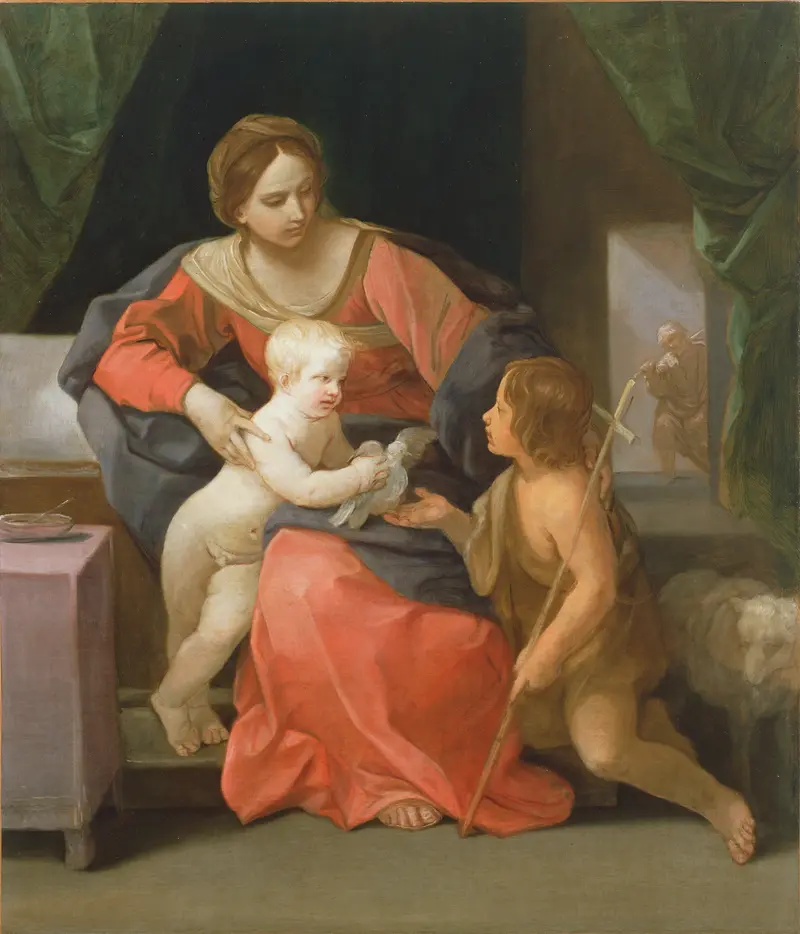
Virgin and Child with Saint John the Baptist
Guido Reni
Cleopatra
Guido Reni





