
Man van Smarten — History & Facts
When did color learn to lie? The vibrant hues of this piece deceive, alluring the viewer into a false sense of vitality, while beneath the surface, decay lurks in the shadows. Look to the left at the noble figure, whose stern expression is colored with lifelike precision, but whose pallor hints at a deeper truth. The meticulous brushwork brings forth the intricate details of his attire—the rich fabric adorned with elaborate patterns, the play of light that dances on the folds. Yet, it is the subtle decay of the background that demands attention; the fading walls seem to whisper of time’s relentless march, challenging the vitality of the figure before us. Gaze deeper and notice the juxtaposition of life's vibrancy against the inevitability of death.
The figure’s fine clothing, a symbol of status and pride, becomes a poignant reminder of the transient nature of worldly possessions. The small details, such as the cracked wall and muted tones behind him, suggest that time erodes even the most solid foundations. This duality of existence—the grandeur of life and the certainty of decay—creates an emotional tension that resonates deeply. Cornelis Anthonisz.
painted this work in the late 16th century, a time marked by social upheaval and artistic transformation in the Netherlands. As an artist active in Amsterdam, he was influenced by the burgeoning realism of the Northern Renaissance, yet he sought to express the dual realities of human experience: the ephemeral splendor of life overshadowed by the inevitability of mortality. This exploration of contrasts became a defining characteristic of his oeuvre, encapsulating a moment in art history that was as much about beauty as it was about decay.
More Artworks by Cornelis Anthonisz.
Browse all →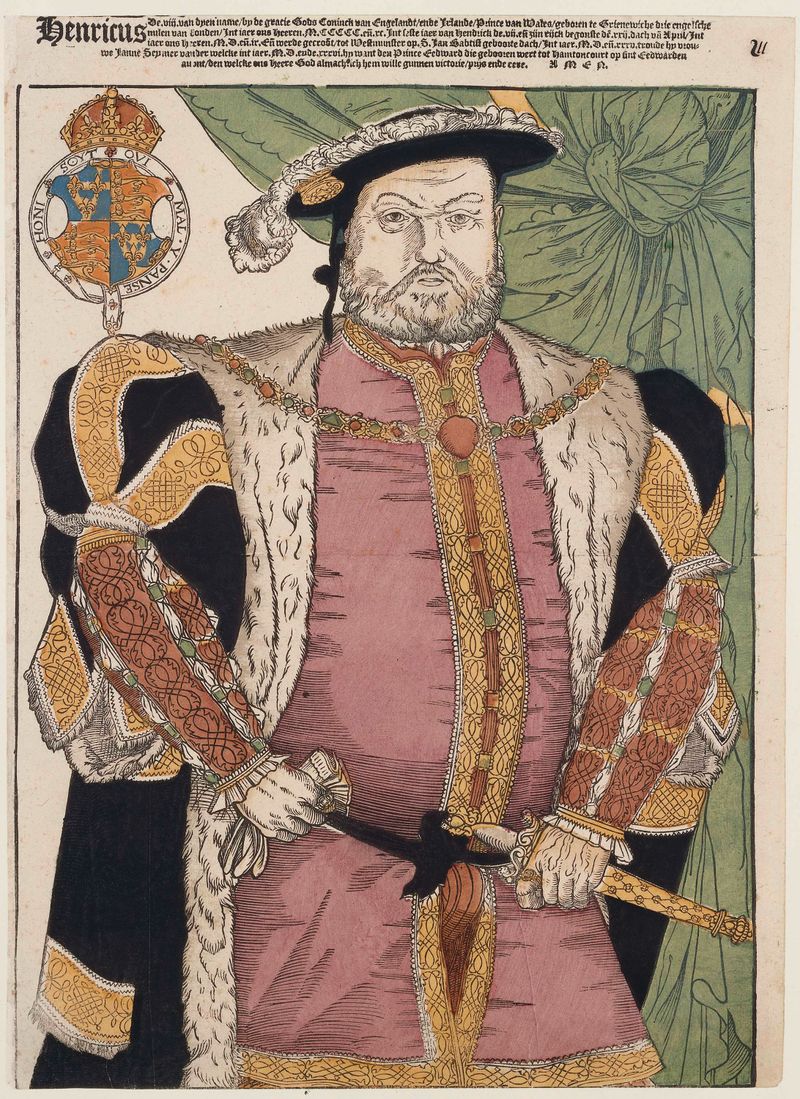
Portret van Hendrik VIII van Engeland
Cornelis Anthonisz.

Portret van Hendrik VIII van Engeland
Cornelis Anthonisz.

Portret van Maarten van Rossum te paard
Cornelis Anthonisz.
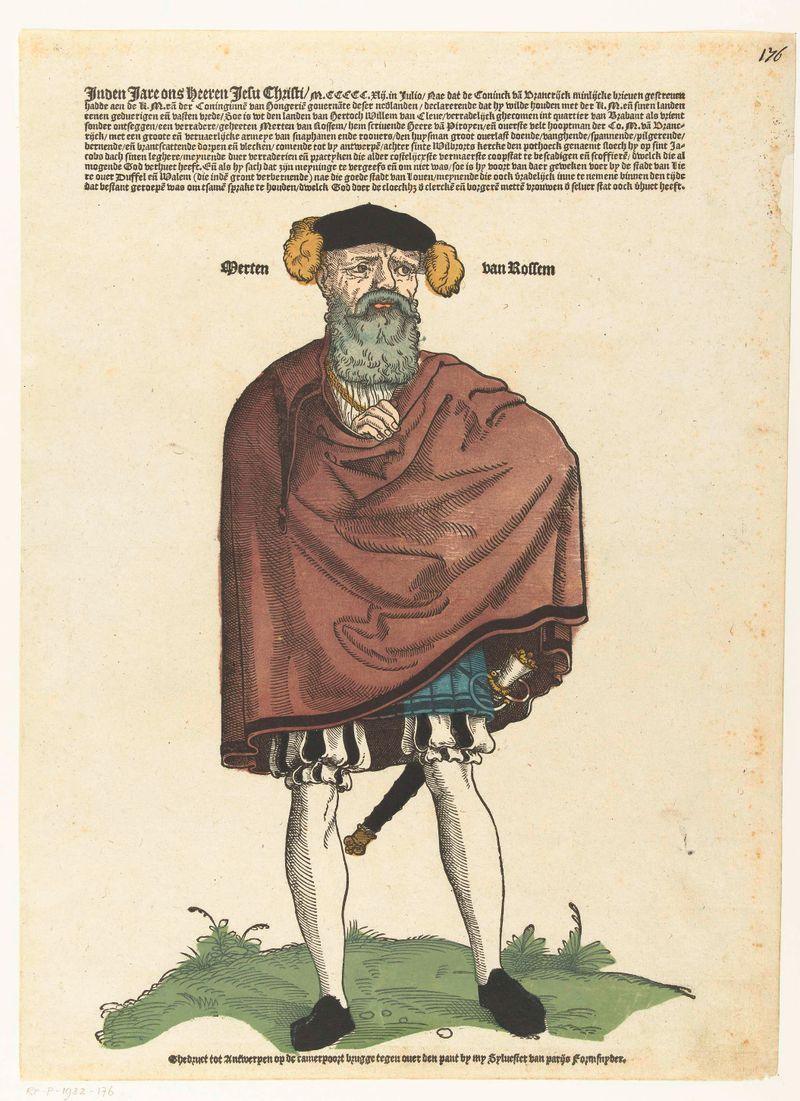
Portret van Maarten van Rossum
Cornelis Anthonisz.

De verloren zoon eet uit de varkenstrog
Cornelis Anthonisz.
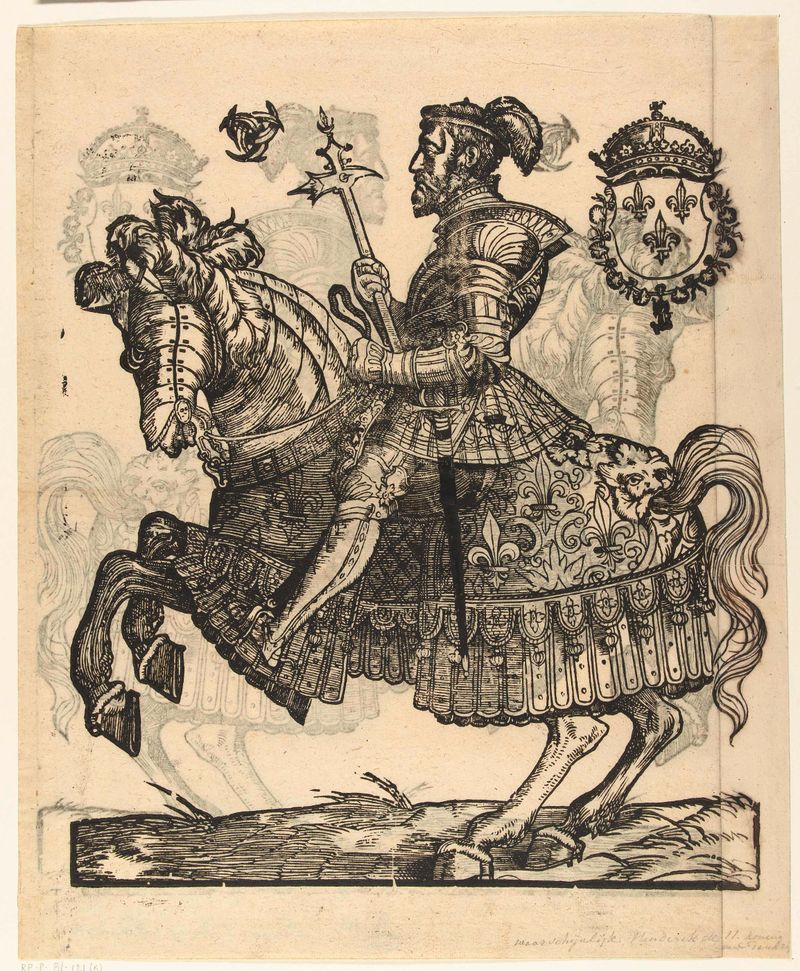
Portret van Hendrik II van Frankrijk te paard
Cornelis Anthonisz.

Portret van hertog Willem van Kleef, Gulik en Berg, graaf van Mark, heer van Ravenstein te paard
Cornelis Anthonisz.

Portret van Karel V te paard
Cornelis Anthonisz.

Portret van Maria van Hongarije te paard
Cornelis Anthonisz.
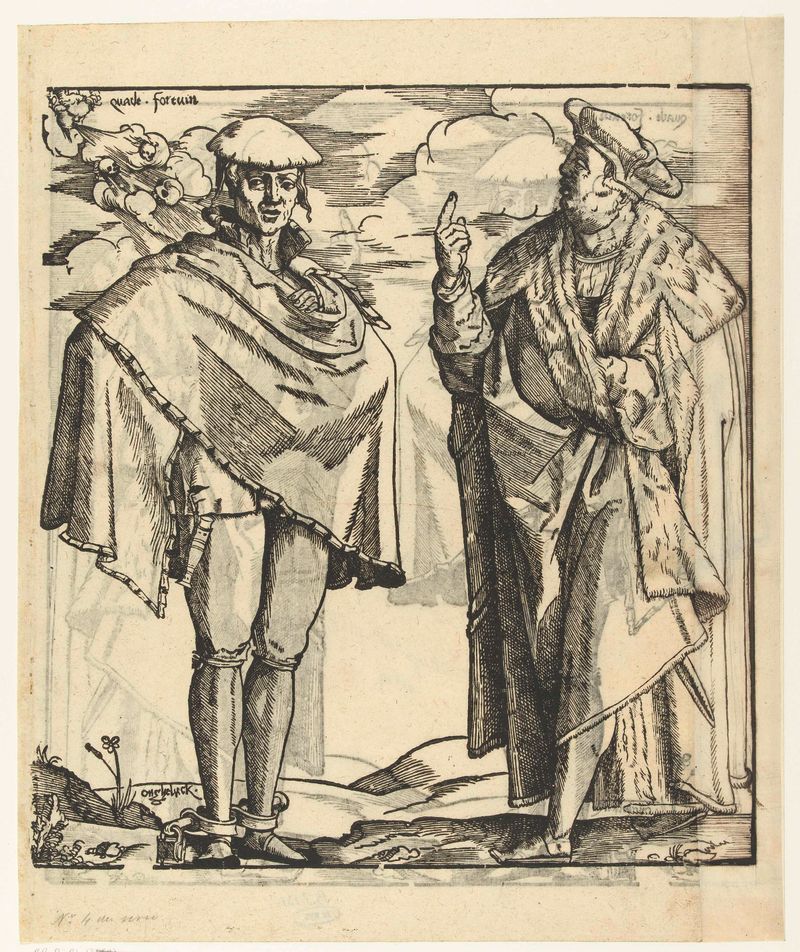
De lichtzinnige jeugd
Cornelis Anthonisz.
More Portrait Art
Browse all →
Las meninas
Diego Velázquez

Self-portrait with a Bandaged Ear and Pipe
Unidentified artist

Girl with a Pearl Earring
Johannes Vermeer

The Sampling Officials of the Amsterdam Drapers’ Guild, Known as ‘The Syndics’
Rembrandt van Rijn

The Hundred Guilder Print: the man seen on the back in the lower left corner
Rembrandt van Rijn

Portrait of Dr Gachet
Vincent van Gogh