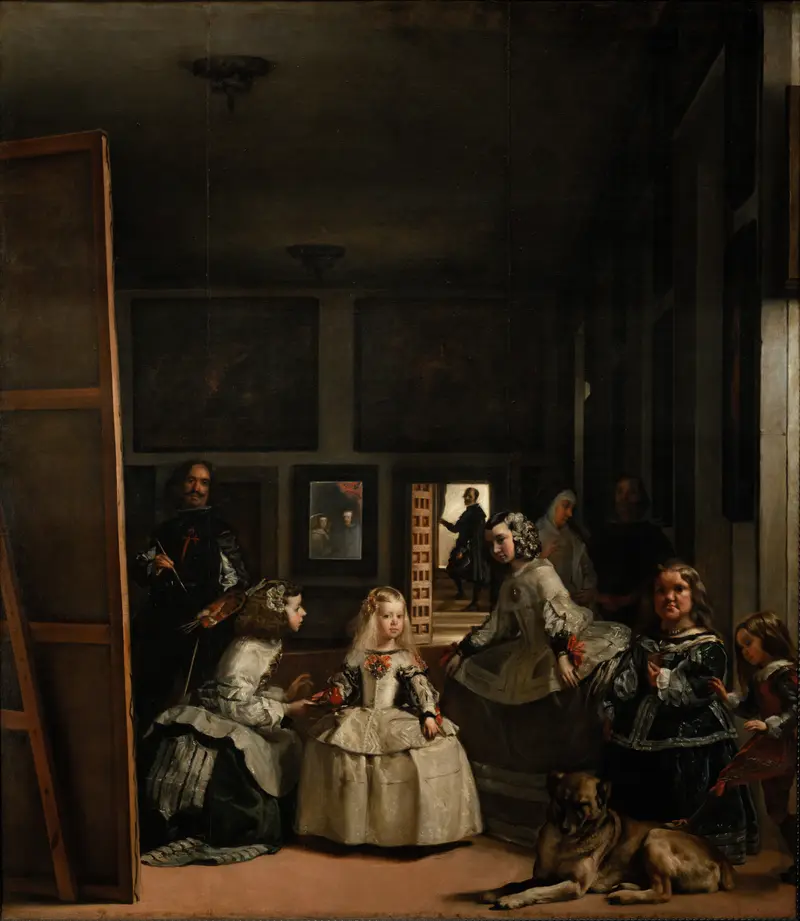
Mann mit Pfeife — History & Facts
When Mann mit Pfeife appeared at the 1895 Ambroise Vollard exhibition in Paris, it was one of the first works by Paul Cézanne to be shown publicly after years of near-obscurity. Critics and fellow artists alike were struck by its raw, almost unpolished surface, with one contemporary remarking on its "strange power, neither portrait nor type, but a presence." This painting stands at the crossroads of Cézanne's transformation from misunderstood outsider to a central figure in the birth of modern art. Its subject remains anonymous, adding to the intrigue: no letters or records reveal the sitter’s identity, leaving viewers to wonder about the man behind the pipe. The sitter is caught in a moment of quiet introspection, pipe in hand, gazing slightly away from the viewer.
His heavy brow and ruddy cheeks are rendered in thick, deliberate brushstrokes, while the background dissolves into broad patches of color, a hallmark of Cézanne’s mature style. The pipe, casually held, suggests a pause—perhaps a break from work or a moment of private reflection. Unlike the psychological depth sought by Edgar Degas in his portraits, Cézanne offers a study in presence and structure: the man’s form is built up from planes of color, his solidity contrasting with the shifting, almost abstract space around him.
The light falls from the left, illuminating the sitter’s face and hand, drawing the eye to the act of holding and contemplating. The provenance of Mann mit Pfeife is not fully documented, but it is typical of the portraits Cézanne painted in the early 1890s, often using local workers, friends, or family as models in his Aix-en-Provence studio. Many such works remained in the artist’s possession until his death, later entering Parisian collections through dealers like Vollard. Today, the painting is recognized as an important example of Cézanne’s late portraiture, bridging the gap between traditional likeness and the radical new language of form that would inspire the Cubists.
Its exact journey from studio to museum may be unclear, but its significance in the artist’s evolution is beyond doubt.
More Artworks by Paul Cézanne

The Boy in the Red Vest
Paul Cézanne
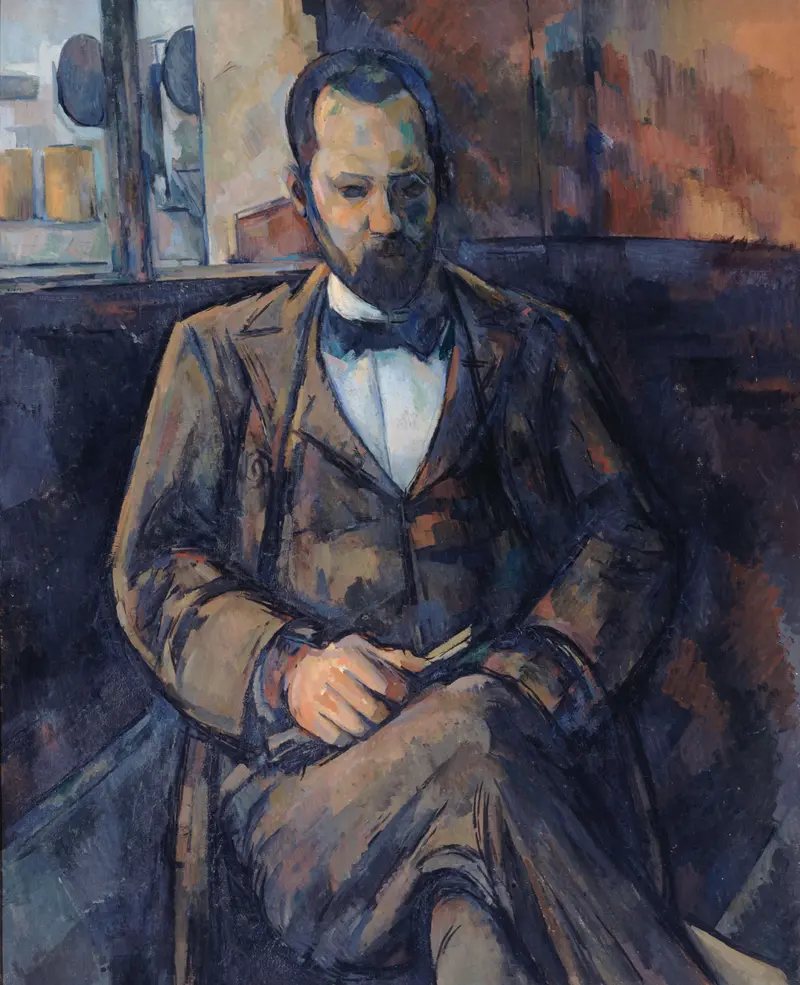
Portrait of Ambroise Vollard
Paul Cézanne
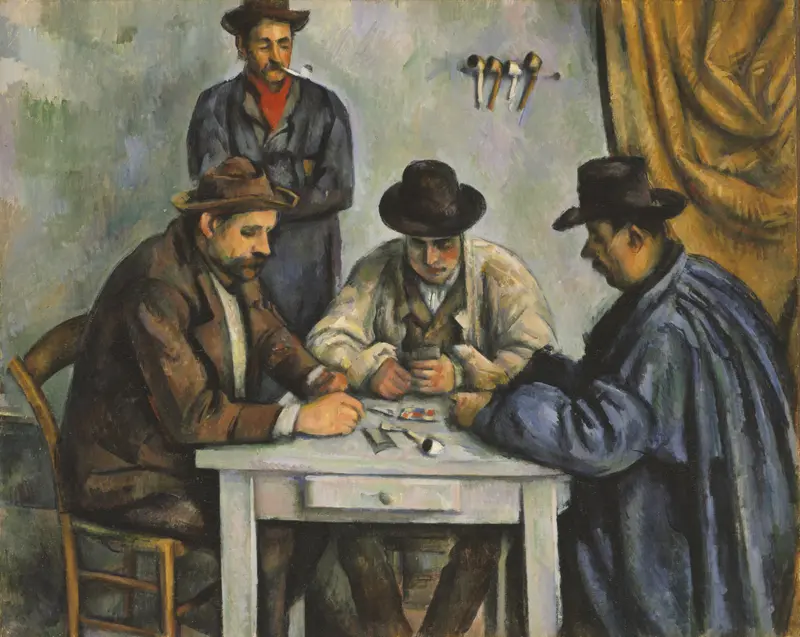
The Card Players
Paul Cézanne
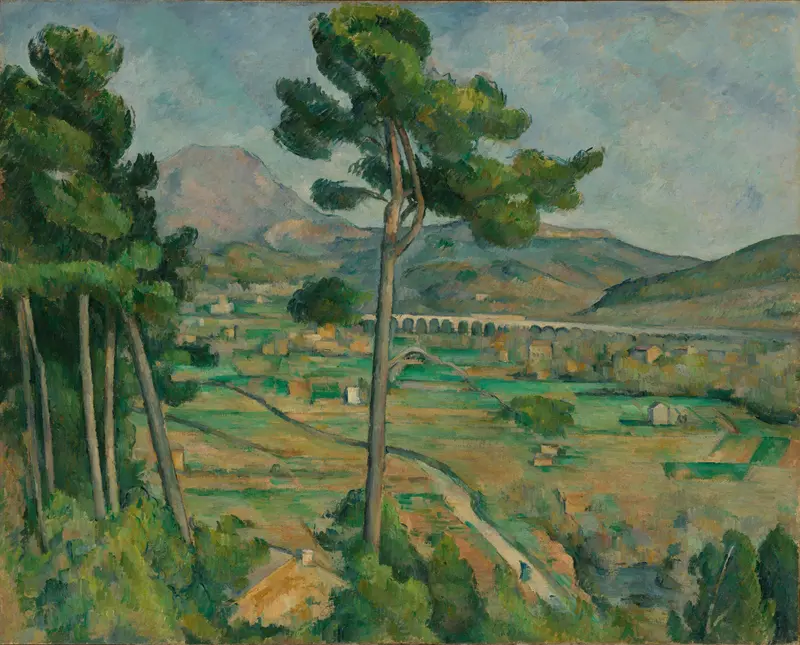
Mont Sainte-Victoire and the Viaduct of the Arc River Valley
Paul Cézanne
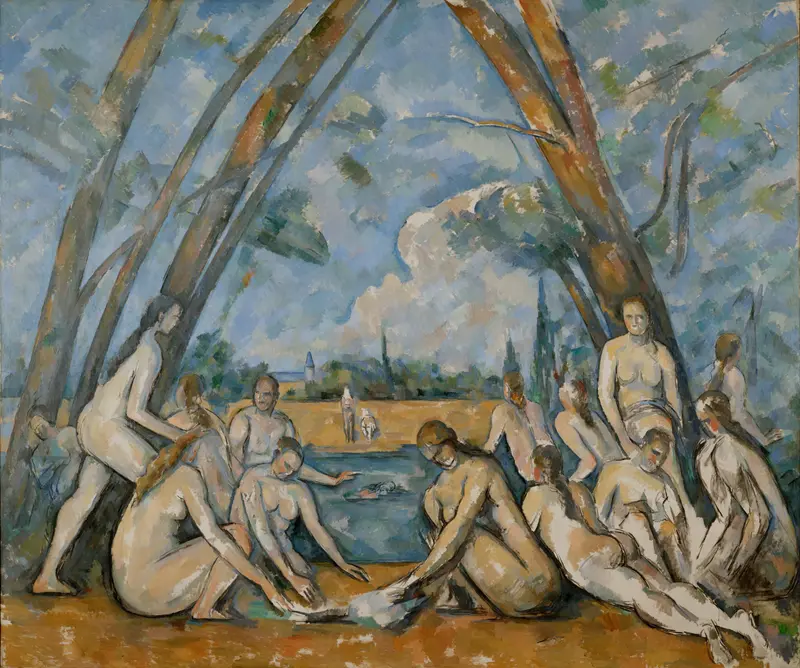
The Large Bathers
Paul Cézanne
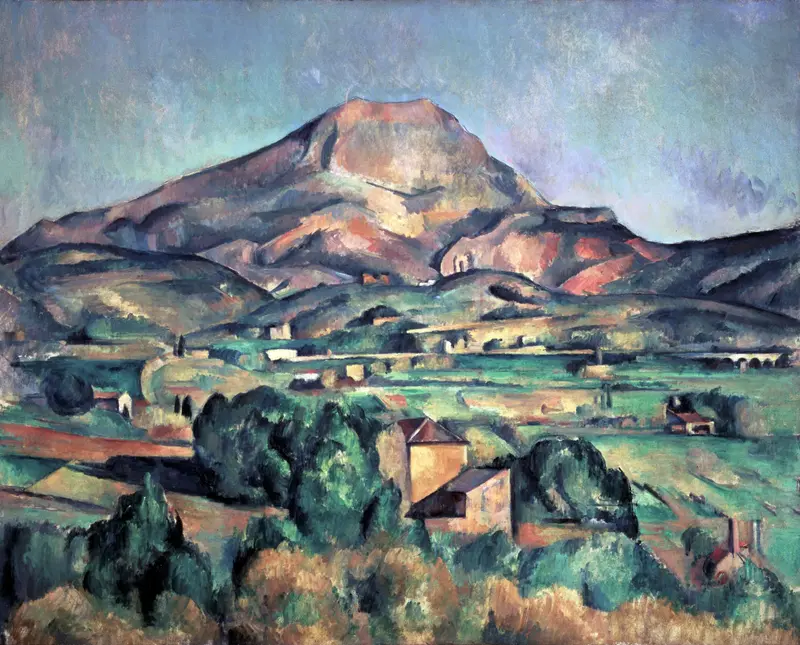
Mont Sainte-Victoire Seen from Bellevue
Paul Cézanne
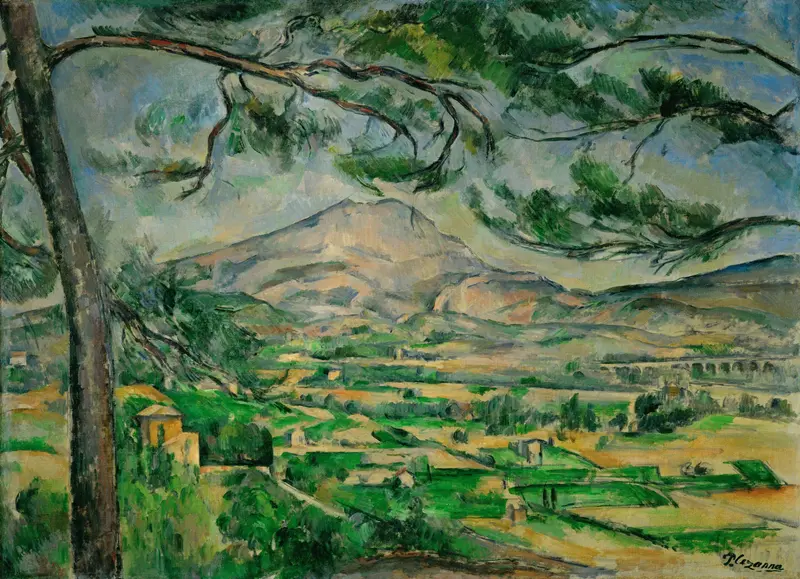
Mont Sainte-Victoire with Large Pine
Paul Cézanne
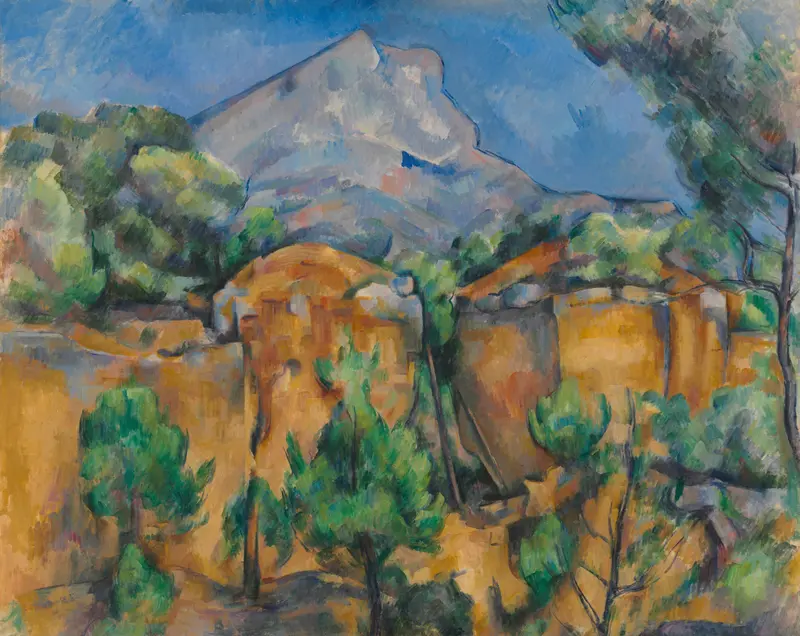
Mont Sainte-Victoire Seen from the Bibemus Quarry
Paul Cézanne
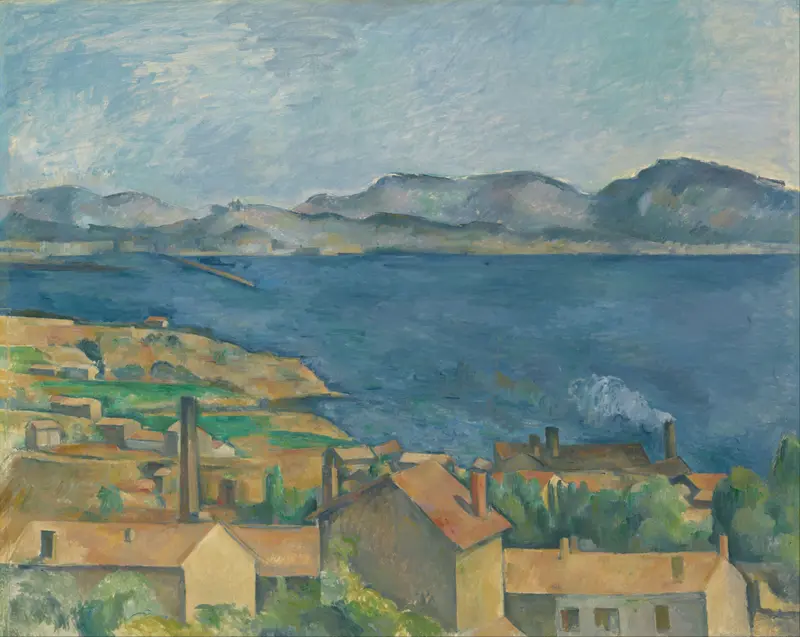
The Bay of Marseille, Seen from L'Estaque
Paul Cézanne

Apples
Paul Cézanne