Discover insights about this artwork
Männlicher Akt ohne Kopf, Hals- und Schulterstudie — History & Facts
In Männlicher Akt ohne Kopf, Hals- und Schulterstudie, we see a male figure depicted without a head, neck, or shoulders. The use of gold and earthy tones creates a warm atmosphere. The figure's pose is dynamic, suggesting movement and energy.
Klimt's characteristic decorative style is evident in the flowing lines and patterns that accentuate the figure's form. The painting is executed in oil on canvas, a medium that allows for rich texture and depth. Klimt's technique involves layering colors to create a sense of volume and dimensionality. The absence of the head and shoulders draws attention to the body's contours and musculature.
This focus on the human form aligns with Klimt's exploration of the body in his other works. Gustav Klimt was a prominent figure in the Vienna Secession movement, known for his unique style that blends symbolism and decorative art. This work reflects his interest in the human body and its representation, often devoid of traditional context. An interesting fact about this piece is that it showcases Klimt's departure from conventional portraiture, emphasizing the physicality of the figure.
It is a study that highlights his fascination with the male form, a subject less commonly explored in his oeuvre.
More Artworks by Gustav Klimt
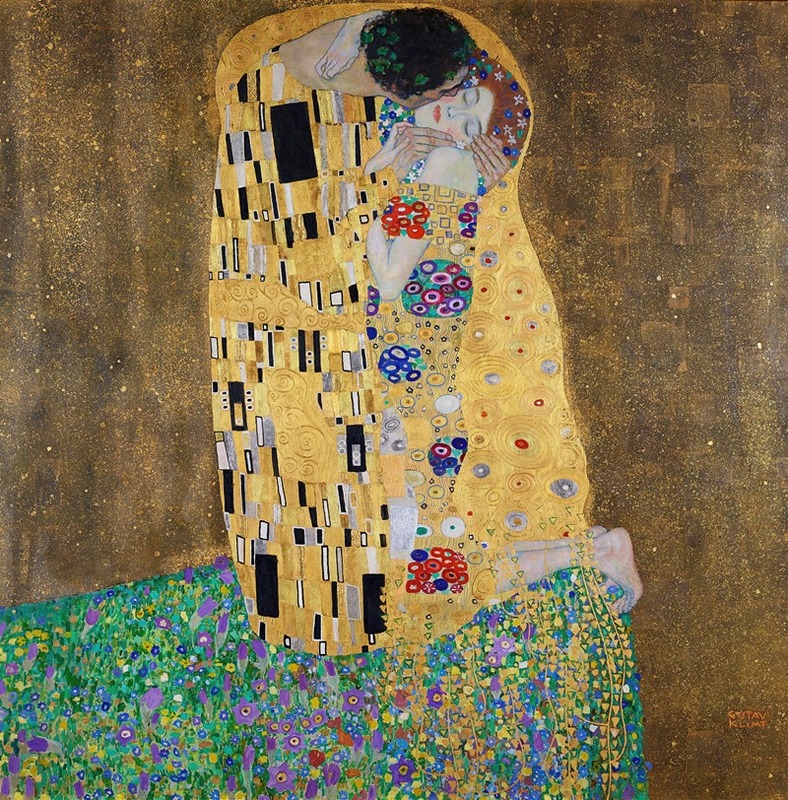
The kiss
Gustav Klimt
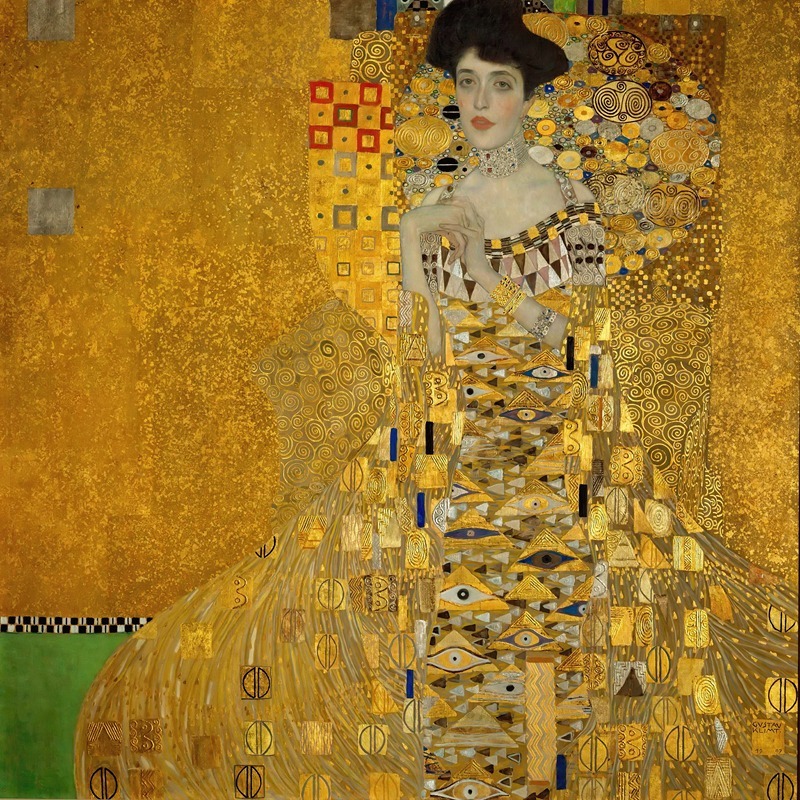
Portrait of Adele Bloch-Bauer I
Gustav Klimt
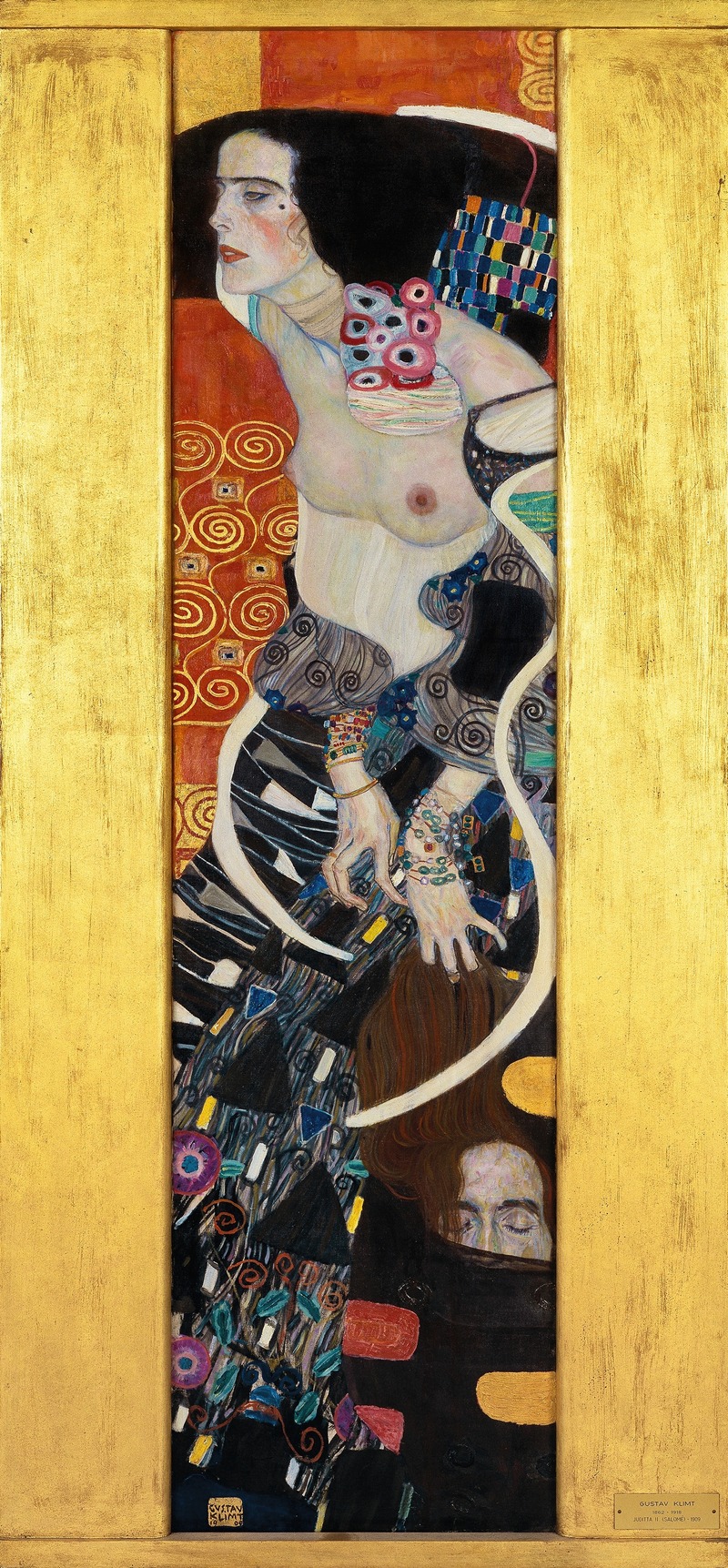
Judith II (Salome)
Gustav Klimt
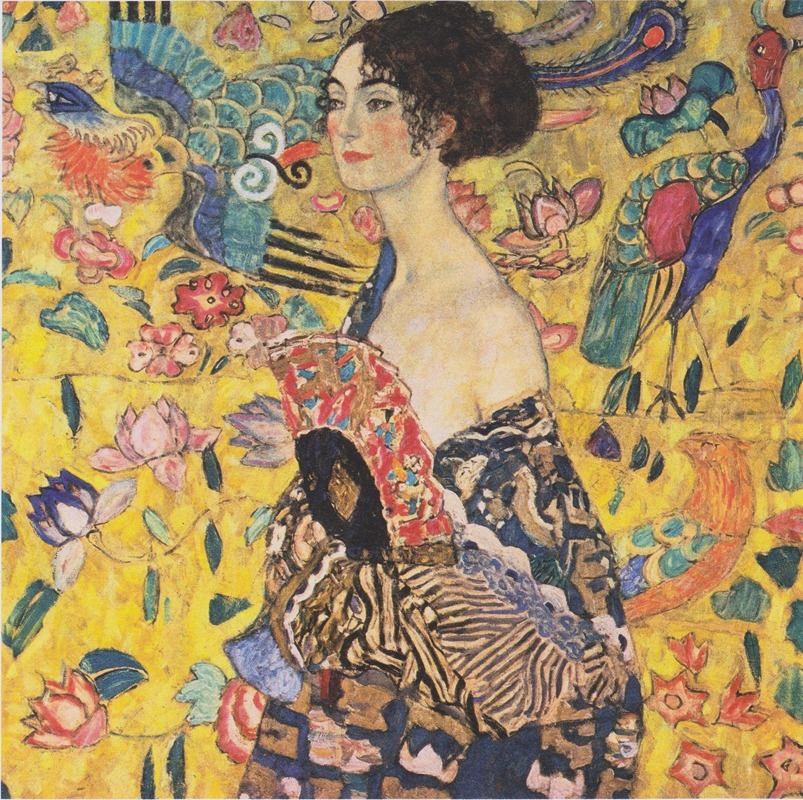
Woman with fan
Gustav Klimt
The kiss (lovers)
Gustav Klimt
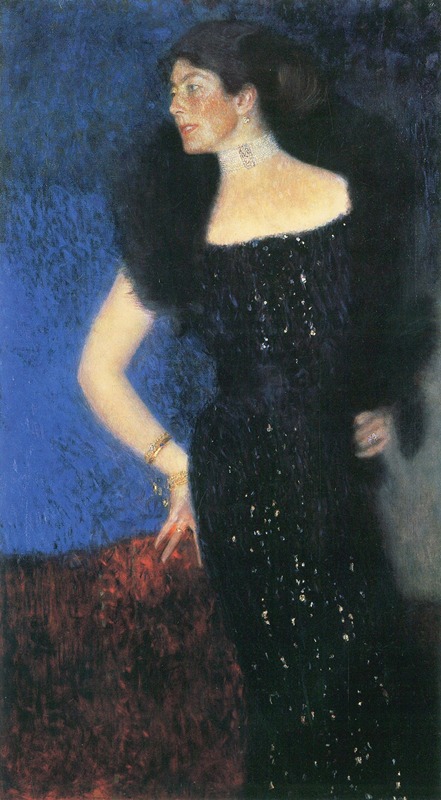
Portrait of Rose von Rosthorn-Friedmann
Gustav Klimt
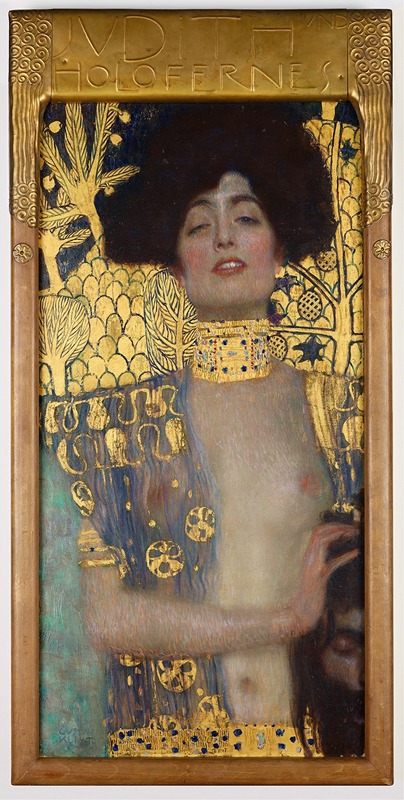
Judith
Gustav Klimt
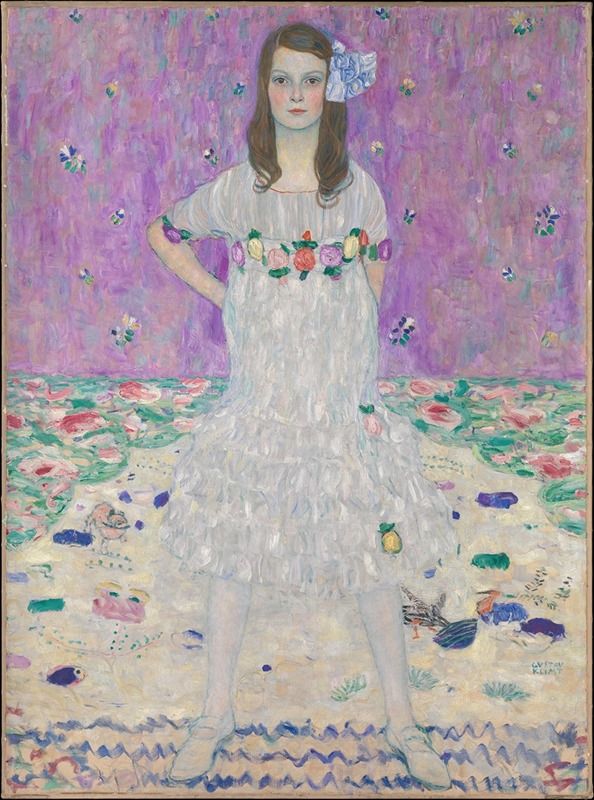
Mäda Primavesi
Gustav Klimt
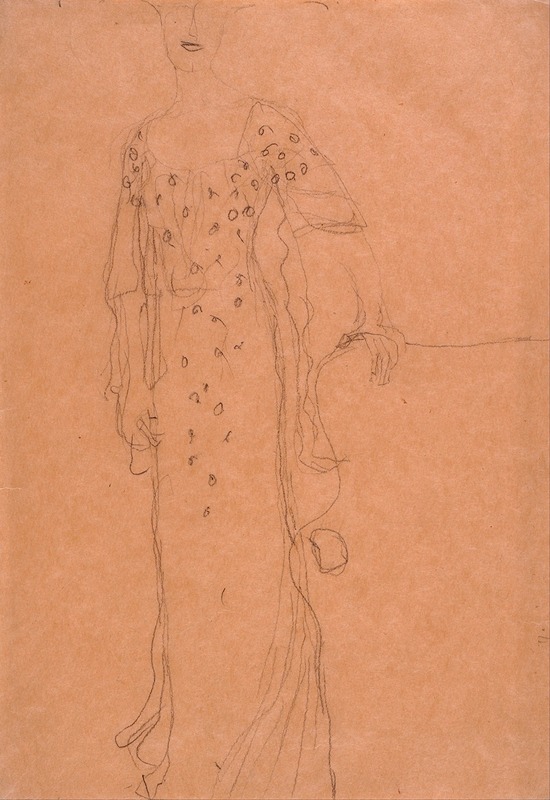
Study for Portrait of Adele Bloch-Bauer I
Gustav Klimt
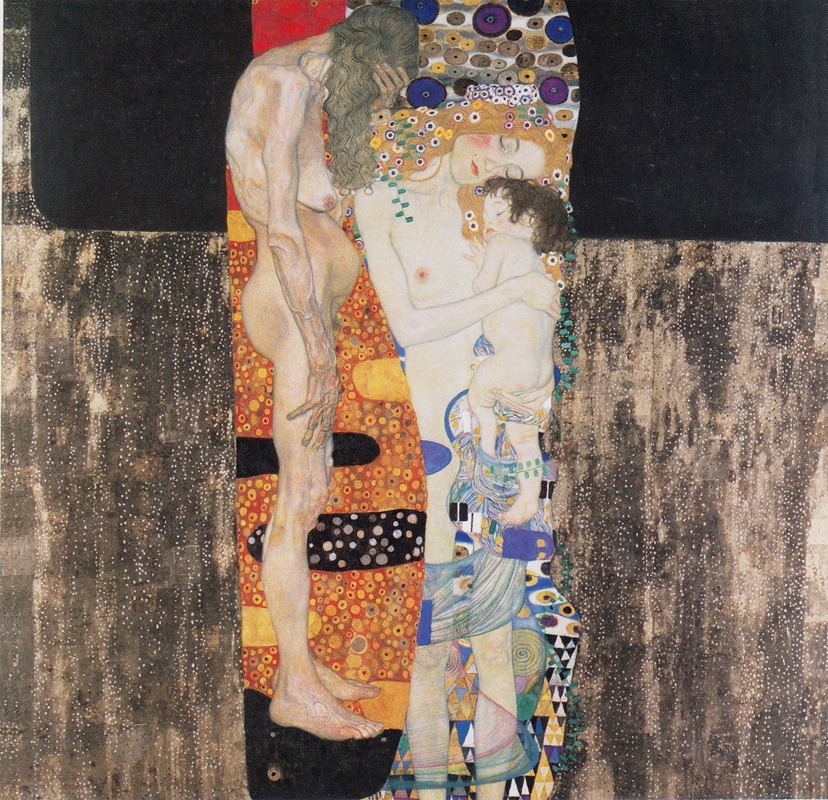
The Three Ages of the Woman
Gustav Klimt