
Marché — History & Facts
Can beauty exist without sorrow? In Marché, the canvas unfolds a vibrant tapestry of life, where desire mingles with the mundane, inviting us to explore the complexities of human emotion. Look to the left at the joyful cluster of figures, their animated gestures and rich attire capturing the essence of a bustling market day. The artist masterfully employs soft brush strokes to evoke a sense of movement, while the palette bursts with warm hues of ochre and verdant green, compelling our gaze toward the heart of the scene. Notice how the dappled sunlight spills through the trees, creating intricate shadows that dance on the cobblestone path, emphasizing the interplay between light and the textures of life. Yet, beneath the lively surface lies an undertone of longing.
The way the merchants interact—some exchanging goods with cheerful camaraderie, while others appear lost in thought—hints at the silent desires that each person carries, unseen yet palpable. This contrast between joy and introspection invites contemplation about the human condition, acknowledging how beauty often coexists with unfulfilled wishes and quiet yearnings. In 1894, Camille Pissarro painted Marché in the context of a changing world, where Impressionism was gaining ground against the rigid conventions of academic art. Living in a period marked by social transformation and the rise of urban life, Pissarro sought to capture the essence of everyday moments, infusing them with emotional depth and a sense of shared experience amidst the chaos of modernity.
More Artworks by Camille Pissarro
Browse all →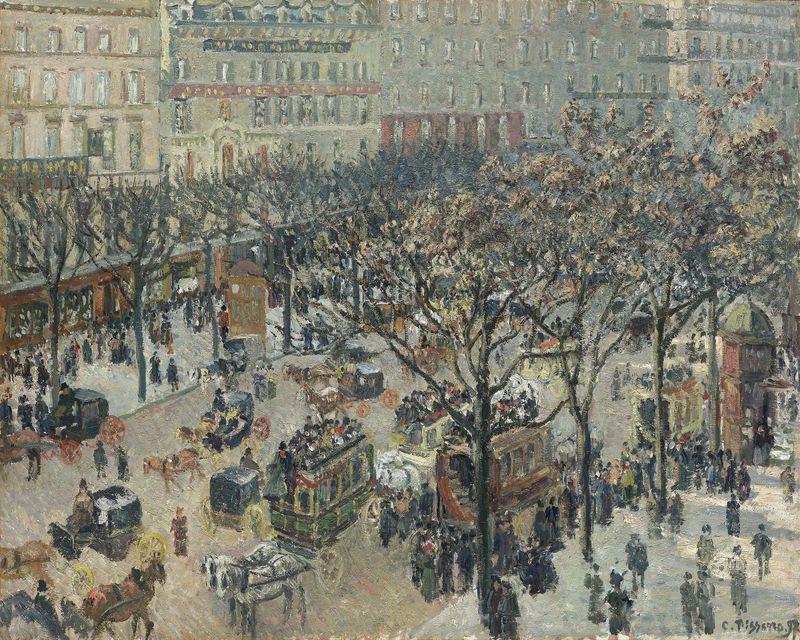
Boulevard des Italiens,Morning_Sunlight
Camille Pissarro
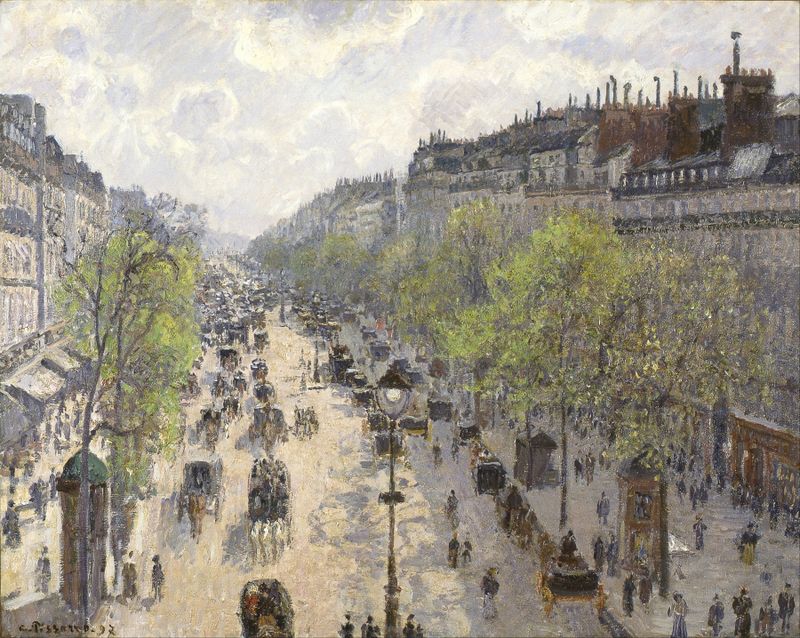
Boulevard Montmartre, Spring
Camille Pissarro
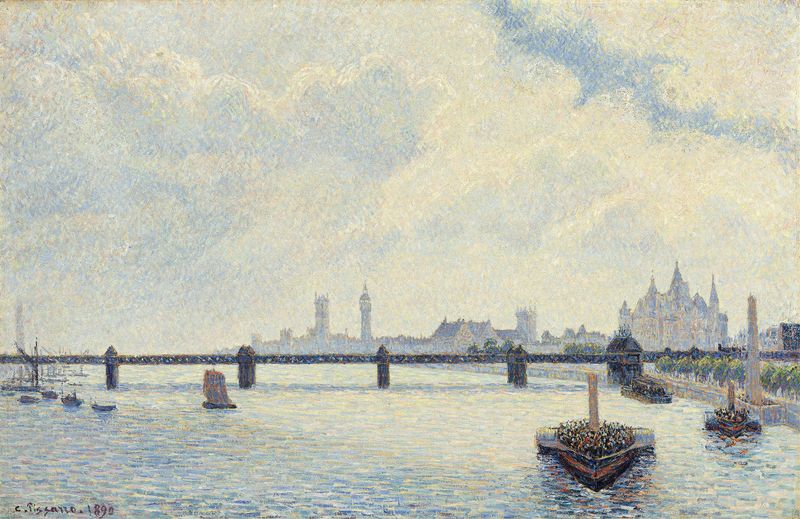
Charing Cross Bridge,London
Camille Pissarro
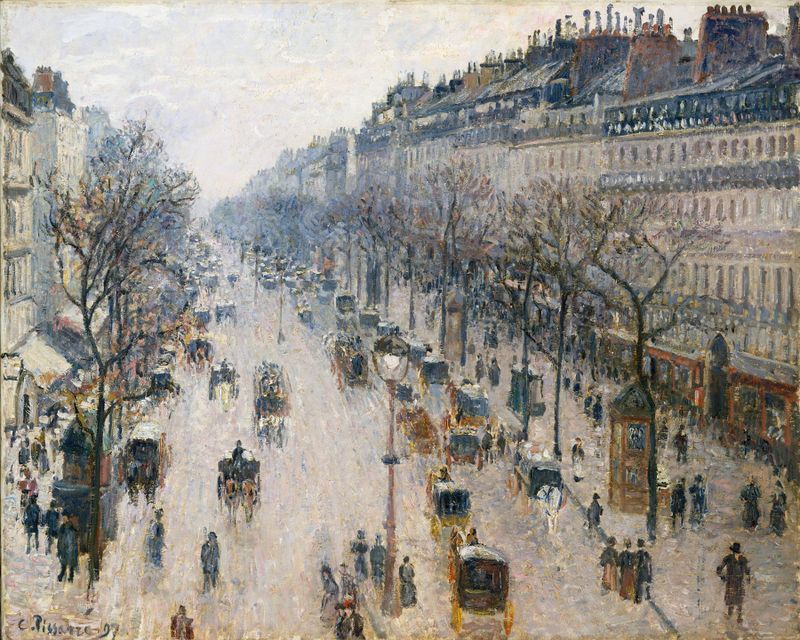
The Boulevard Montmartre on a Winter Morning
Camille Pissarro
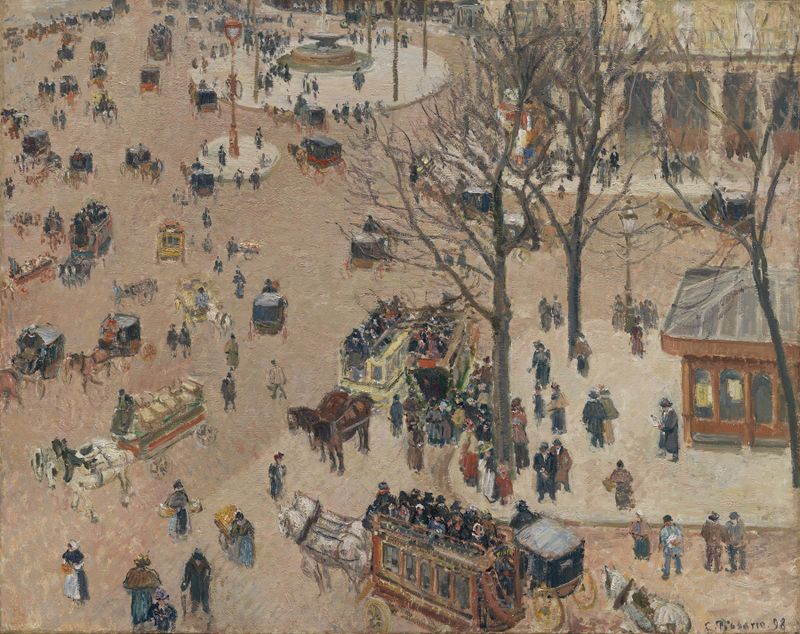
La Place du Théâtre Français
Camille Pissarro

Rue Saint-Lazare, Paris
Camille Pissarro
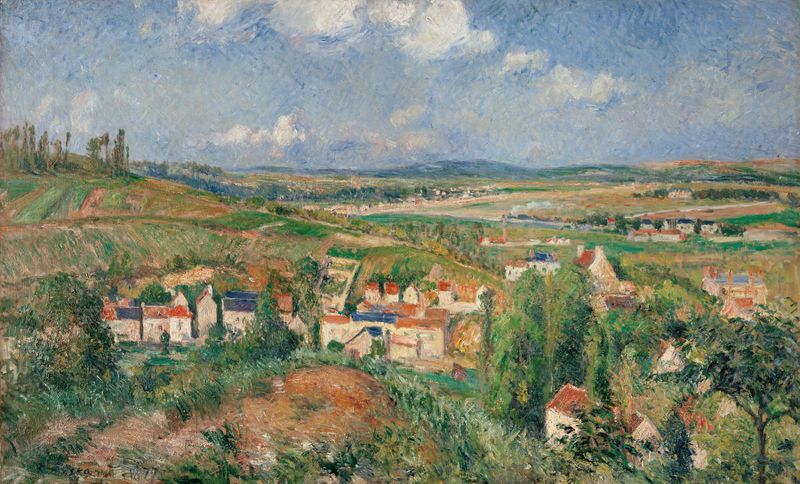
L’hermitage En Été, Pontoise
Camille Pissarro

Place du Theatre Francais,Fog Effect
Camille Pissarro
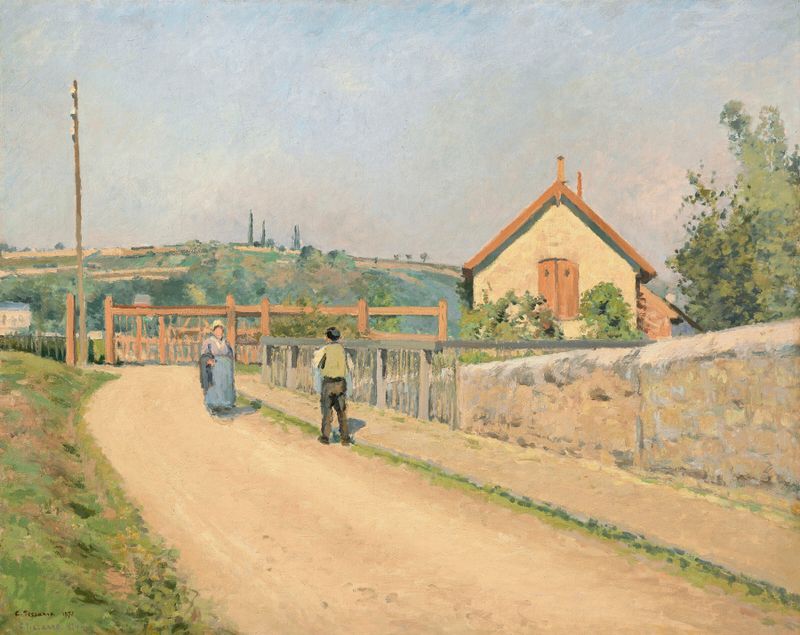
La barrière du chemin de fer, aux Pâtis près Pontoise
Camille Pissarro
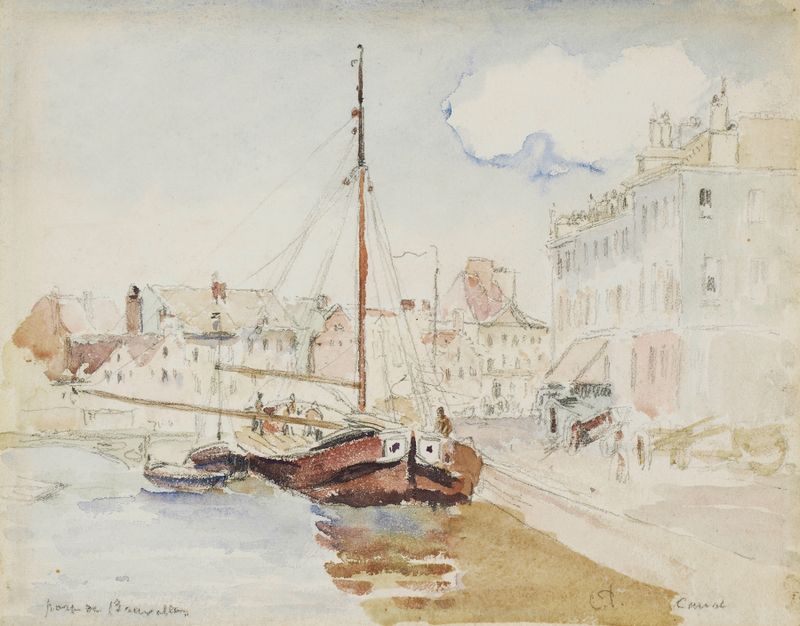
Port de Bruxelles
Camille Pissarro





