
March of Troops in India — History & Facts
Is this a mirror — or a memory? In March of Troops in India, the viewer is thrust into a moment where order wrestles with the chaos of imperial ambition and the uncertainty of the unknown. Look to the left at the commanding figure, clad in a vibrant red coat, leading a column of soldiers through a landscape punctuated by the looming shadows of boulders and trees. Notice how the sunlight spills across the canvas, casting dramatic highlights that accentuate the soldiers’ determined expressions and the intricate details of their uniforms. The carefully chosen palette of earth tones weaves a narrative of both struggle and resolve, as the thick brush strokes create a sense of movement, transforming the scene into a dynamic tableau of action. Within this arresting composition, the tension between the rigid military order and the unpredictable wilderness is palpable.
The juxtaposition of the disciplined formations against the wild, unyielding backdrop speaks to the broader themes of colonization — the clash between civilization and nature. Each soldier's stance echoes a collective anxiety, suggesting that the march is not just a physical journey, but a psychological confrontation with fate and the tumult of imperial dreams. Samuel Davis painted this work in 1780, during a period marked by significant military engagements in India and the broader context of British colonial expansion. As he navigated his own artistic career, the dynamics of power and conflict informed his vision, capturing the essence of an era where the march of troops was both a reality and a foreboding harbinger of chaos yet to unfold.
More Artworks by Samuel Davis
Browse all →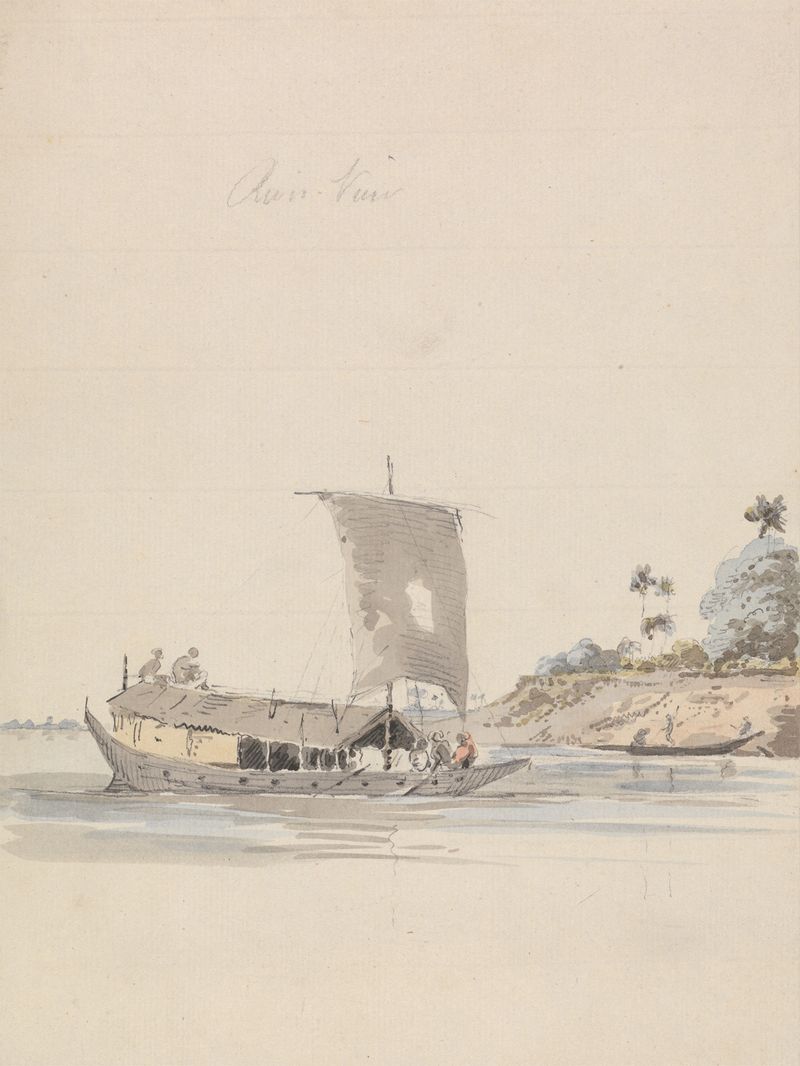
River View with a Junk (near Rajmahal)
Samuel Davis
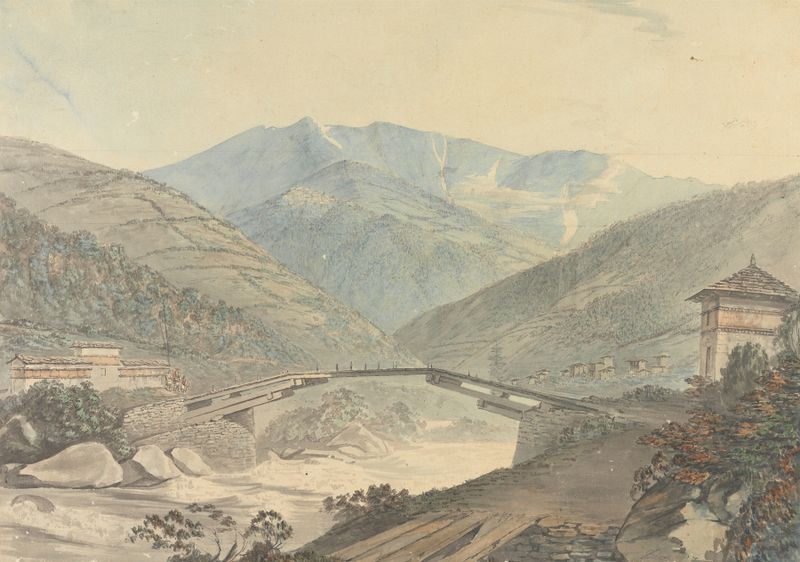
View near Tassisudon [Tashicho Dzong] in Bhutan
Samuel Davis
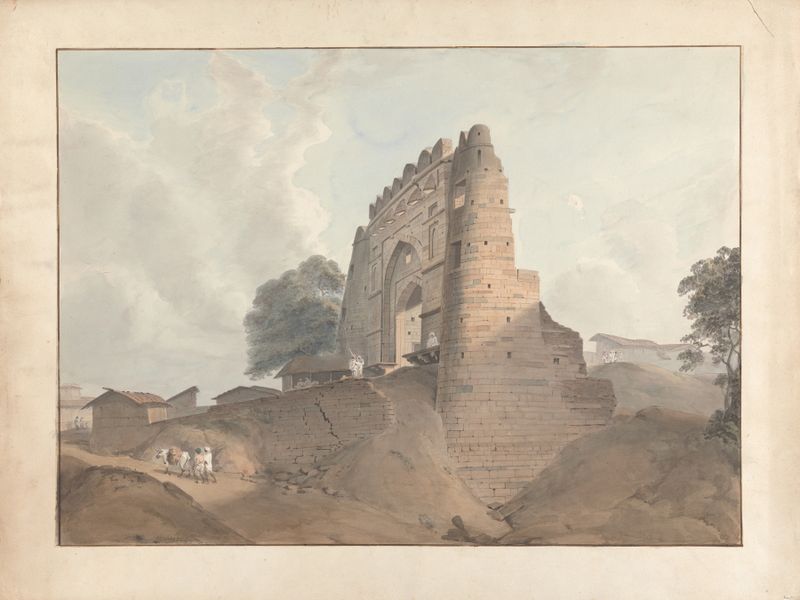
Gate of the Old Fort at Old Benares
Samuel Davis
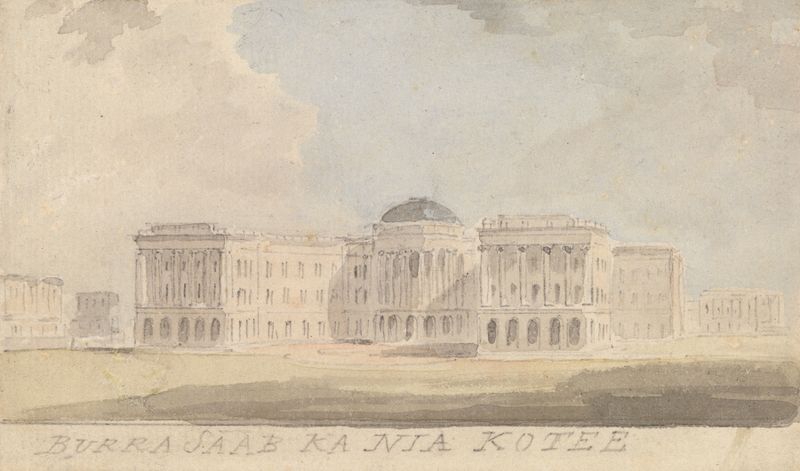
New Government House at Calcutta
Samuel Davis
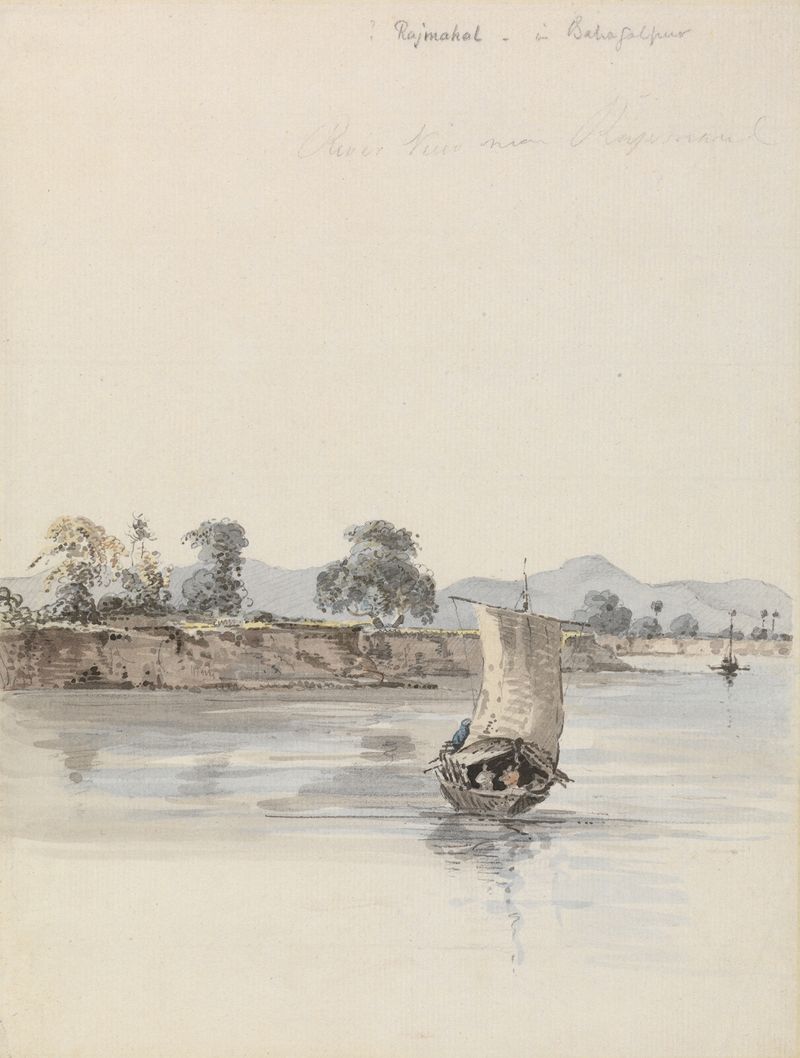
River View near Rajmahal
Samuel Davis
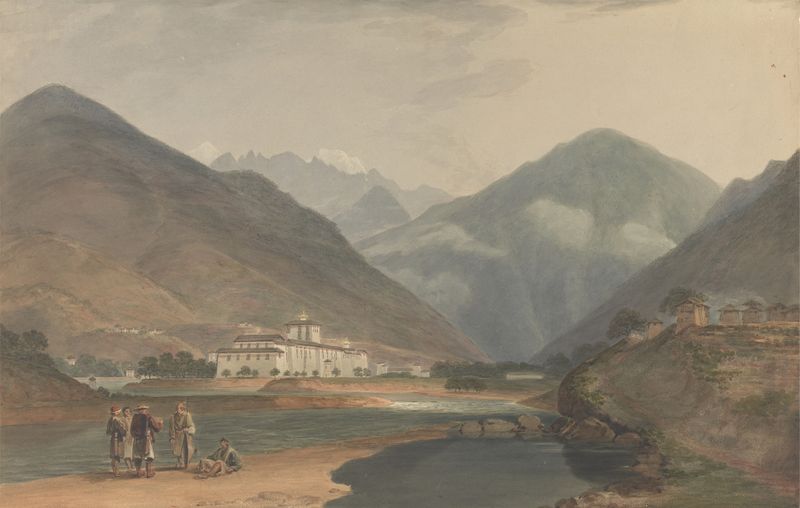
The Former Winter Capital of Bhutan at Punakha Dzong
Samuel Davis
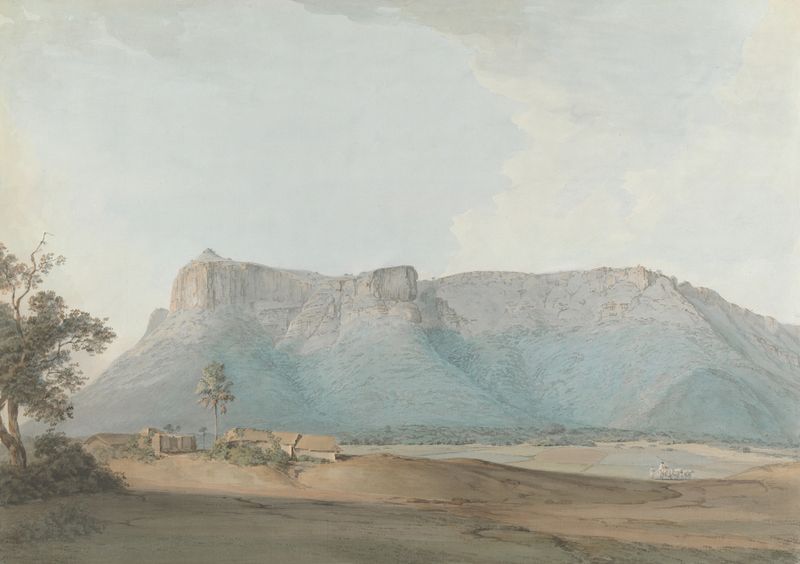
Rhotas from Akberpore
Samuel Davis
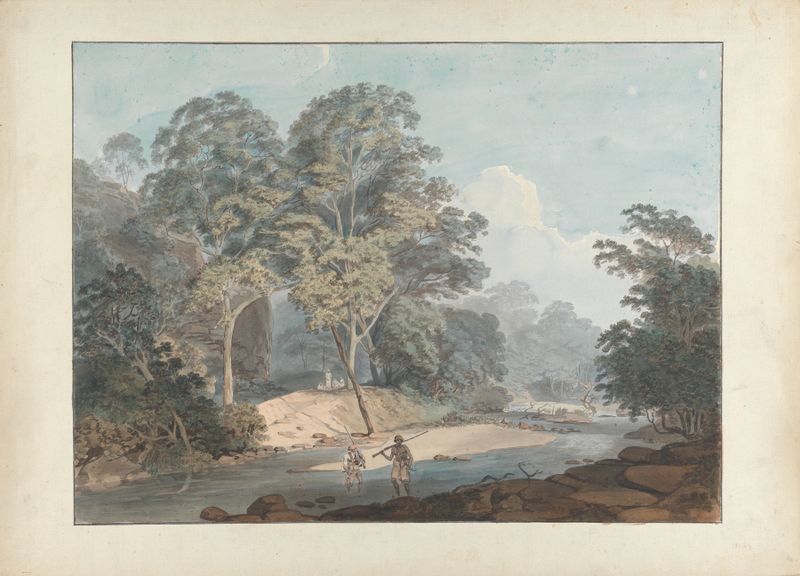
Rocky River Scene with Sepoys
Samuel Davis
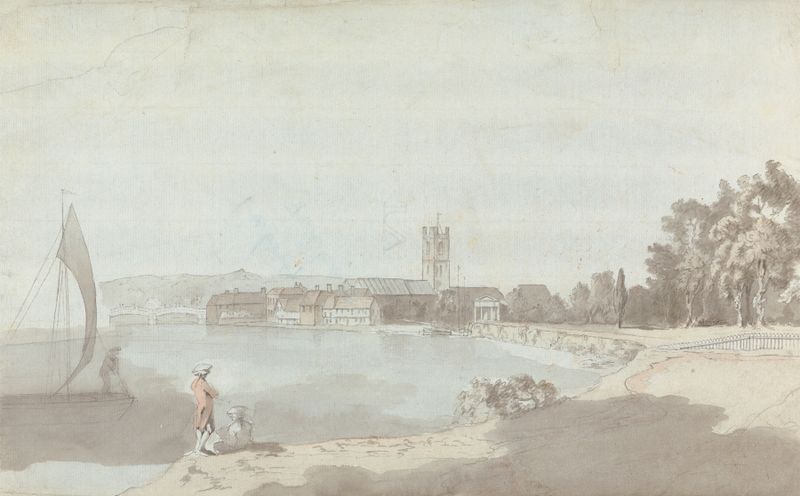
West Country Town by a River
Samuel Davis
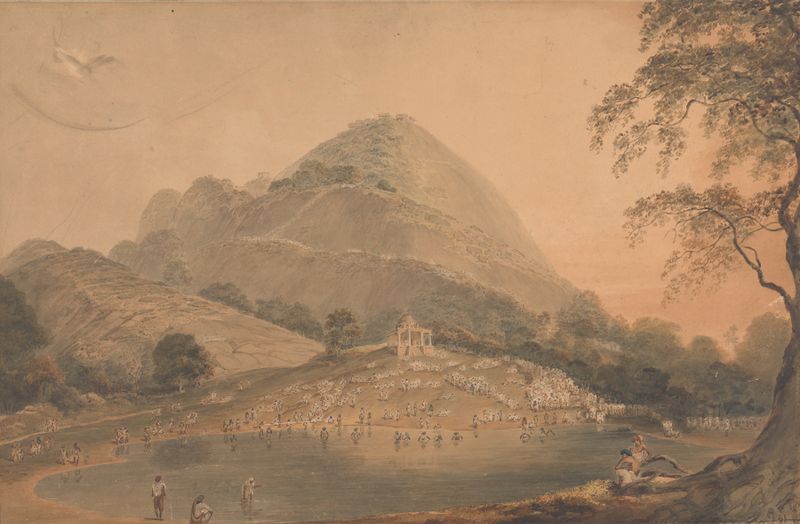
The Annual Resort of Hindoos to Mundar Hill near Bhagulpore [Bhagalpur]
Samuel Davis
More Historical Art
Browse all →
The Night Watch Militia Company of District II under the Command of Captain Frans Banninck Cocq
Rembrandt van Rijn

Lincoln Memorial
Henry Bacon

The Third of May 1808
Francisco de Goya

Isaac and Rebecca, Known as ‘The Jewish Bride’
Rembrandt van Rijn

The Charge of the Mamelukes (1814)
Francisco de Goya

De vier ruiters van de apocalyps
Albrecht Dürer