
Margate — History & Facts
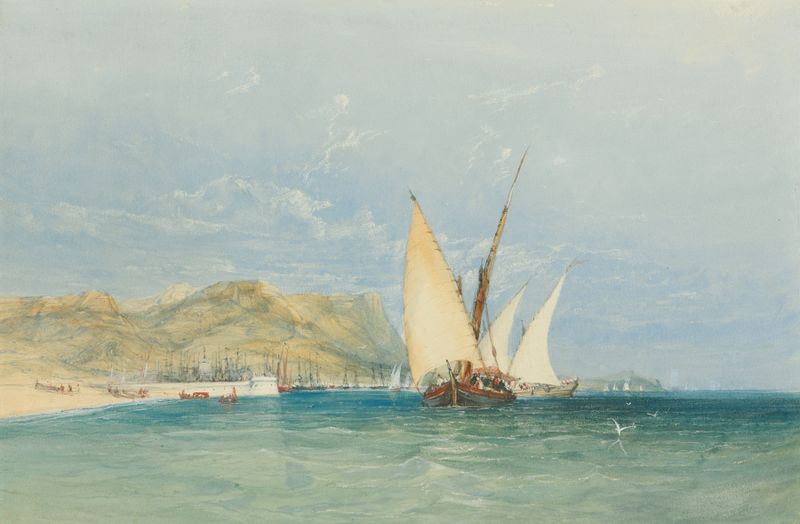
What secret hides in the quiet of the canvas? In this tranquil seaside landscape, balance emerges not just in composition, but in the delicate dance between nature and human presence. Look to the left at the gentle curve of the shore, where soft waves caress the sand. The muted palette of soft blues and grays evokes an atmosphere of serenity, while the warm golden light of the setting sun casts long shadows across the beach. Notice how the distant horizon meets the sky, creating a harmonious blend that draws the eye across the canvas.
The precise brushwork captures the rhythmic swell of the tide, inviting viewers to breathe in the salty air. As you step closer, the interplay of light and shadow unveils deeper emotional currents. The solitary figure walking along the shore, almost lost to the landscape, hints at introspection and solitude. The juxtaposition of the calming water and the figure's stillness reflects the human desire for peace amidst the chaos of life.
Holland’s careful attention to detail, from the texture of the sand to the foamy surf, reveals a longing for balance between the fleeting and the eternal. In 1861, Holland painted this piece during a period of artistic exploration in England, as the Pre-Raphaelite movement was gaining momentum, emphasizing realism and nature. At this time, he was influenced by his surroundings in Margate, embracing the seaside for both its physical beauty and psychological depth. This artwork serves as a testament to his commitment to capturing both the external world and the inner experience of his viewers.
More Artworks by James Holland
Browse all →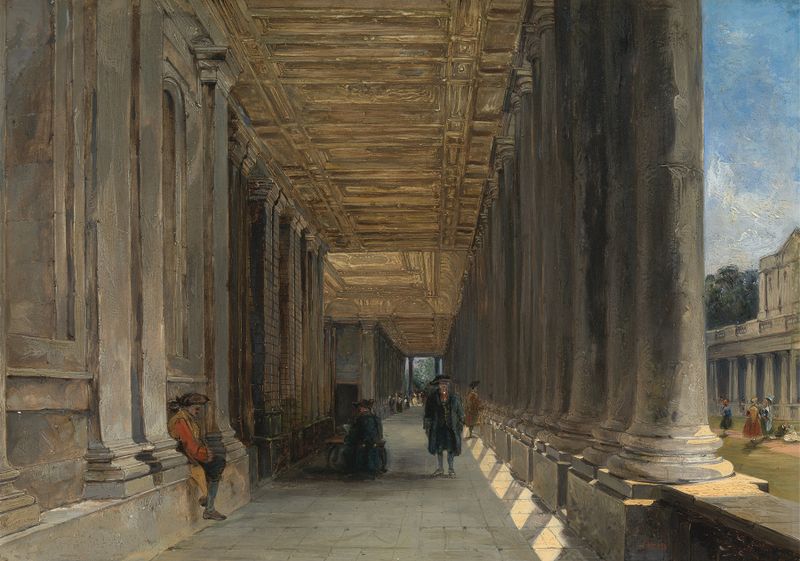
The Colonnade of Queen Mary’s House, Greenwich
James Holland
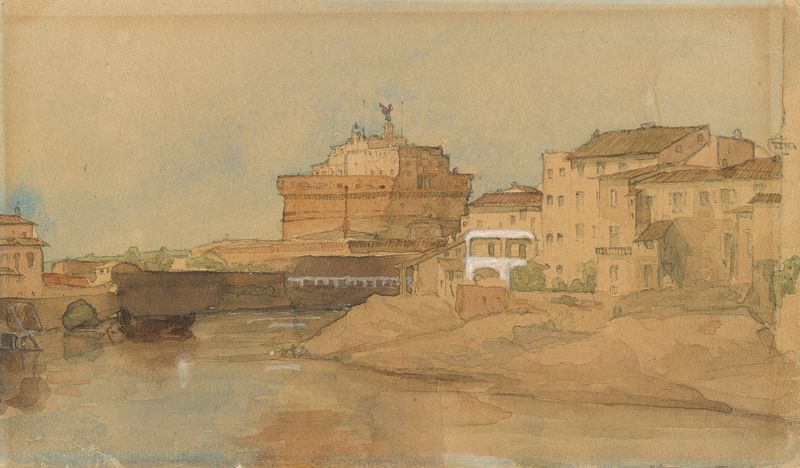
View of Castel Sant’ Angelo from the Tiber
James Holland
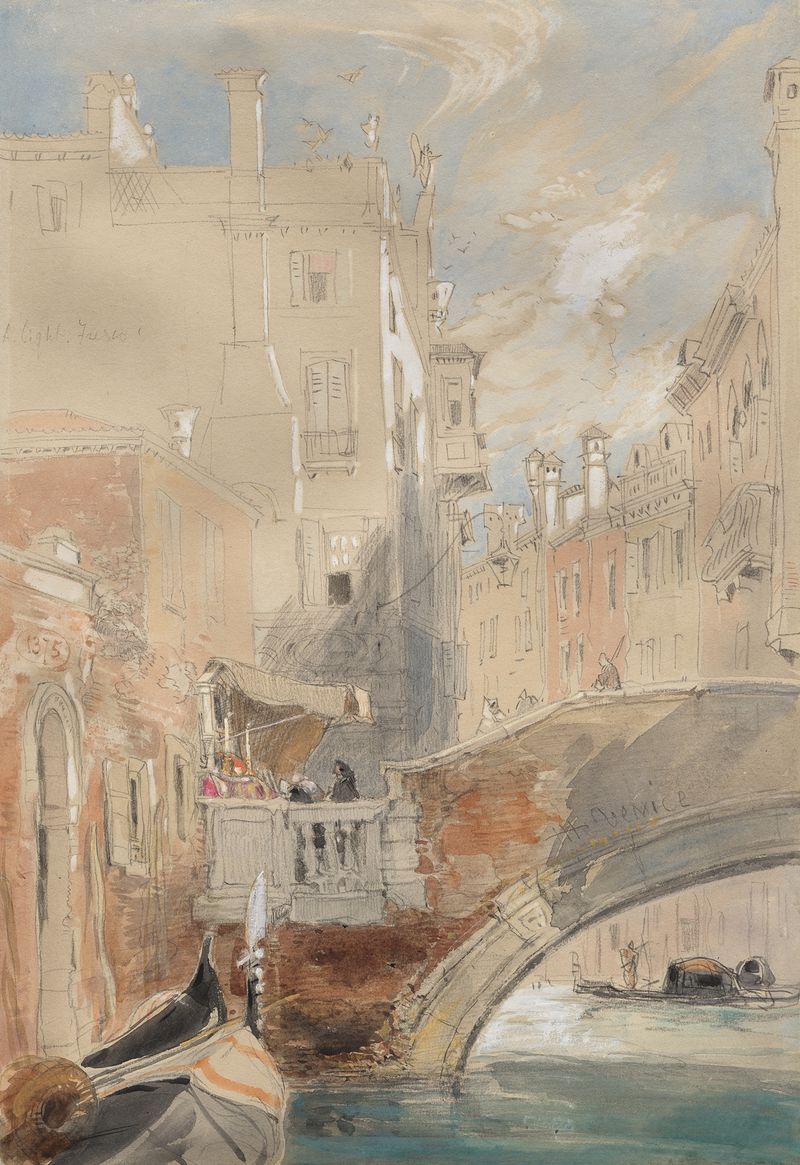
A Canal, Venice
James Holland
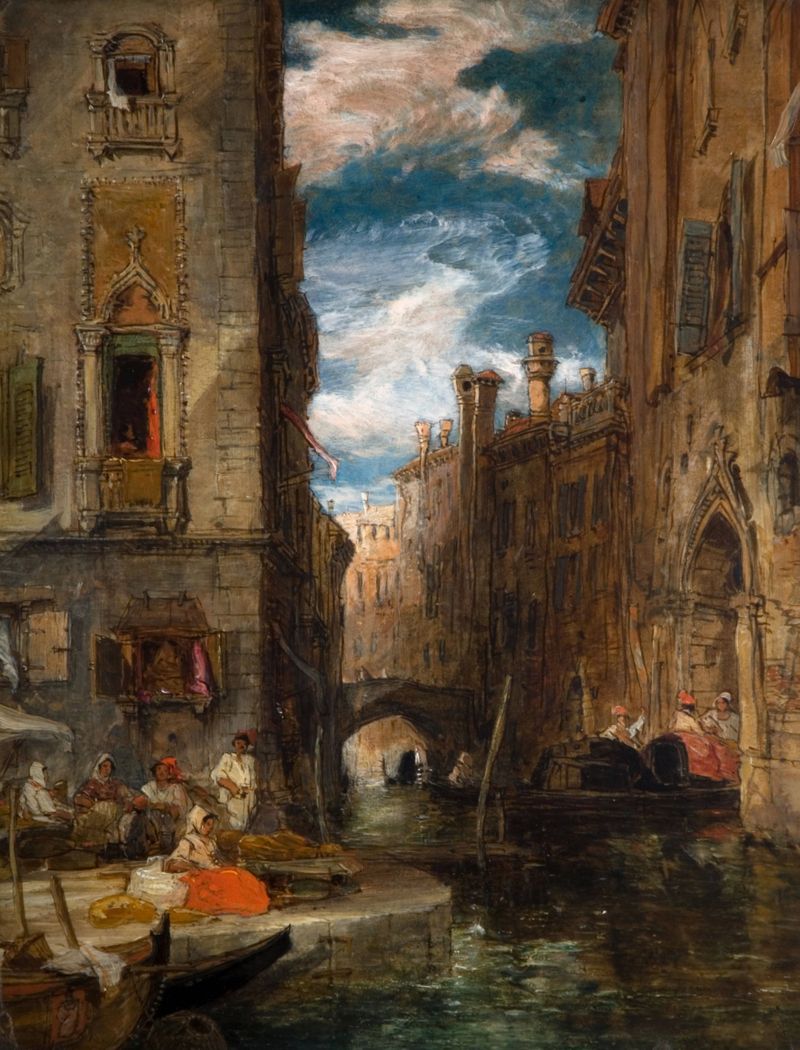
A Recollection Of Venice
James Holland
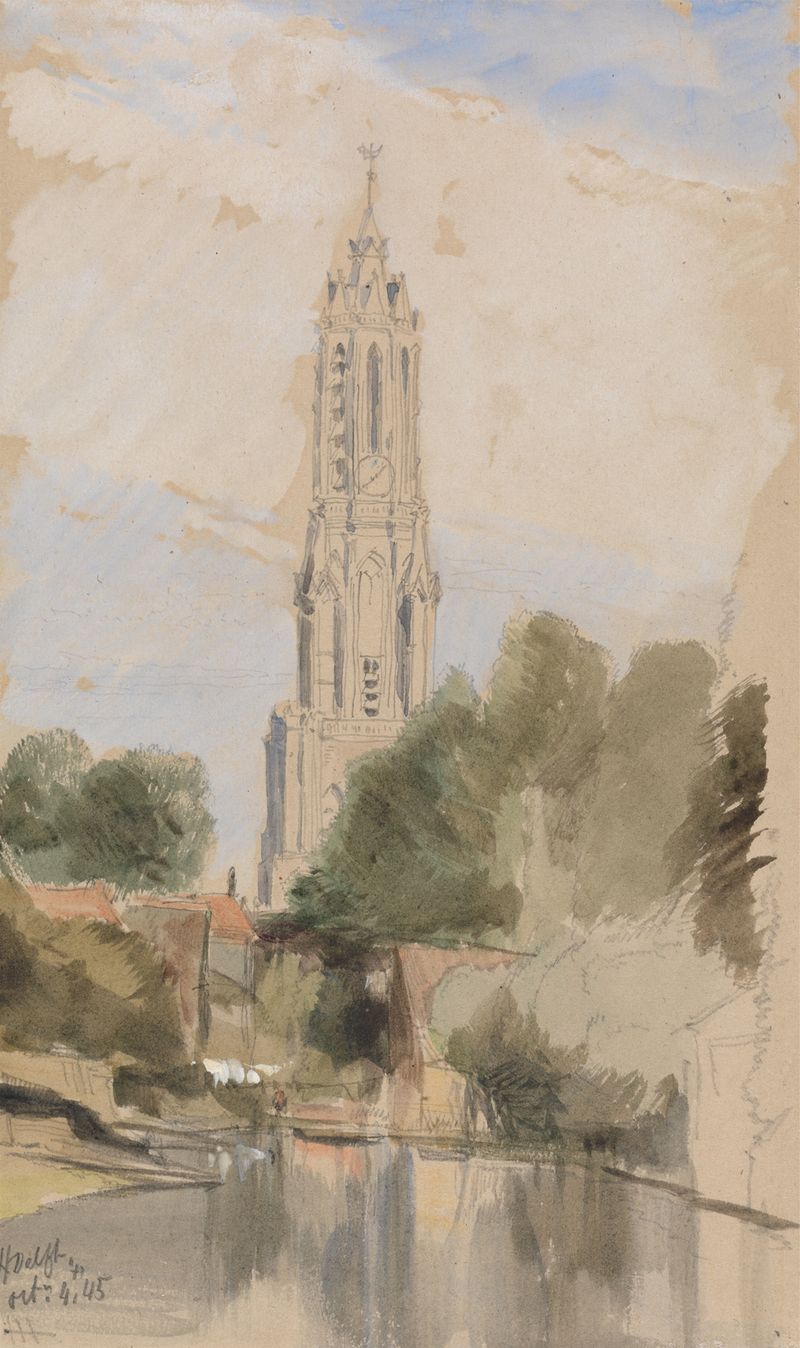
Delft
James Holland
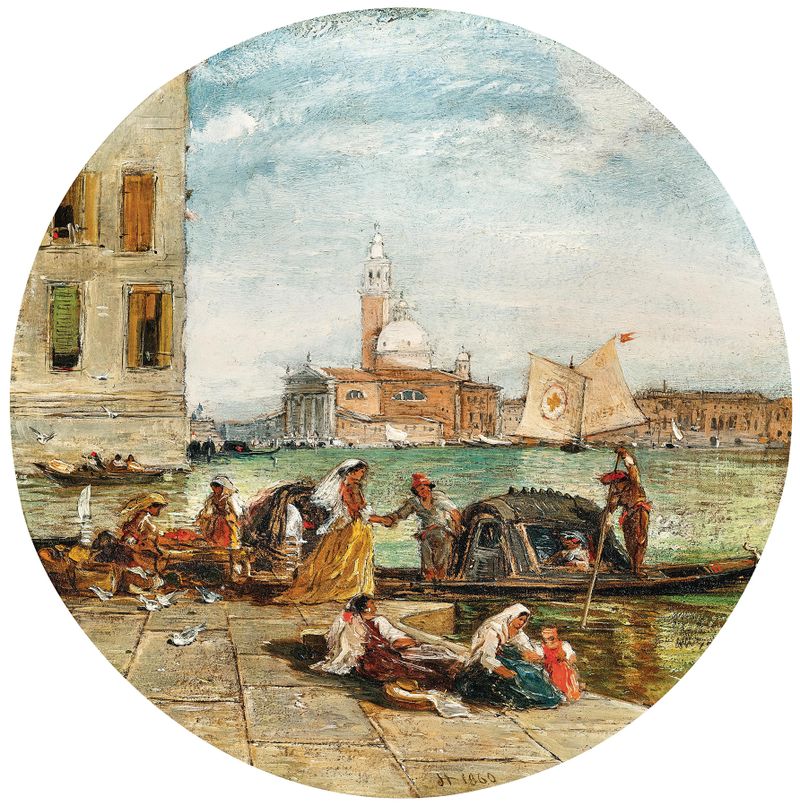
Venice, a view of San Giorgio Maggiore
James Holland
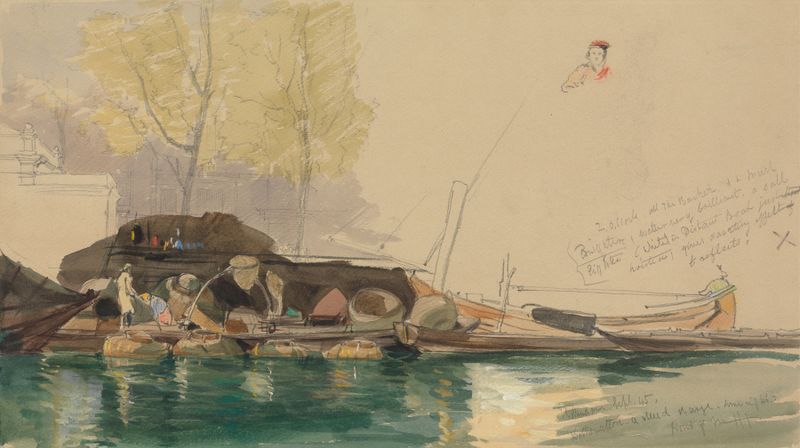
Barges on a Canal in Rotterdam
James Holland

Landschap bij Sintra, Portugal
James Holland
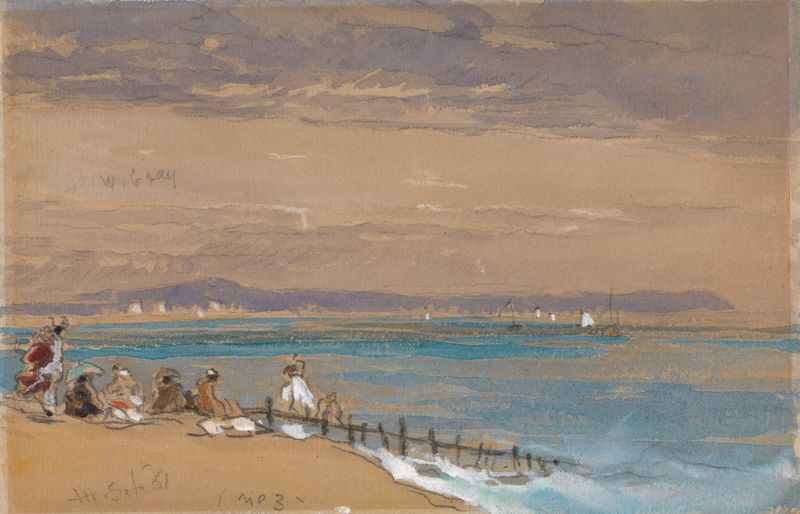
Beach Scene with Figures by a Breakwater
James Holland
Coast Scene with Sailing Boats
James Holland





