
Maria, Lady Eardley (1743-1794) — History & Facts
It is the shimmer of silk that first catches the eye, a cascade of pale fabric rendered with such delicacy that you can almost hear it rustle. Maria, Lady Eardley stands poised at the edge of a wooded path, her white gown glowing against the deep greens and browns of the landscape. The blue shawl draped over her arm is not merely an accessory, but a painter’s flourish—a cool counterpoint to the warmth of her sash and the gentle light that bathes her face.
The flower she holds is no idle detail: it draws the gaze to her hand, suggesting both grace and a quiet confidence. Pearls in her hair glint softly, echoing the subtle luxury that defines her presence, while her direct gaze invites the viewer into her world. Works like this, painted by Thomas Gainsborough in 1766, were the currency of status among Britain’s elite. Portraits were not only records of likeness, but public statements of taste, lineage, and aspiration—often commissioned to hang in grand homes or to mark significant moments in a family’s rise.
Gainsborough’s ability to merge aristocratic refinement with the informality of nature was revolutionary in his day, offering a vision of privilege that felt both elevated and approachable. The setting, half cultivated and half wild, reflects the shifting ideals of the era, when the British gentry began to see themselves as stewards of both culture and landscape. Today, as part of the Nationalmuseum collection, this portrait stands as a window onto a world where power and beauty were carefully staged, yet always alive to the possibilities of the natural world just beyond the frame.
More Artworks by Thomas Gainsborough
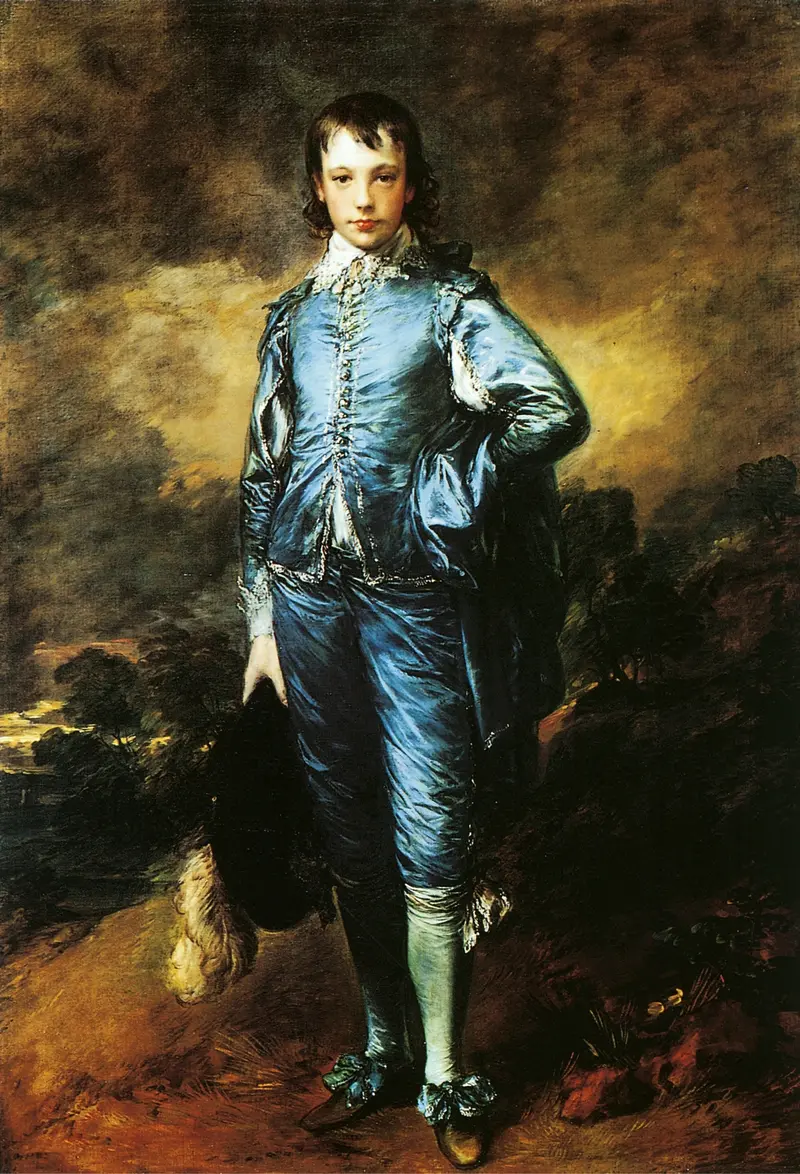
The Blue Boy
Thomas Gainsborough
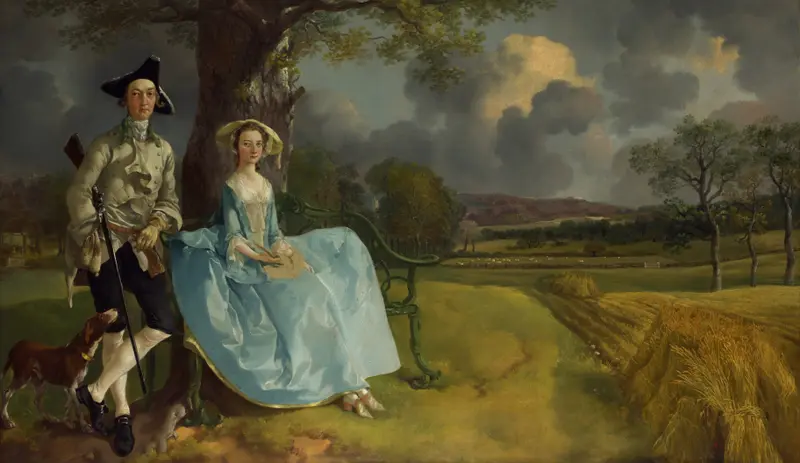
Mr and Mrs Andrews
Thomas Gainsborough

Wooded Landscape with Figures
Thomas Gainsborough

Sir Benjamin Thompson, later Count Rumford (1753-1814)
Thomas Gainsborough
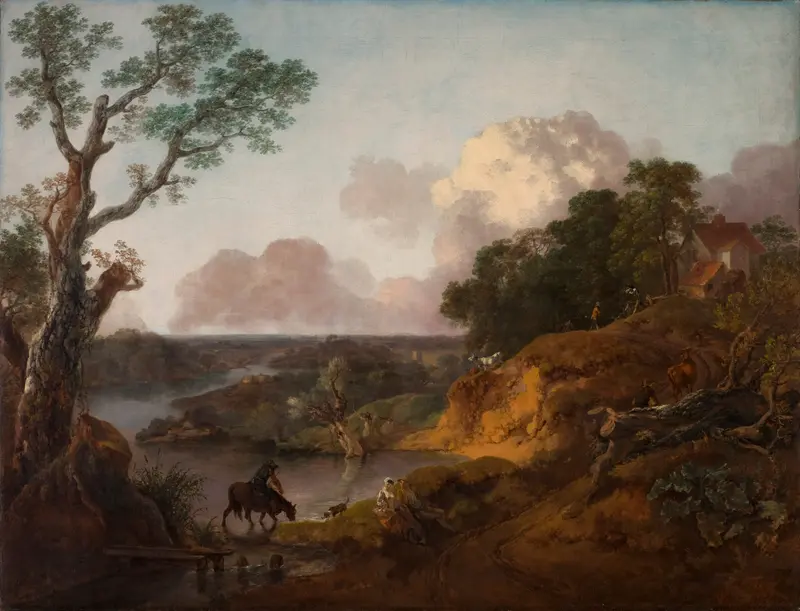
View in Suffolk
Thomas Gainsborough
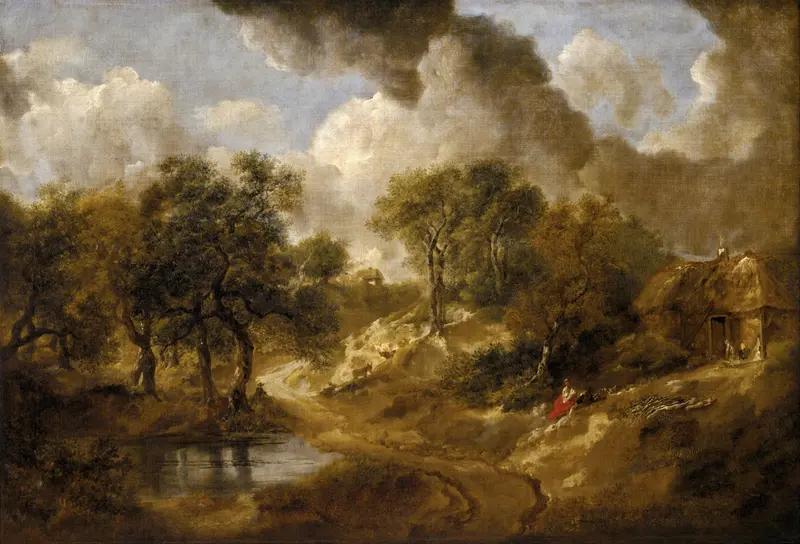
Landscape in Suffolk
Thomas Gainsborough
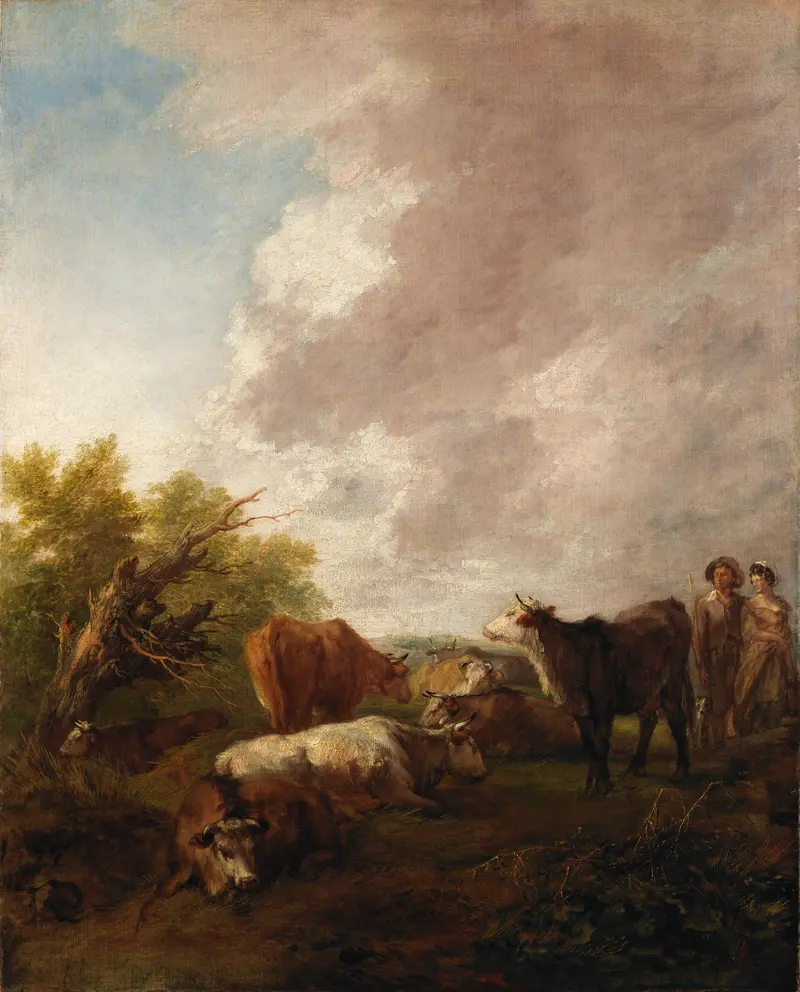
Landscape with Cattle
Thomas Gainsborough
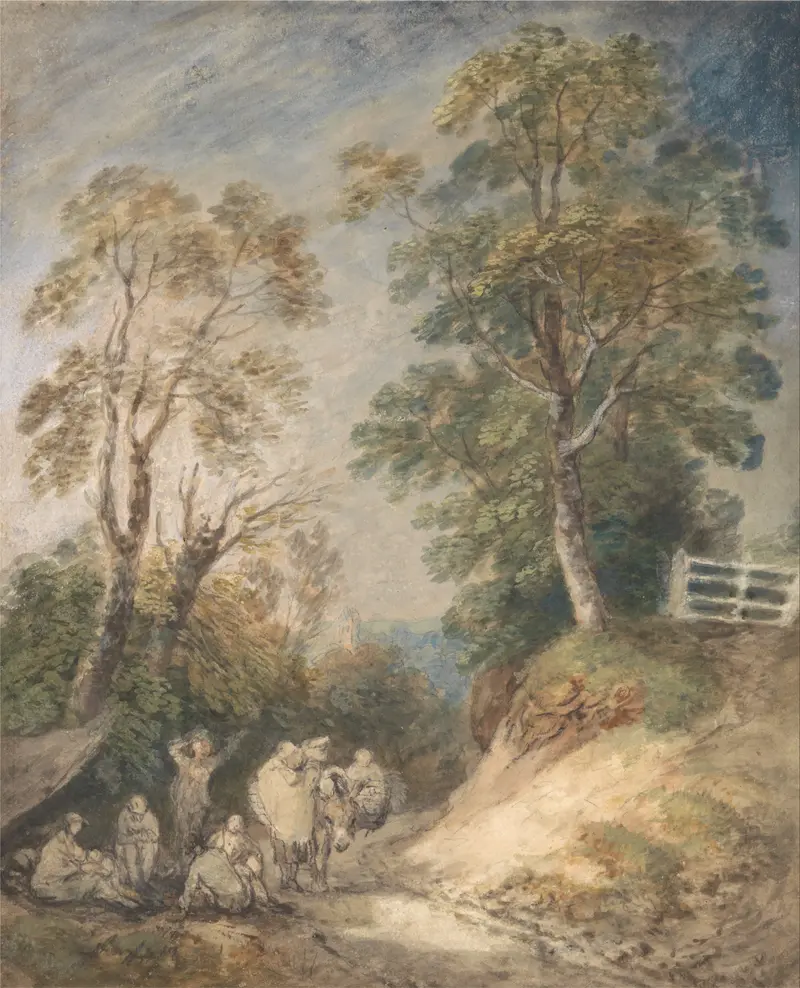
Country Lane with Gypsies Resting
Thomas Gainsborough
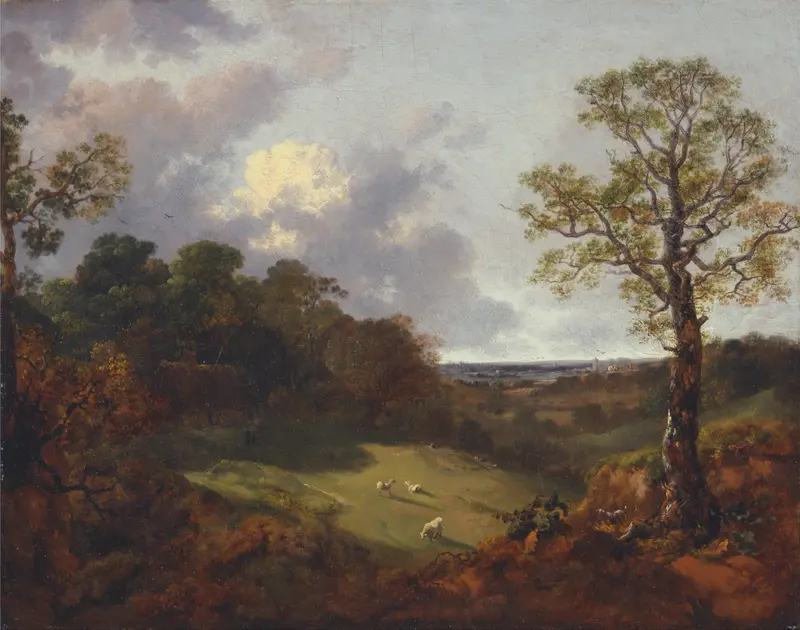
Wooded Landscape with a Cottage and Shepherd
Thomas Gainsborough
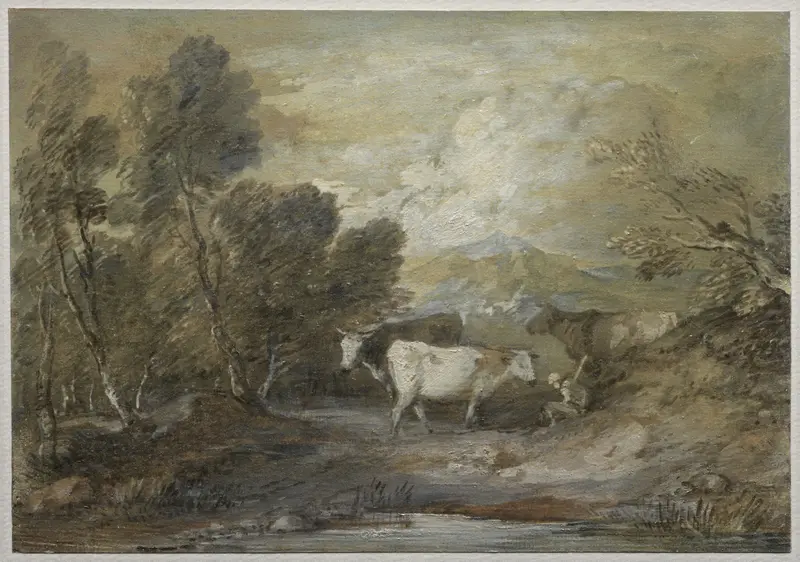
A Herdsman with Three Cows by an Upland Pool
Thomas Gainsborough





