
Maria Magdalena met zalfpot — History & Facts
Can beauty exist without sorrow? In Jacob Binck's Maria Magdalena met zalfpot, a haunting emptiness lingers, inviting a deeper exploration of emotion intertwined with grace. Focus on the somber gaze of Mary Magdalene, her eyes reflecting an inner turmoil that contrasts with the delicate details of her attire. Notice how the light softly caresses her face, illuminating the starkness of her solitude, while the richly textured fabric of her garments enhances the painting’s depth. The pot of ointment in her hands draws attention to a moment of contemplation, hinting at the weight of her burdens and unspoken grief. The painting juxtaposes the elegance of her figure against the emptiness of her surroundings, a stark reminder of loss and longing.
The gentle yet deliberate brushstrokes convey a sense of melancholy, where beauty and sorrow coexist in a fragile balance. Each detail, from the folds of her clothing to the expression on her face, adds layers to her narrative, suggesting that her beauty is not merely aesthetic but deeply intertwined with her experiences of life and loss. Created in 1526, this work emerged during a period of significant artistic evolution in the Northern Renaissance. Binck, working in Antwerp, was influenced by the emerging humanist ideals that sought to explore individual emotions and experiences.
This painting, emblematic of the era’s focus on personal narratives, reflects the complexities of the human condition that artists were beginning to embrace in their quest for authenticity.
More Artworks by Jacob Binck
Browse all →
Portret van Christiaan II, koning van Denemarken
Jacob Binck

Christus en de Samaritaanse vrouw
Jacob Binck
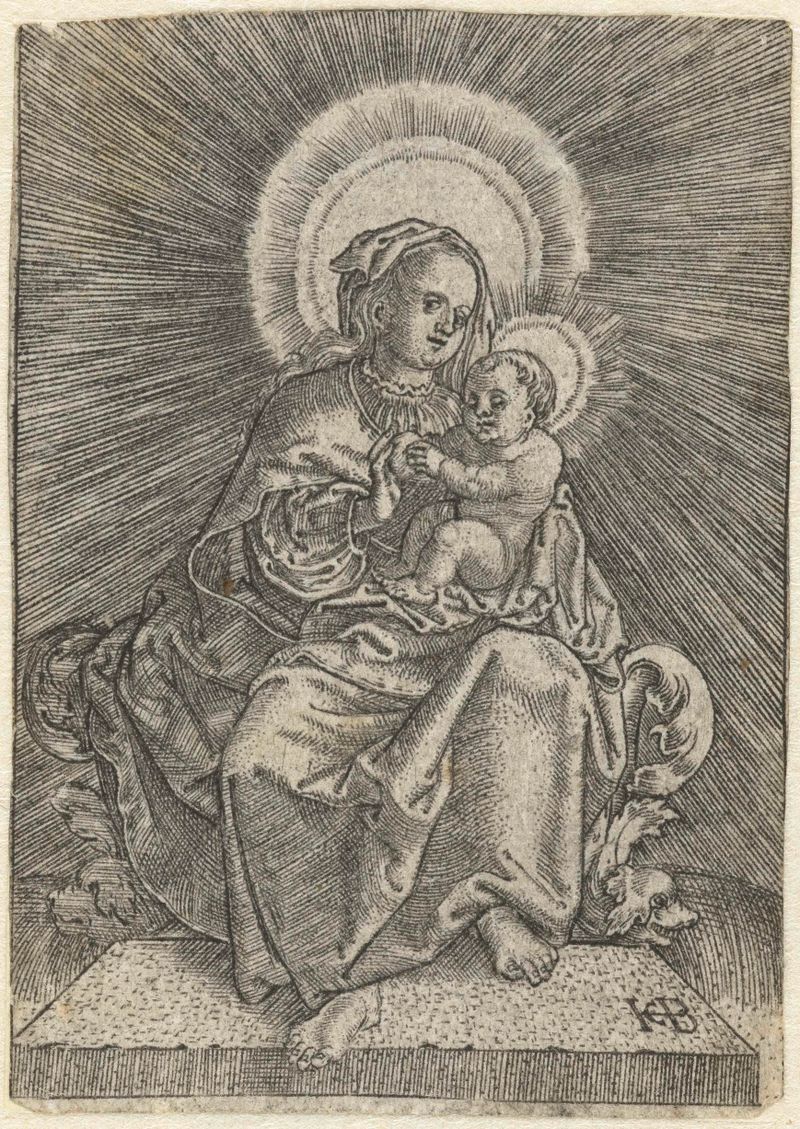
Tronende Maria met kind en appel in stralenkrans
Jacob Binck

Christus op de koude steen
Jacob Binck

Ornament met twee putti op dolfijnen onder een vaas
Jacob Binck
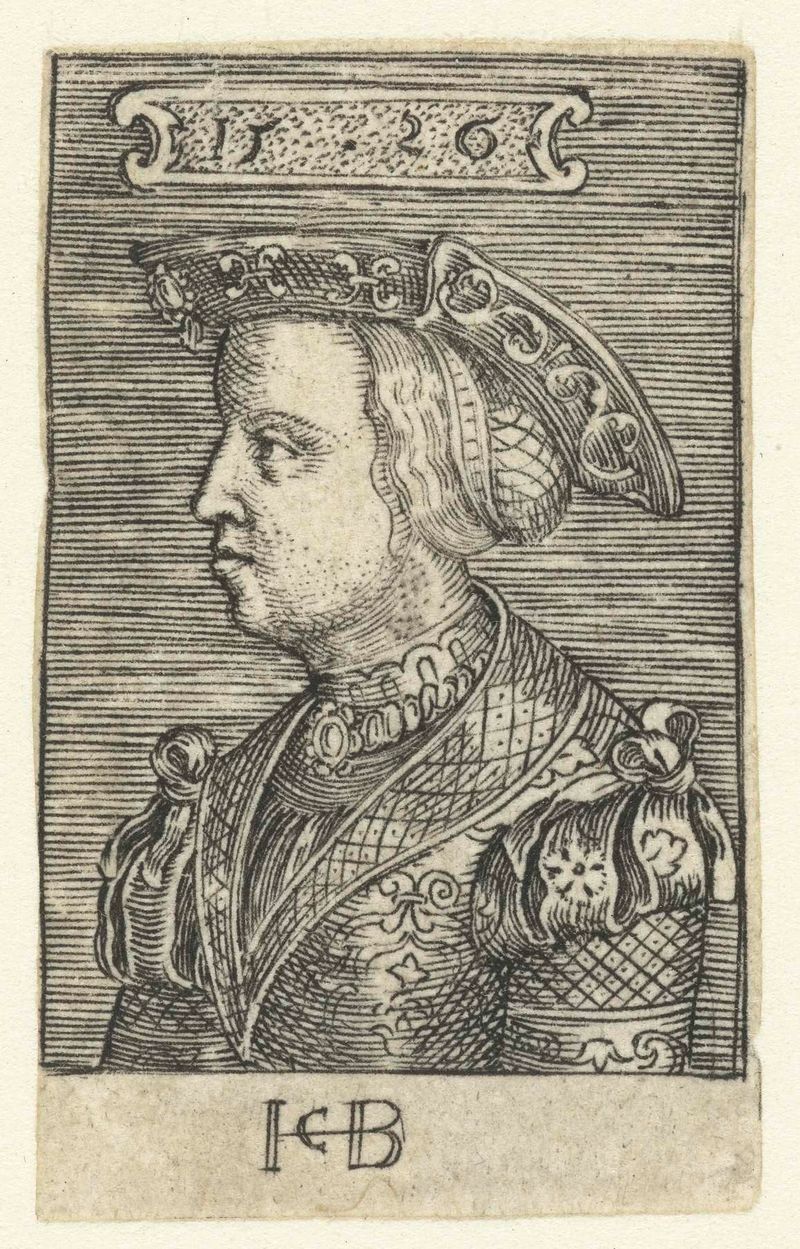
Portret van Claudia van Valois, echtgenote van Frans I
Jacob Binck

Ceres met kroon van korenaren, sikkel, brandende toorts en tweekoppige slang
Jacob Binck
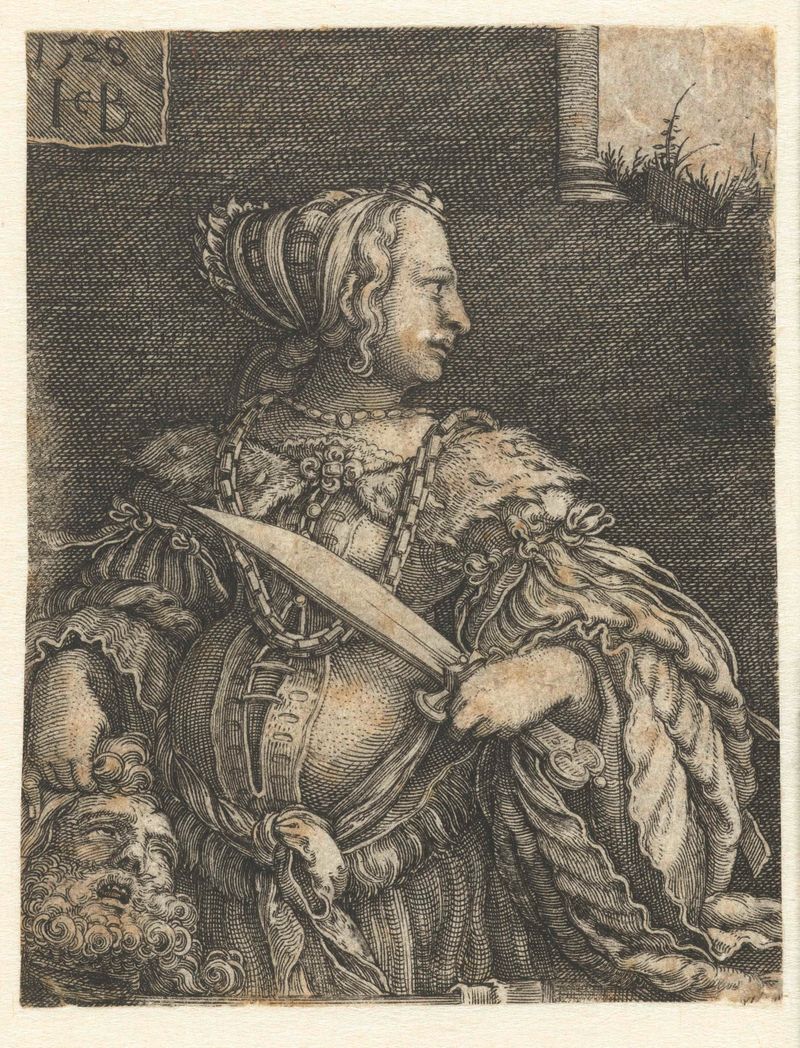
Judith met het hoofd van Holofernes
Jacob Binck
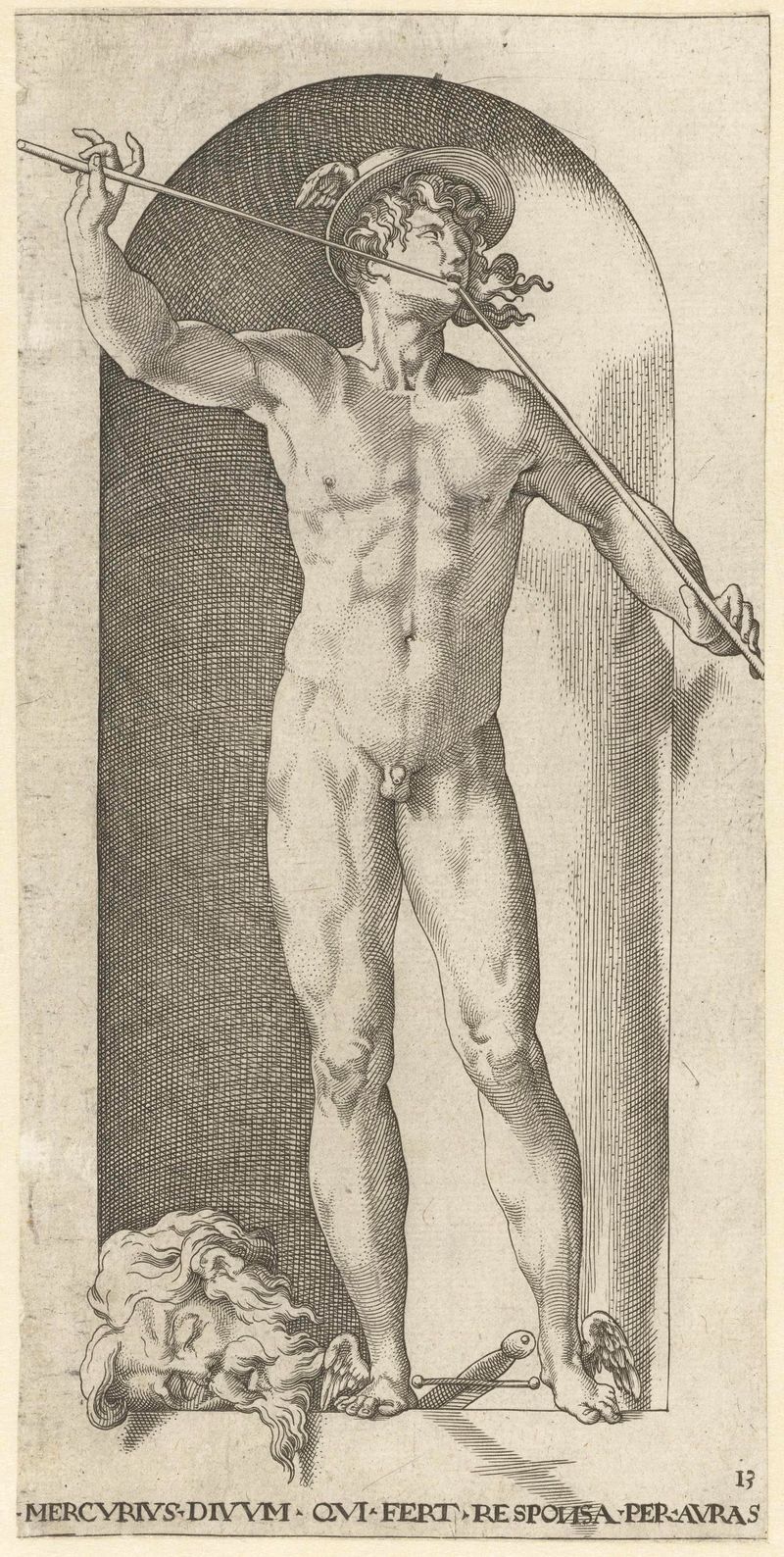
Mercurius met het hoofd van Argus
Jacob Binck

Minerva (Pallas Athena) met Medusahoofd op schild
Jacob Binck
More Portrait Art
Browse all →
Las meninas
Diego Velázquez

Self-portrait with a Bandaged Ear and Pipe
Unidentified artist

Girl with a Pearl Earring
Johannes Vermeer

The Sampling Officials of the Amsterdam Drapers’ Guild, Known as ‘The Syndics’
Rembrandt van Rijn

The Hundred Guilder Print: the man seen on the back in the lower left corner
Rembrandt van Rijn

Portrait of Dr Gachet
Vincent van Gogh