
Maria met Christuskind — History & Facts
What secret hides in the quiet of the canvas? In Wenceslaus Hollar's work, we are invited to explore a moment steeped in hope, tenderness, and divine presence that beckons beyond the surface. Look to the center of the composition, where Maria stands, her form enveloped in delicate lines and soft shading. Notice how the light gently illuminates her face, casting an ethereal glow that hints at her profound connection with the child she holds. The contrasting dark background serves to heighten the intimacy of the scene, drawing your attention to their peaceful interaction and the rich textures of their clothing.
The artist's meticulous attention to detail in the drapery enhances the weight and importance of the figures, while the muted color palette evokes a sense of serenity. Within this intimate moment lies a profound contrast between the mundane and the celestial. The calm demeanor of Maria, cradling the Christuskind, embodies maternal love and unwavering faith, while the surrounding shadows suggest the challenges and uncertainties of the world outside. Each fold in her garment and each contour of the child's features speaks to the fragility of hope, yet also to its resilience amid darkness.
The composition invites contemplation, allowing viewers to feel the weight of expectation and the promise of salvation that permeates their exchange. In 1649, Hollar painted this piece during a turbulent period marked by the Thirty Years' War, which ravaged Europe and deeply affected the artist's life. Living in England, he was influenced by both the Baroque style and the shifts occurring in religious sentiment throughout the continent. This work reflects the artist’s ongoing search for solace and meaning in a chaotic world, channeling his experiences into a scene that radiates quiet assurance and spiritual hope.
More Artworks by Wenceslaus Hollar
Browse all →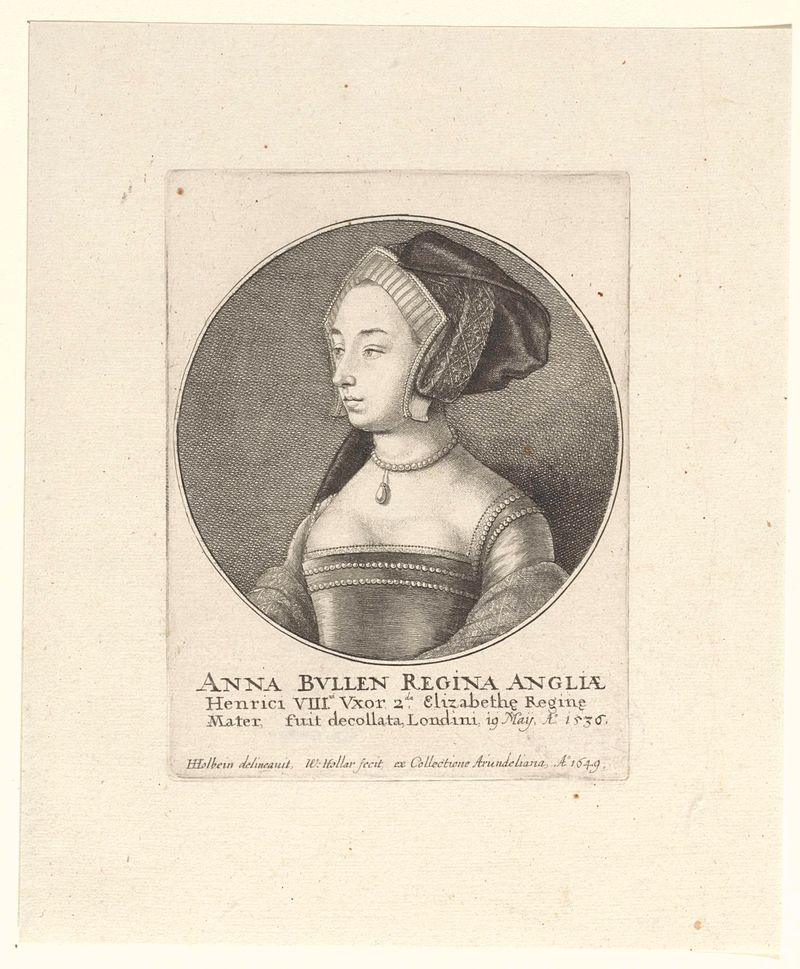
Portret van Anna Boleyn, koningin van Engeland
Wenceslaus Hollar
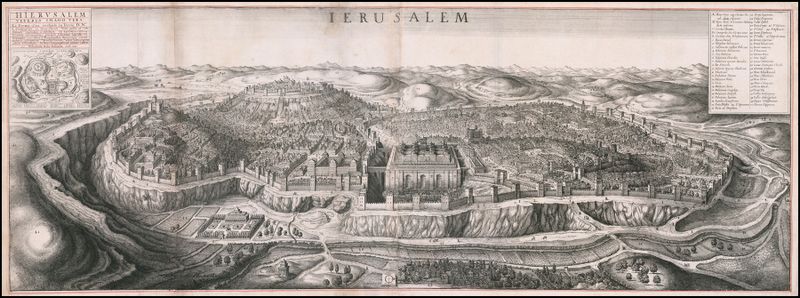
Bird’s eye view of Jerusalem
Wenceslaus Hollar
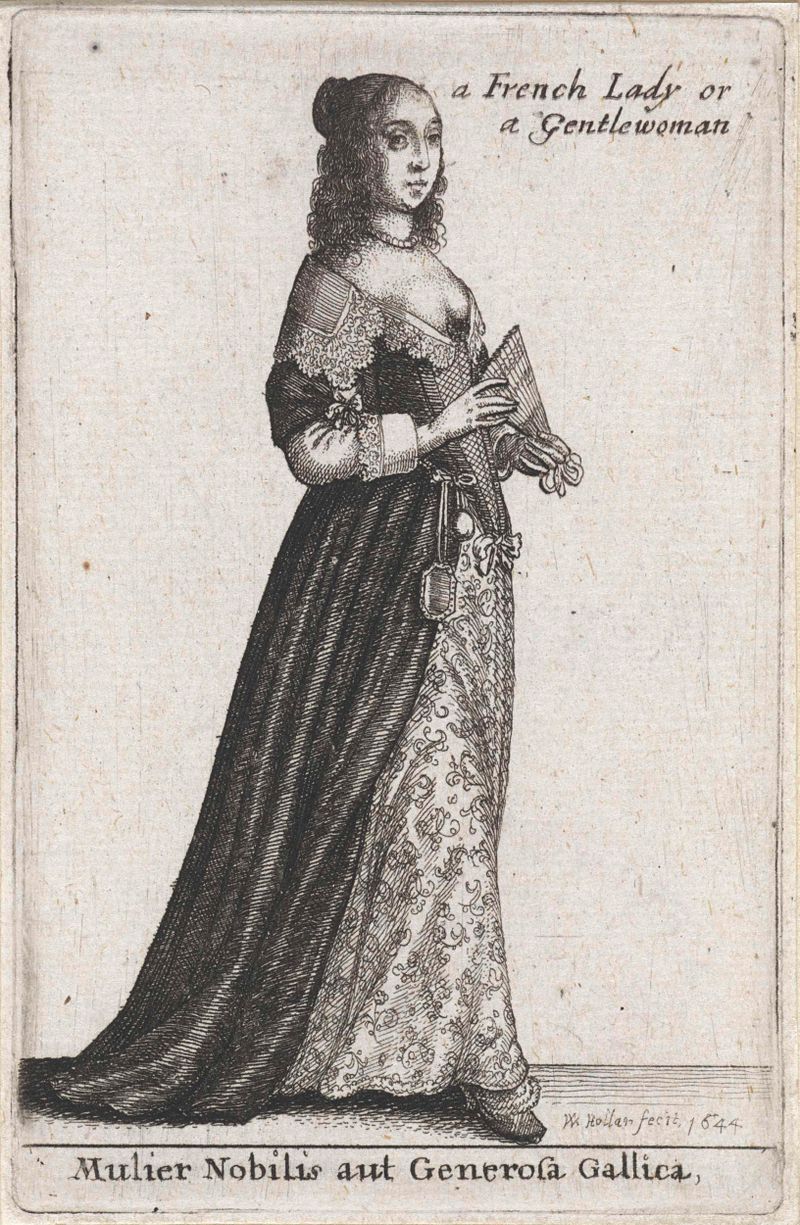
Mulier Nobilis aut Generosa Gallica / a French Lady or Gentlewoman
Wenceslaus Hollar
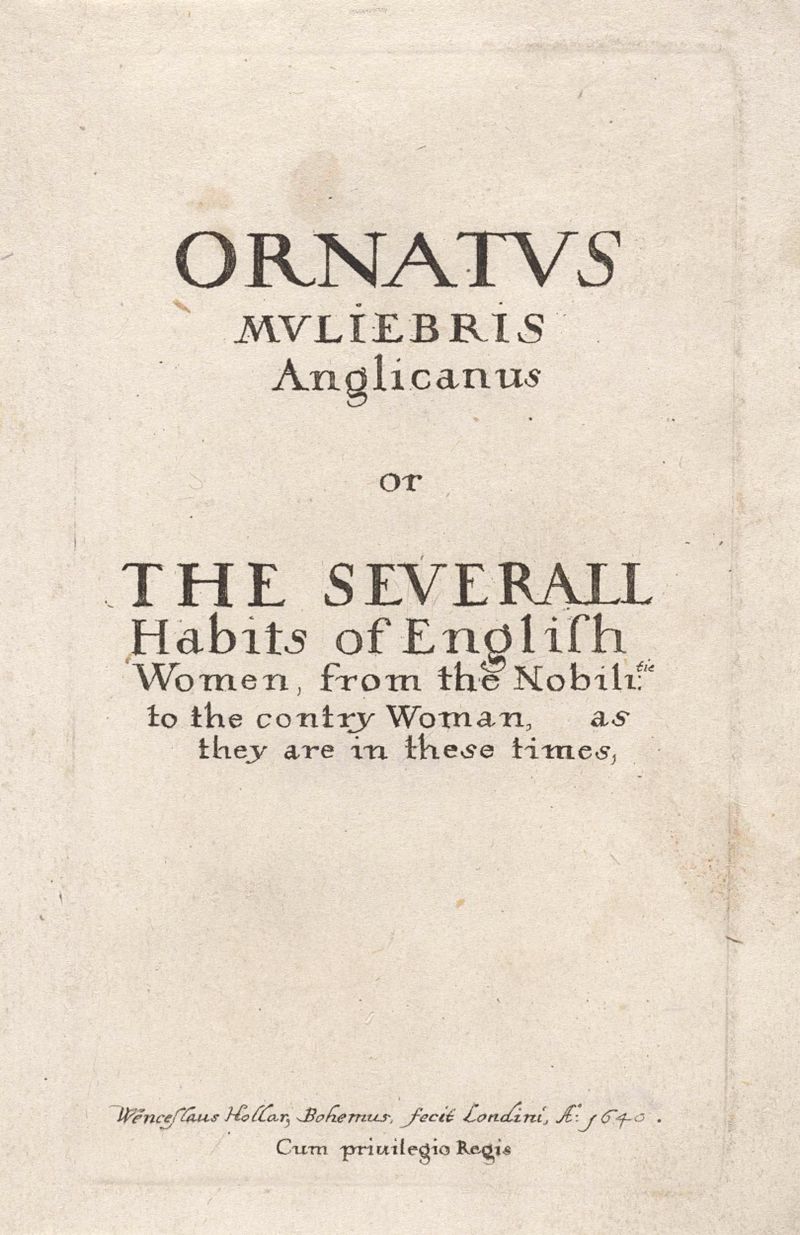
Titelprent voor: Ornatus Muliebris Anglicanus
Wenceslaus Hollar
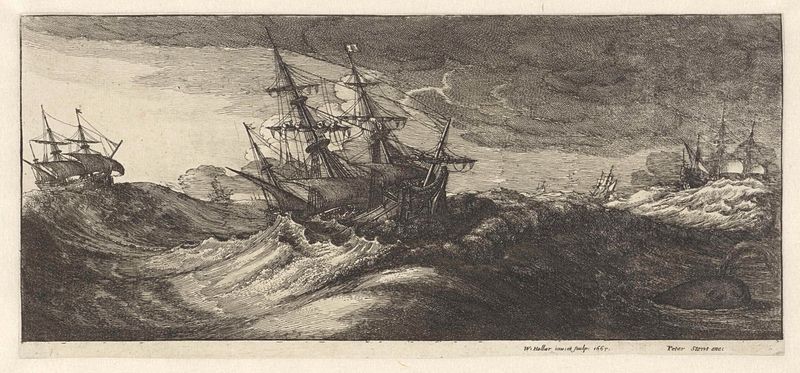
Oorlogsschepen en een walvis in een zeestorm
Wenceslaus Hollar
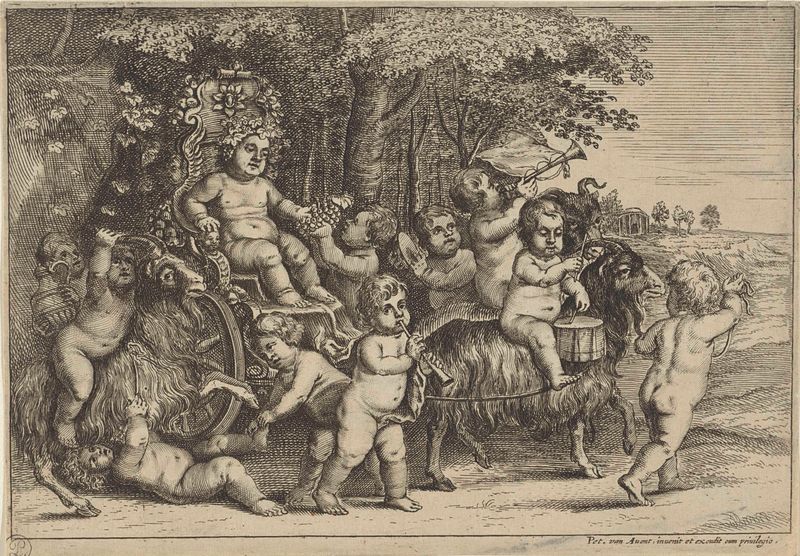
Optocht van bacchant en jongetjes op geiten
Wenceslaus Hollar
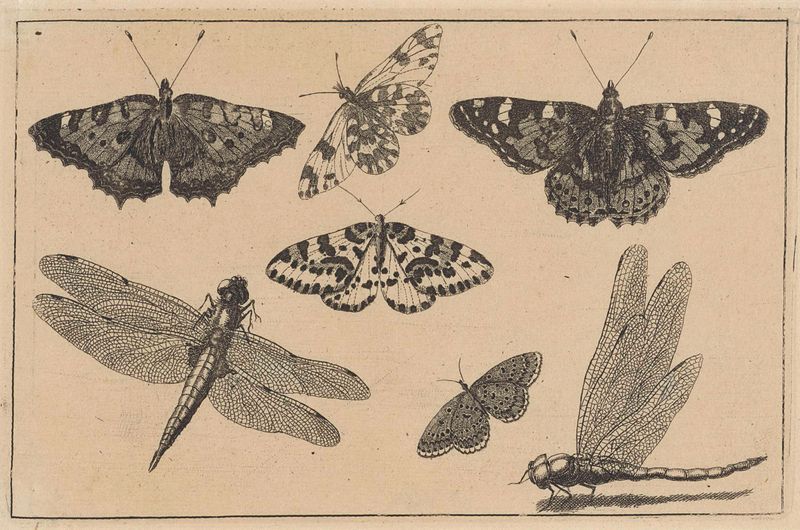
Twee libellen en vijf vlinders
Wenceslaus Hollar
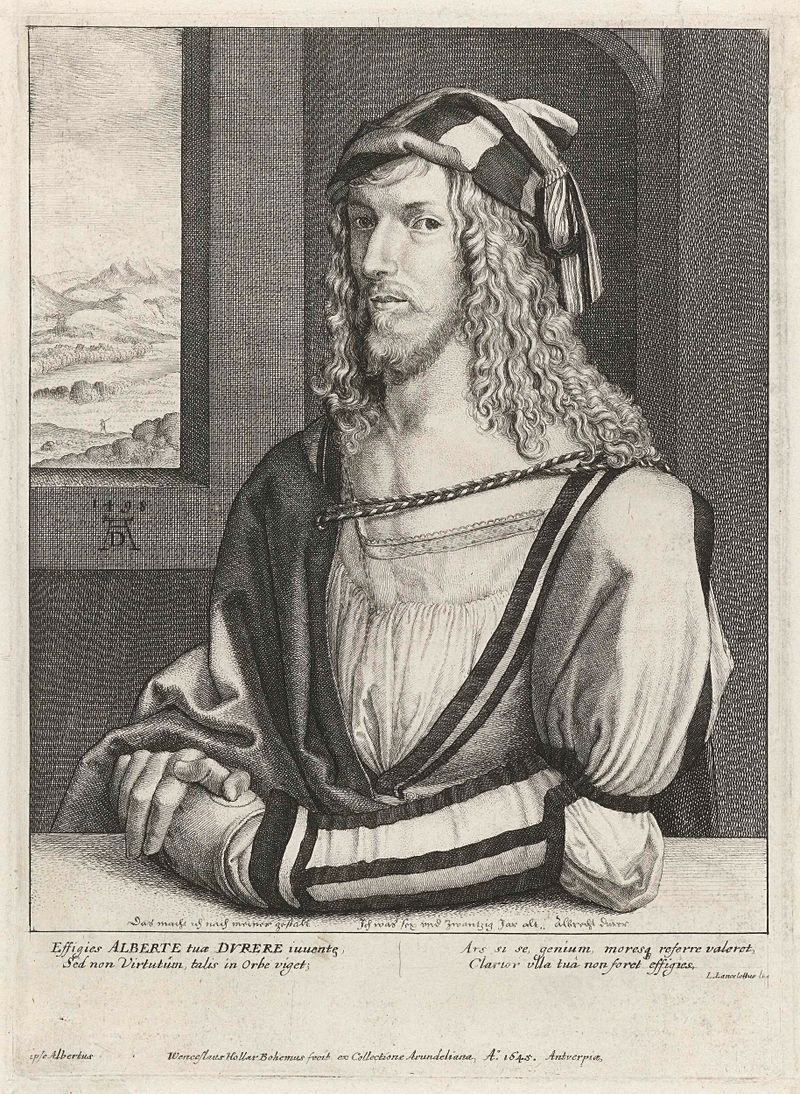
Portret van Albrecht Dürer
Wenceslaus Hollar
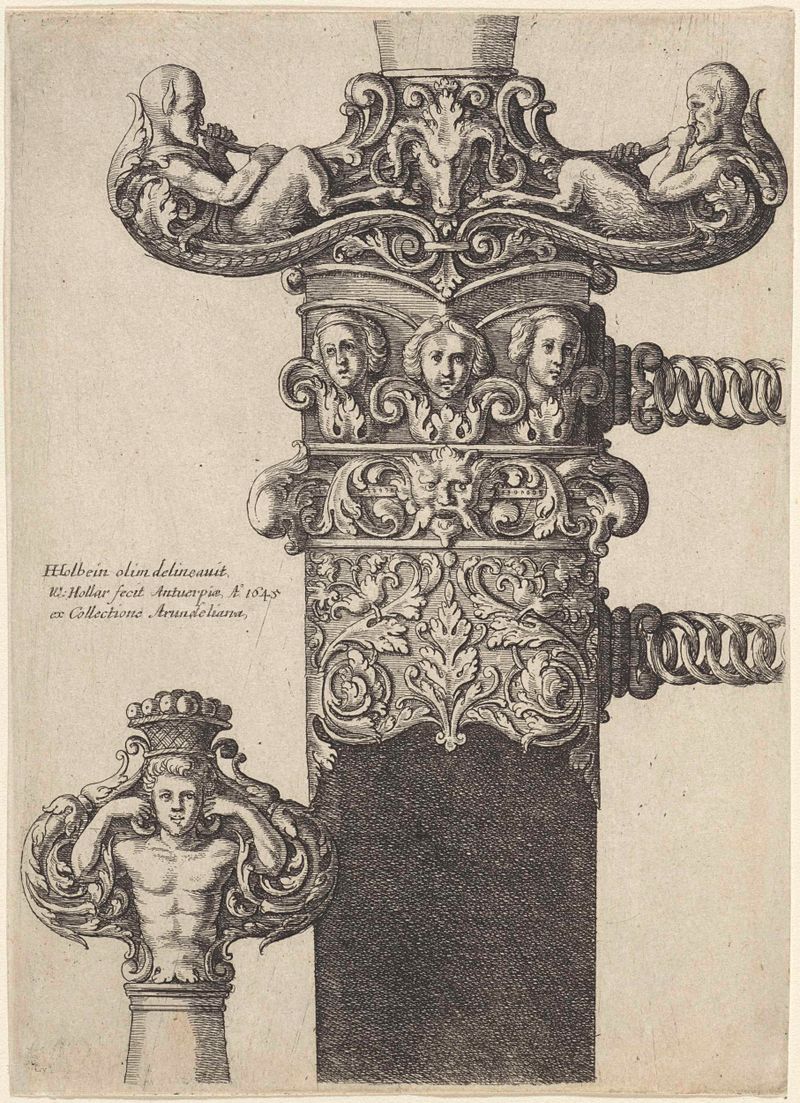
Ornamenteel ontwerp voor een dolk
Wenceslaus Hollar
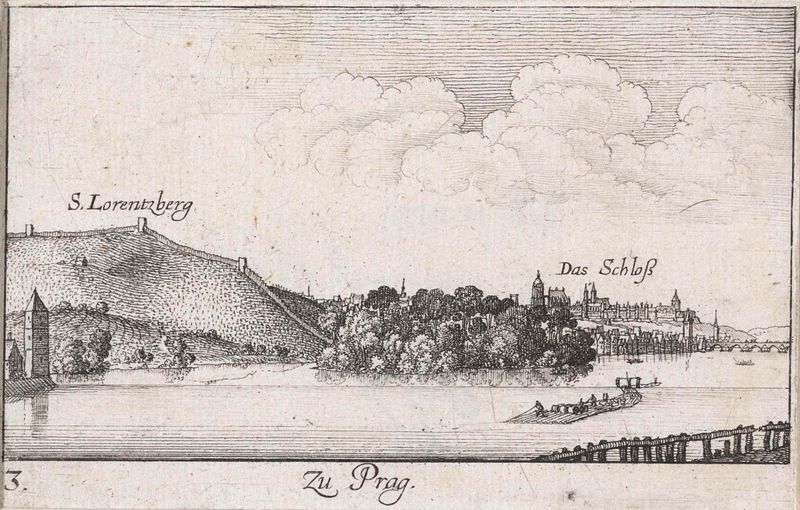
Gezicht op Praag vanaf de Moldau
Wenceslaus Hollar
More Religious Art
Browse all →
The Return of the Prodigal Son
Rembrandt van Rijn

The Garden of Earthly Delights
El Bosco

Count Orgaz’ funeral
El Greco

The Hundred Guilder Print: the central piece with Christ preaching, the plate arched
Rembrandt van Rijn

The Descent from the Cross
Rogier van der Weyden

The return of the prodigal son
Rembrandt van Rijn