
Maria met Christuskind en Johannes de Doper — History & Facts
In a world often overshadowed by despair, hope emerges in the gentle embrace of faith and love that transcends time. Focus on the central figures, illuminated in muted colors that evoke a sense of serenity and grace. The delicate lines draw your gaze towards the tender interactions between Maria, Christuskind, and Johannes de Doper. Notice how the soft light enhances their expressions, capturing a moment of divine connection.
Each detail, from the subtle folds of their garments to the wisps of hair, reveals the artist’s meticulous technique, inviting contemplation of both the physical and spiritual realms. Yet, it is the contrasts that breathe life into this piece. The tender warmth of Maria’s gaze towards the child amplifies the weight of her protective love, while Johannes stands slightly apart, a harbinger of the trials to come. This juxtaposition of innocence and foreboding speaks to the duality of existence—the joy of new life intertwined with the inevitable sorrow that follows.
The muted palette also reinforces the notion that hope exists not in brightness alone, but often in the hushed whispers of faith. Wenceslaus Hollar created this piece in 1647 during a time marked by both personal and social upheaval. Residing in England after fleeing the Thirty Years' War in his native Bohemia, he navigated both the challenges of adaptation and the vibrant art scene of London. Surrounded by the Baroque influences that sought to blend realism with spirituality, this work reflects Hollar’s quest to convey profound emotional truths through his delicate yet powerful artistry.
More Artworks by Wenceslaus Hollar
Browse all →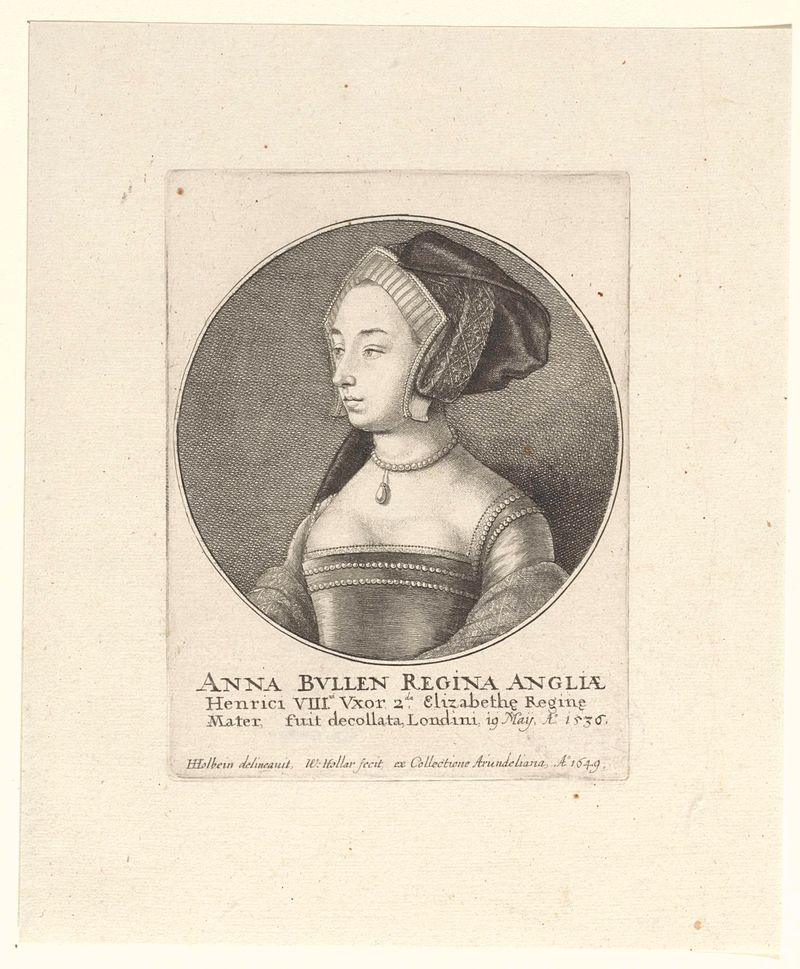
Portret van Anna Boleyn, koningin van Engeland
Wenceslaus Hollar
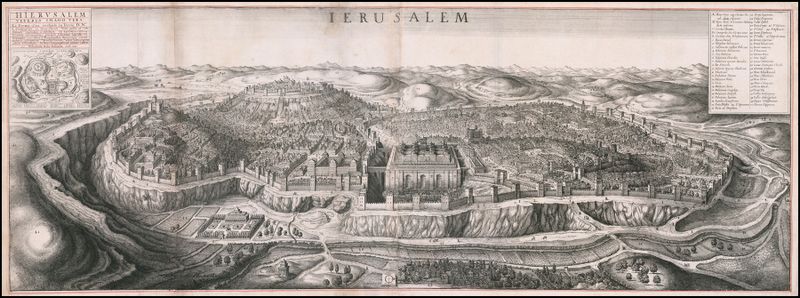
Bird’s eye view of Jerusalem
Wenceslaus Hollar
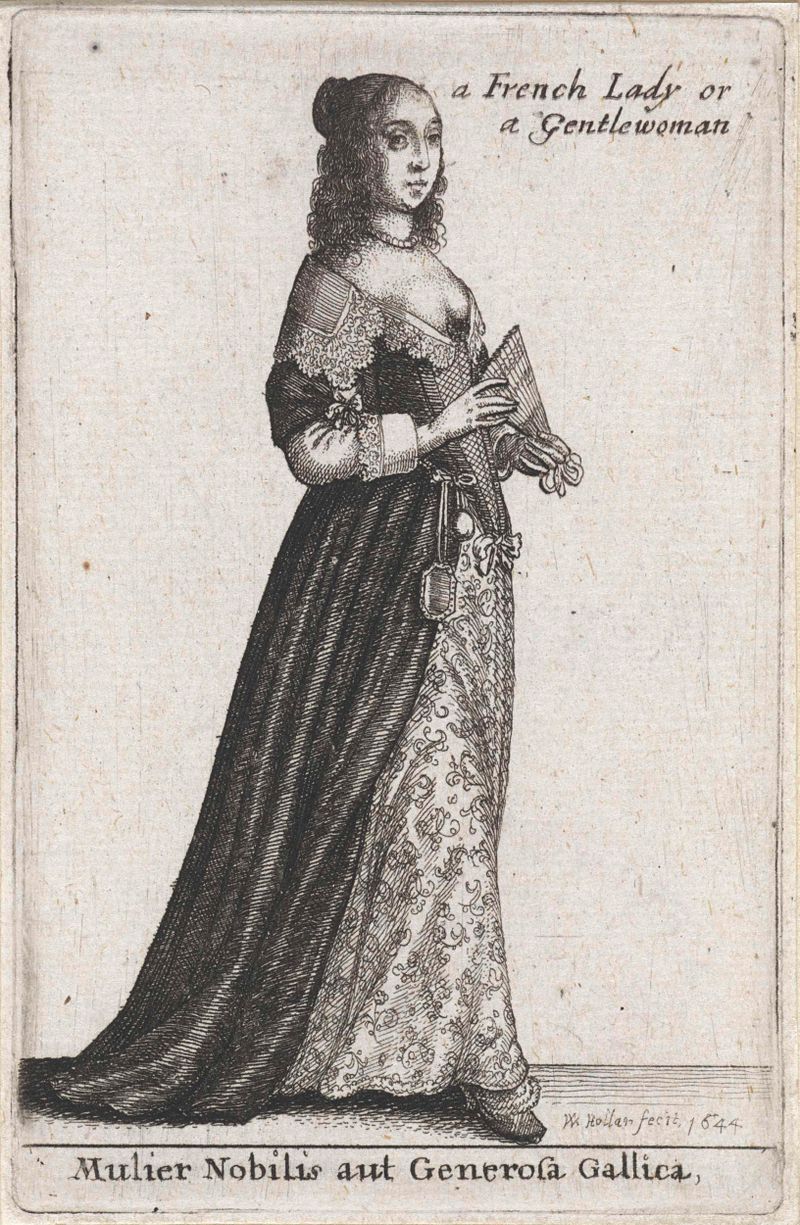
Mulier Nobilis aut Generosa Gallica / a French Lady or Gentlewoman
Wenceslaus Hollar
Titelprent voor: Ornatus Muliebris Anglicanus
Wenceslaus Hollar
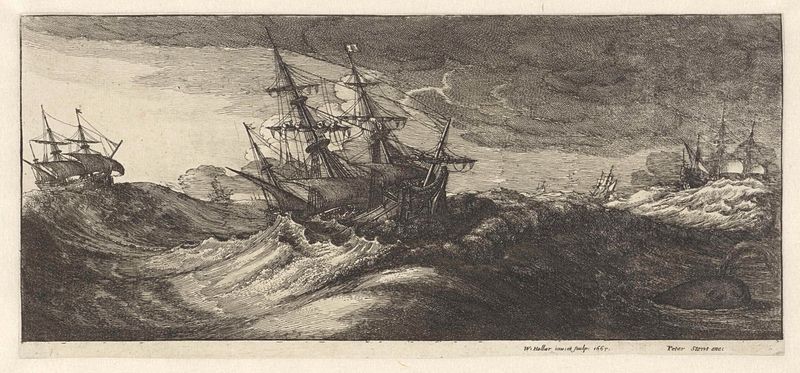
Oorlogsschepen en een walvis in een zeestorm
Wenceslaus Hollar
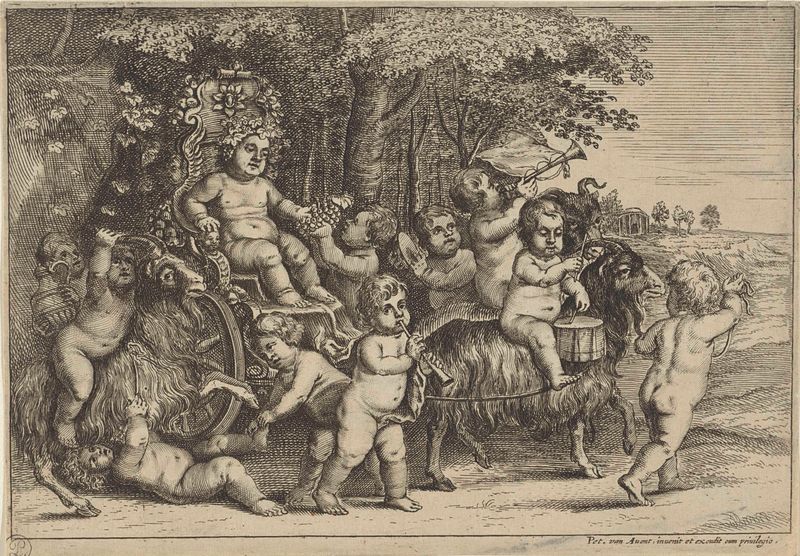
Optocht van bacchant en jongetjes op geiten
Wenceslaus Hollar
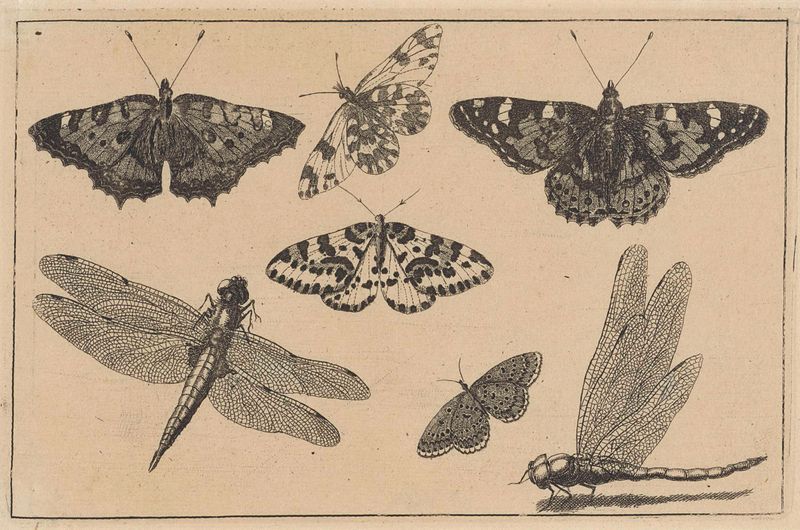
Twee libellen en vijf vlinders
Wenceslaus Hollar
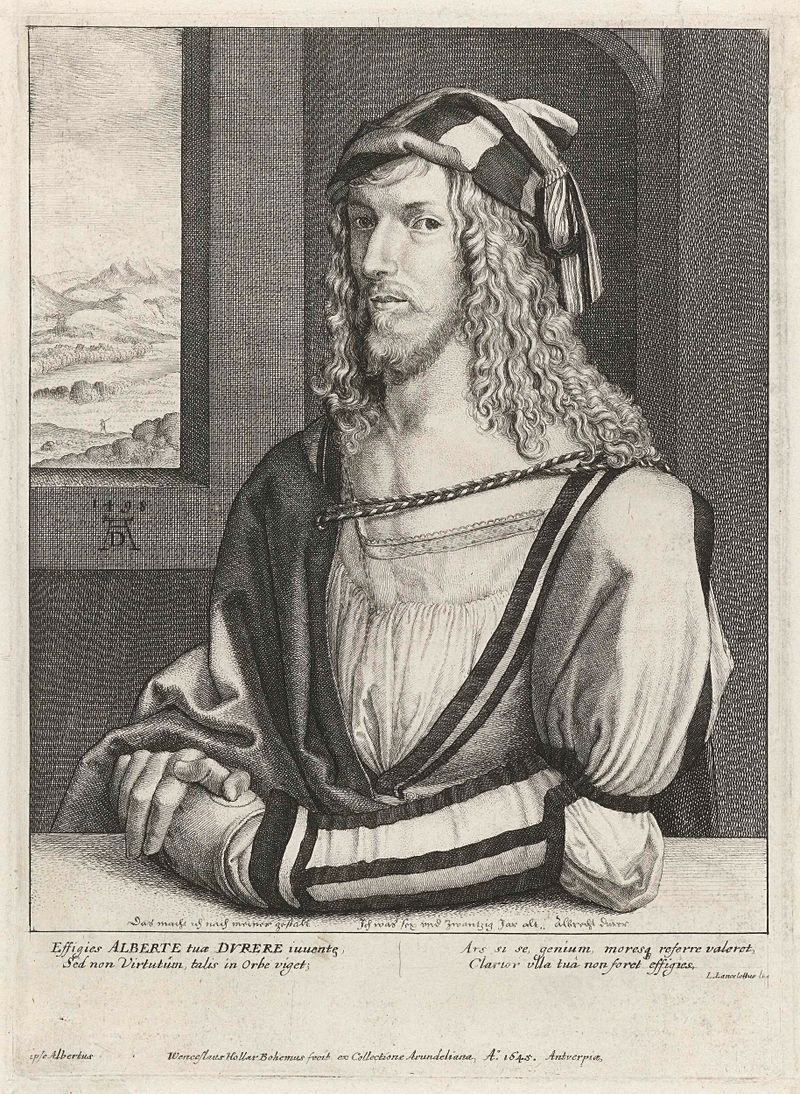
Portret van Albrecht Dürer
Wenceslaus Hollar
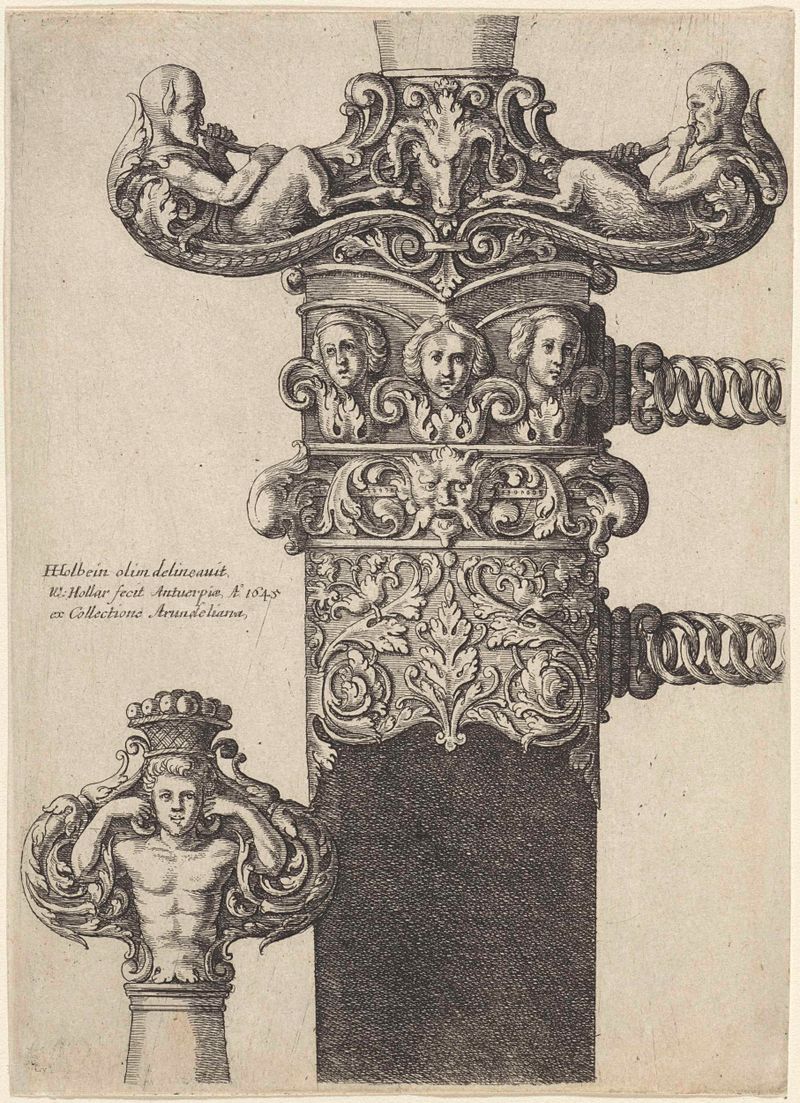
Ornamenteel ontwerp voor een dolk
Wenceslaus Hollar
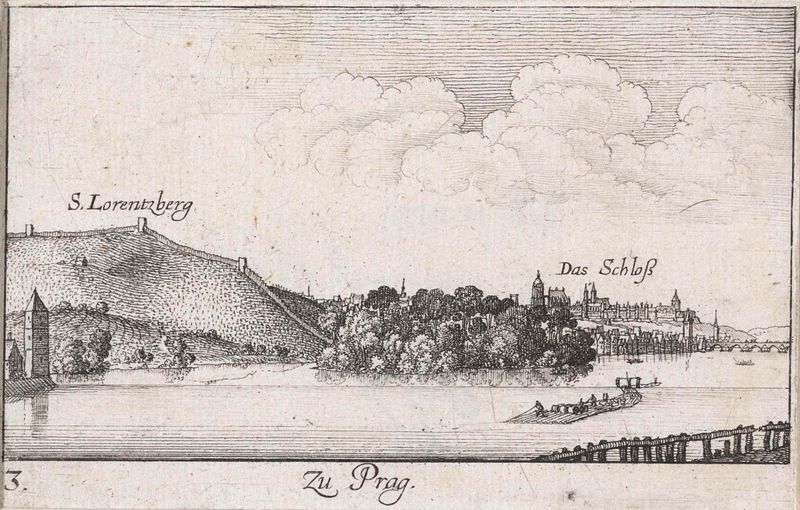
Gezicht op Praag vanaf de Moldau
Wenceslaus Hollar
More Religious Art
Browse all →
The Return of the Prodigal Son
Rembrandt van Rijn

The Garden of Earthly Delights
El Bosco

Count Orgaz’ funeral
El Greco

The Hundred Guilder Print: the central piece with Christ preaching, the plate arched
Rembrandt van Rijn

The Descent from the Cross
Rogier van der Weyden

The return of the prodigal son
Rembrandt van Rijn