
Maria met Kind en de H. Norbert — History & Facts
Where does light end, and longing begin? In the delicate interplay of hues and shadows, one finds a whisper of emotion that transcends mere imagery. Focus on the radiant warmth of the golden rays illuminating the figures in the foreground. Notice how the light dances across the soft contours of Maria’s face, creating an ethereal glow that contrasts with the gentle, muted tones of the background. The artist's meticulous etching technique breathes life into this moment, with every line drawing attention to the layers of textiles and the tender affection shared between the figures.
The careful arrangement of elements draws the eye toward the intimate connection they embody. As you explore further, consider the symbolism woven into the scene. The presence of St. Norbert introduces themes of guidance and benevolence, suggesting a protective aura enveloping Maria and the child.
The serene expressions of the characters juxtapose with the intricate details of their surroundings, emphasizing a deep tranquility amidst life’s uncertainties. This quiet tension evokes feelings of hope and devotion—a gentle reminder of the sacredness found in everyday moments. Wenceslaus Hollar created this work in 1650 while residing in London, a period marked by personal challenges and the tumult of the English Civil War. His experiences as a refugee influenced his artistic journey, leading him to explore themes of spirituality and human connection.
In Maria met Kind en de H. Norbert, Hollar captures a fleeting moment that resonates far beyond its setting, inviting viewers to reflect on the intersection of light, love, and longing.
More Artworks by Wenceslaus Hollar
Browse all →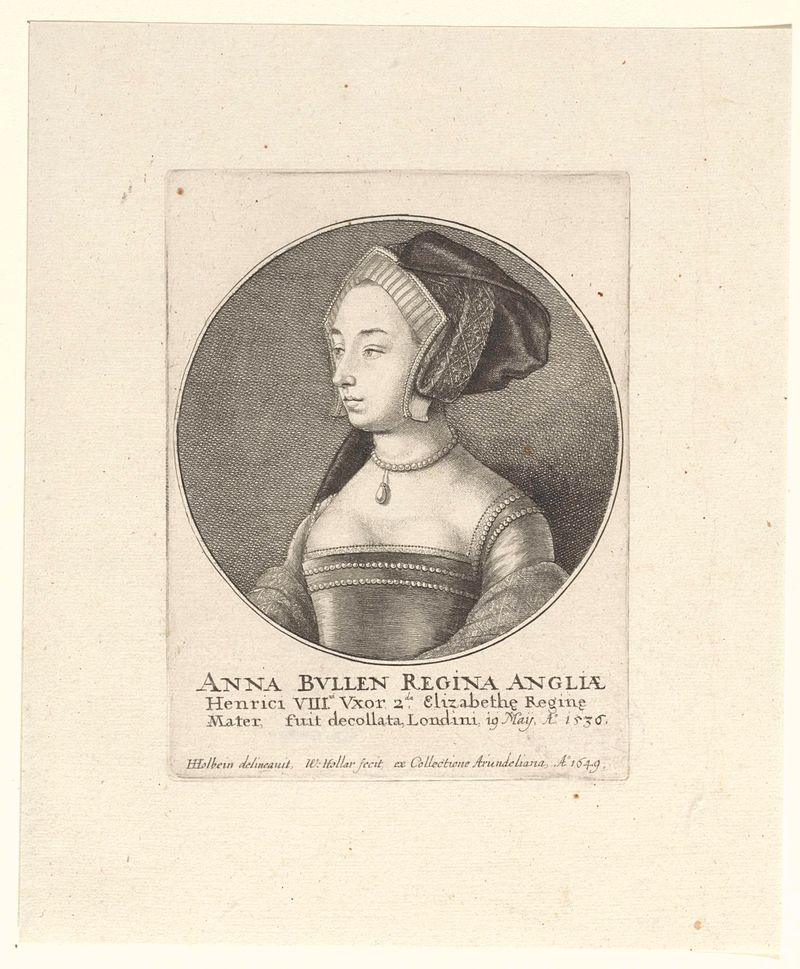
Portret van Anna Boleyn, koningin van Engeland
Wenceslaus Hollar
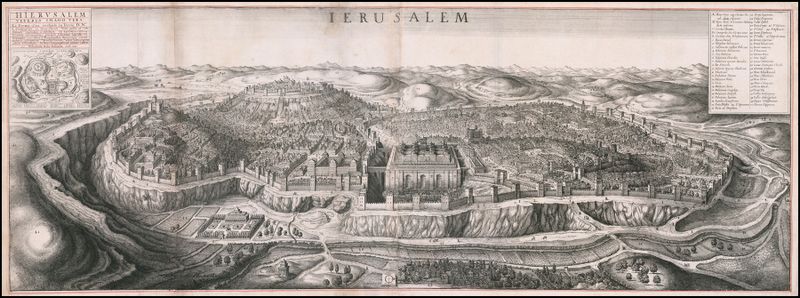
Bird’s eye view of Jerusalem
Wenceslaus Hollar
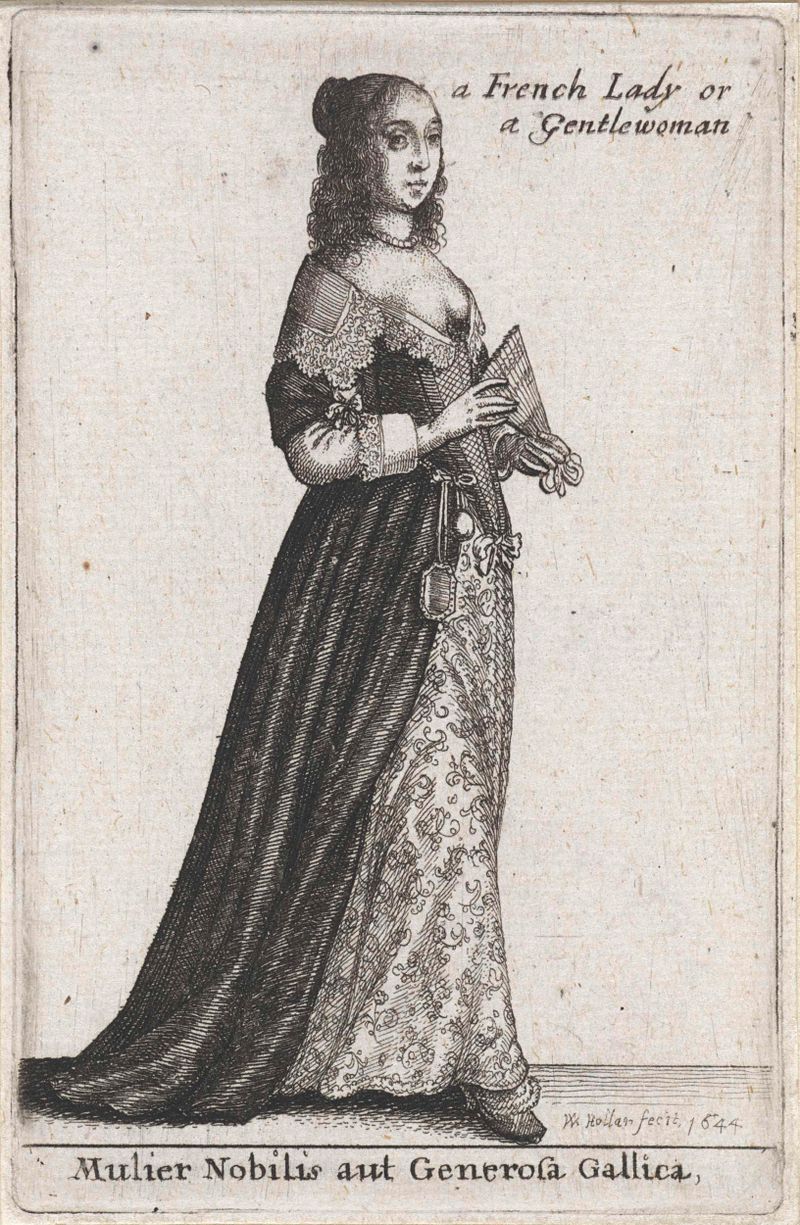
Mulier Nobilis aut Generosa Gallica / a French Lady or Gentlewoman
Wenceslaus Hollar
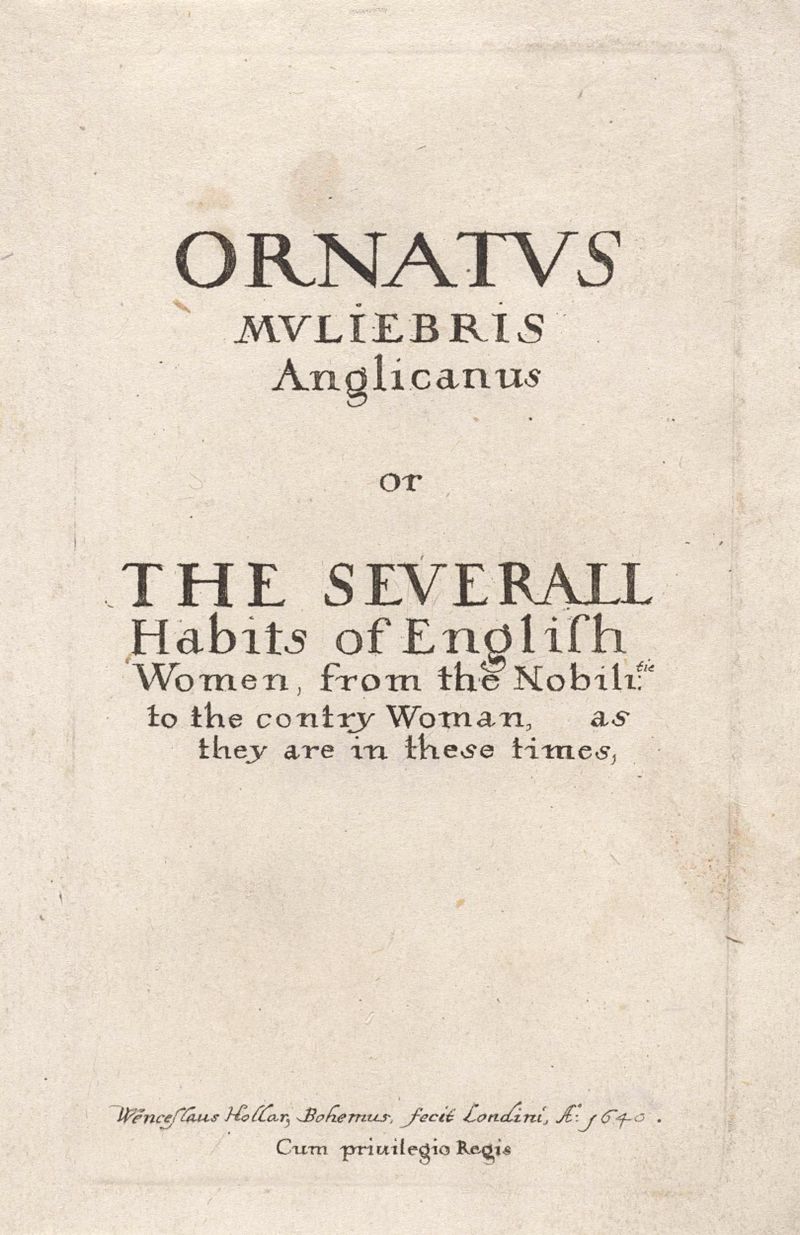
Titelprent voor: Ornatus Muliebris Anglicanus
Wenceslaus Hollar
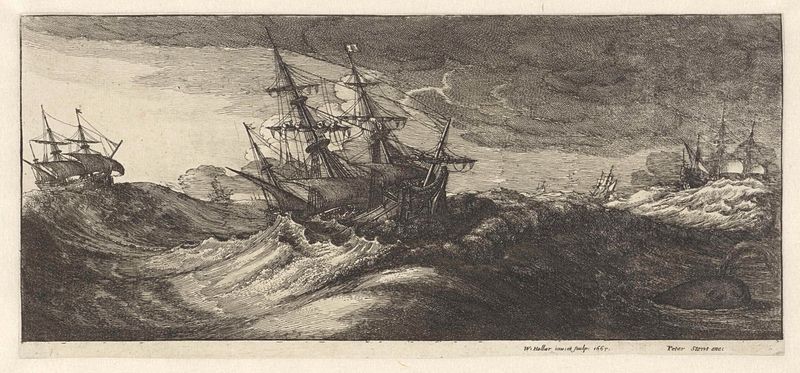
Oorlogsschepen en een walvis in een zeestorm
Wenceslaus Hollar
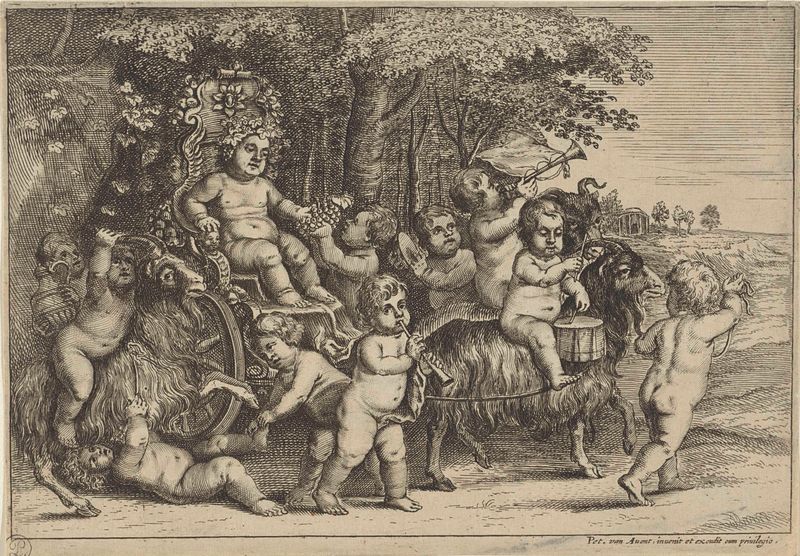
Optocht van bacchant en jongetjes op geiten
Wenceslaus Hollar
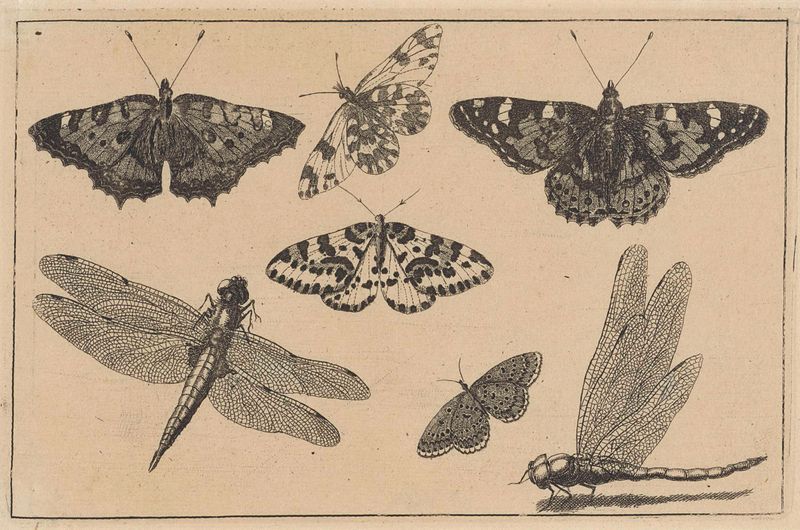
Twee libellen en vijf vlinders
Wenceslaus Hollar
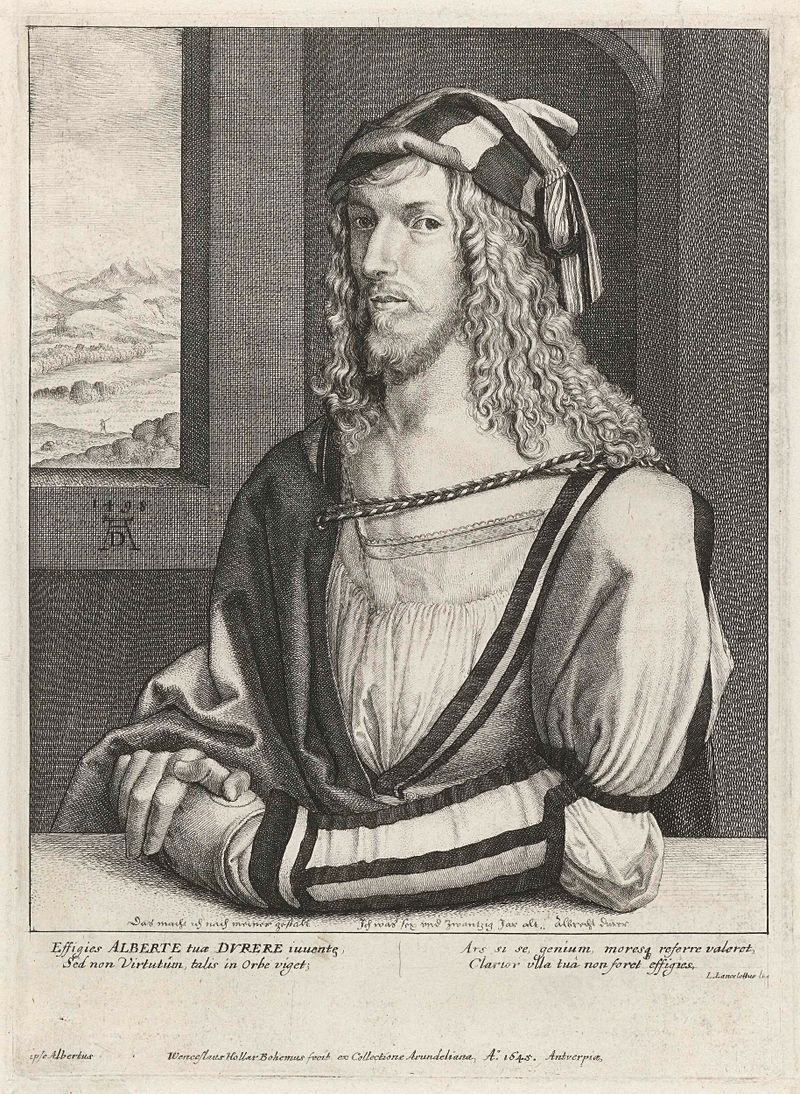
Portret van Albrecht Dürer
Wenceslaus Hollar
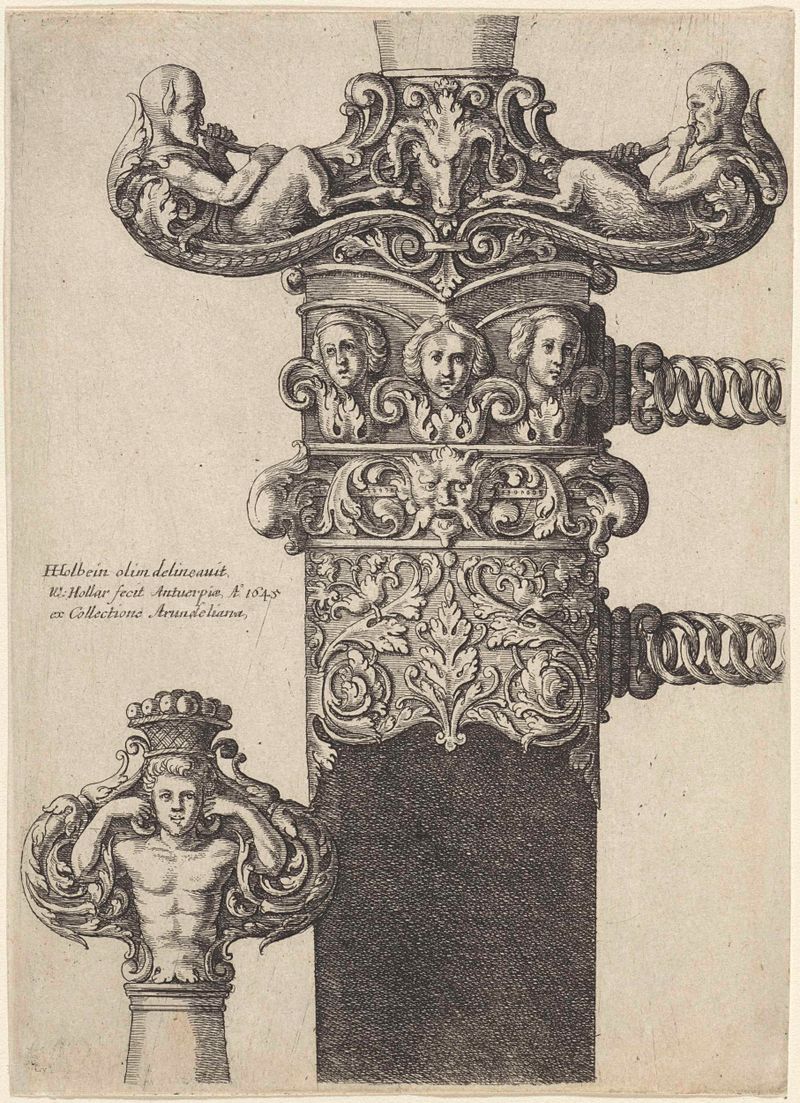
Ornamenteel ontwerp voor een dolk
Wenceslaus Hollar
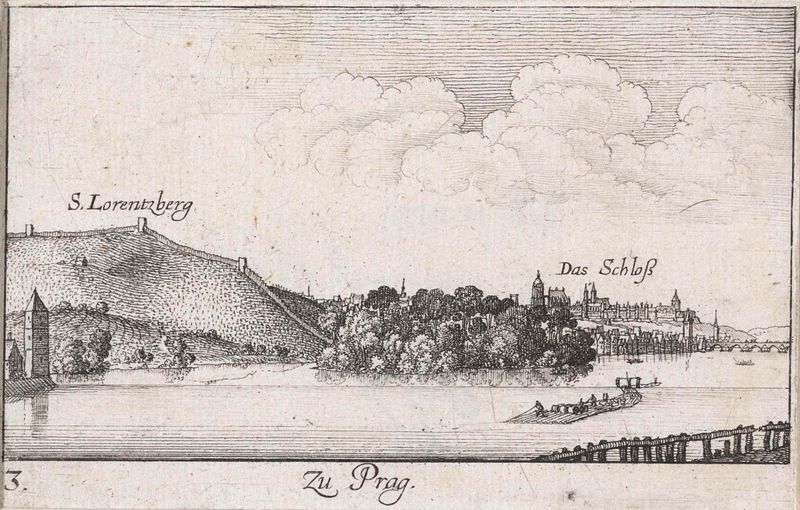
Gezicht op Praag vanaf de Moldau
Wenceslaus Hollar
More Religious Art
Browse all →
The Return of the Prodigal Son
Rembrandt van Rijn

The Garden of Earthly Delights
El Bosco

Count Orgaz’ funeral
El Greco

The Hundred Guilder Print: the central piece with Christ preaching, the plate arched
Rembrandt van Rijn

The Descent from the Cross
Rogier van der Weyden

The return of the prodigal son
Rembrandt van Rijn