
Maria met zegenend Christuskind — History & Facts
The ethereal glow of Maria met zegenend Christuskind invites us into a world where tranquility is tinged with an undercurrent of madness. Each figure in the composition tells a story of devotion laced with tension, revealing the fragility of serenity amidst overwhelming emotional landscapes. Look to the left at the tender embrace between the Virgin Mary and the Christ Child, their expressions radiating a profound yet unsettling affection. Notice how the intricate folds of their garments, painted with rich hues of blue and gold, create a visual rhythm that draws the eye across the canvas.
The delicate interplay of light and shadow emphasizes the contours of their faces, evoking vulnerability and strength, while the soft halo surrounding the child hints at a divine yet heavy burden. Within this sacred moment lies a juxtaposition of purity and grief, as the serene countenance of Mary contrasts with the undeniable weight of her impending sorrow. The subtle details, like the way the Christ Child clutches her garment, suggest an unbreakable bond fraught with the foreknowledge of sacrifice. This layered emotional tapestry invites contemplation on the complexities of motherhood and faith, touching upon the madness that often lingers beneath the surface of devotion. Wenceslaus Hollar created this work during a period marked by his relocation to England, where he became a prominent engraver and draftsman.
Between 1625 and 1677, he navigated the tumultuous waters of the English Civil War, which undoubtedly influenced his artistic vision. In this context, the painting serves not only as an expression of piety but also as a reflection of the turbulent world around him, revealing the delicate balance between beauty and madness.
More Artworks by Wenceslaus Hollar
Browse all →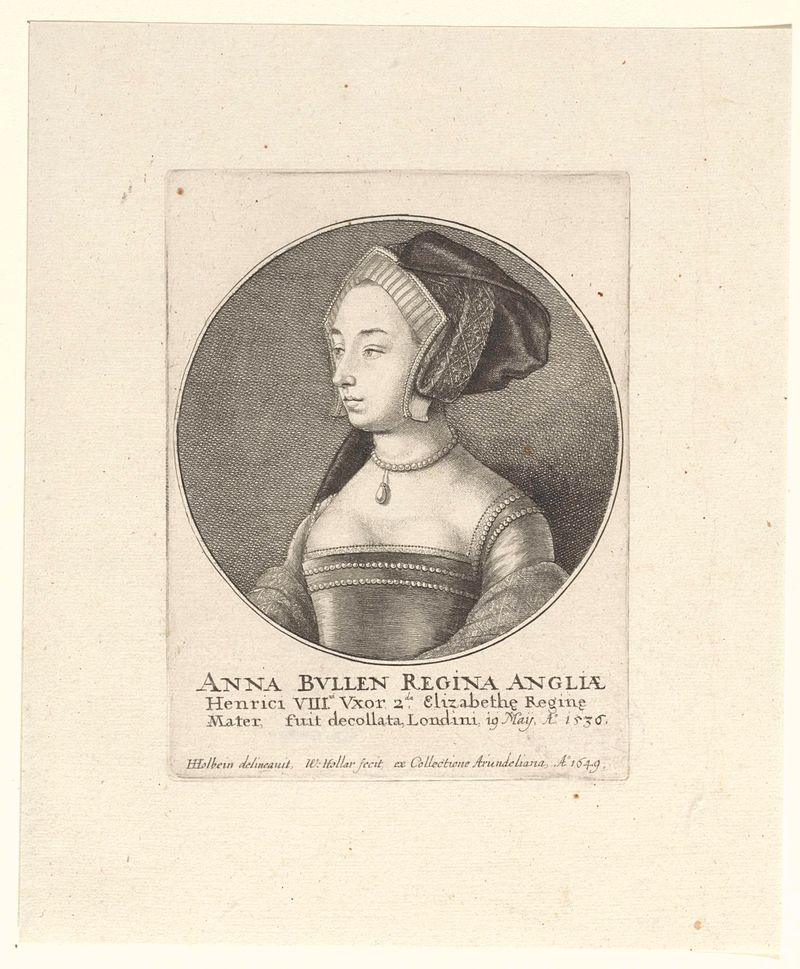
Portret van Anna Boleyn, koningin van Engeland
Wenceslaus Hollar
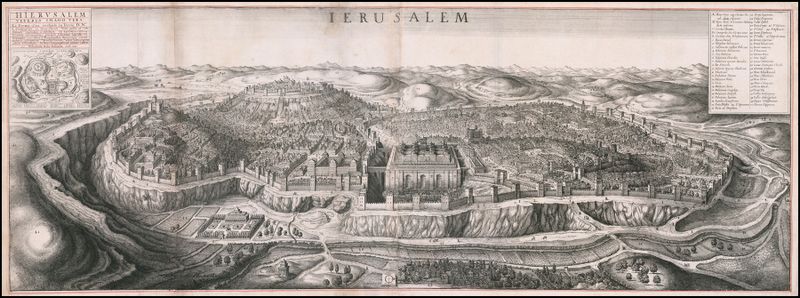
Bird’s eye view of Jerusalem
Wenceslaus Hollar
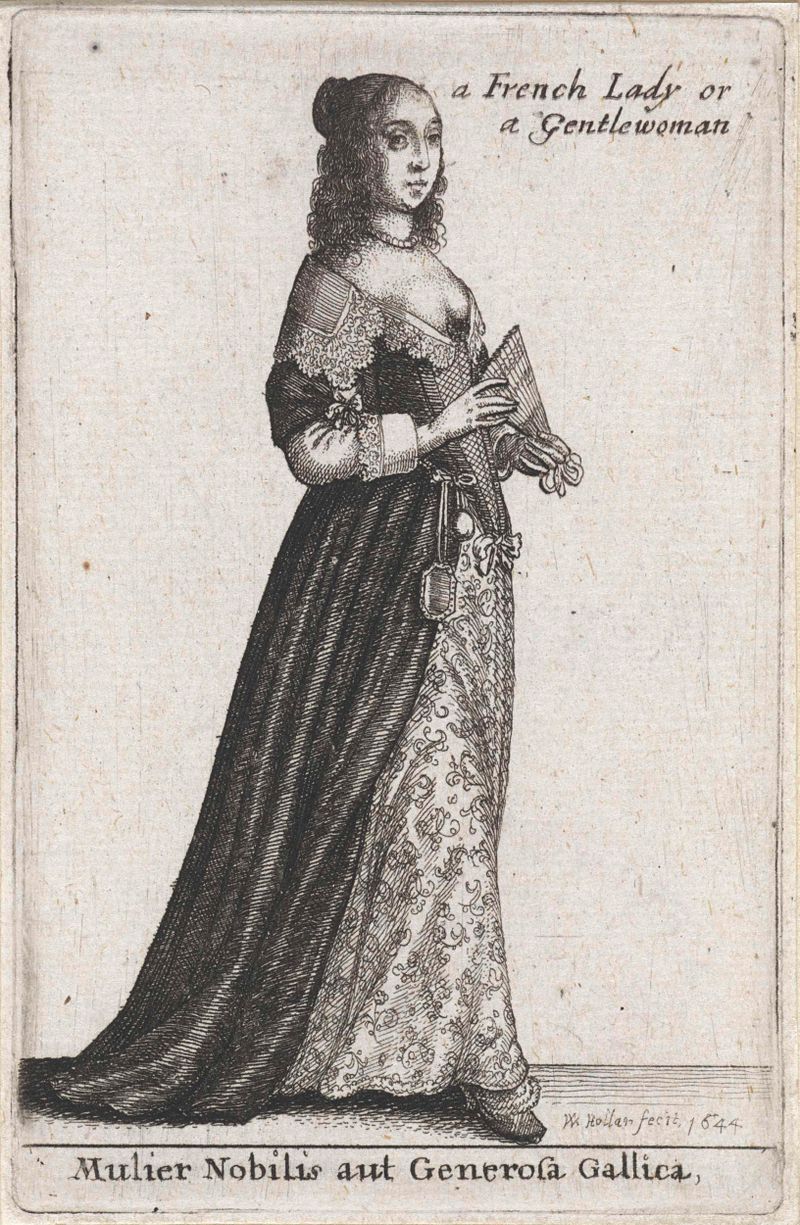
Mulier Nobilis aut Generosa Gallica / a French Lady or Gentlewoman
Wenceslaus Hollar
Titelprent voor: Ornatus Muliebris Anglicanus
Wenceslaus Hollar
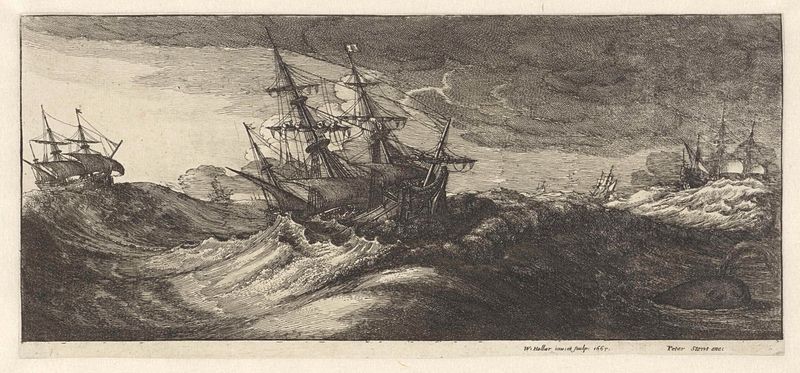
Oorlogsschepen en een walvis in een zeestorm
Wenceslaus Hollar
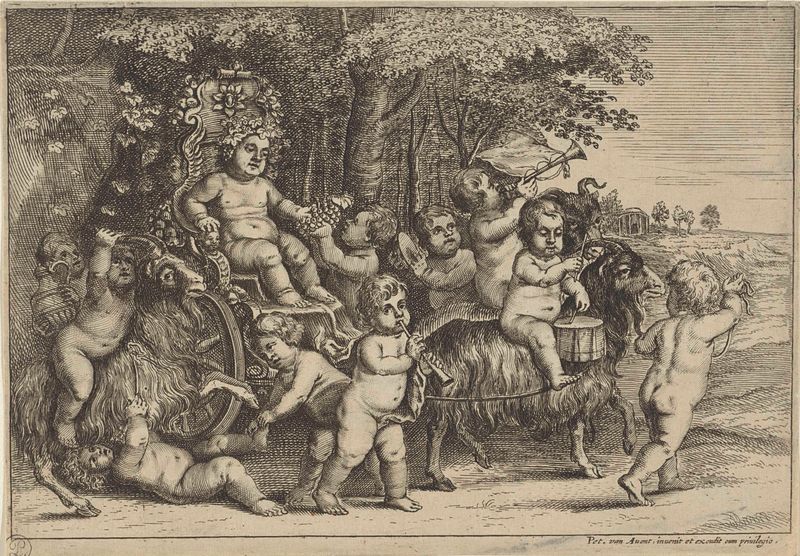
Optocht van bacchant en jongetjes op geiten
Wenceslaus Hollar
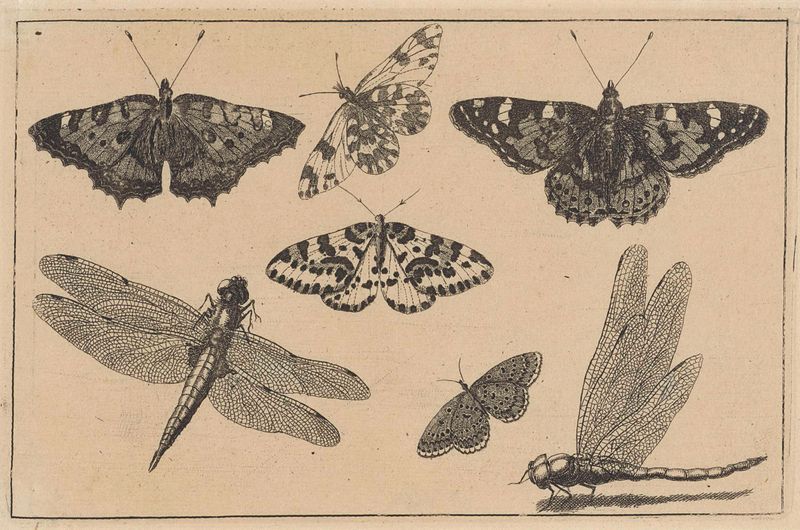
Twee libellen en vijf vlinders
Wenceslaus Hollar
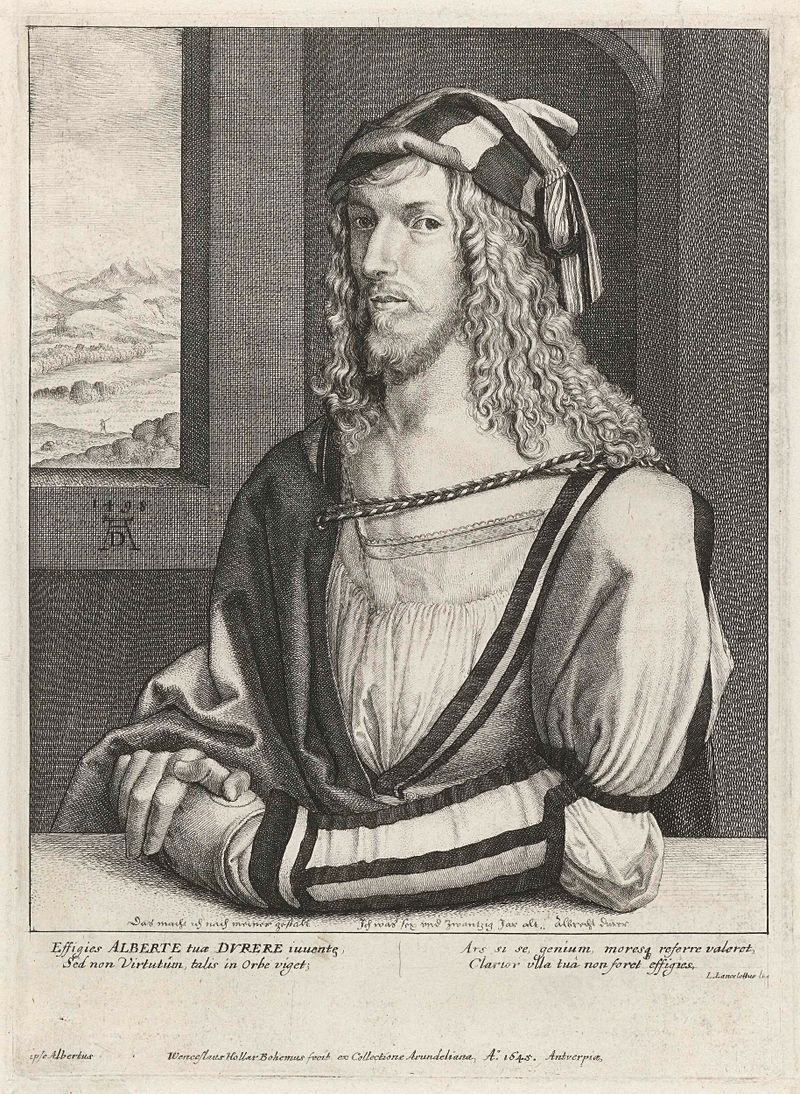
Portret van Albrecht Dürer
Wenceslaus Hollar
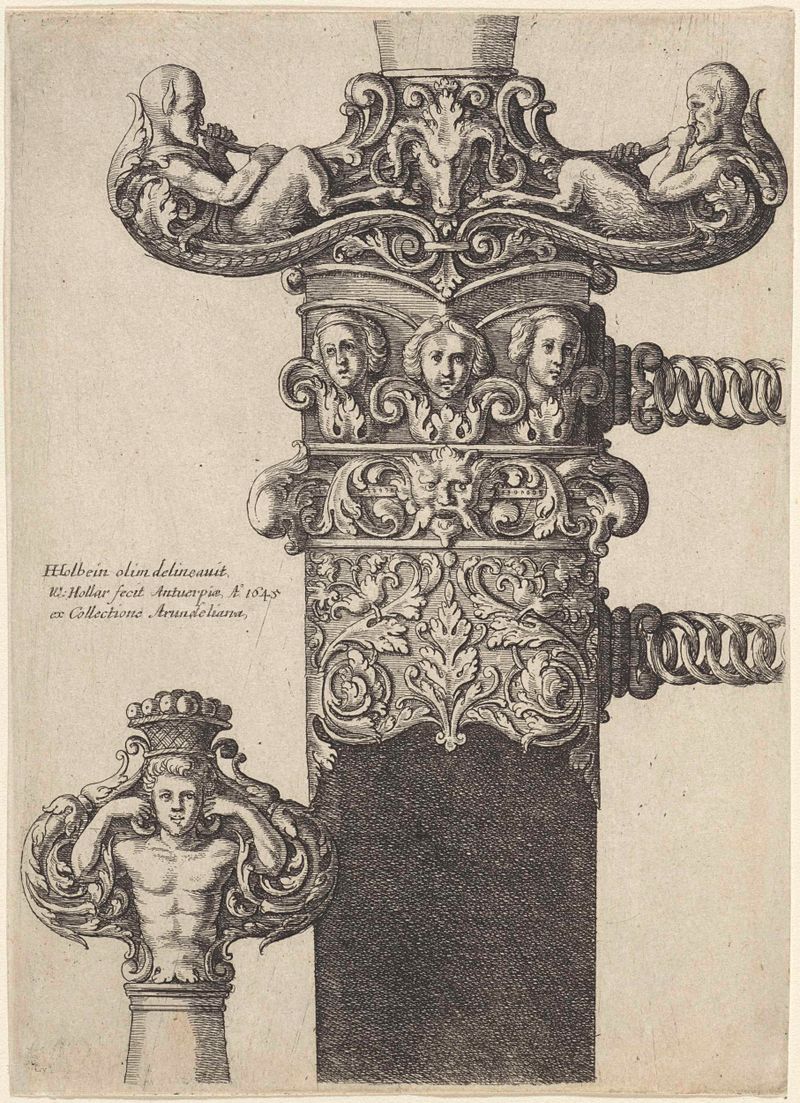
Ornamenteel ontwerp voor een dolk
Wenceslaus Hollar
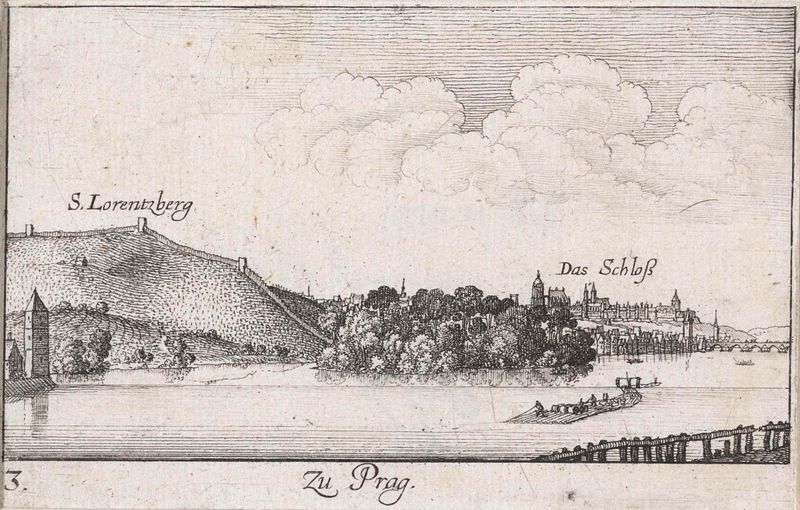
Gezicht op Praag vanaf de Moldau
Wenceslaus Hollar
More Religious Art
Browse all →
The Return of the Prodigal Son
Rembrandt van Rijn

The Garden of Earthly Delights
El Bosco

Count Orgaz’ funeral
El Greco

The Hundred Guilder Print: the central piece with Christ preaching, the plate arched
Rembrandt van Rijn

The Descent from the Cross
Rogier van der Weyden

The return of the prodigal son
Rembrandt van Rijn