
Marielund — History & Facts
What if beauty was never meant to be finished? In the delicate interplay of light and shadow, one can almost sense the trembling tension between form and formlessness, a dance that teeters on the edge of madness. Look to the center of the canvas where a stunning structure rises — a symphony of curves and angles that seems to pulsate with life. The soft pastel hues engage in a harmonious dialogue, contrasting with the darker undertones that suggest an undercurrent of chaos. Notice how the intricate details of the architecture collide with the organic shapes of the surrounding nature, beckoning the viewer to explore this ephemeral realm. Here, the artwork breathes with duality.
The serene beauty of the structure offers solace, yet its wild, unrestrained forms invoke a sense of unhinged reality. The play of light, casting fleeting shadows, enhances the feeling of impermanence, as if the edifice might dissolve into the chaotic embrace of nature at any moment. This delicate balance between tranquility and turmoil captures the artist's exploration of the fine line between sanity and madness. Ferdinand Boberg created this piece between 1915 and 1924, during a time of great change in Europe.
The aftermath of World War I left scars on the collective consciousness, and the art world was shifting towards modernism, embracing abstraction. Boberg, immersed in this evolving landscape, sought to capture not just beauty but the haunting whisper of fragility that often accompanies it, reflecting both personal and societal tensions in this poignant work.
More Artworks by Ferdinand Boberg
Browse all →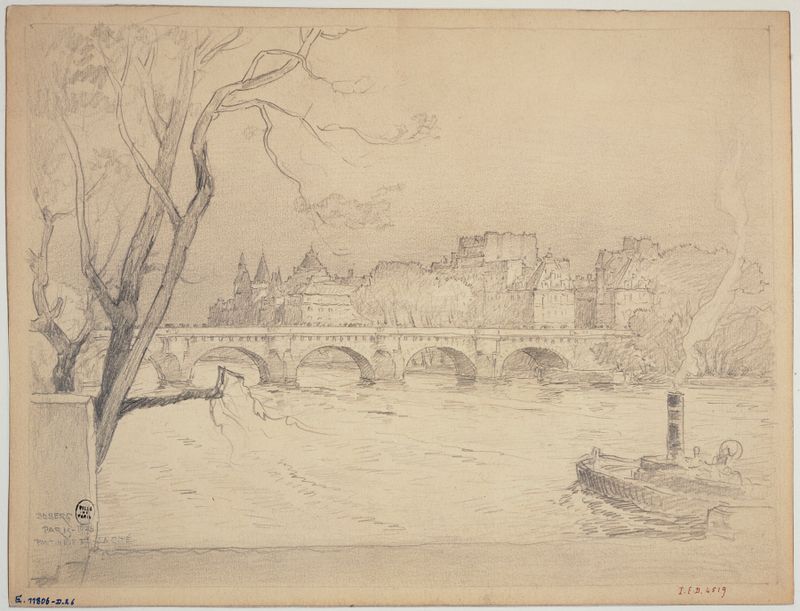
Le Pont-Neuf et la Cité
Ferdinand Boberg
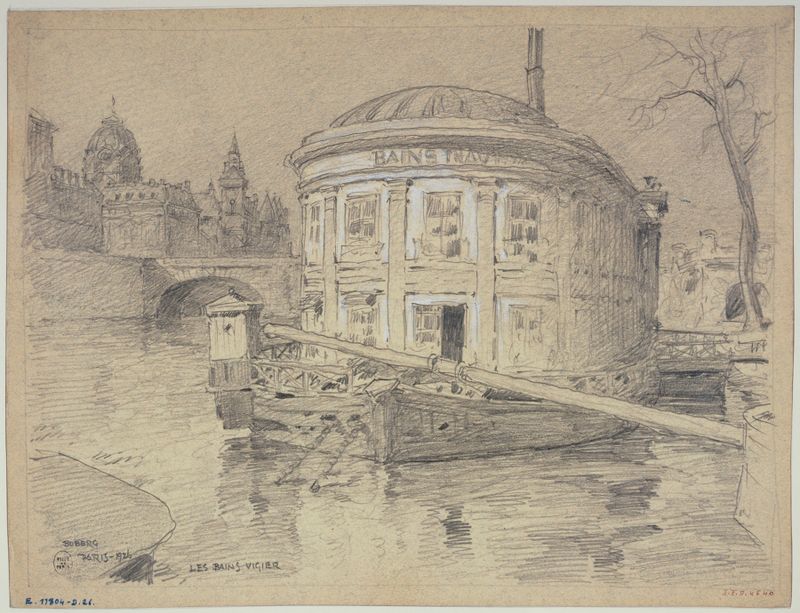
Les bains Vigier au Pont-Neuf
Ferdinand Boberg
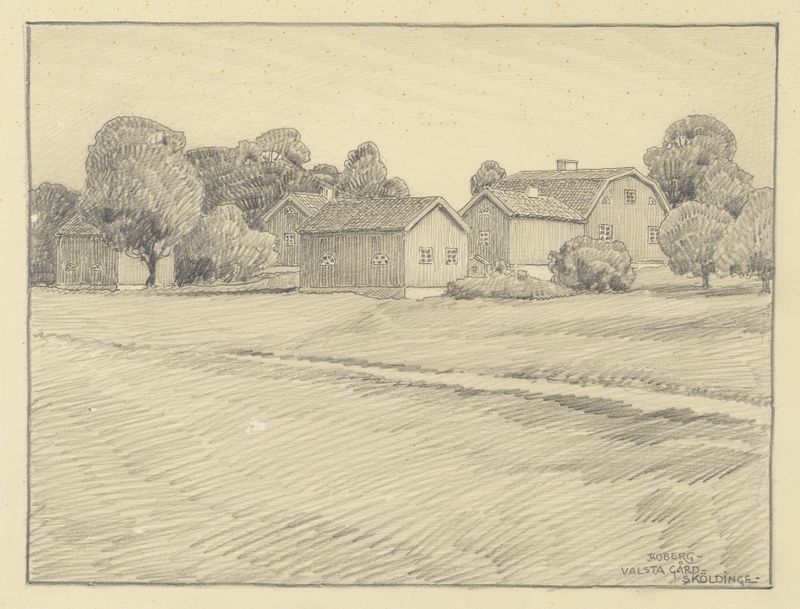
Valsta Gård
Ferdinand Boberg
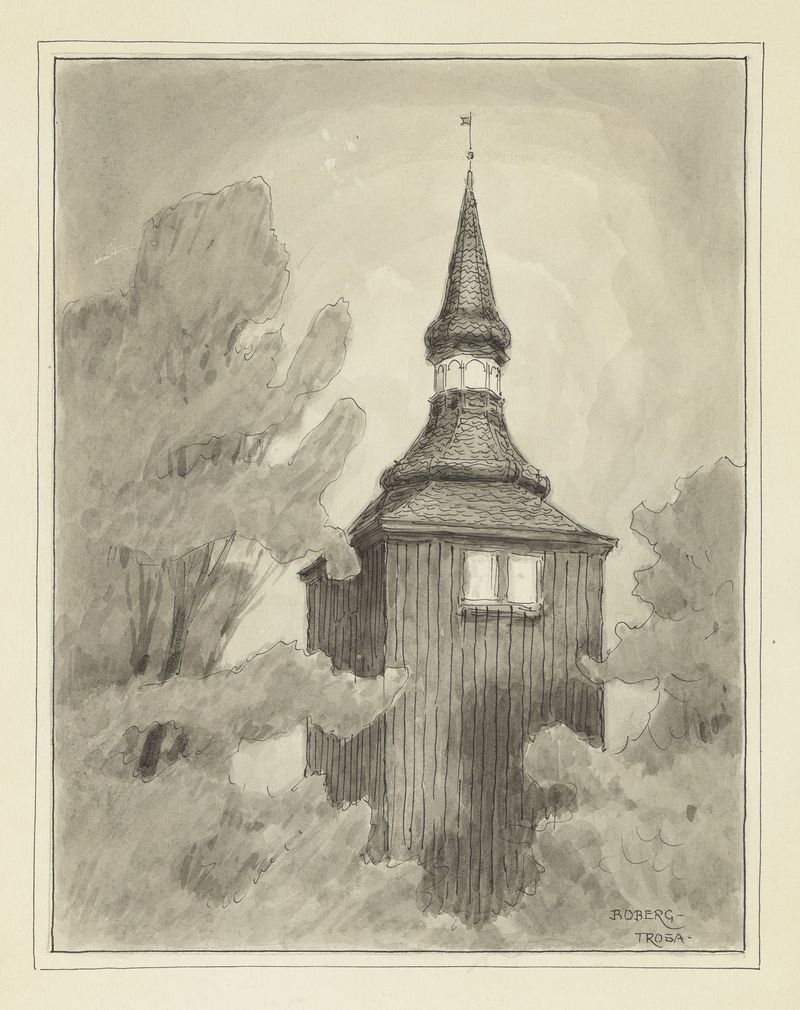
Trosa
Ferdinand Boberg
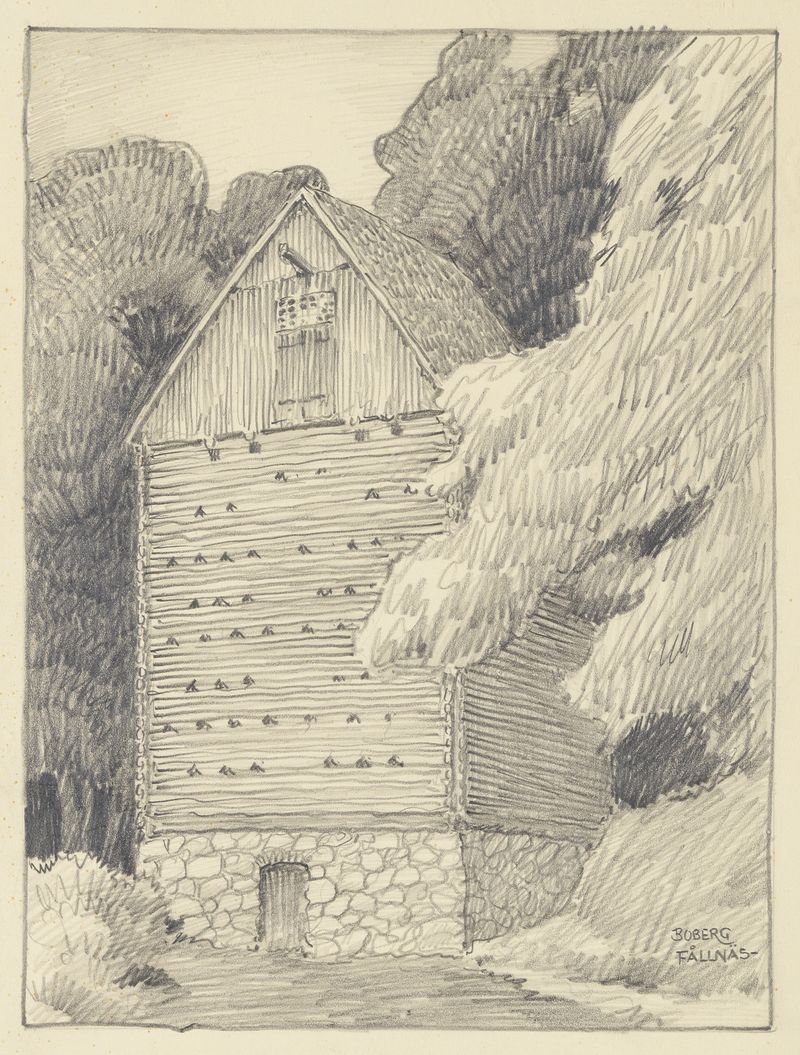
Fållnäs
Ferdinand Boberg
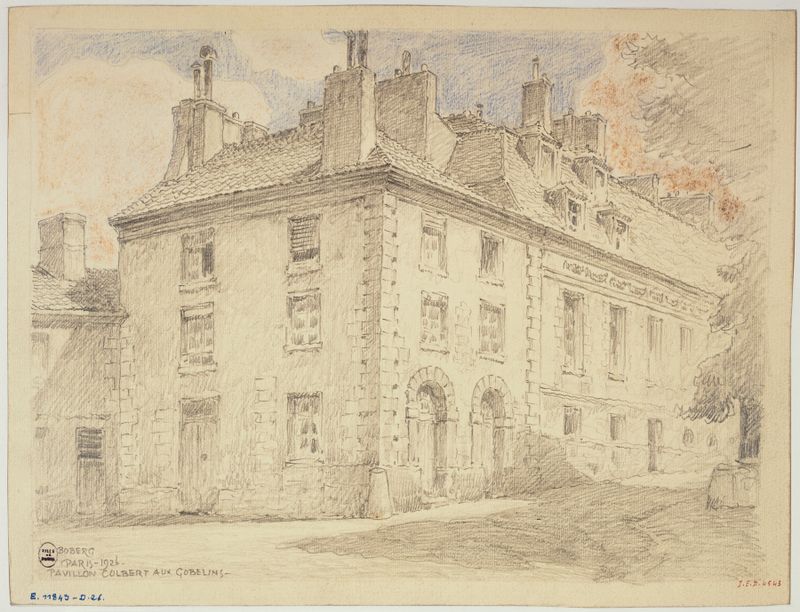
Le pavillon Colbert aux Gobelins
Ferdinand Boberg
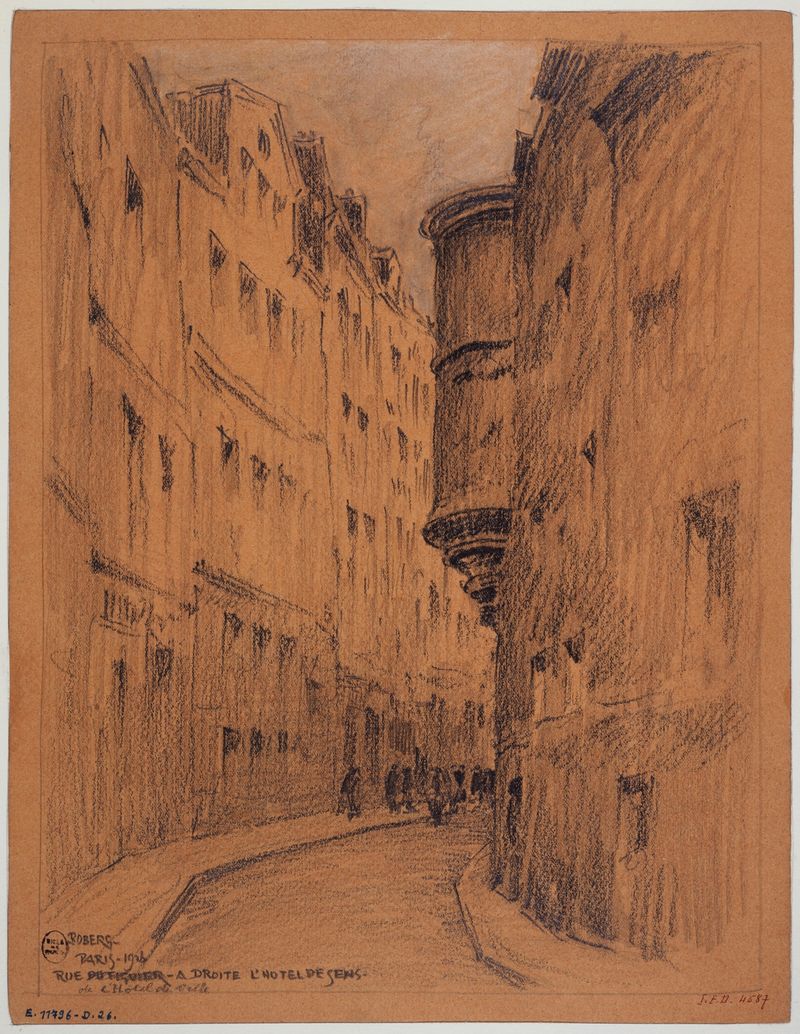
Rue de l’Hôtel de Ville; l’hôtel de Sens
Ferdinand Boberg
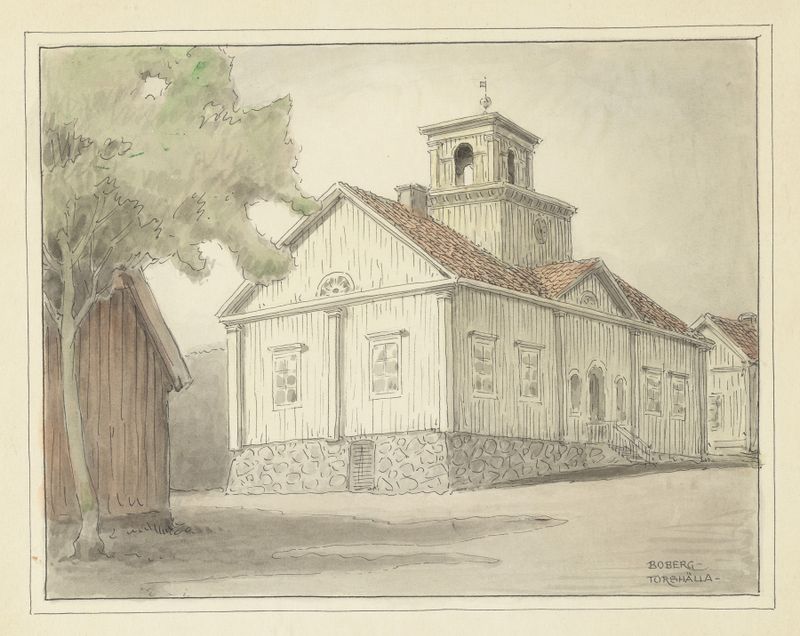
Torshälla
Ferdinand Boberg
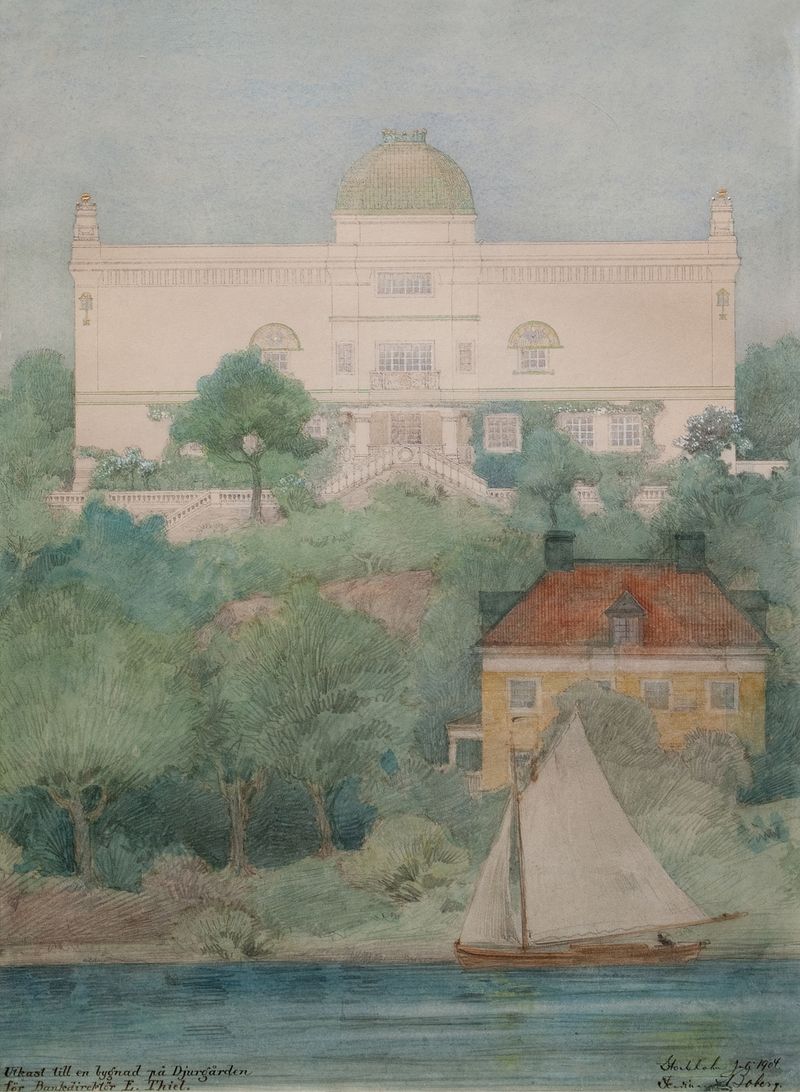
Sketch for a building for Thiel’s Gallery
Ferdinand Boberg
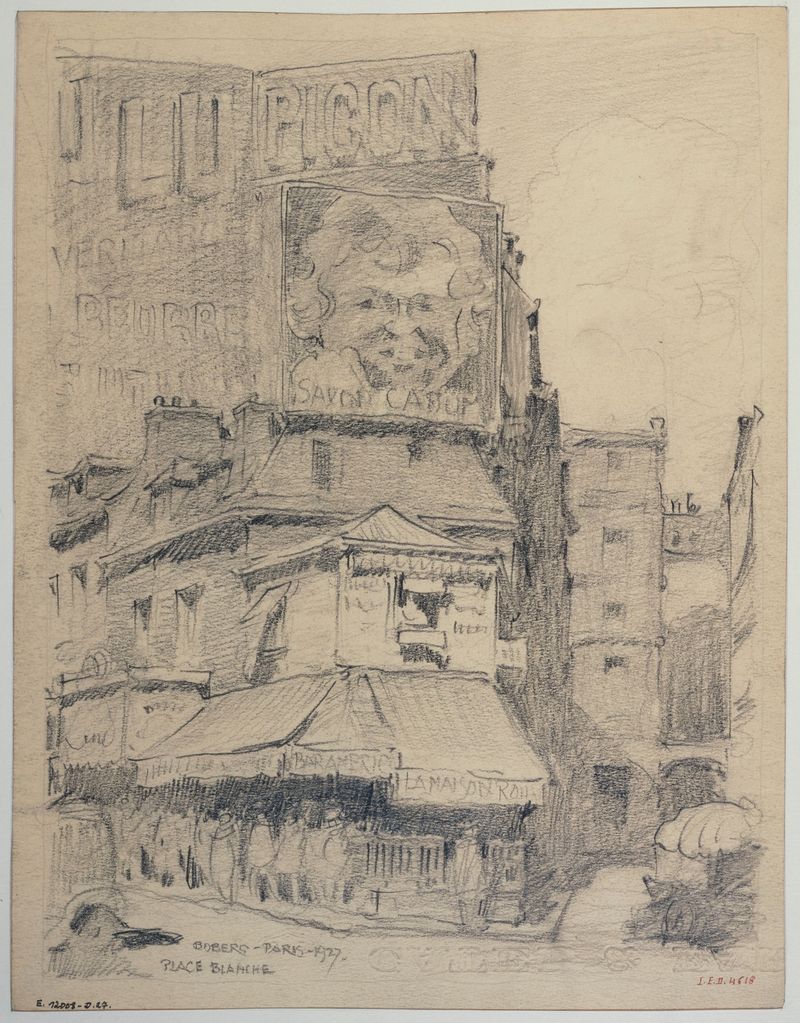
La place Blanche
Ferdinand Boberg
More Architecture Art
Browse all →
The statue of Liberty
Frédéric Auguste Bartholdi

View of Houses in Delft, Known as ‘The Little Street’
Johannes Vermeer

View of Houses in Delft, Known as ‘The Little Street’
Johannes Vermeer

The Cathedral in Rouen. The portal, Grey Weather
Claude Monet

The yellow house
Vincent van Gogh

The Church in Auvers-sur-Oise, View from the Chevet
Vincent van Gogh